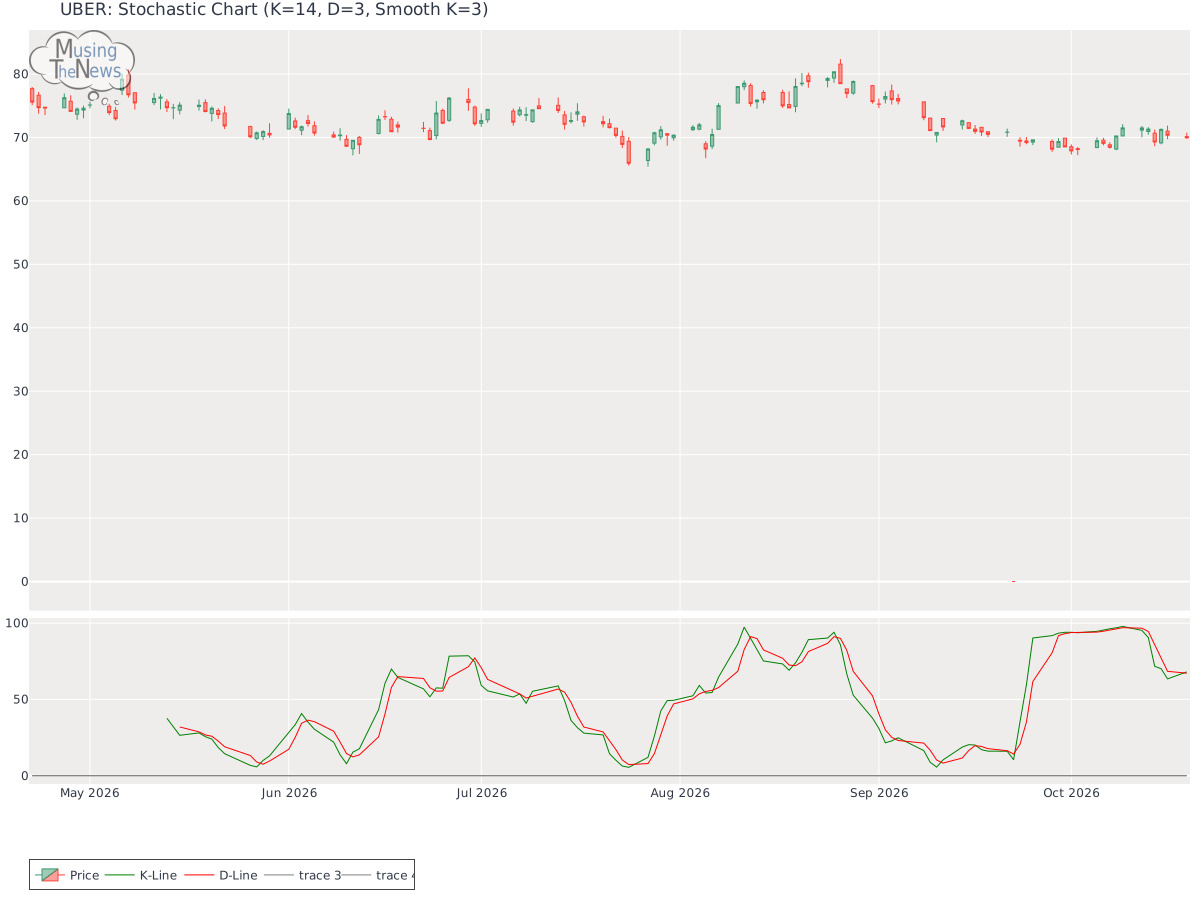
The current state of the STOCHASTIC is neutral, with no clear trend direction indicated. This lack of directional bias suggests that the market may be in a phase of consoli...
By MusingTheNews
Updated 2026-10-20 23:25:58
Overall Technical outlook
Price Summary
On 2026-10-19, Uber Technologies, Inc.'s stock opened at 70.13, reached 70.76, hit a low of 69.77, and rose -0.24% to close at 69.96, with 14027500 shares traded. In the past year, the highest stock price was 99.72, and the lowest was 0.0.
Technicals
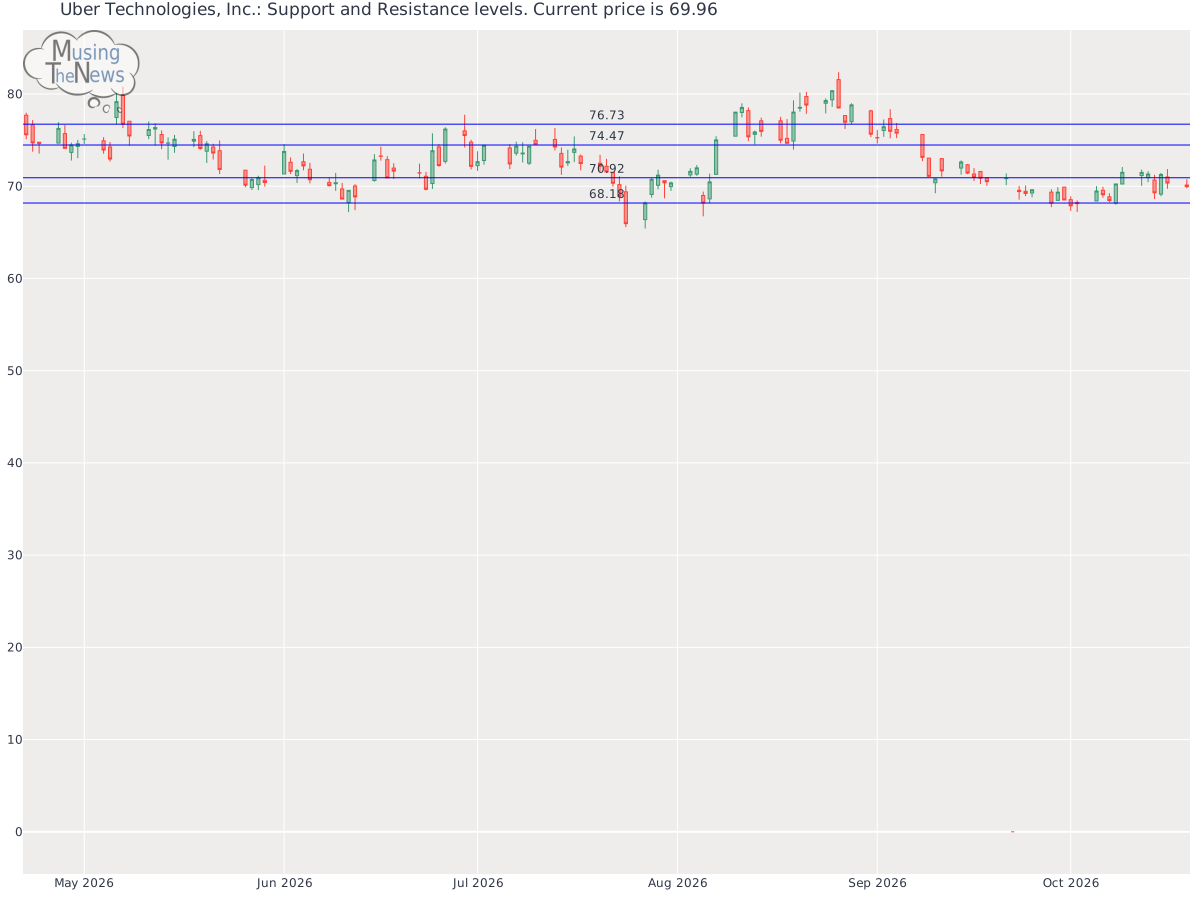
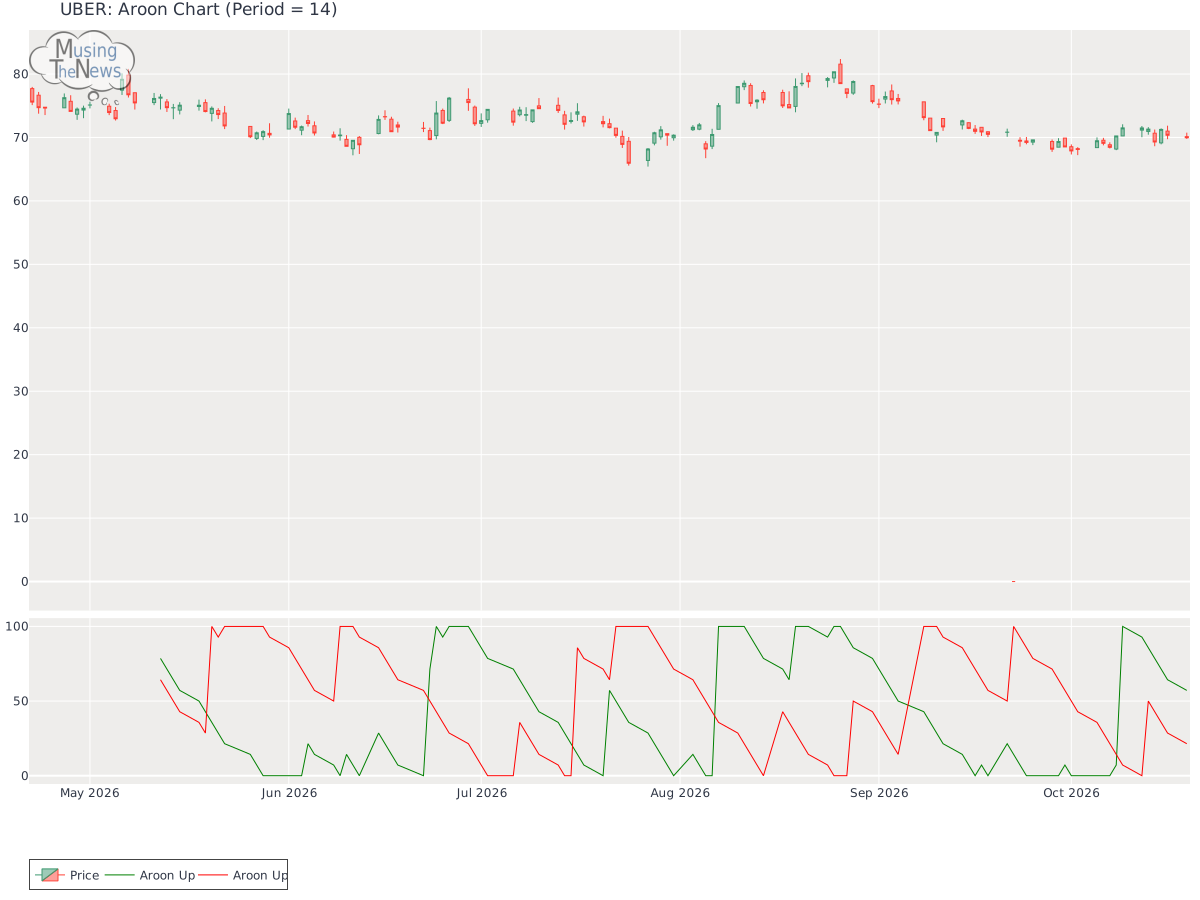
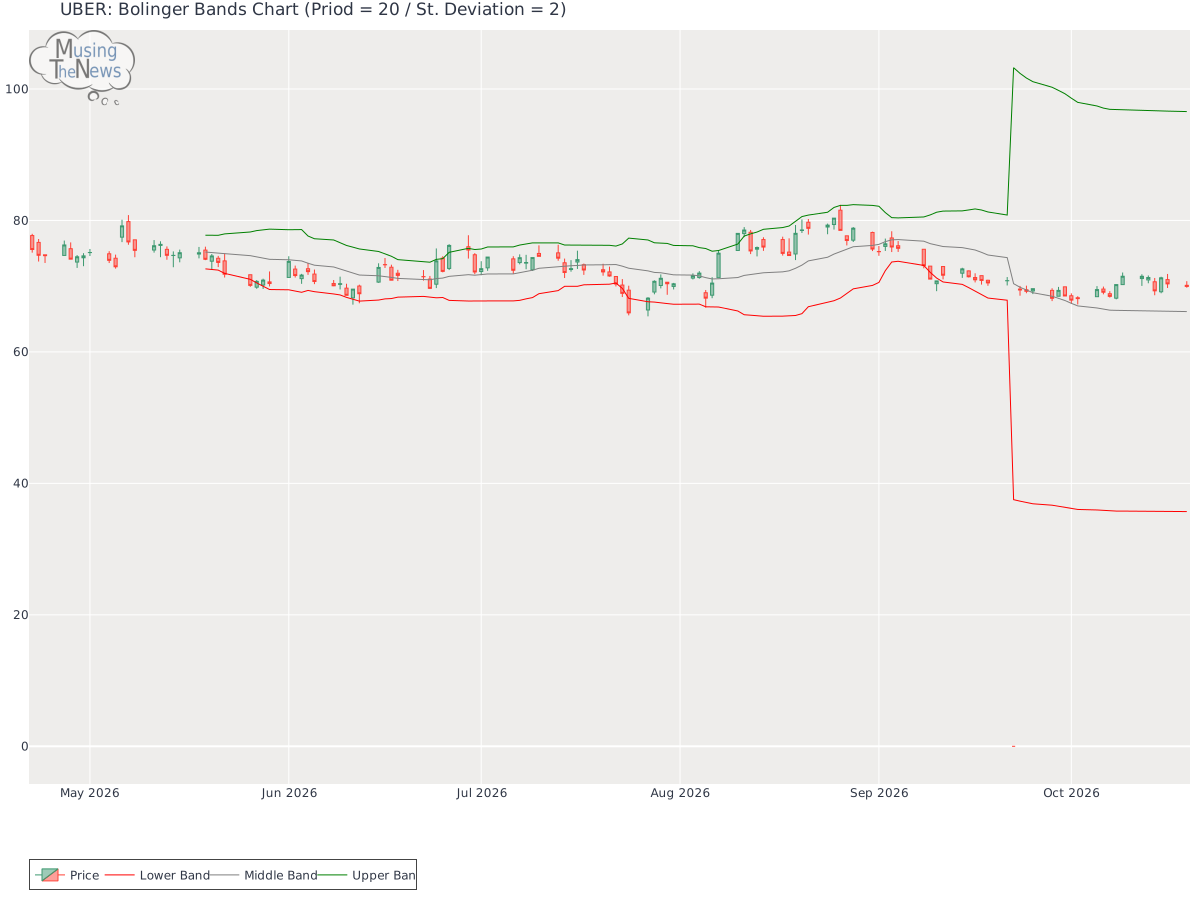
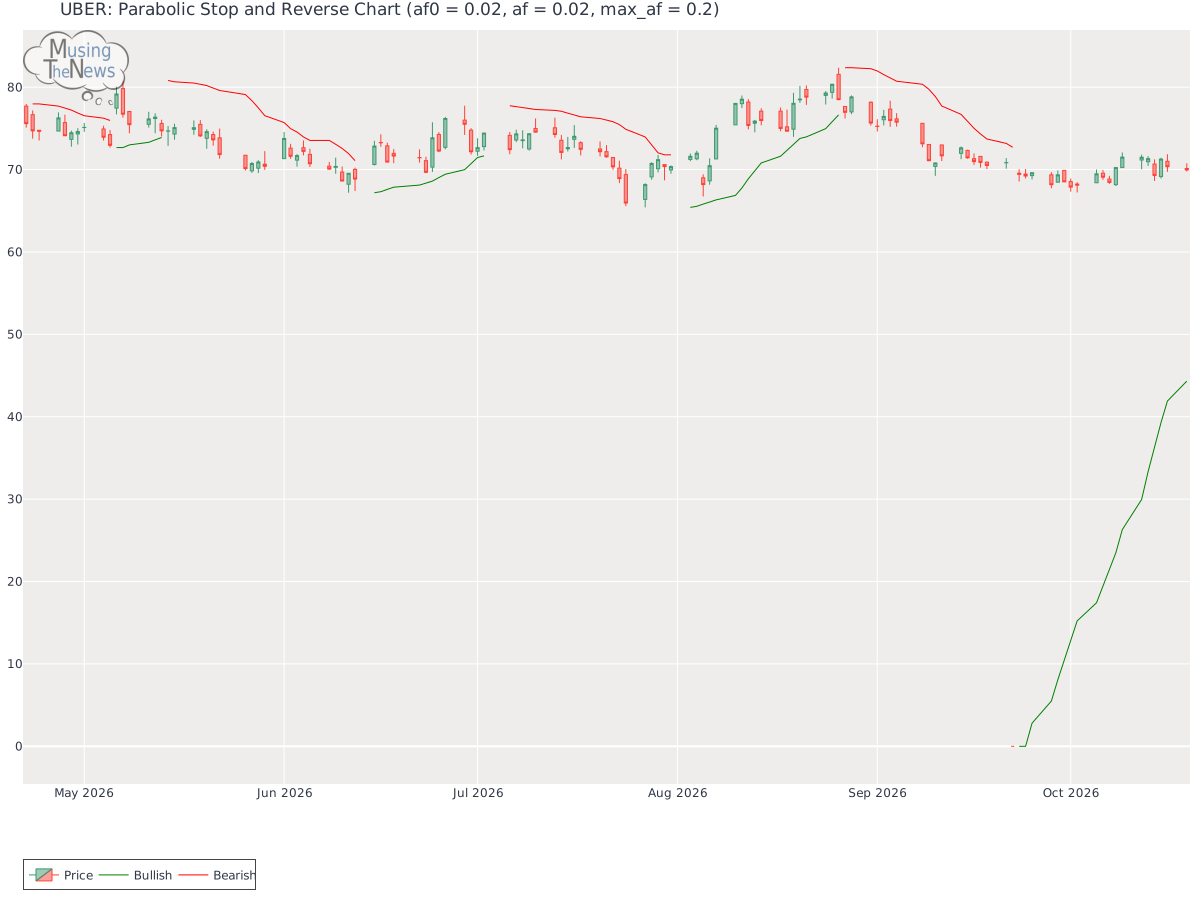
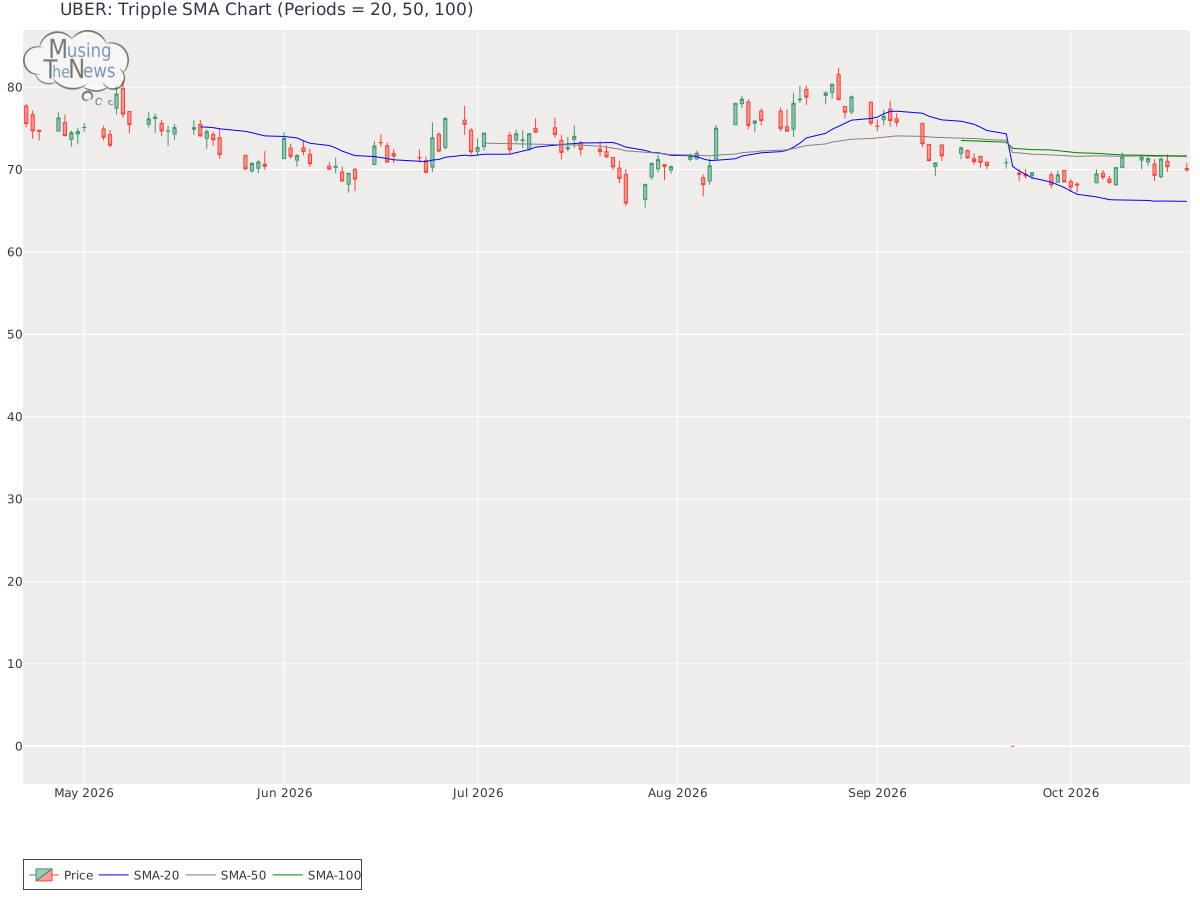
Support and Resistance: The current price of 69.96 for UBER finds support at 68.18 and resistance at 70.92. These levels define a range in which the price might oscillate, with 68.18 as a potential support and 70.92 as a resistance level.Support/Resistance for UBERAroon: The AROON is in a neutral stance for UBER, not indicating a clear upward or downward trend. This suggests a period of market indecision, where neither bulls nor bears have the upper hand.Aroon chart for Uber Technologies, Inc.Bol. Bands: The BOLL BANDS is in a neutral stance for UBER, not indicating a clear upward or downward trend. This suggests a period of market indecision, where neither bulls nor bears have the upper hand.Bolinger Bands chart for Uber Technologies, Inc.Parabolic SAR: The PSAR continues its bullish outlook, establishing a support level that could help sustain the current upward trend. This level of support may act as a cushion against potential downturns, indicating continued strength in the market's bullish momentum for UBER.Parabolic Stop and Reverse chart for Uber Technologies, Inc.Stochastic: The current state of the STOCHASTIC is neutral, with no clear trend direction indicated. This lack of directional bias suggests that the market may be in a phase of consolidation or uncertainty.Stochastic chart for Uber Technologies, Inc.Tripple Moving Agerage: A bullish trend is signaled by the alignment of the 20-50-100 period moving averages, but the slopes of the faster averages suggest a potential reversal. The weakening momentum in the shorter-term averages hints that the current upward trend might be nearing its end, signaling the possibility of a shift in direction.Tripple SMA chart for Uber Technologies, Inc. A comprehensive approach to analyzing a company requires considering both its technical and fundamental aspects. The company's fundamentals, such as its earnings, growth prospects, and financial health, provide a strong foundation for understanding technical indicators. Additionally, examining the industry it operates in helps contextualize the company's position within the broader market. By integrating these factors, one can gain more valuable insights into the company's stock performance and potential investment opportunities.