Fundamentals for Uber Technologies, Inc.
UBER's forward EPS is lower than its trailing EPS, indicating that the company is expected to be less profitable this year. This suggests a potential slowdown in financial ...






Business Operations:
Sector: TechnologyIndustry: Software - Application
Uber Technologies, Inc. develops and operates proprietary technology applications in the United States, Canada, Latin America, Europe, the Middle East, Africa, and the Asia Pacific. The company operates through three segments: Mobility, Delivery, and Freight. The Mobility segment connects consumers with a range of transportation modalities, such as ridesharing, carsharing, micromobility, rentals, public transit, taxis, and other modalities; and offers riders in a variety of vehicle types, as well as financial partnerships products and advertising services. The Delivery segment allows consumers to search for and discover restaurants to grocery, alcohol, convenience, and other retailers, as well as order a meal or other items, and either pick-up at the restaurant or have it delivered; and provides Uber direct, a white-label delivery-as-a-service for retailers and restaurants, as well as advertising services. The Freight segment manages transportation and logistics networks, which connects shippers and carriers in digital marketplace, including carriers upfronts, pricing, and shipment booking; and offers on-demand platform to automate logistics end-to-end transactions for small-and medium-sized businesses to global enterprises. The company was formerly known as Ubercab, Inc. and changed its name to Uber Technologies, Inc. in February 2011. Uber Technologies, Inc. was founded in 2009 and is headquartered in San Francisco, California.
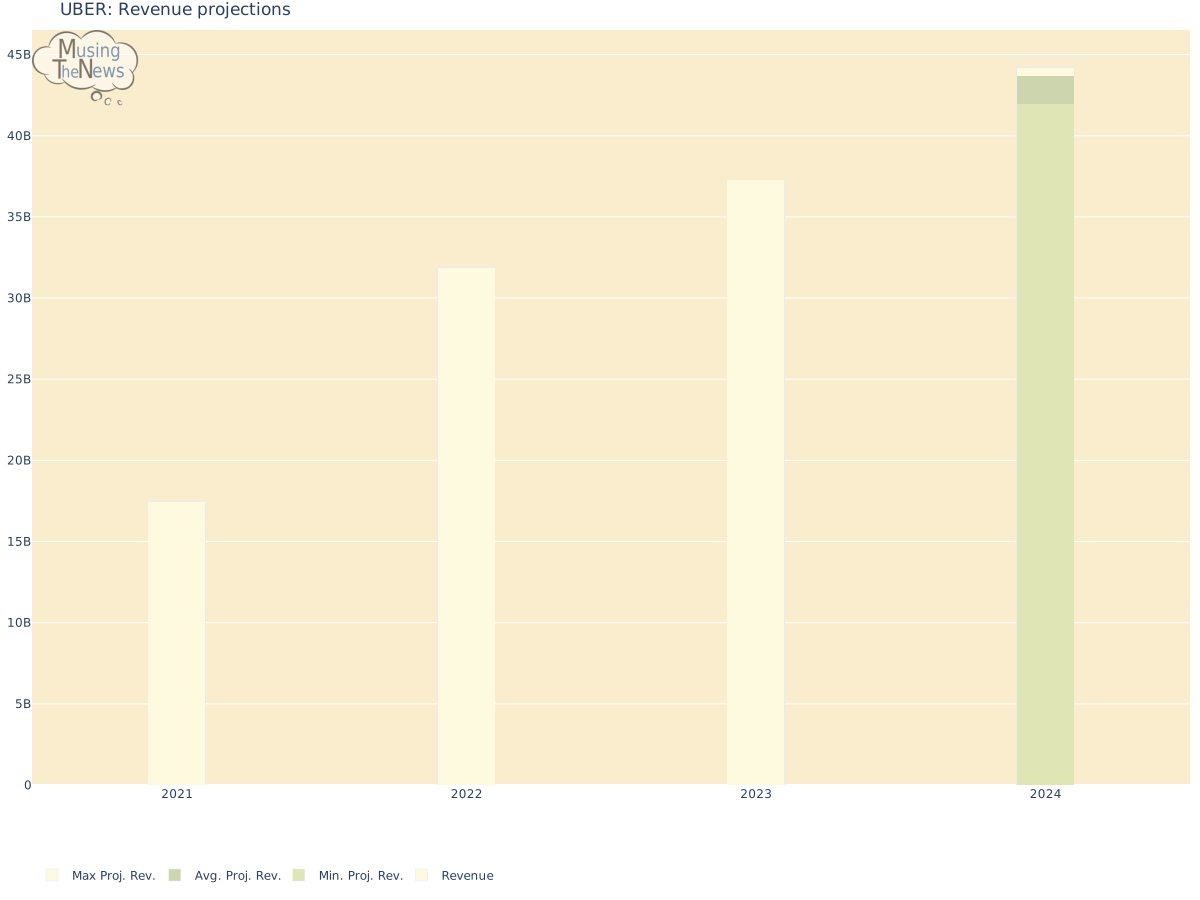
Revenue projections:
Financial Ratios:
| currentRatio | 0.843000 |
|---|---|
| forwardPE | 16.153416 |
| debtToEquity | 51.872000 |
| earningsGrowth | 0.855000 |
| revenueGrowth | 0.122000 |
| grossMargins | 0.407520 |
| operatingMargins | 0.133180 |
| trailingEps | 4.560000 |
| forwardEps | 4.412070 |
Uber Technologies, Inc.'s Forward PE is well-positioned, indicating the stock price is favorable compared to its earnings. This suggests the stock is not overpriced and offers room for growth, making it an attractive option for investors looking for future value appreciation.
Uber Technologies, Inc.'s positive earnings and revenue growth signal the company's business is on track for further expansion. These strong financial trends suggest that Uber Technologies, Inc. will continue to grow its operations, driven by increasing profits and revenue.
UBER's forward EPS is lower than its trailing EPS, indicating that the company is expected to be less profitable this year. This suggests a potential slowdown in financial performance.
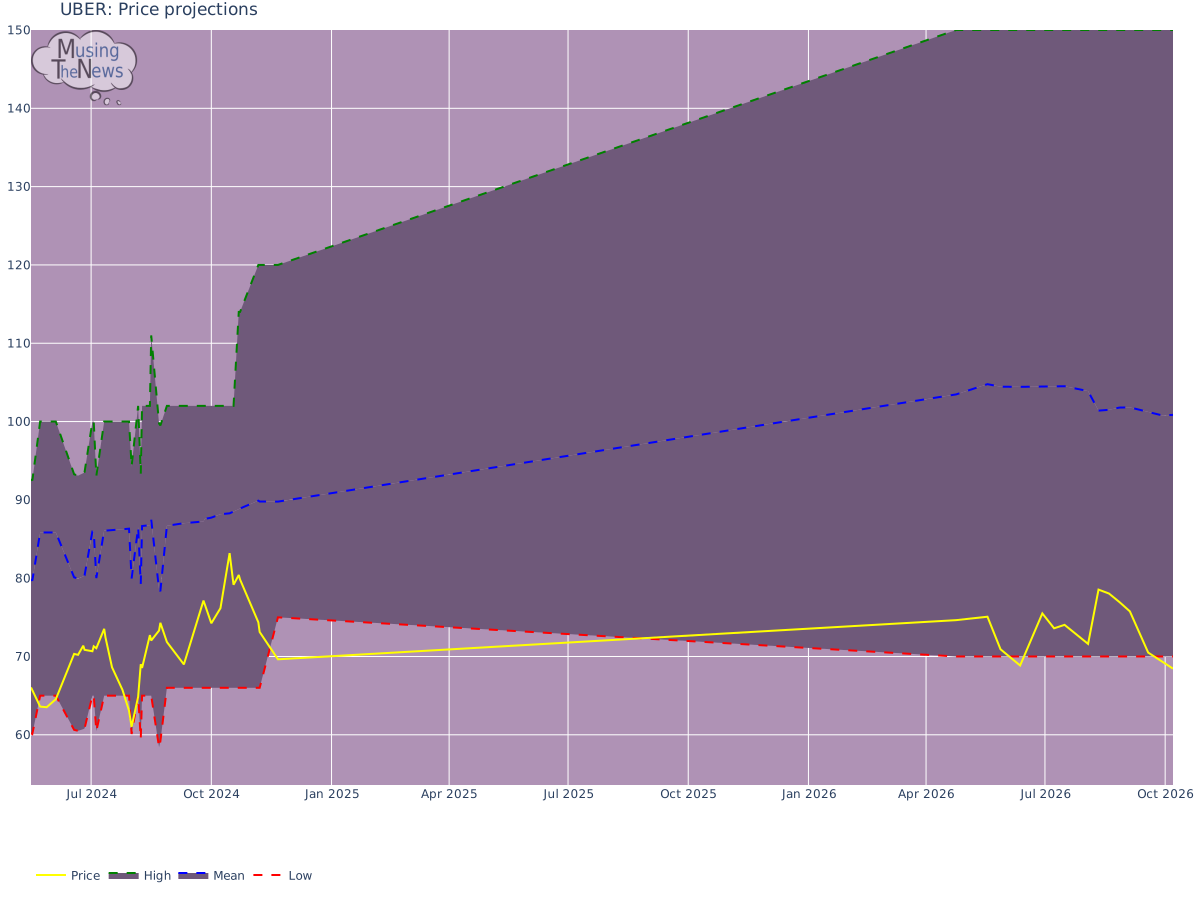
Price projections:
Insider Transactions:
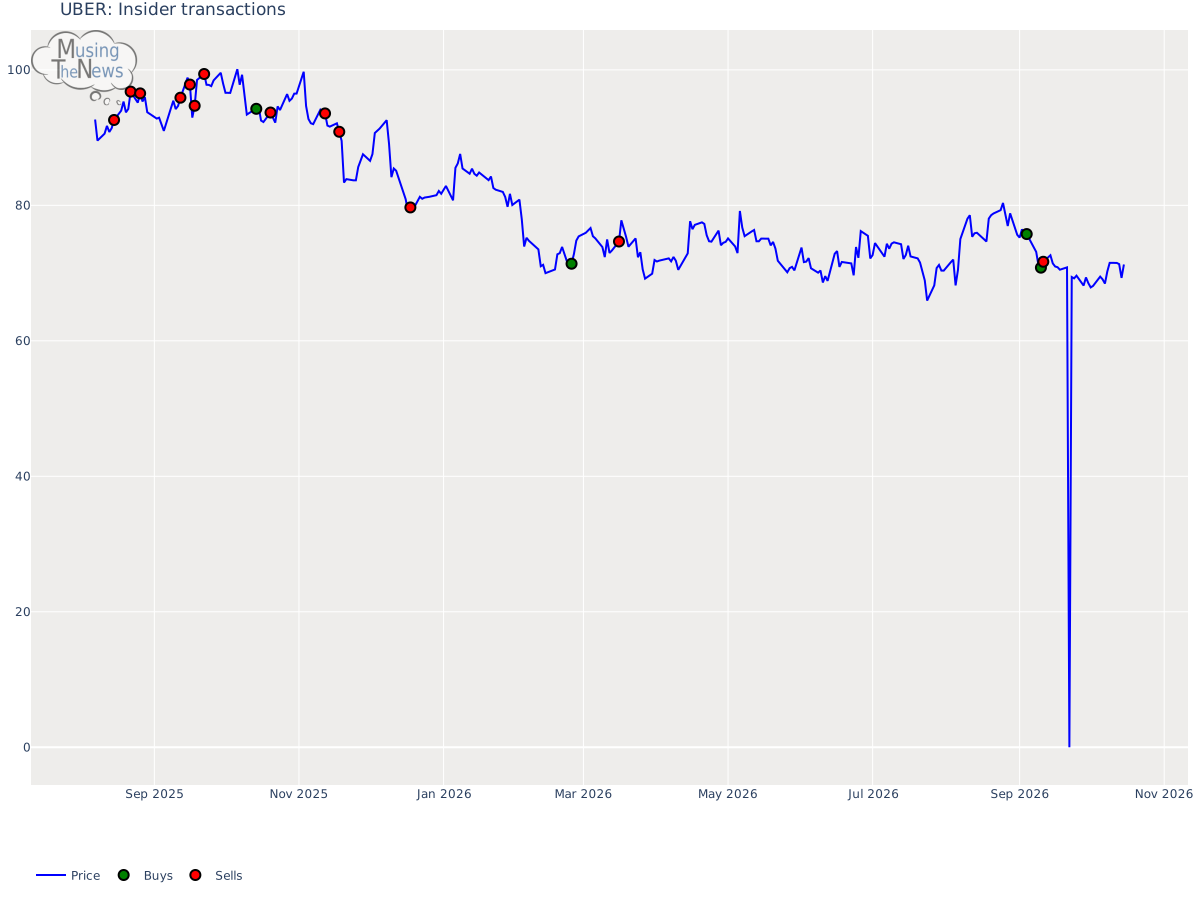
13 separate sales of UBER shares were executed, with the market price hovering at 90.60615363487831.UBER saw 4 transactions to buy shares, with a market price of 78.04750061035156.The trend of more buys than sells at UBER's current price levels suggests a possible bullish sentiment. This could indicate that investors are expecting a favorable outlook for the stock, prompting more buying activity.
Recommendation changes over time:
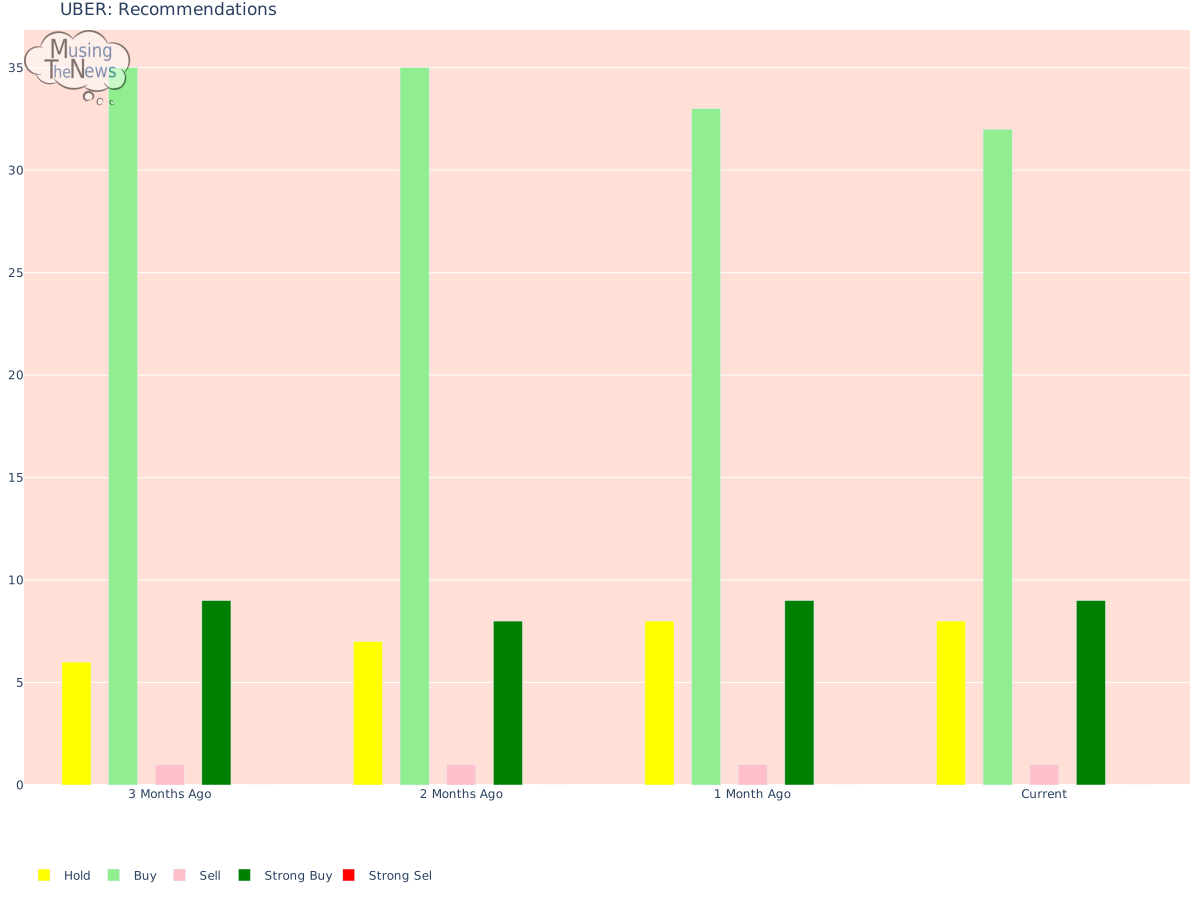
Analysts' recent buy bias toward UBER suggests the stock is gaining favor as a strong investment choice. This optimism could drive more investors to see UBER as a smart place to invest, further bolstering confidence in the company's long-term growth and potential returns.