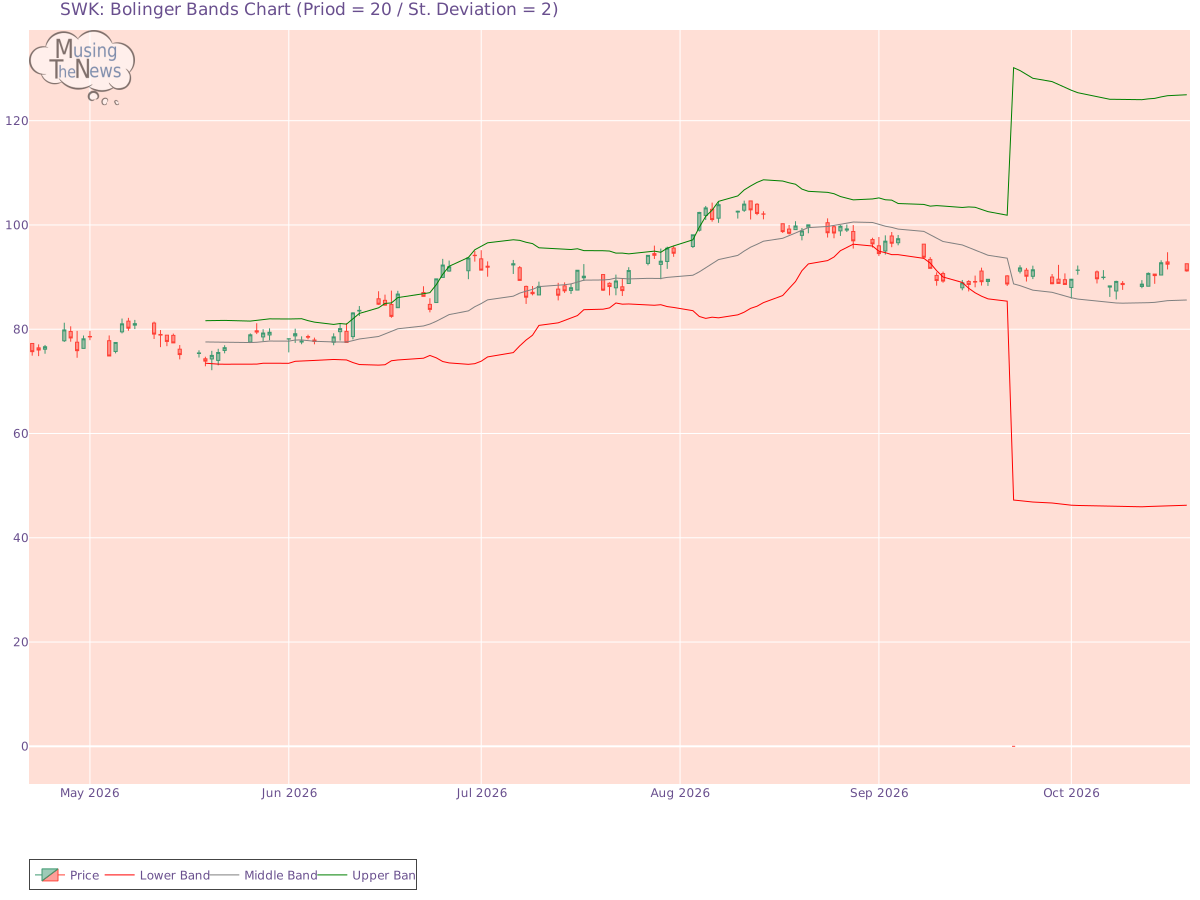
The current reading of the BOLL BANDS is neutral for SWK, with no clear signals for an upward or downward trend. This indicates that the market may be in a state of uncerta...
By MusingTheNews
Updated 2026-10-20 23:25:52
Overall Technical outlook
Price Summary
Stanley Black & Decker, Inc.'s stock opened at 92.56 on 2026-10-19, surged to a high of 92.56, hit a low of 91.03, and closed up -1.48% at 91.19, with 991200 shares traded. For the 52-week period, the stock's highest price is 104.0, and the lowest price is 0.0.
Technicals
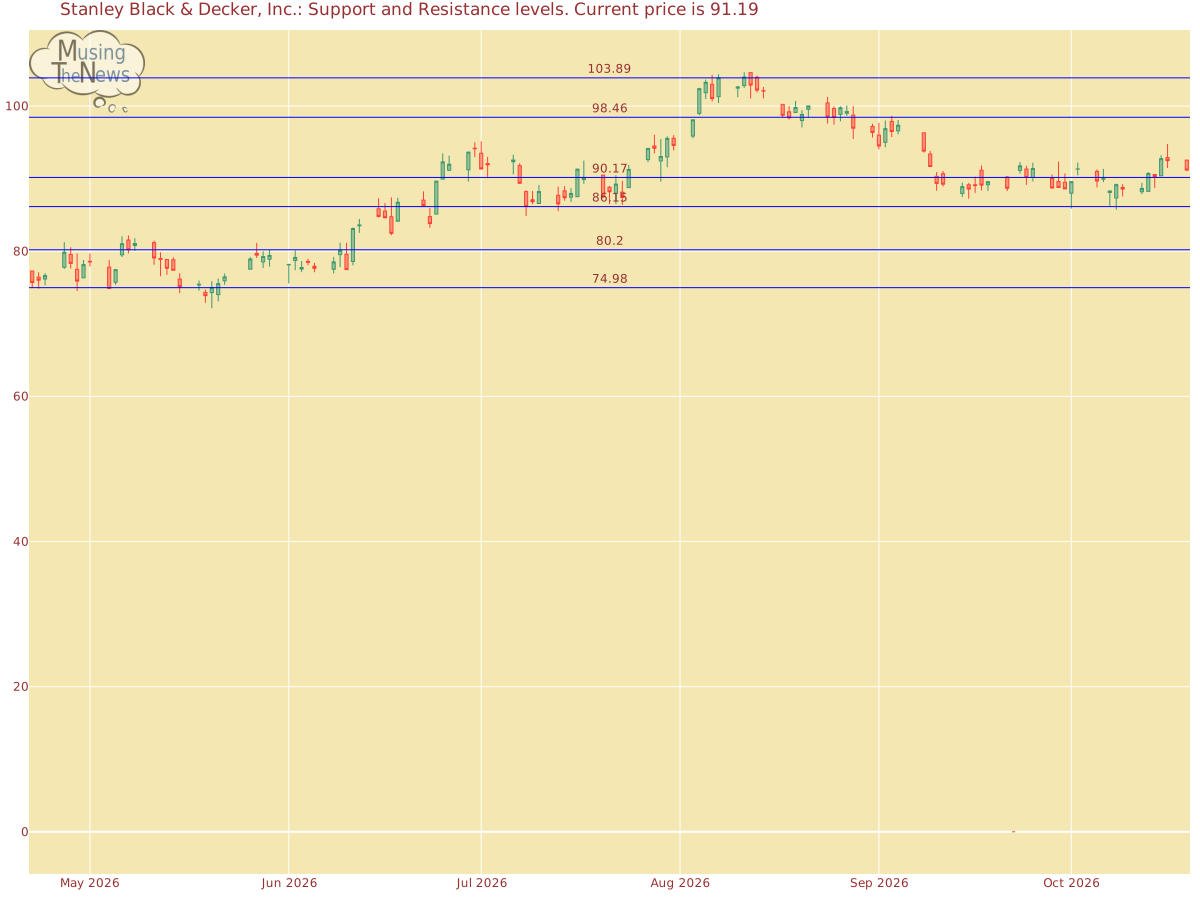
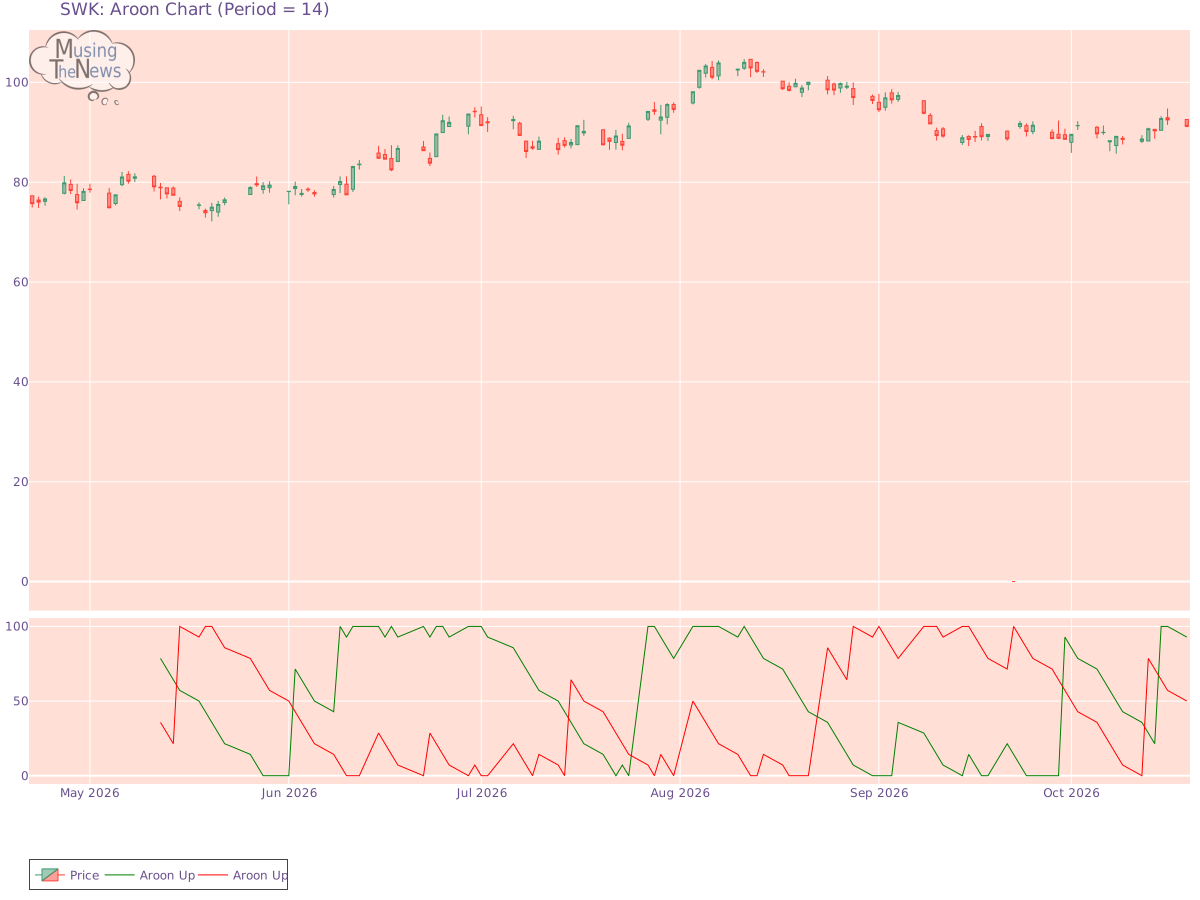
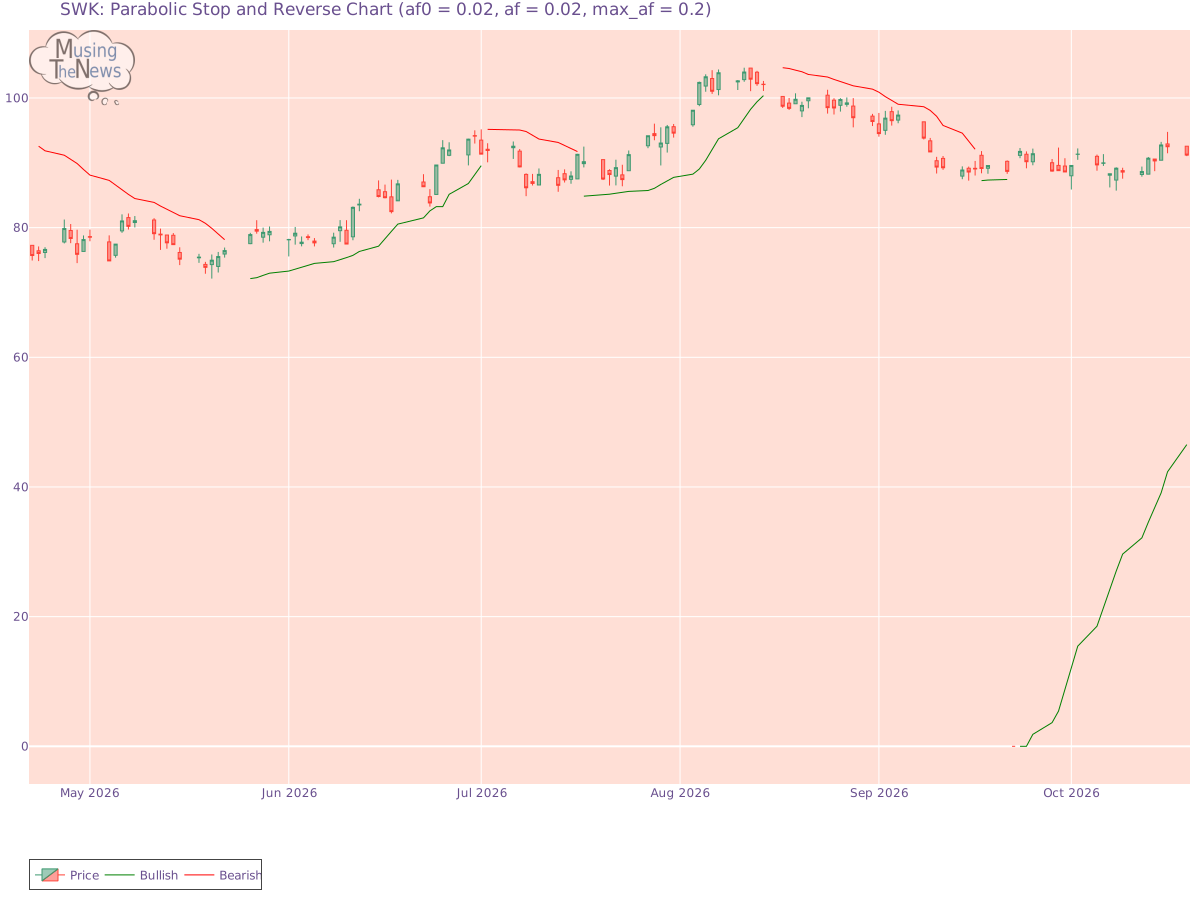
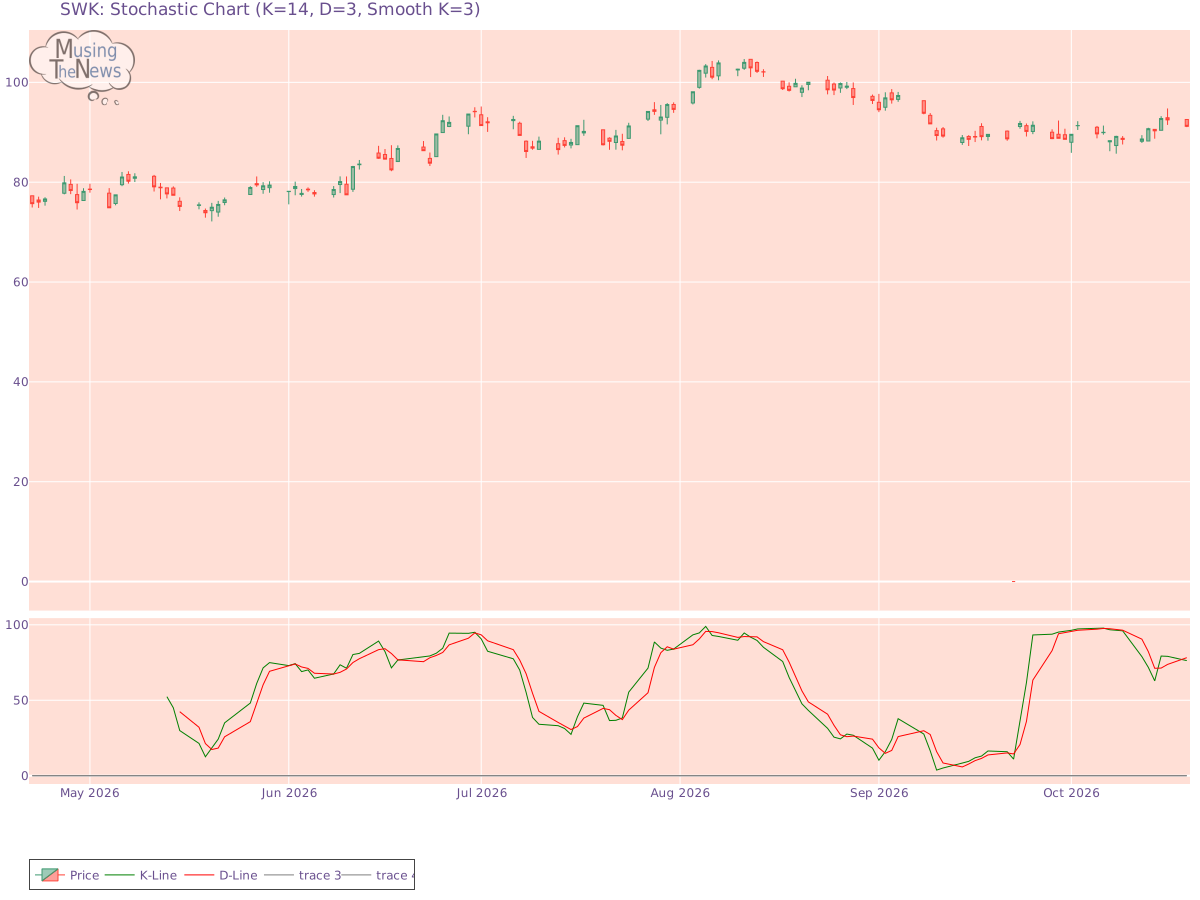
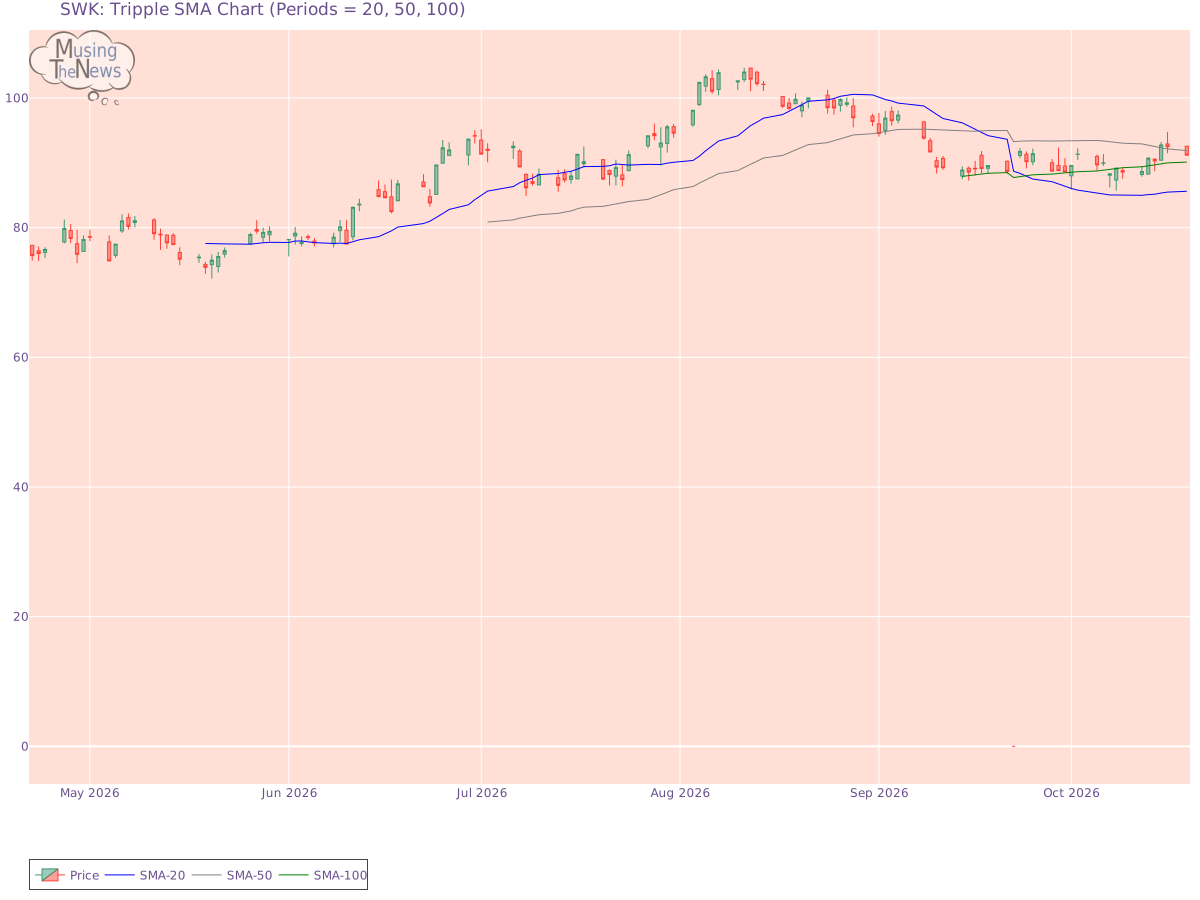
Support and Resistance: At 91.19, the price for SWK is supported at 90.17 and resisted at 98.46. This indicates a trading range where 90.17 serves as a support level, potentially preventing further decline, while 98.46 could limit upward movement.Support/Resistance for SWKAroon: The AROON is showing a neutral stance, not indicating a clear upward or downward trend for Stanley Black & Decker, Inc.. This suggests a period of market balance, where neither side is showing dominance.Aroon chart for Stanley Black & Decker, Inc.Bol. Bands: The current reading of the BOLL BANDS is neutral for SWK, with no clear signals for an upward or downward trend. This indicates that the market may be in a state of uncertainty, with no dominant force driving the direction.Bolinger Bands chart for Stanley Black & Decker, Inc.Parabolic SAR: The PSAR remains bullish, establishing a key support level that could help uphold the market's upward trajectory. This persistent bullish outlook suggests that the market may continue to rise, with the support providing a foundation for further gains.Parabolic Stop and Reverse chart for Stanley Black & Decker, Inc.Stochastic: The STOCHASTIC is in a neutral stance, with no clear signals for movement up or down. This neutral position indicates a potential period of consolidation or uncertainty in the market.Stochastic chart for Stanley Black & Decker, Inc.Tripple Moving Agerage: The Tripple MOVING AVG is currently in a neutral position, offering no clear indication of movement up or down. This suggests that the market may be experiencing a period of equilibrium, with no strong trend in play.Tripple SMA chart for Stanley Black & Decker, Inc. When evaluating a company's technical indicators like price trends and trading volume, it's important to also assess its fundamentals. Key factors include the company's profitability, growth rate, and financial stability. Furthermore, considering the industry within which the company operates provides additional context, as factors like competition and market demand can affect performance. By combining this analysis, you can make more informed judgments about the company's future prospects.