Fundamentals for Stanley Black & Decker, Inc.
SWK has been receiving a buy bias from analysts, signaling strong confidence in the stock's future performance. This positive outlook might drive investors to view SWK as a...






Business Operations:
Sector: IndustrialsIndustry: Tools & Accessories
Stanley Black & Decker, Inc. provides hand tools, power tools, outdoor products, and related accessories in the United States, Canada, Other Americas, Europe, and Asia. Its Tools & Outdoor segment offers professional grade corded and cordless electric power tools and equipment, including drills, impact wrenches and drivers, grinders, saws, routers, concrete prep and placement tools, and sanders; pneumatic tools and fasteners, such as nail guns, nails, staplers and staples, and concrete and masonry anchors; corded and cordless electric power tools; household power tools, hand-held vacuums, and small appliances; leveling and layout tools, planes, hammers, demolition tools, clamps, vises, knives, saws, chisels, and industrial and automotive tools; drill, screwdriver, router bits, abrasives, saw blades, and threading products; tool boxes, sawhorses, medical cabinets, and engineered storage solutions; and electric and gas-powered lawn and garden products. This segment sells its products under the DEWALT, CRAFTSMAN, STANLEY, CUB ADET, BLACK+DECKER, and HUSTLER brands through retailers, third-party distributors, independent dealers, and a direct sales force. Its Industrial segment provides threaded fasteners, blind rivets and tools, blind inserts and tools, drawn arc weld studs and systems, engineered plastic and mechanical fasteners, self-piercing riveting systems, precision nut running systems, micro fasteners, high-strength structural fasteners, axel swage, latches, heat shields, pins, couplings, fitting, and other engineered products. This segment sells its products through direct sales force and third-party distributors to the automotive, manufacturing, electronics, construction, aerospace, and other industries. The company was formerly known as The Stanley Works and changed its name to Stanley Black & Decker, Inc. in March 2010. The company was founded in 1843 and is headquartered in New Britain, Connecticut.
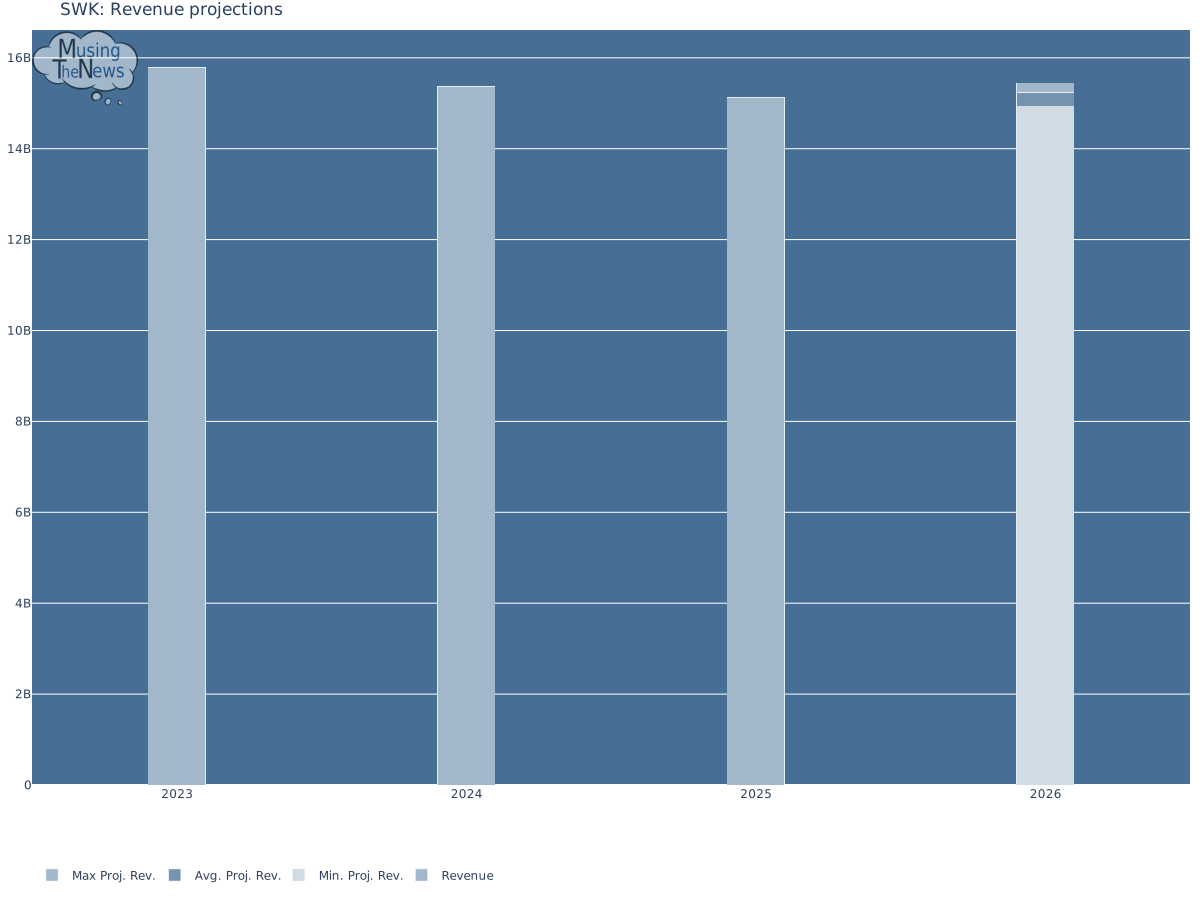
Revenue projections:
Financial Ratios:
| currentRatio | 1.432000 |
|---|---|
| forwardPE | 14.718741 |
| debtToEquity | 58.172000 |
| earningsGrowth | 2.478000 |
| revenueGrowth | 0.004000 |
| grossMargins | 0.322130 |
| operatingMargins | 0.084430 |
| trailingEps | 4.180000 |
| forwardEps | 6.301490 |
SWK's current ratio of 1.432 shows that the company has ample resources to service its short-term debt. This indicates a solid financial position, as SWK can rely on its cash reserves and current assets to cover its immediate liabilities without strain.
SWK's Forward PE is positioned well, reflecting a favorable balance between stock price and earnings. The stock isn't overpriced, offering room for growth and making it a potentially rewarding investment as its value has room to rise further.
Stanley Black & Decker, Inc.'s forward EPS being higher than its trailing EPS indicates that the company is expected to achieve greater profitability this financial year. This suggests improving earnings and a stronger financial position compared to the previous year's performance.
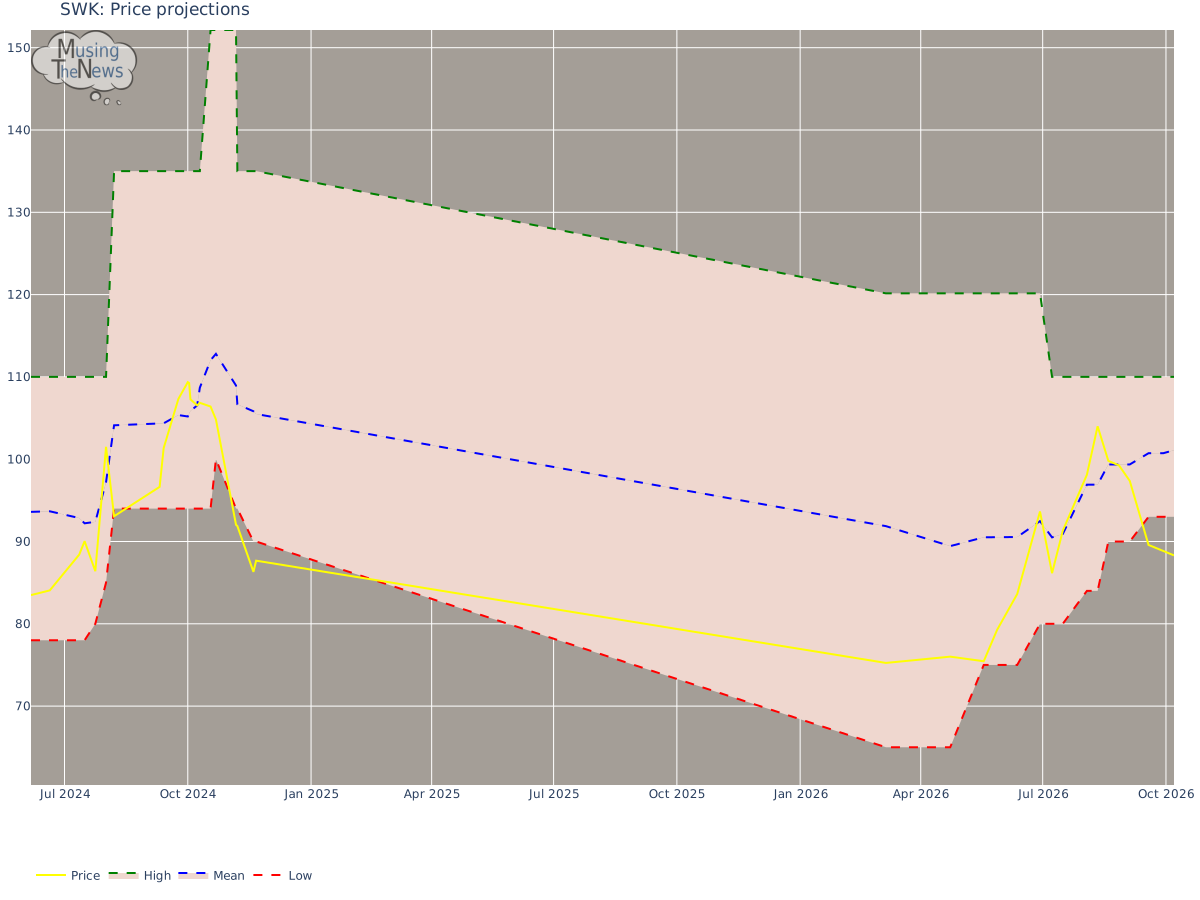
Price projections:
Insider Transactions:
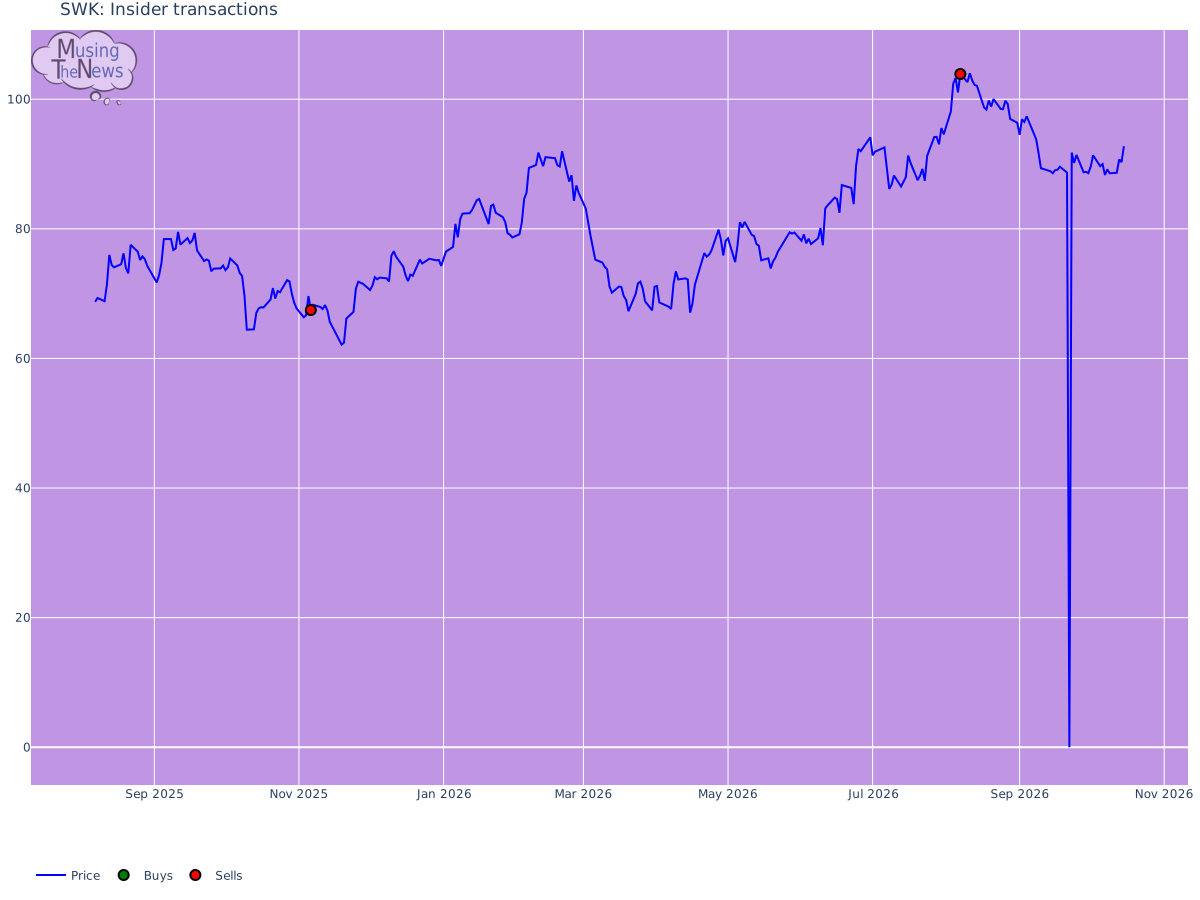
Stanley Black & Decker, Inc. had 2 sell transactions, while the market price was at 85.68000030517578 per share.No sell transactions were completed during the period under review.The recent buying activity at current SWK price levels exceeds selling, suggesting a potential positive outlook. Investors may see this trend as an indicator that the stock is likely to perform well, reflecting growing confidence.
Recommendation changes over time:
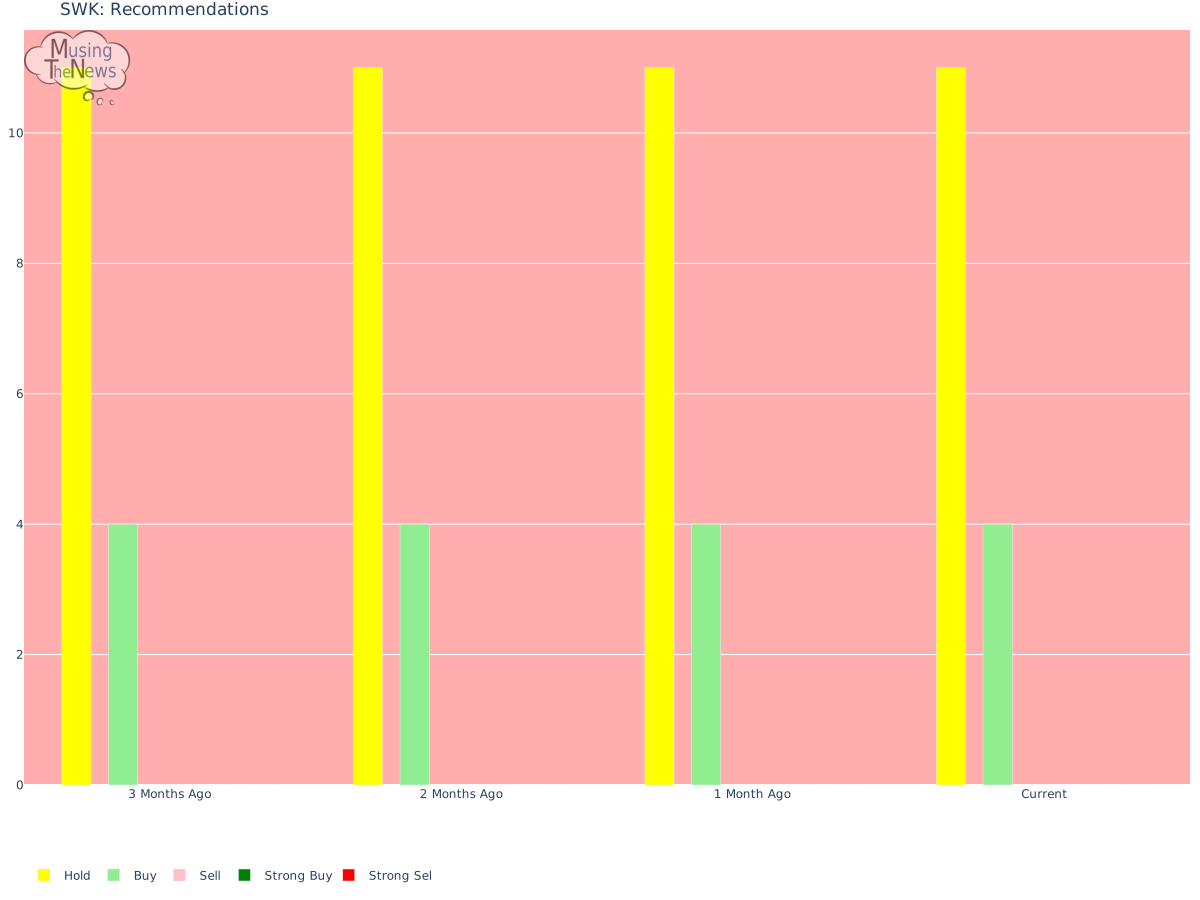
SWK has been receiving a buy bias from analysts, signaling strong confidence in the stock's future performance. This positive outlook might drive investors to view SWK as an attractive option for their portfolios, positioning the company as a stable and profitable investment choice.