The AROON is showing a neutral stance, not indicating a clear upward or downward trend for The Southern Company. This suggests a period of market balance, where neither sid...
By MusingTheNews
Updated 2026-10-20 23:25:51
Overall Technical outlook
Price Summary
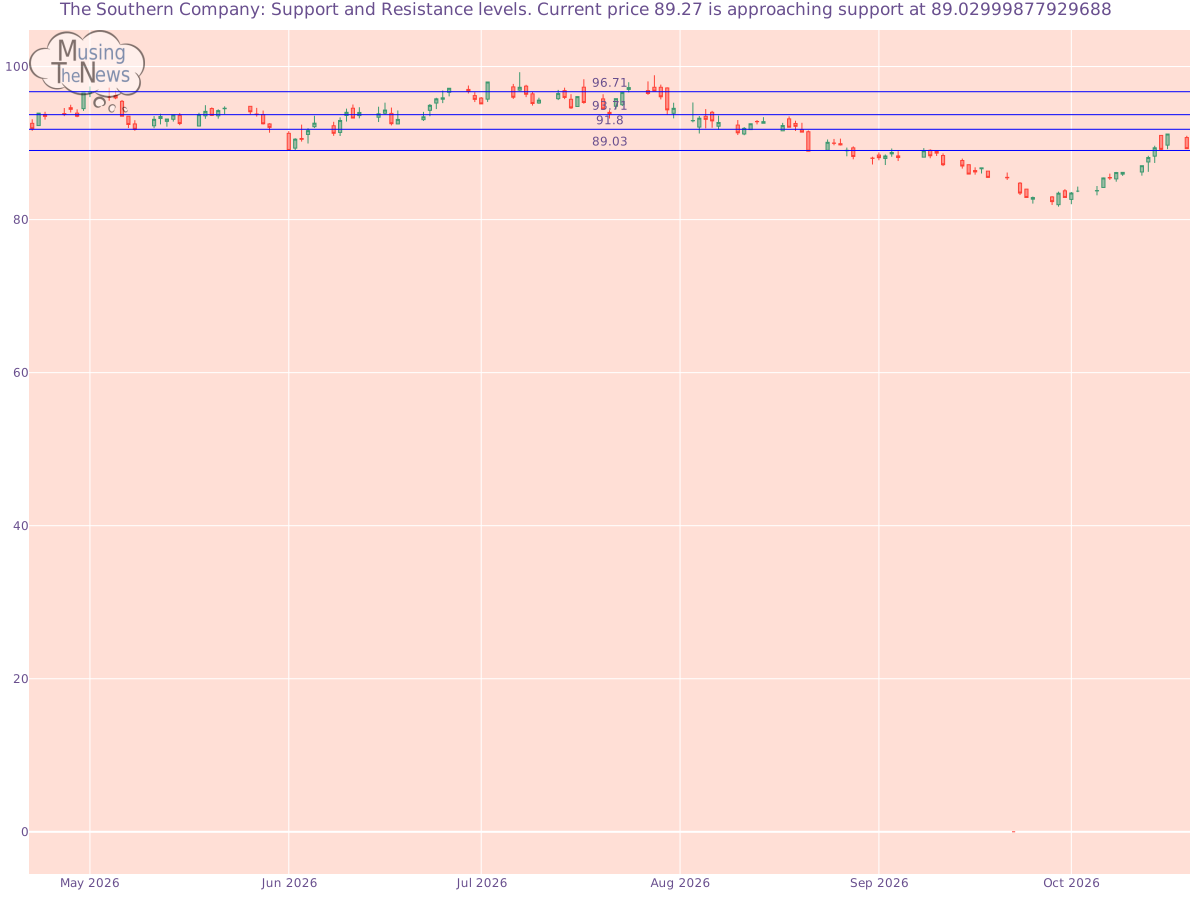
On 2026-10-19, The Southern Company's stock started at 90.72, soared to 90.95, dropped to 89.25, and finished the day -1.6% down at 89.27, with a trading volume of 5207200 shares. The stock reached its highest price of 99.11 and its lowest price of 0.0 during the 52-week period.
Technicals
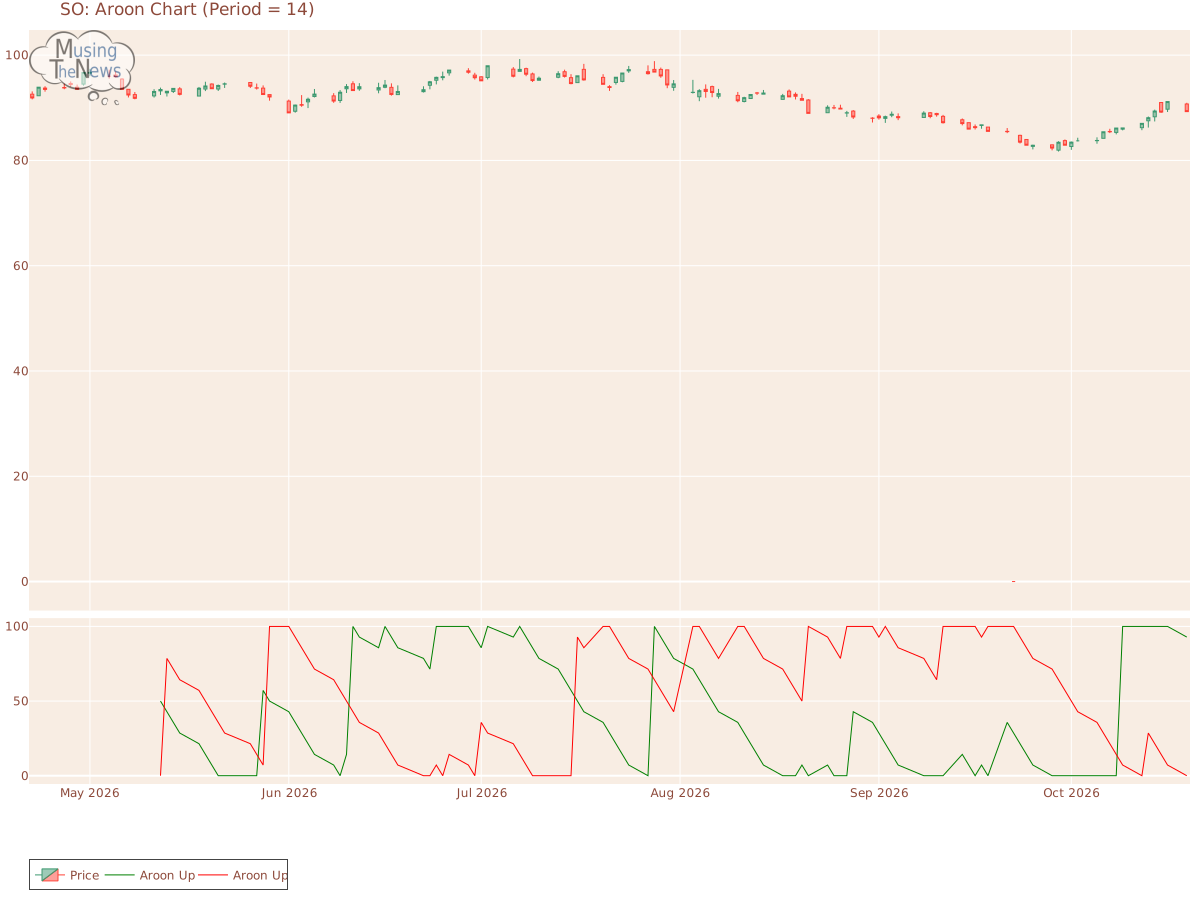
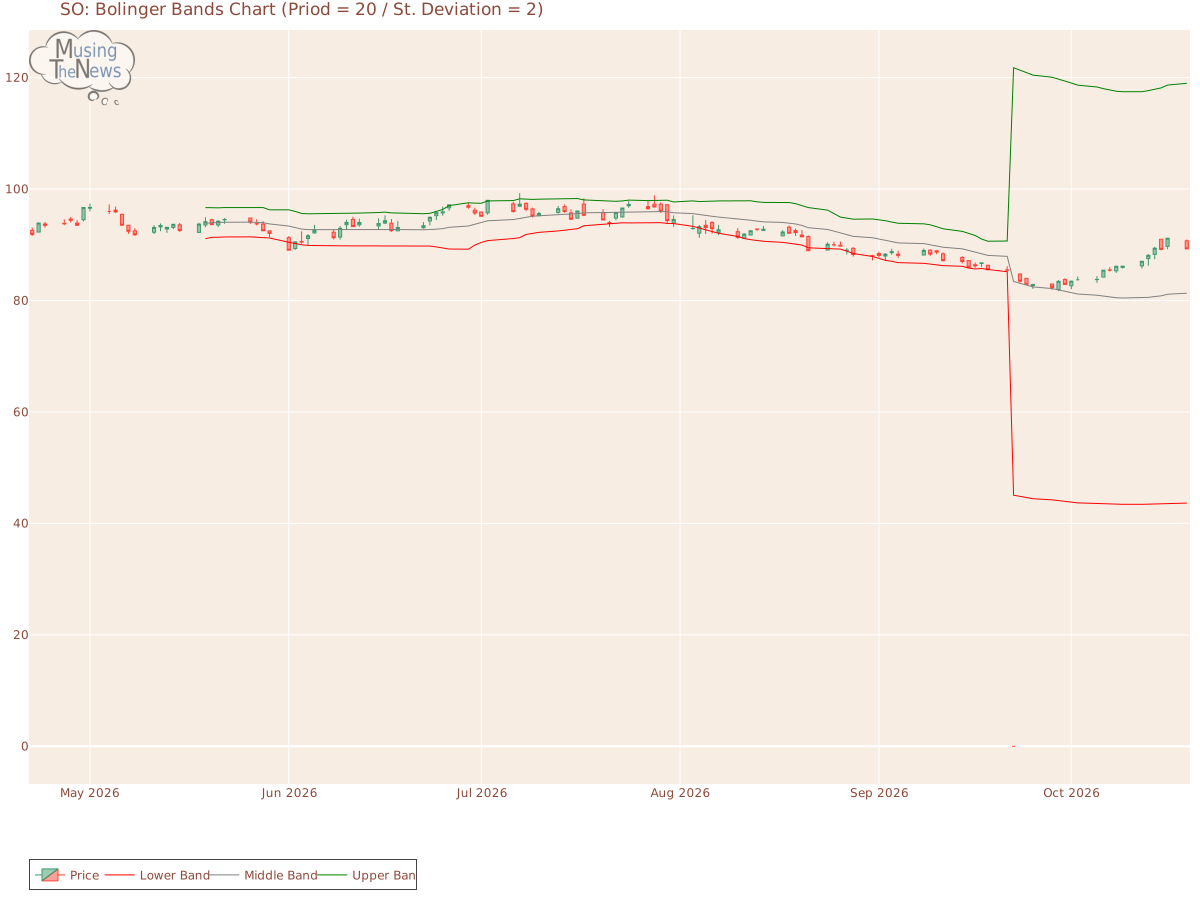
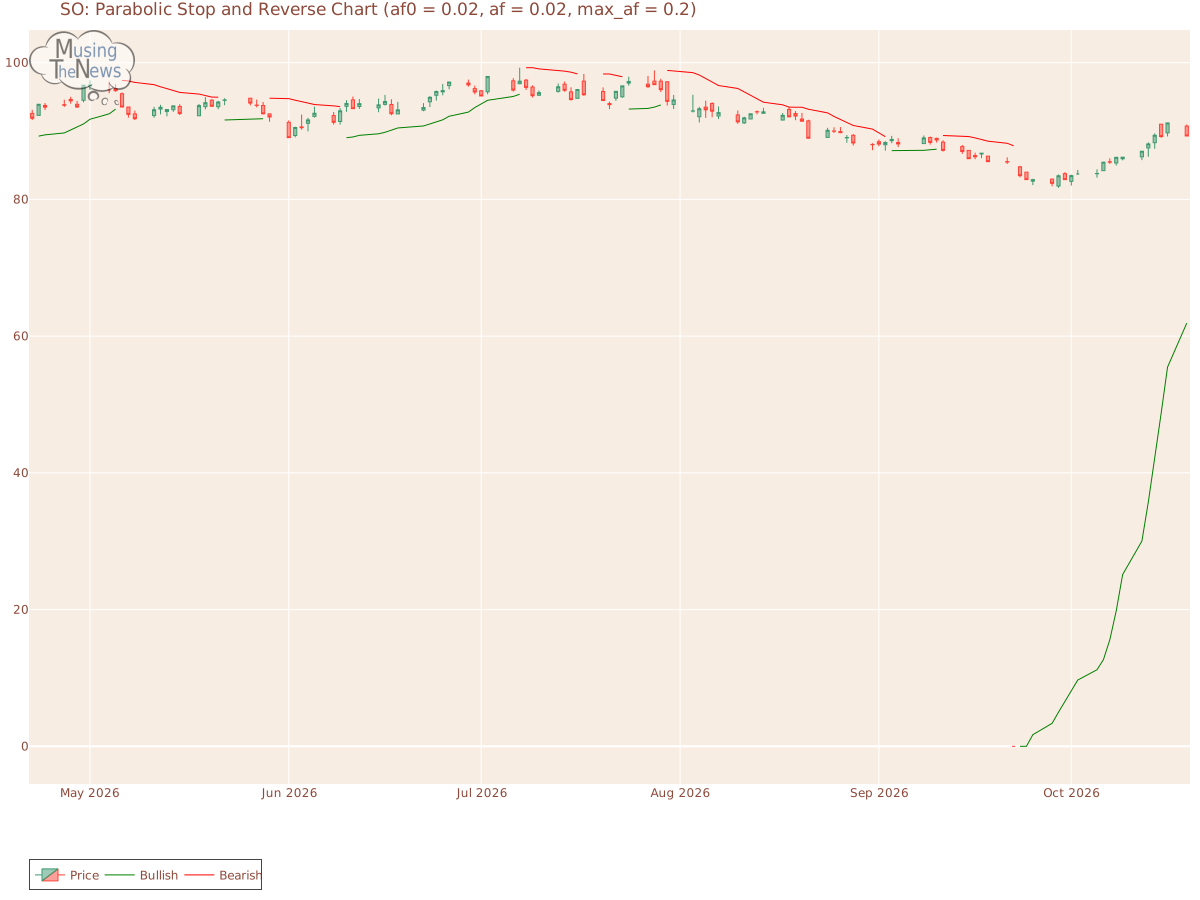
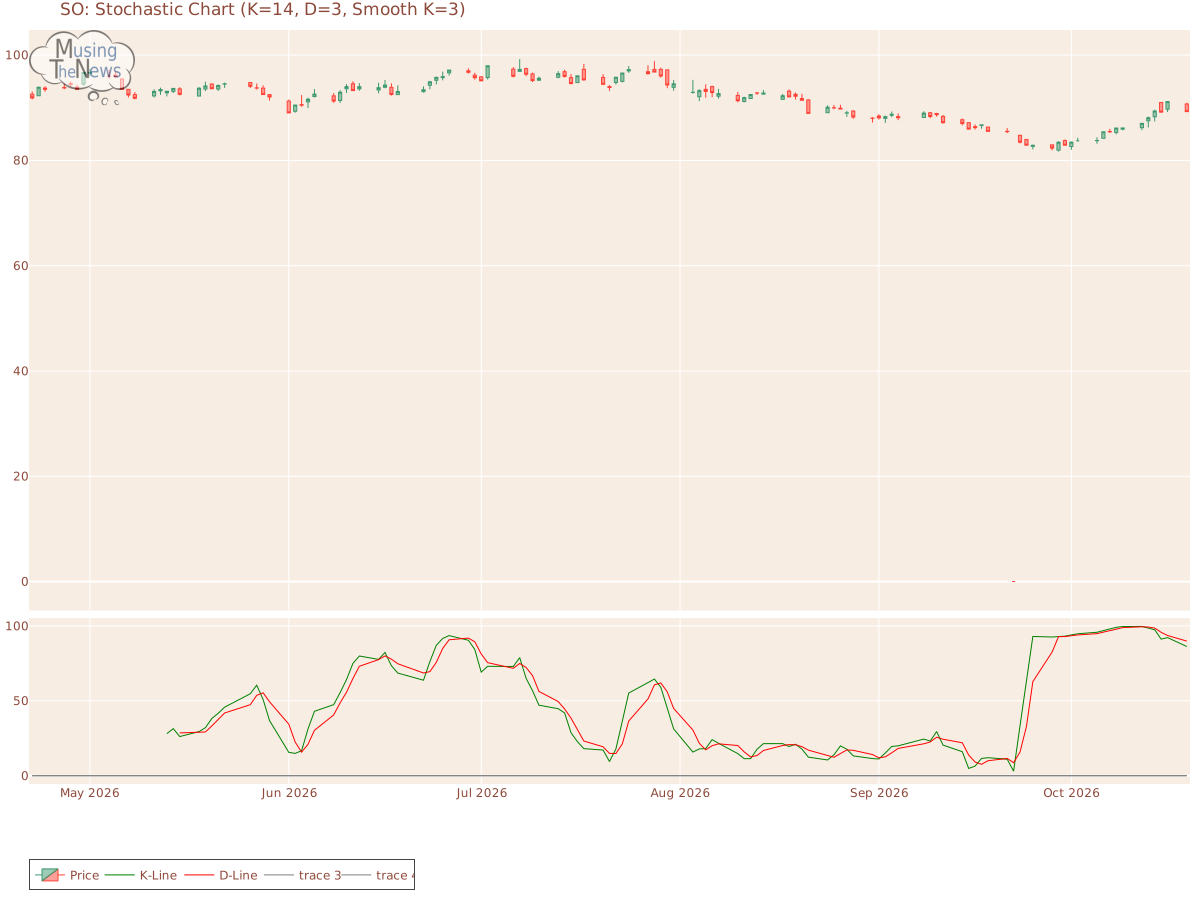
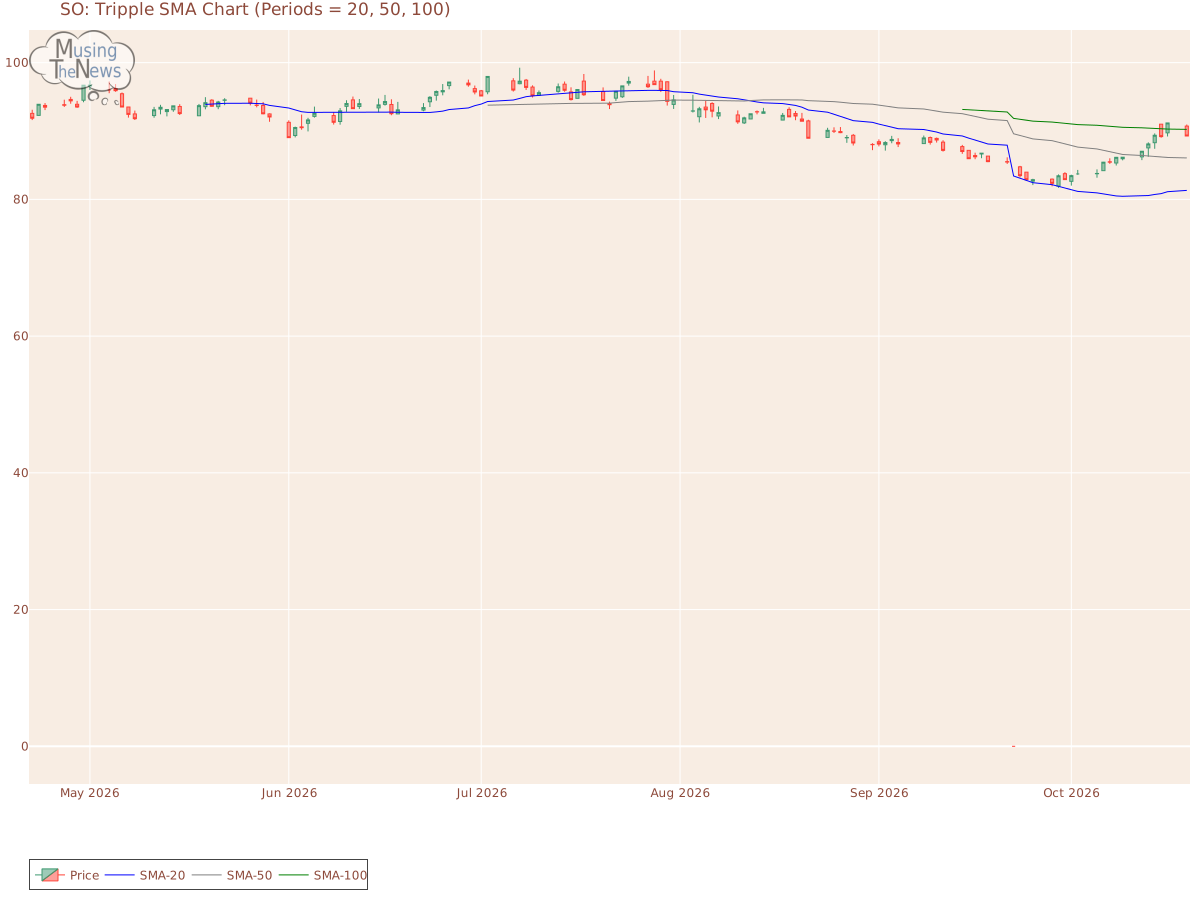
Support and Resistance: The price sits at 89.27, supported by 89.03 and resisted by 91.8. This indicates a trading range where 89.03 provides a floor, preventing declines, and 91.8 acts as a ceiling, limiting further price increases for SO.Support/Resistance for SOAroon: The AROON is showing a neutral stance, not indicating a clear upward or downward trend for The Southern Company. This suggests a period of market balance, where neither side is showing dominance.Aroon chart for The Southern CompanyBol. Bands: The BOLL BANDS is in a neutral stance, with no clear signals for movement up or down. This neutral position indicates a potential period of consolidation or uncertainty in the market.Bolinger Bands chart for The Southern CompanyParabolic SAR: The PSAR for SO continues to be bullish, establishing a crucial support level that may help maintain the current upward trend. This level of support suggests that the market is poised to continue its positive trajectory, offering a foundation for further growth.Parabolic Stop and Reverse chart for The Southern CompanyStochastic: The stochastic indicator shows the K-line dropping below the D-line but staying above 80, indicating the possible start of a bearish price move. This setup may signal that the market's recent momentum is waning, which could result in a downturn. Traders should remain vigilant for additional signs of weakness for The Southern Company.Stochastic chart for The Southern CompanyTripple Moving Agerage: The Tripple MOVING AVG is in a neutral stance, with no clear signals for movement up or down. This neutral position indicates a potential period of consolidation or uncertainty in the market.Tripple SMA chart for The Southern Company To properly assess the technical data of a company, it's important to first look at its fundamentals, such as its earnings, growth potential, and management effectiveness. Equally, understanding the industry trends, competition, and external economic factors that influence the company is vital. This holistic view helps draw meaningful conclusions about the company's technical performance, allowing investors to better gauge its stock price behavior, volatility, and market trends.