Fundamentals for The Southern Company
With a forward EPS greater than its trailing EPS, SO is expected to see higher profitability this year. The forecasted increase in earnings reflects optimism about the comp...






Business Operations:
Sector: UtilitiesIndustry: Utilities - Regulated Electric
The Southern Company, through its subsidiaries, engages in the sale of electricity. The company offers electric service to retail customers and wholesale customers; and energy-related products and services to natural gas choice markets. It also develops, constructs, acquires, owns, operates, and manages power generation assets, as well as battery energy storage projects; sells electricity at market-based rates in the wholesale market; and deploys microgrids for commercial, industrial, governmental, and utility customers. In addition, the company is involved in the distribution of natural gas in Illinois, Georgia, Virginia, and Tennessee; distributes energy and resilience solutions; and invests in telecommunications. The Southern Company was incorporated in 1945 and is headquartered in Atlanta, Georgia.
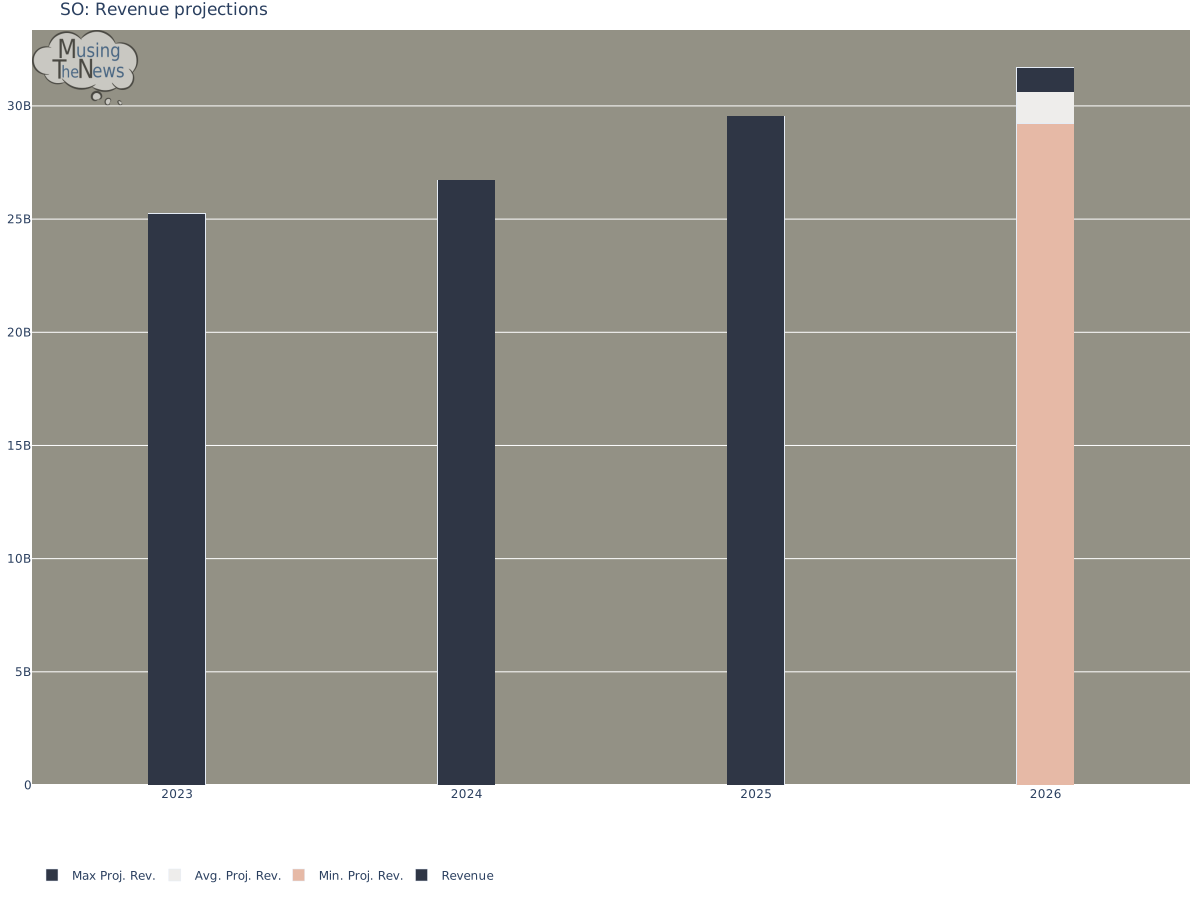
Revenue projections:
Financial Ratios:
| currentRatio | 0.787000 |
|---|---|
| forwardPE | 18.114529 |
| debtToEquity | 182.058000 |
| earningsGrowth | 0.304000 |
| revenueGrowth | 0.001000 |
| grossMargins | 0.482890 |
| operatingMargins | 0.296120 |
| trailingEps | 4.200000 |
| forwardEps | 4.923120 |
SO's Forward PE is positioned well, reflecting a favorable balance between stock price and earnings. The stock isn't overpriced, offering room for growth and making it a potentially rewarding investment as its value has room to rise further.
The Southern Company's high debt-to-equity ratio reveals that the company is heavily reliant on debt for financing. This high level of leverage increases the risk of financial strain if profits decline or interest rates rise.
With positive gross and operating margins, SO demonstrates strong profitability. This reflects the company's ability to manage costs and maintain healthy profits, showcasing effective operational efficiency and financial stability.
With a forward EPS greater than its trailing EPS, SO is expected to see higher profitability this year. The forecasted increase in earnings reflects optimism about the company's financial growth and potential for improved performance over the prior year.
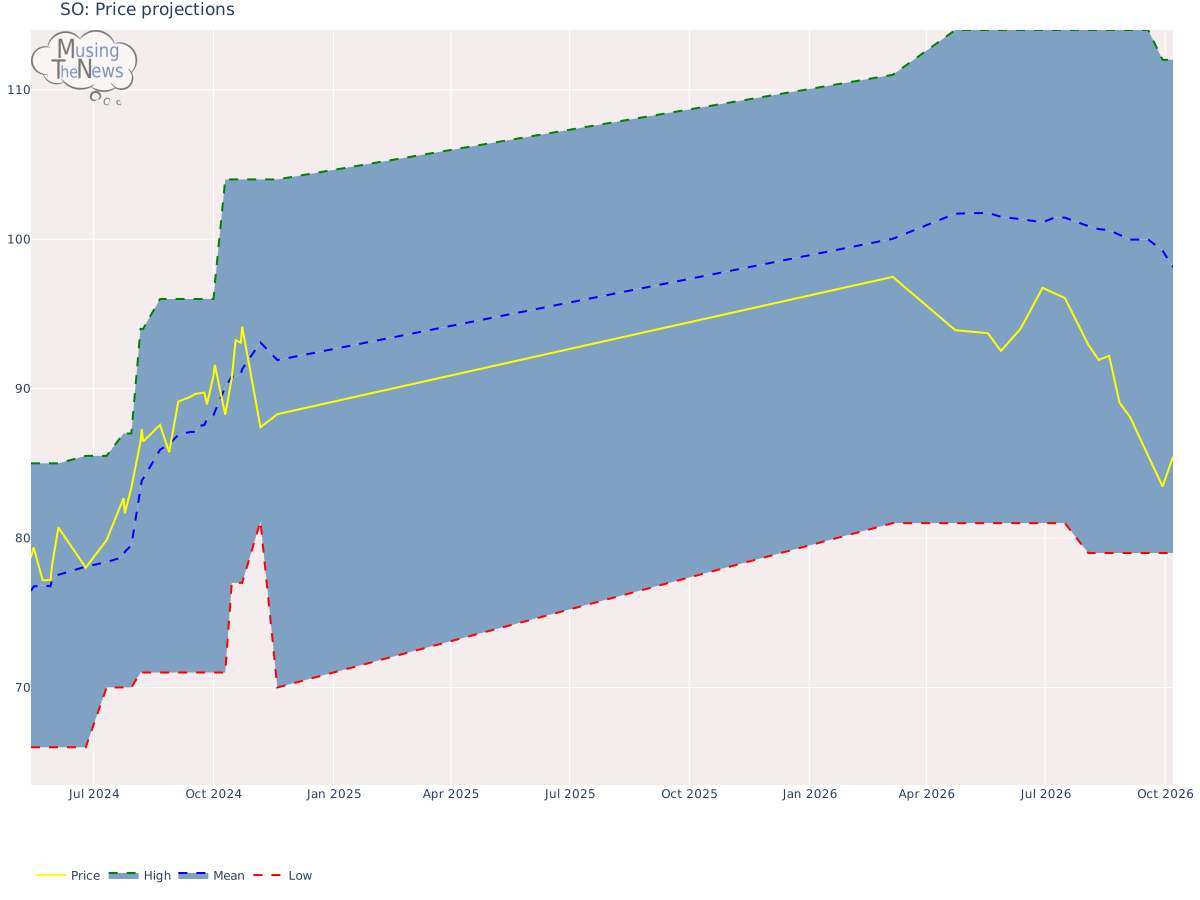
Price projections:
Insider Transactions:
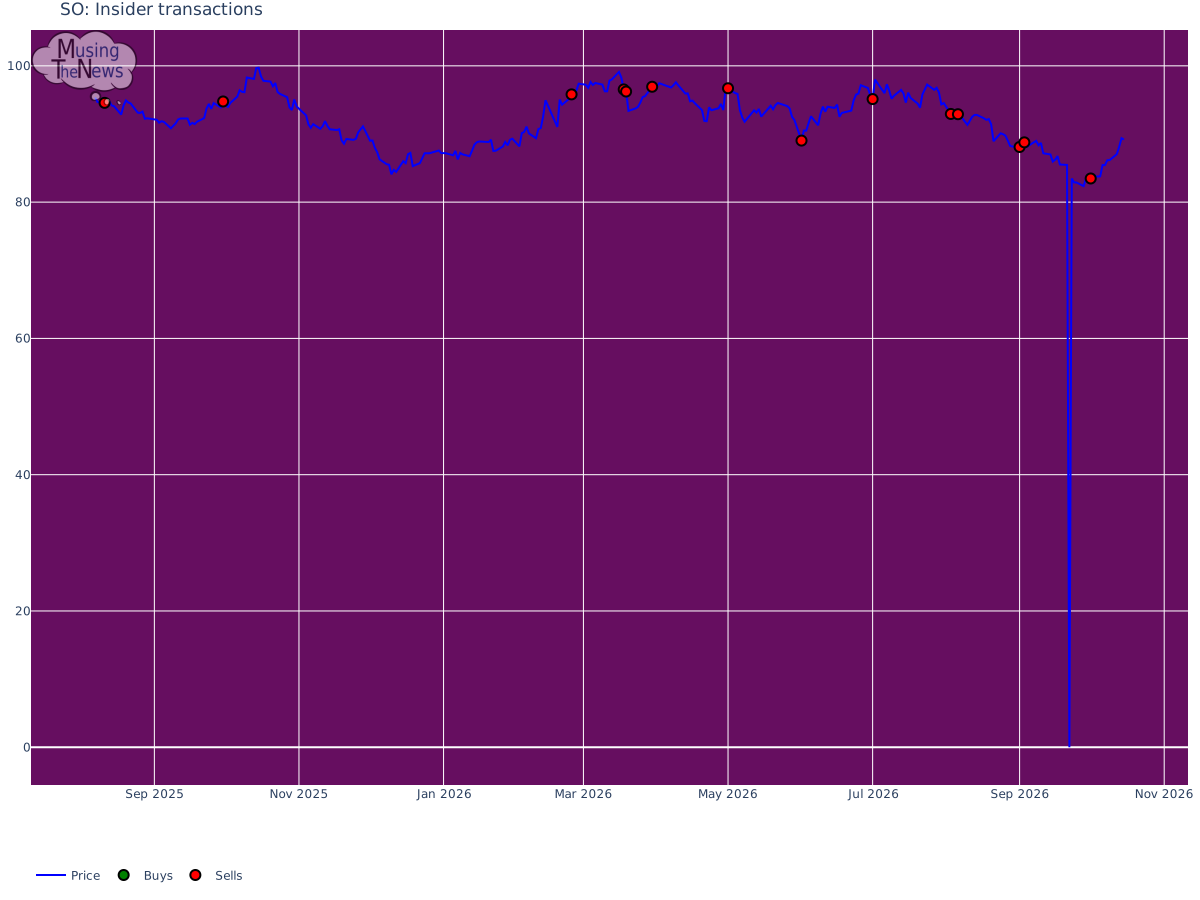
14 SO sales were executed, with market price at 92.99142837524414.No sell transactions were carried out during the period under review.The trend of more buys compared to sells around The Southern Company's current price levels may signal investor optimism. This behavior suggests that the market is expecting a favorable outcome for the stock, leading to increased buying activity.
Recommendation changes over time:
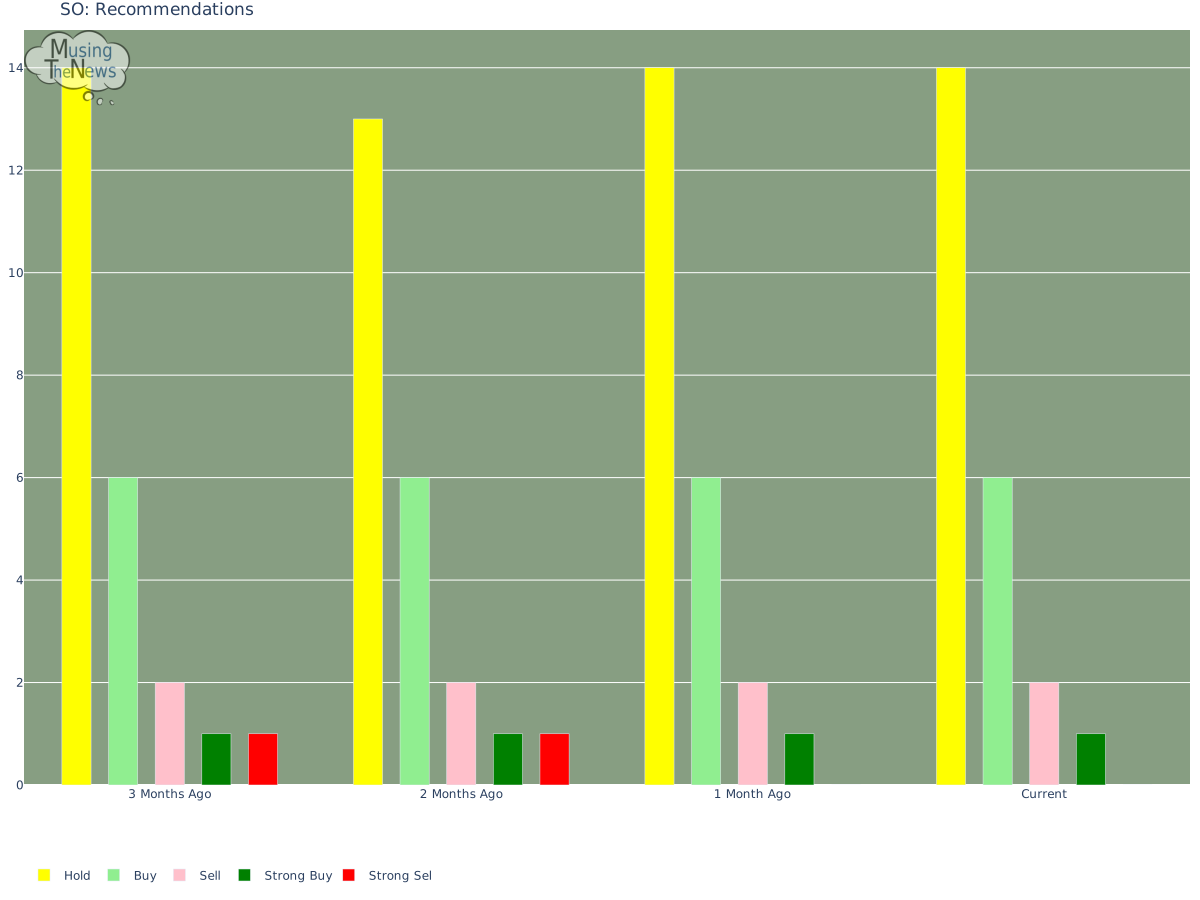
SO has garnered a buy bias from analysts recently, suggesting the stock is a good investment opportunity. This may lead to increased investor interest, as SO is seen as a reliable place to park money for those looking to benefit from potential market gains and company growth.