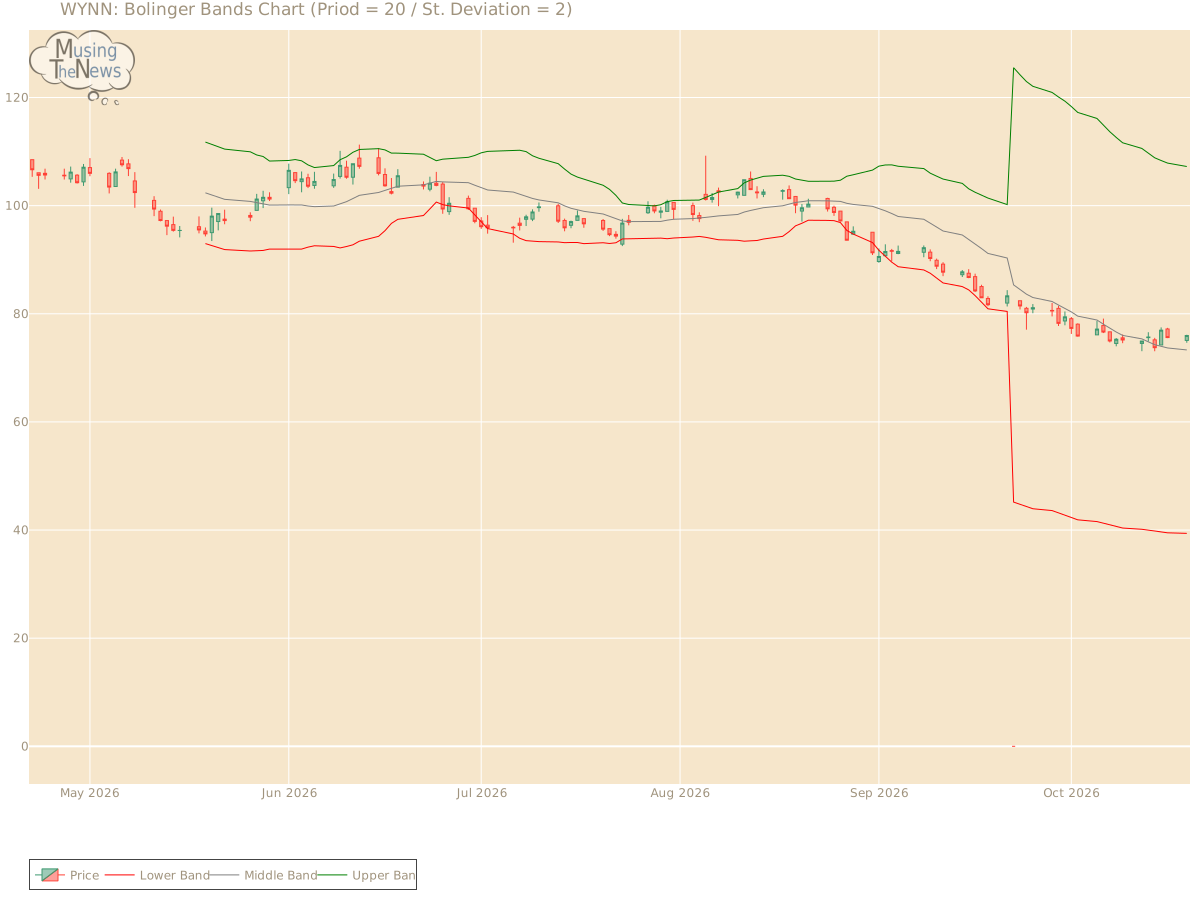
The current reading of the BOLL BANDS is neutral, offering no clear signals for a movement in either direction. This suggests that the market may be in a holding pattern, w...
By MusingTheNews
Updated 2026-10-20 23:26:04
Overall Technical outlook
Price Summary
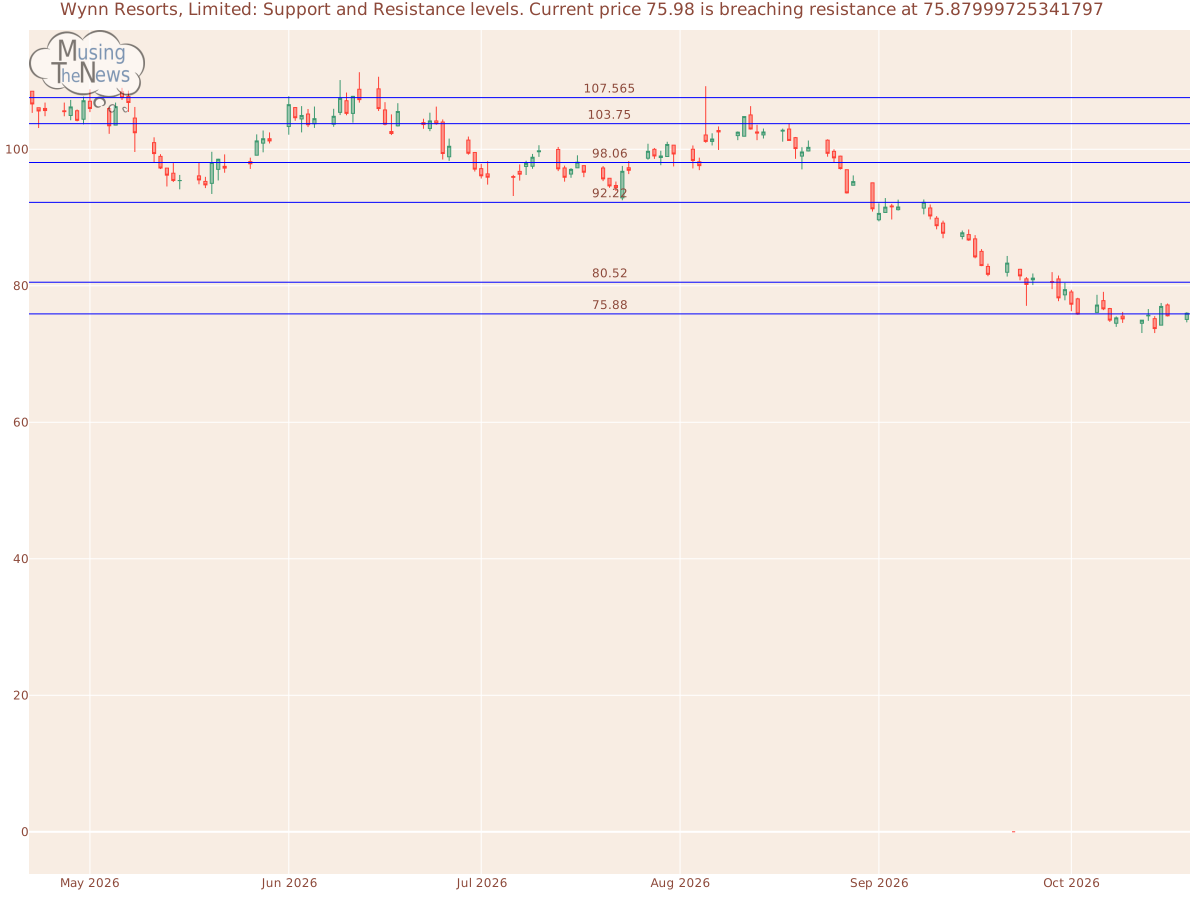
2026-10-19, saw WYNN's stock open at 75.07, hit a peak of 76.12, fall to a low of 74.64, and close higher 1.21% at 75.98, with 1934200 shares changing hands. Over the previous 52 weeks, the stock reached a high of 133.09 and a low of 0.0.
Technicals
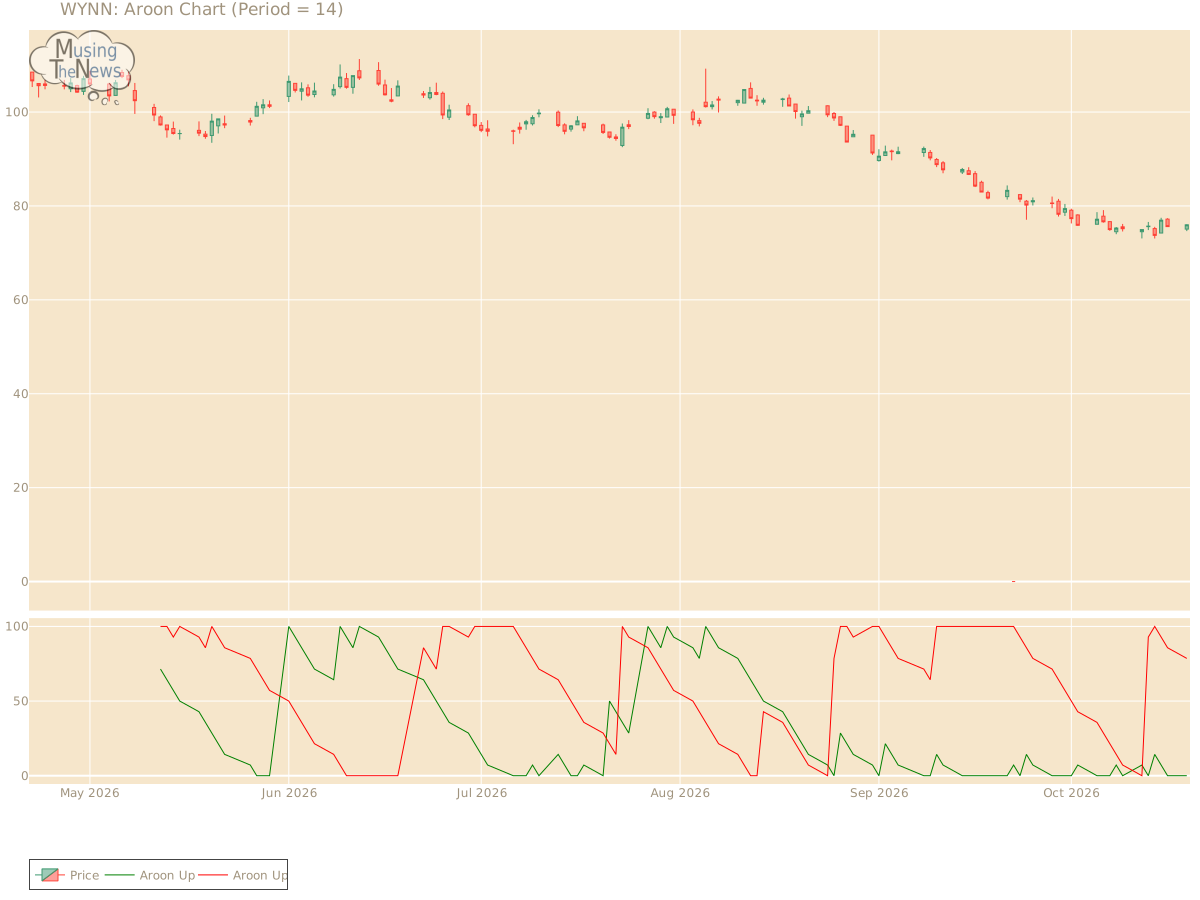
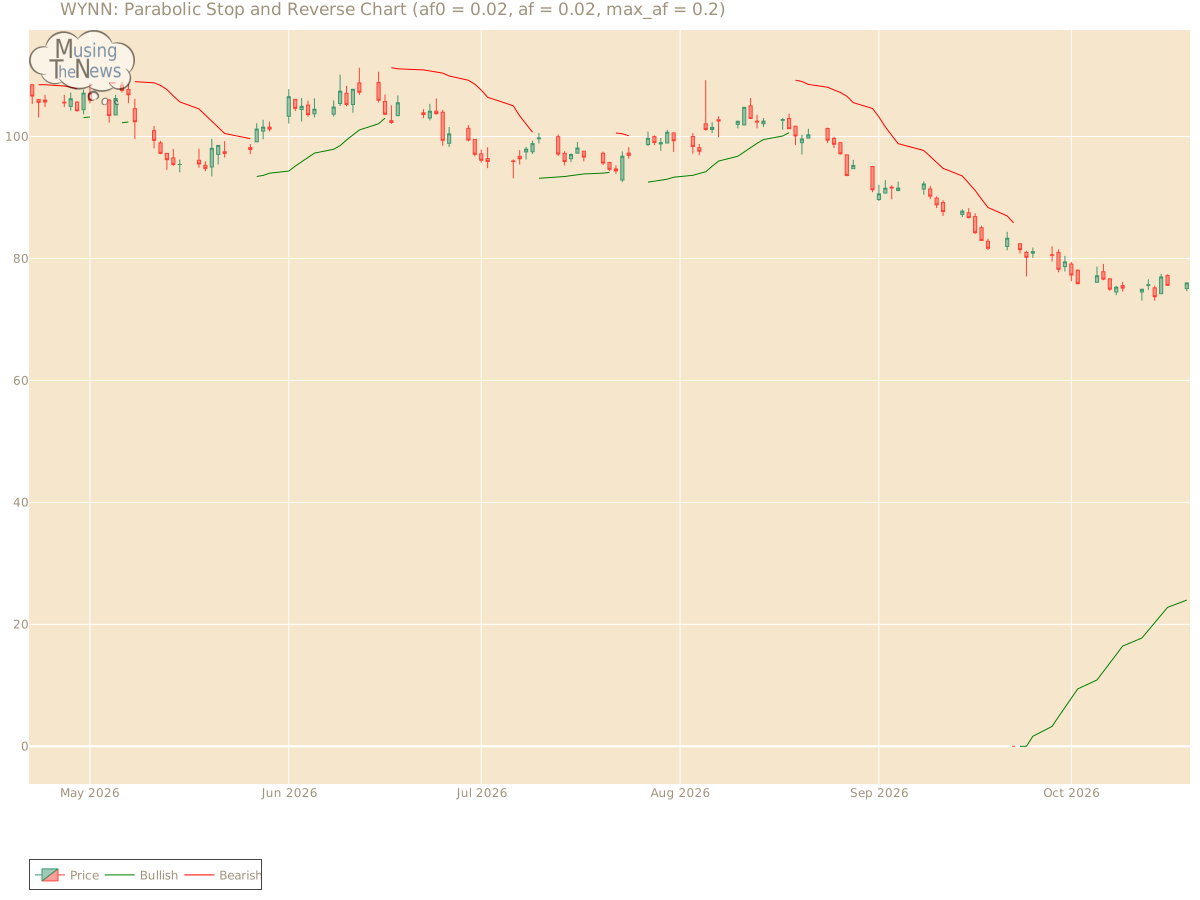
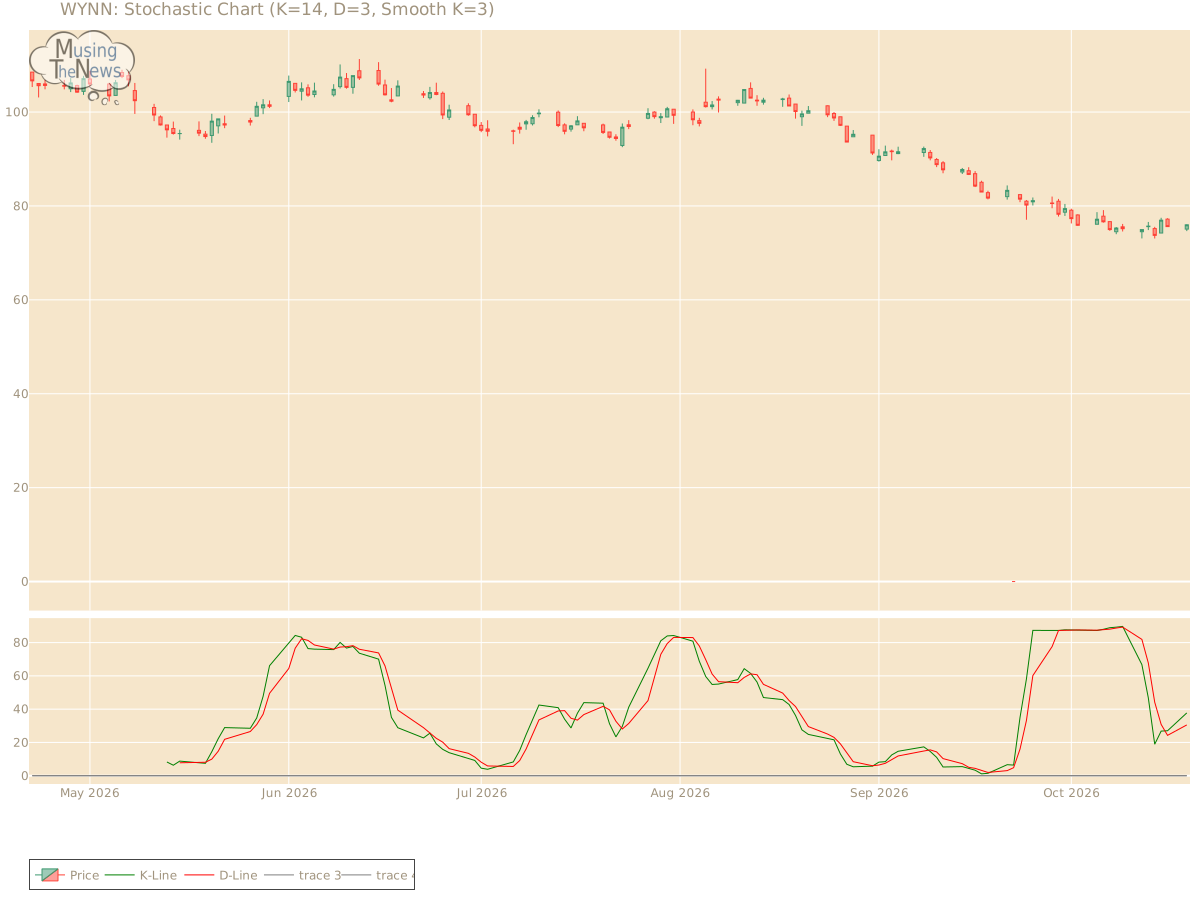
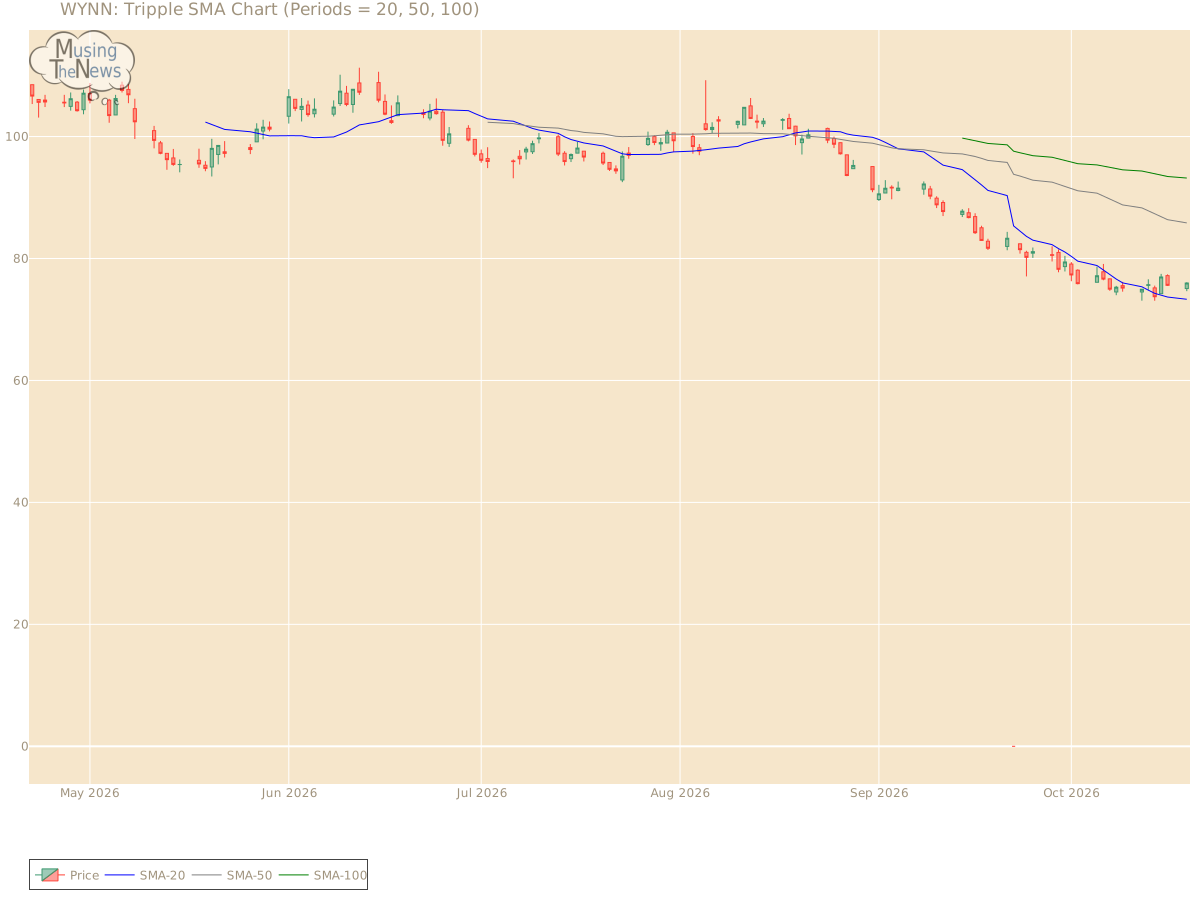
Support and Resistance: The price currently sits at 75.98, finding support at 75.88 and resistance at 80.52. These levels define a range for Wynn Resorts, Limited where the price may move, with 75.88 offering a base and 80.52 limiting upward momentum.Support/Resistance for WYNNAroon: The AROON is showing a neutral stance, not indicating a clear upward or downward trend for Wynn Resorts, Limited. This suggests a period of market balance, where neither side is showing dominance.Aroon chart for Wynn Resorts, LimitedBol. Bands: The current reading of the BOLL BANDS is neutral, offering no clear signals for a movement in either direction. This suggests that the market may be in a holding pattern, with no dominant trend in place.Bolinger Bands chart for Wynn Resorts, LimitedParabolic SAR: The PSAR for WYNN maintains a bullish outlook, establishing a crucial support level that may help maintain the current upward momentum. This strong support suggests that the market is poised to continue its upward trend, providing confidence in the ongoing bullish sentiment.Parabolic Stop and Reverse chart for Wynn Resorts, LimitedStochastic: The STOCHASTIC is showing a neutral stance, not indicating a clear upward or downward trend for Wynn Resorts, Limited. This suggests a period of market balance, where neither side is showing dominance.Stochastic chart for Wynn Resorts, LimitedTripple Moving Agerage: The moving averages for WYNN for the 20-50-100 periods point to a bullish trend, but the slopes of the faster averages suggest this strength may be waning. The potential for a reversal is becoming apparent, as the shorter-term averages indicate that the upward momentum could be weakening, signaling a possible trend change.Tripple SMA chart for Wynn Resorts, Limited Analyzing the technical indicators of a company, such as stock price and trading volume, requires first understanding its fundamentals. These fundamentals include profitability, growth potential, and market position. Furthermore, knowing the broader industry trends and competitive landscape provides critical context. When both the company's internal data and the external environment are considered, it allows for more meaningful conclusions about the company's technical performance and future trajectory.