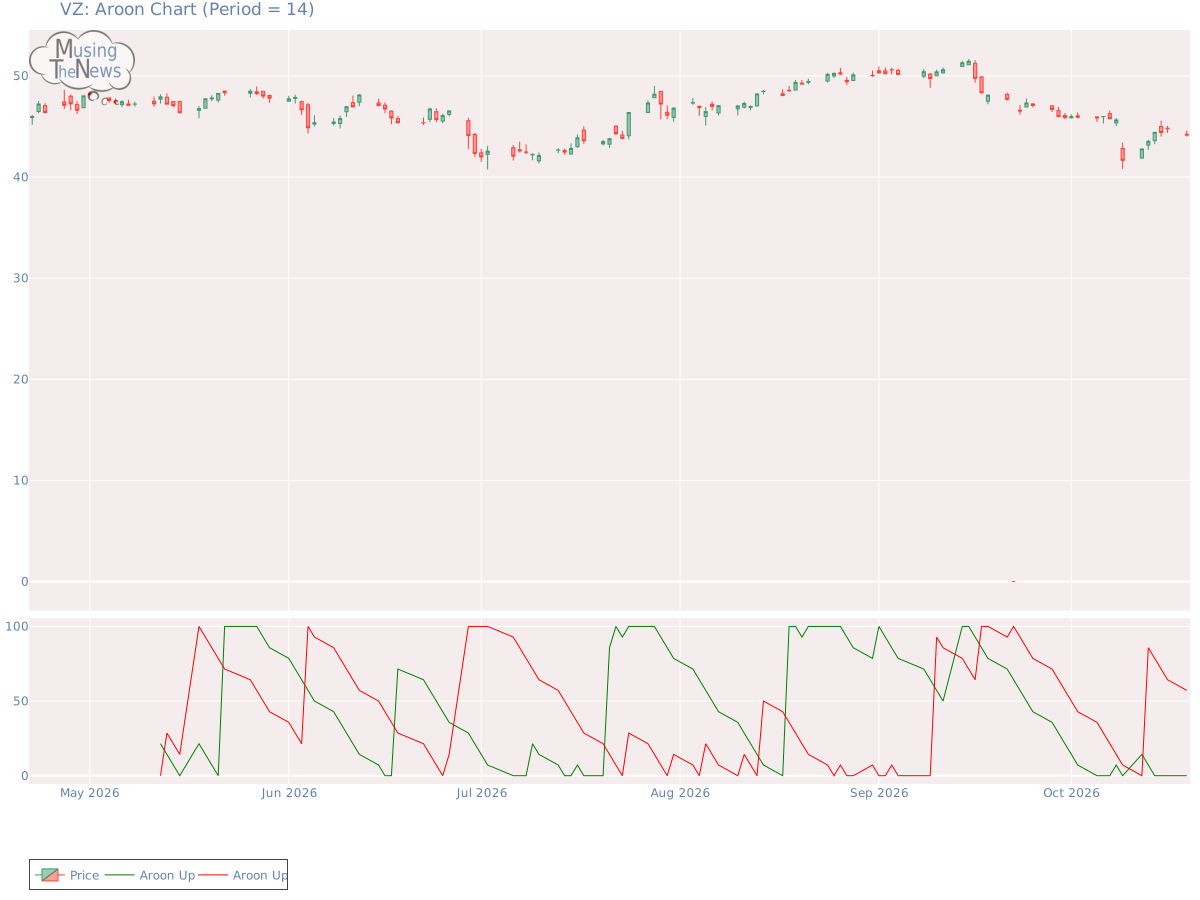
The AROON is currently neutral, showing no clear bias toward a rising or falling trend. This lack of directional clarity suggests that the market may be in a holding patter...
By MusingTheNews
Updated 2026-10-20 23:26:00
Overall Technical outlook
Price Summary
On 2026-10-19, Verizon Communications Inc.'s stock opened at 44.24, peaked at 44.6, hit a low of 44.0, and closed -0.2% down at 44.15, with 16148200 shares changing hands. The stock's highest price over the 52-week span is 51.45, while the lowest price is 0.0.
Technicals
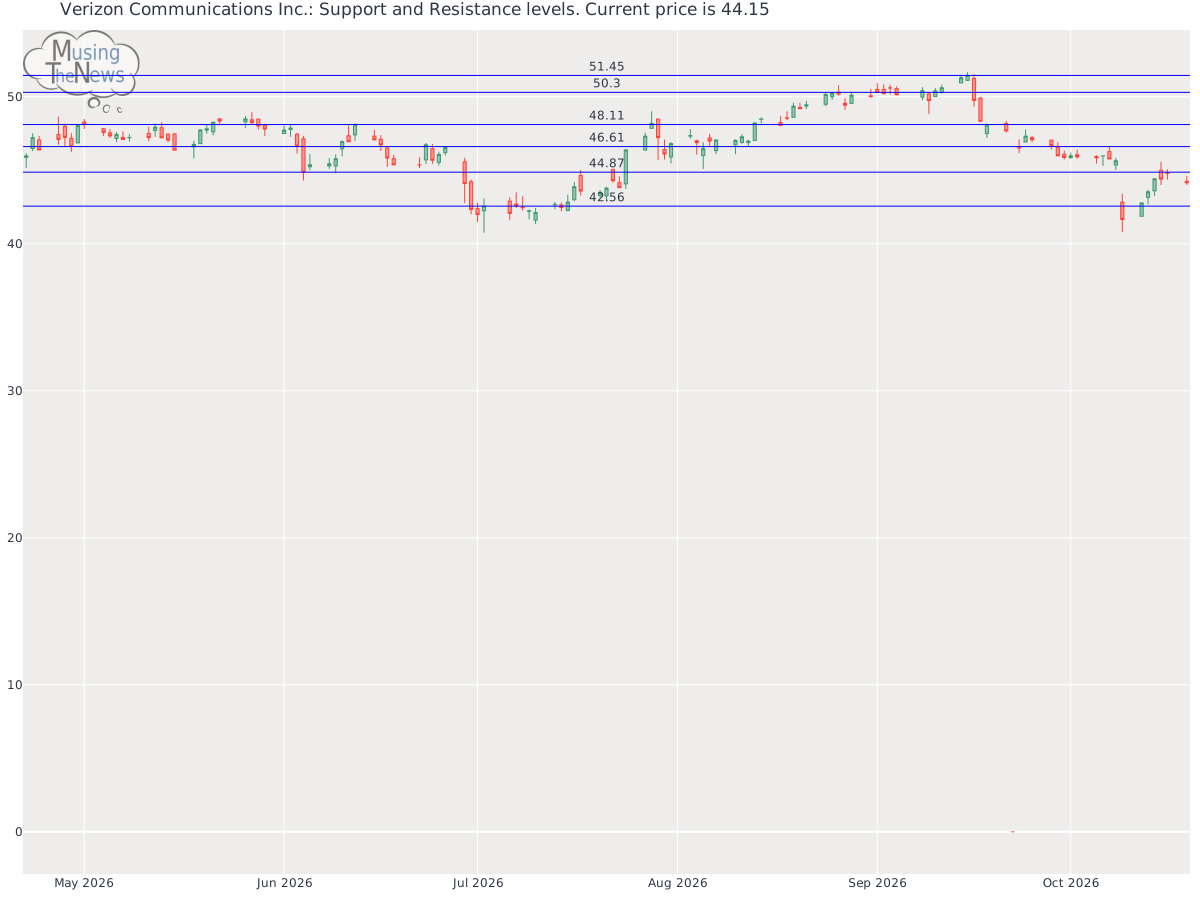
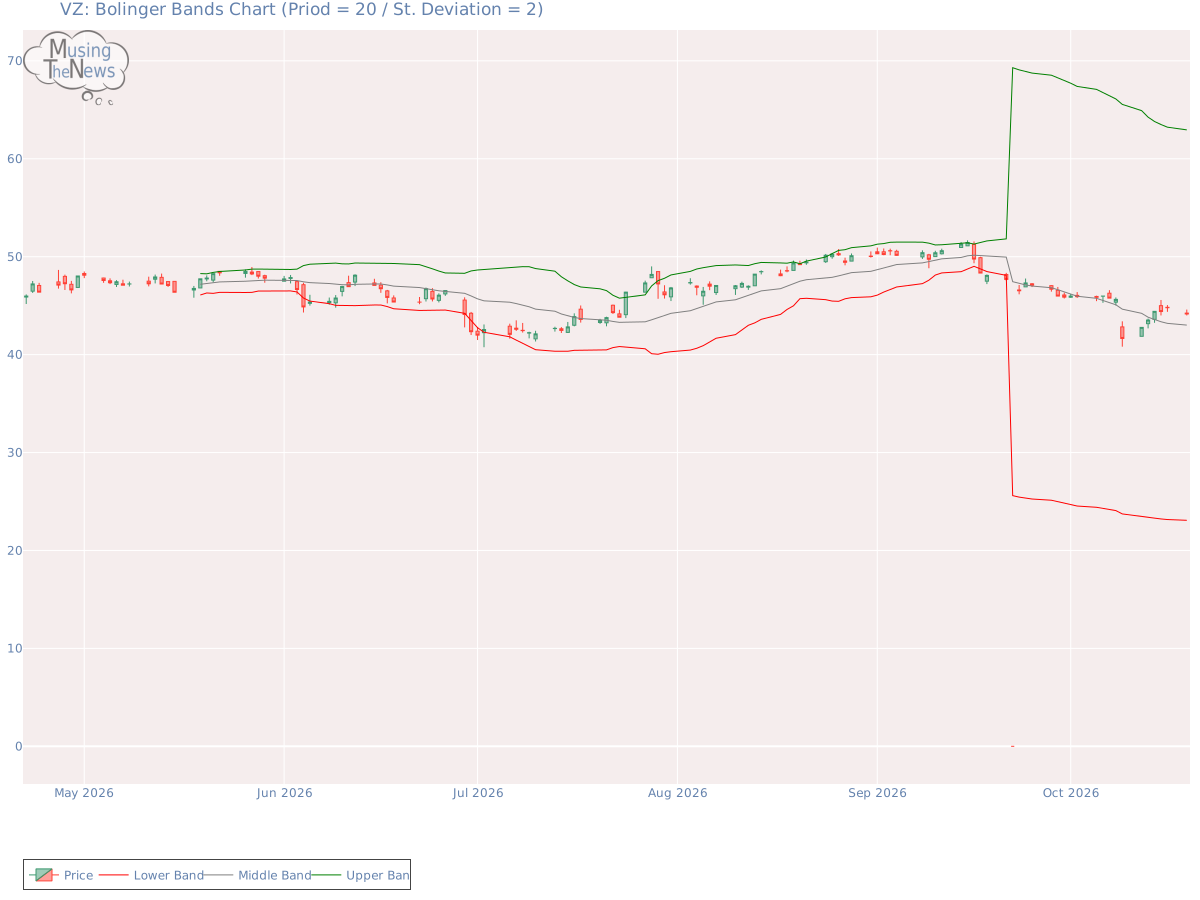
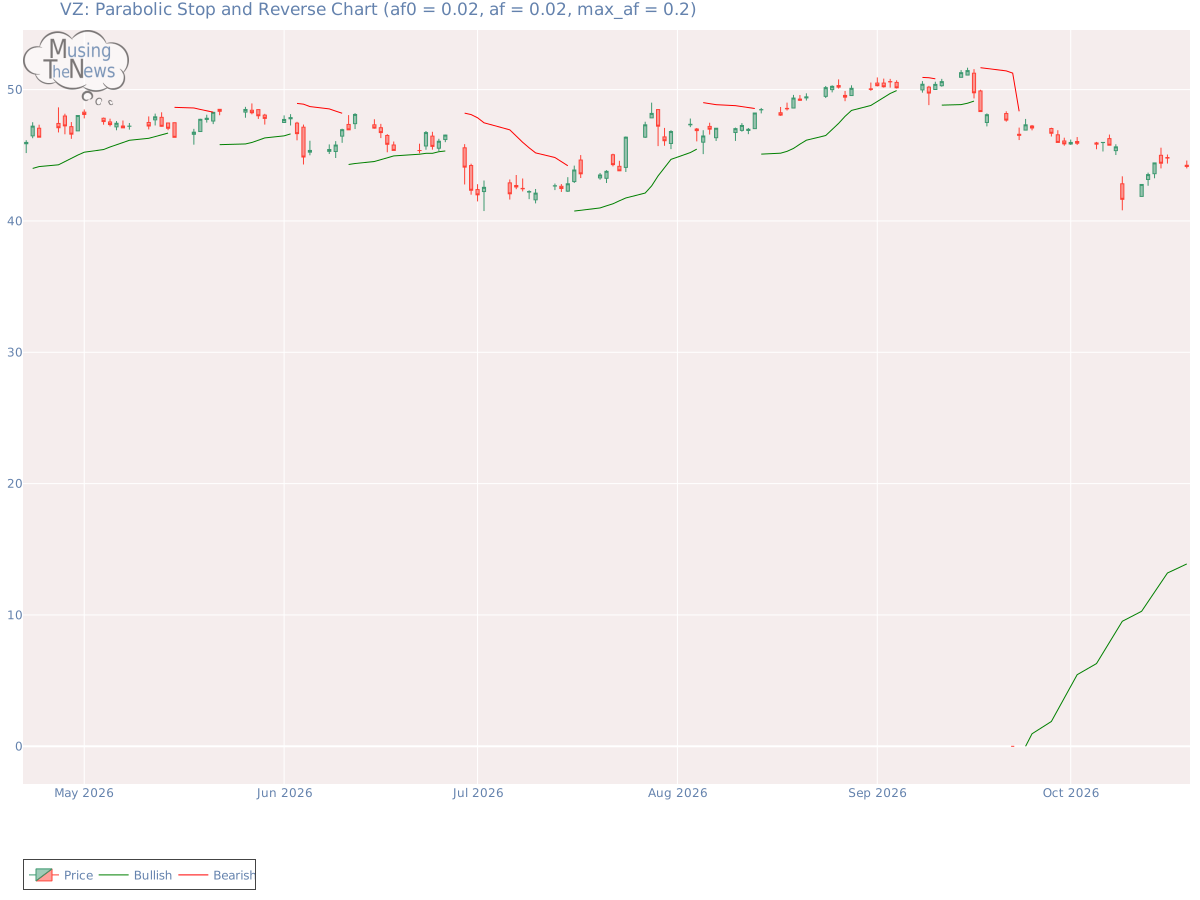
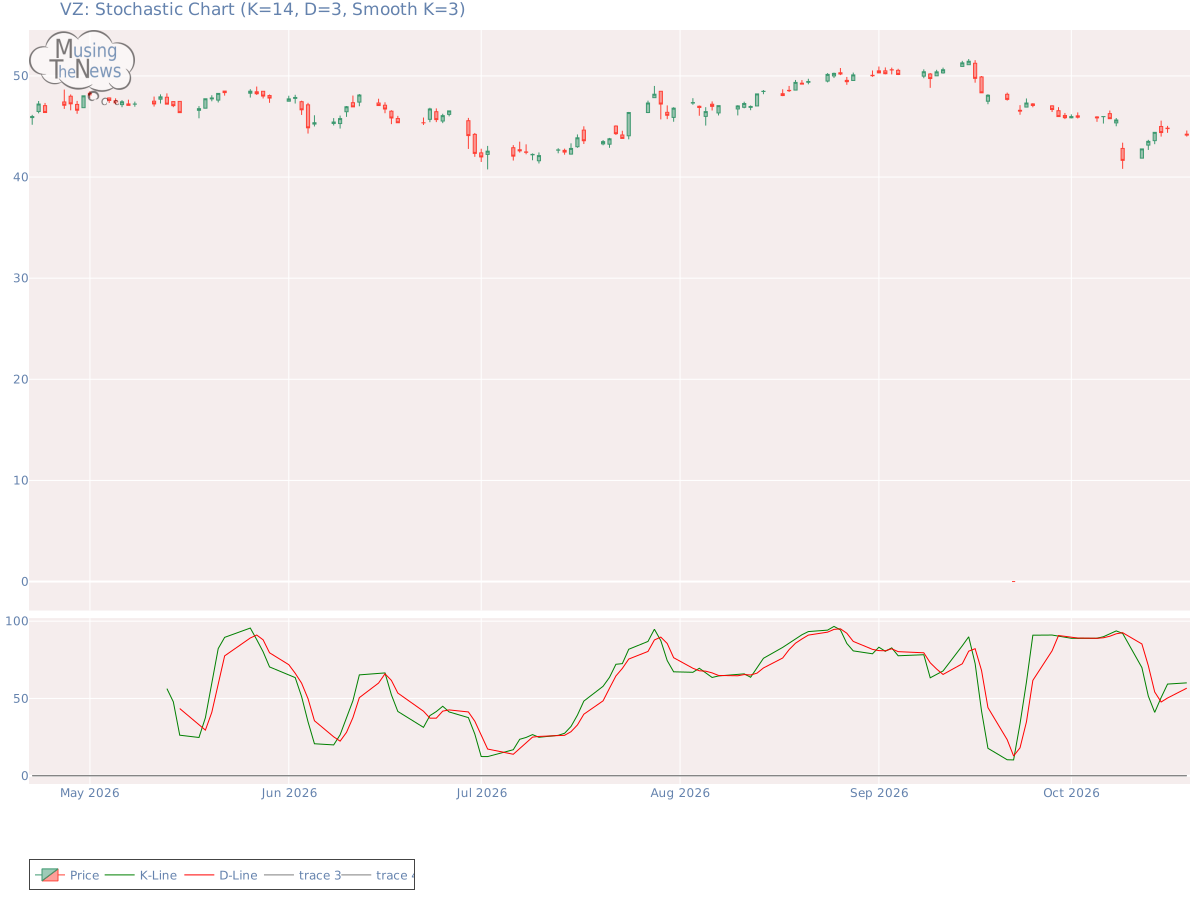
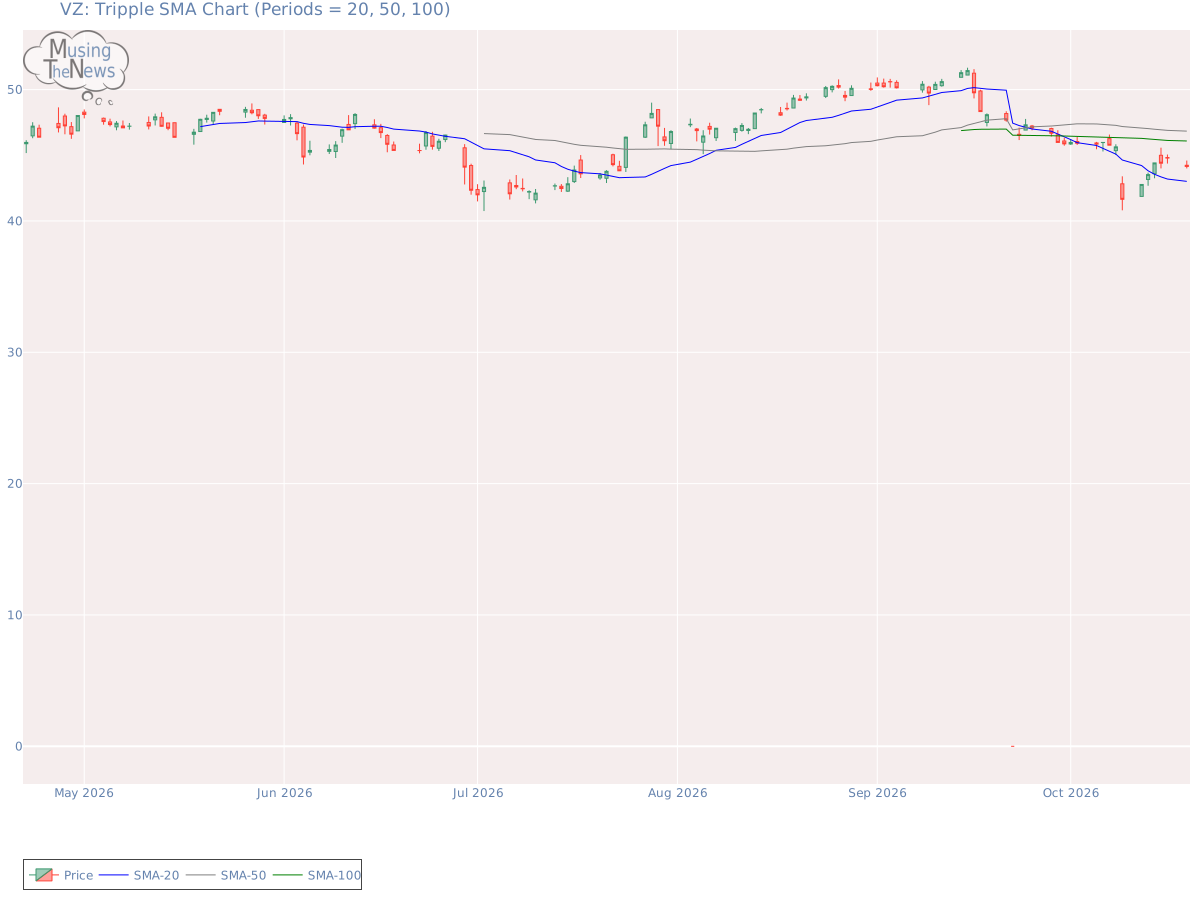
Support and Resistance: At 44.15, the price is supported by 42.56 and resisted by 44.87. This indicates that the price for Verizon Communications Inc. might fluctuate between these levels, with 42.56 acting as a support and 44.87 limiting further upward movement.Support/Resistance for VZAroon: The AROON is currently neutral, showing no clear bias toward a rising or falling trend. This lack of directional clarity suggests that the market may be in a holding pattern, awaiting further developments.Aroon chart for Verizon Communications Inc.Bol. Bands: The current reading of the BOLL BANDS is neutral for VZ, with no clear signals for an upward or downward trend. This indicates that the market may be in a state of uncertainty, with no dominant force driving the direction.Bolinger Bands chart for Verizon Communications Inc.Parabolic SAR: The PSAR continues its bullish outlook, reinforcing a crucial support level that may help sustain the current upward trend. This support suggests that the market is likely to continue climbing, with the bullish momentum remaining strong.Parabolic Stop and Reverse chart for Verizon Communications Inc.Stochastic: The STOCHASTIC is showing a neutral stance, with no definitive indication of an upward or downward trend for VZ. This neutral position suggests a period of indecision in the market, making it difficult to predict the next move.Stochastic chart for Verizon Communications Inc.Tripple Moving Agerage: The Tripple MOVING AVG is in a neutral stance, with no clear direction indicated for the market. This lack of clarity suggests that the market may be in a state of equilibrium for VZ, with no strong trend emerging.Tripple SMA chart for Verizon Communications Inc. To derive valuable insights from a company's technical performance, it is essential to first understand its fundamentals. This includes its financial health, business model, and market share. Equally important is the industry context, such as competition, consumer demand, and market trends. By examining these aspects together, investors can gain a more comprehensive view of how the company's stock behaves and whether it's aligned with its underlying value.