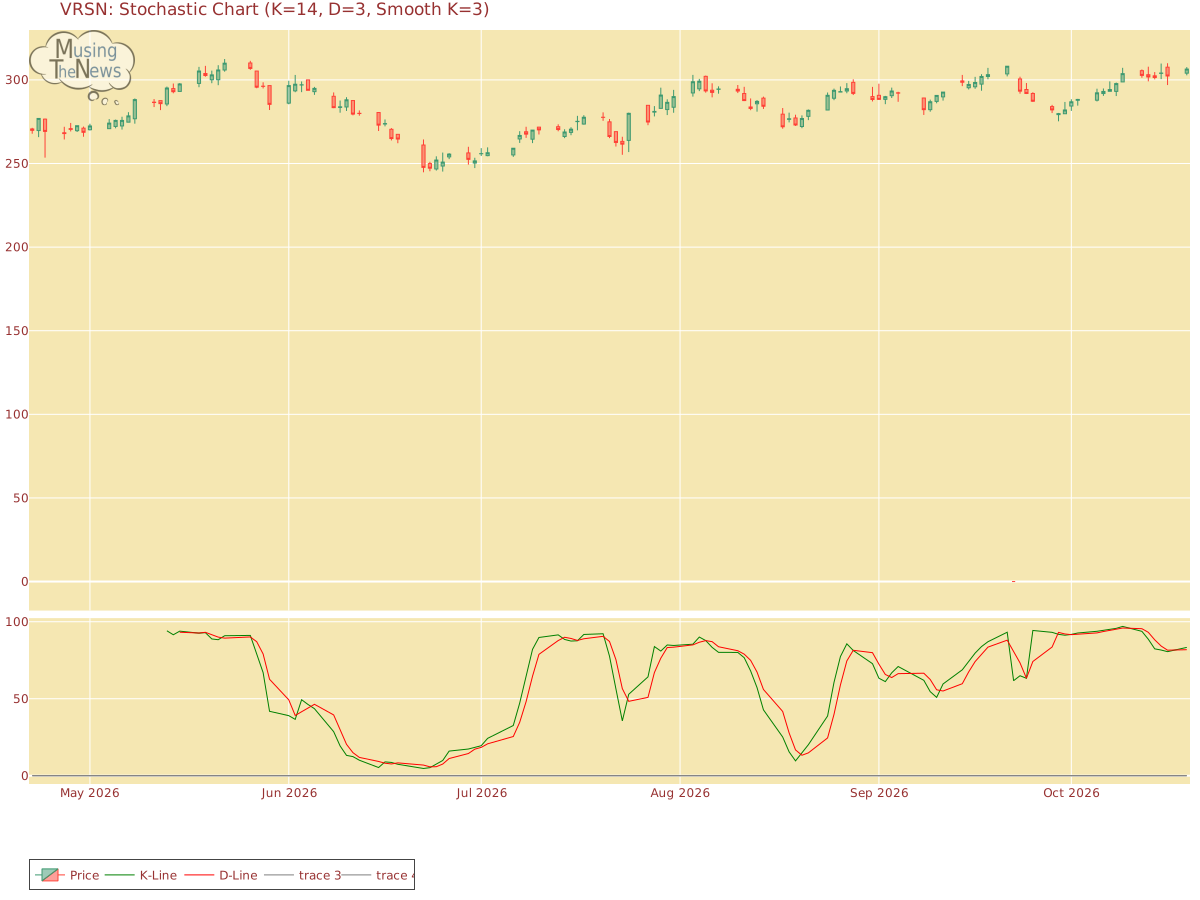
The stochastic indicator shows a bullish trend for VRSN, with the K-line positioned above the D-line and surpassing the 80 level. This setup indicates strong upward momentu...
By MusingTheNews
Updated 2026-10-20 23:25:59
Overall Technical outlook
Price Summary
On 2026-10-19, VRSN's stock began at 304.03, peaked at 307.66, dipped to 302.73, and closed up 0.81% at 306.48, with a volume of 878800 shares. Over the past year, the stock's highest price was 310.0, and its lowest was 0.0.
Technicals
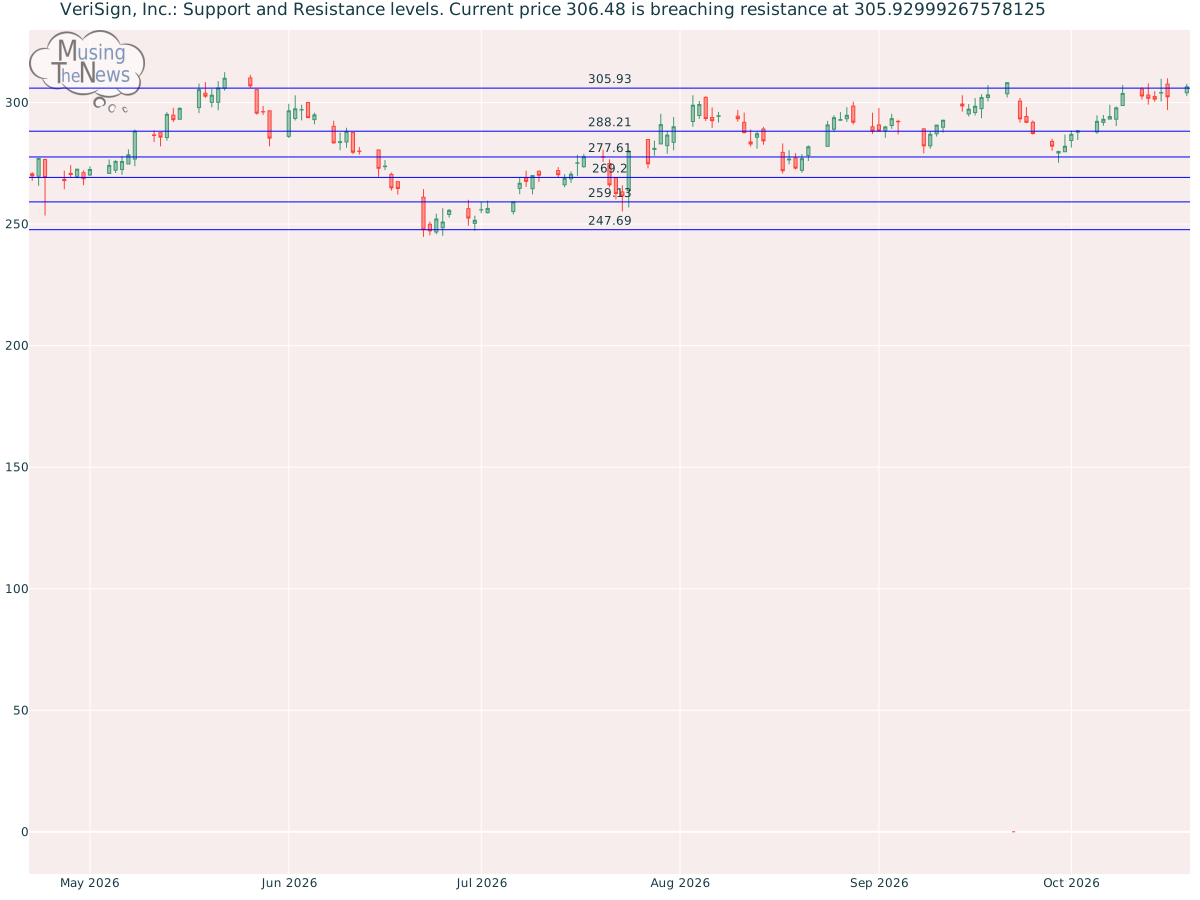
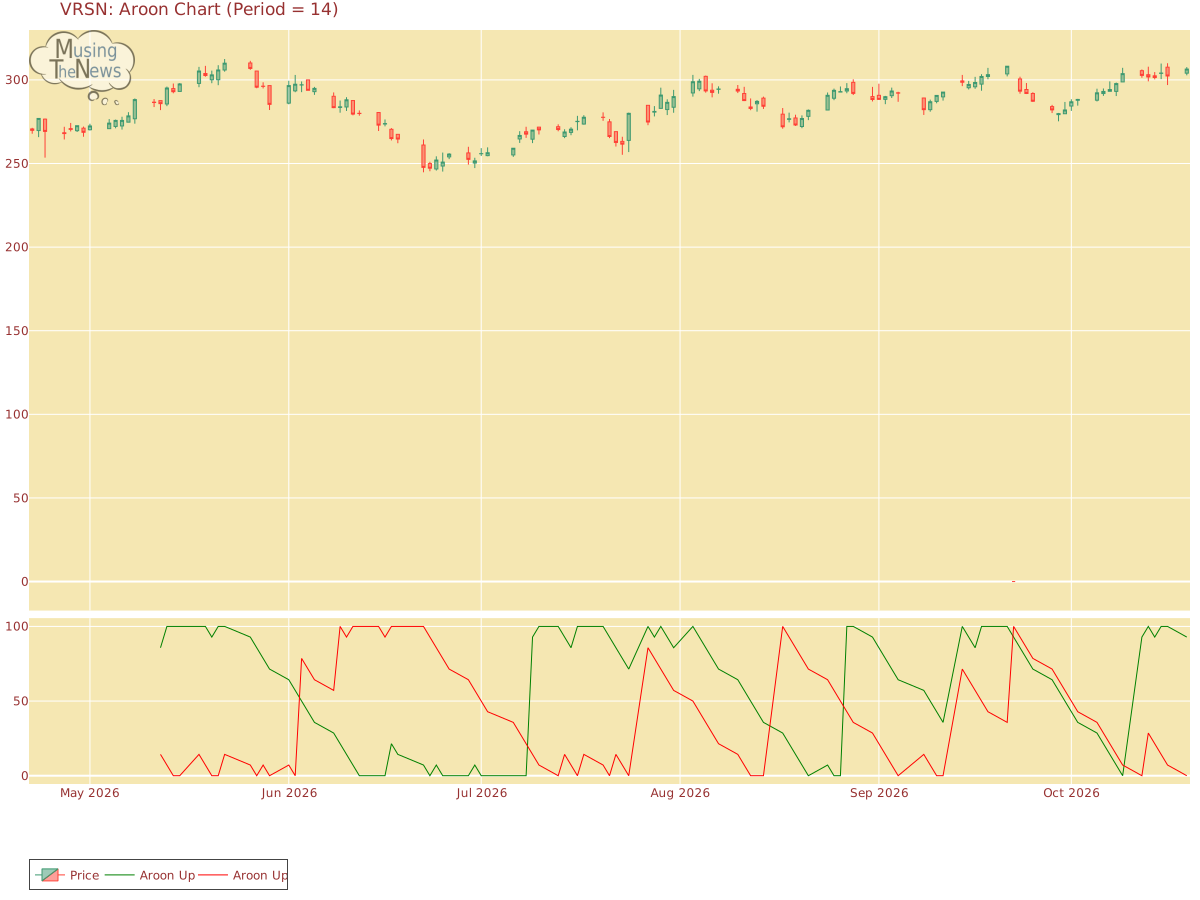
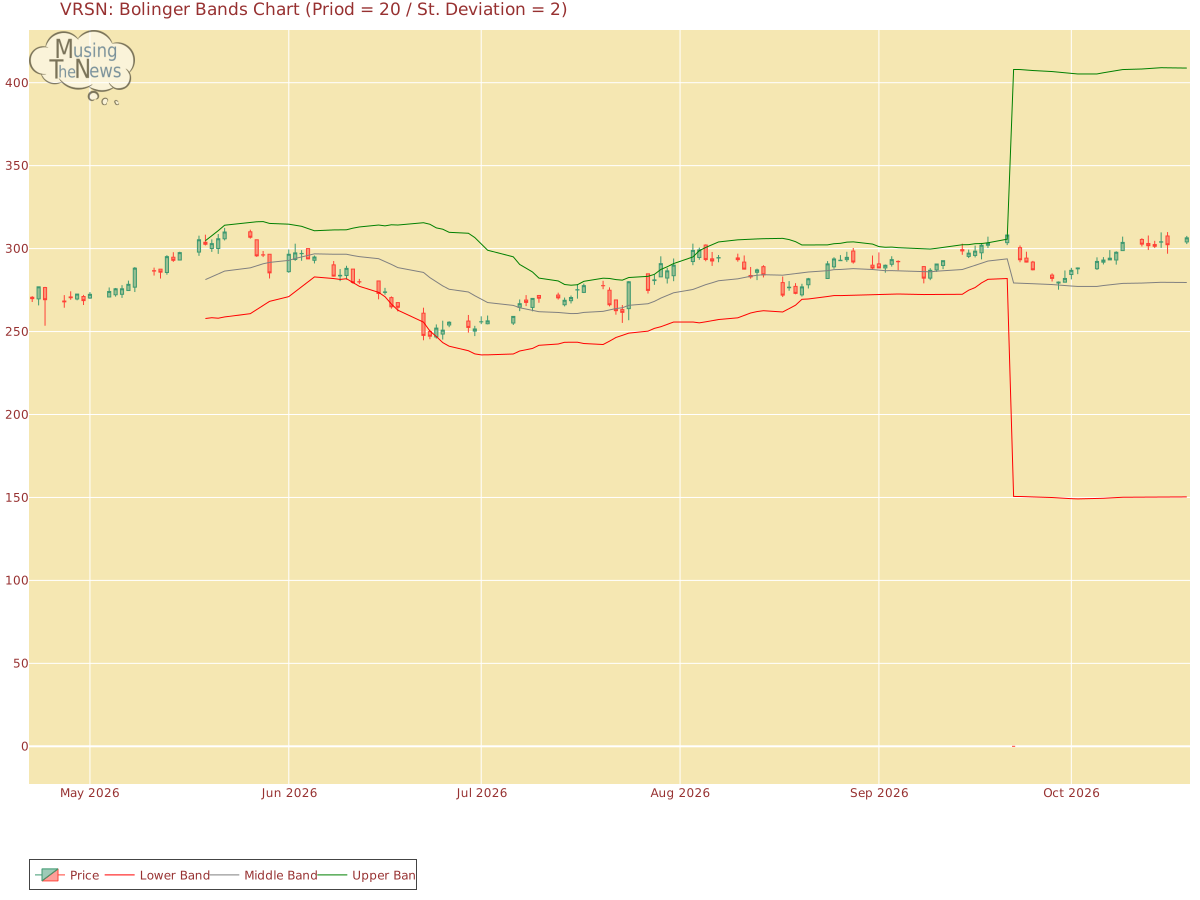
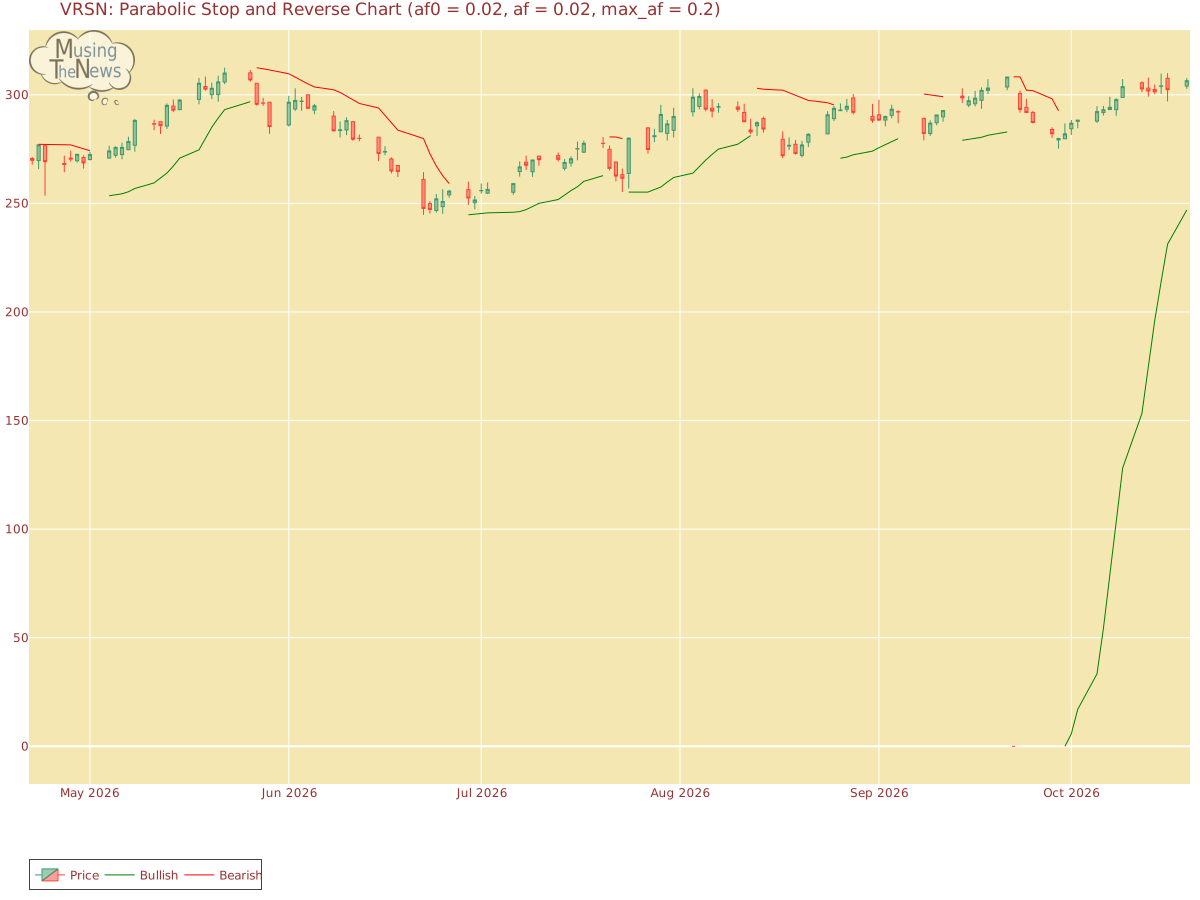
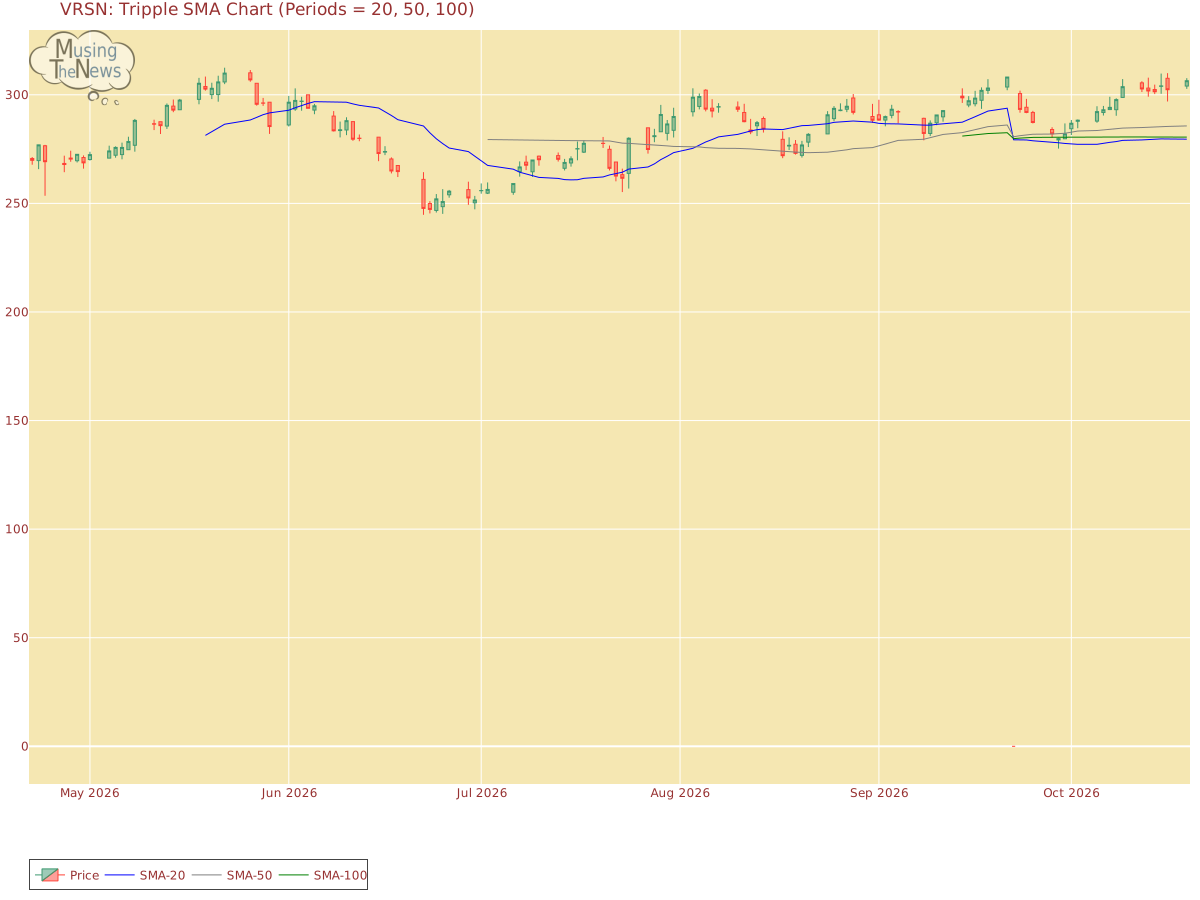
Support and Resistance: The price of 306.48 is supported at 305.93 and capped by resistance at 305.93. These levels mark key points for VeriSign, Inc. where the price could find stability, with 305.93 as a floor and 305.93 as a ceiling.Support/Resistance for VRSNAroon: The AROON is in a neutral stance for VRSN, not indicating a clear upward or downward trend. This suggests a period of market indecision, where neither bulls nor bears have the upper hand.Aroon chart for VeriSign, Inc.Bol. Bands: The current reading of the BOLL BANDS is neutral for VRSN, with no clear signals for an upward or downward trend. This indicates that the market may be in a state of uncertainty, with no dominant force driving the direction.Bolinger Bands chart for VeriSign, Inc.Parabolic SAR: The PSAR continues to indicate a bullish outlook, establishing a key support level that could sustain the market's upward trend. This support suggests that the bullish momentum is likely to persist, offering a foundation for further growth.Parabolic Stop and Reverse chart for VeriSign, Inc.Stochastic: The stochastic indicator shows a bullish trend for VRSN, with the K-line positioned above the D-line and surpassing the 80 level. This setup indicates strong upward momentum, suggesting that the market may continue its positive trajectory. Traders might view this as a sign of ongoing strength in the market.Stochastic chart for VeriSign, Inc.Tripple Moving Agerage: The Tripple MOVING AVG is currently in a neutral position, offering no clear indication of movement up or down. This suggests that the market may be experiencing a period of equilibrium, with no strong trend in play.Tripple SMA chart for VeriSign, Inc. When analyzing a company, its fundamentals—such as earnings, management efficiency, and strategic initiatives—must be considered alongside technical data. The context of the industry in which the company operates also plays a key role, as market trends and competitive dynamics can significantly impact performance. By taking a comprehensive approach, combining both fundamental and technical analysis, one can gain a deeper understanding of the company's potential for growth or risk.