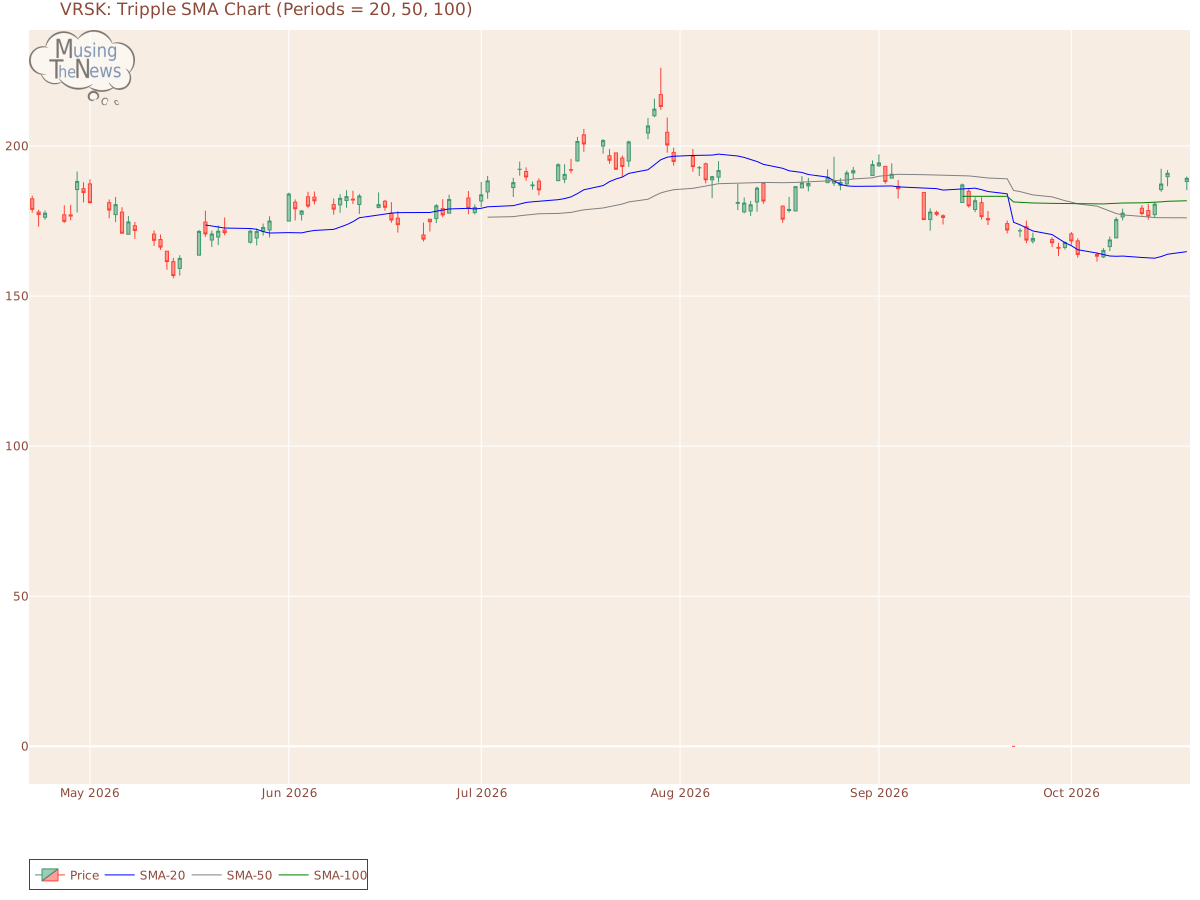
The current state of the Tripple MOVING AVG is neutral, with no clear trend direction indicated. This lack of directional bias suggests that the market may be in a phase of...
By MusingTheNews
Updated 2026-10-20 23:26:00
Overall Technical outlook
Price Summary
On 2026-10-19, Verisk Analytics, Inc.'s stock opened at 188.16, peaked at 189.83, hit a low of 185.28, and closed 0.56% higher at 189.21, with 743100 shares changing hands. In the last 52 weeks, the stock's top price was 237.47 and the bottom price was 0.0.
Technicals
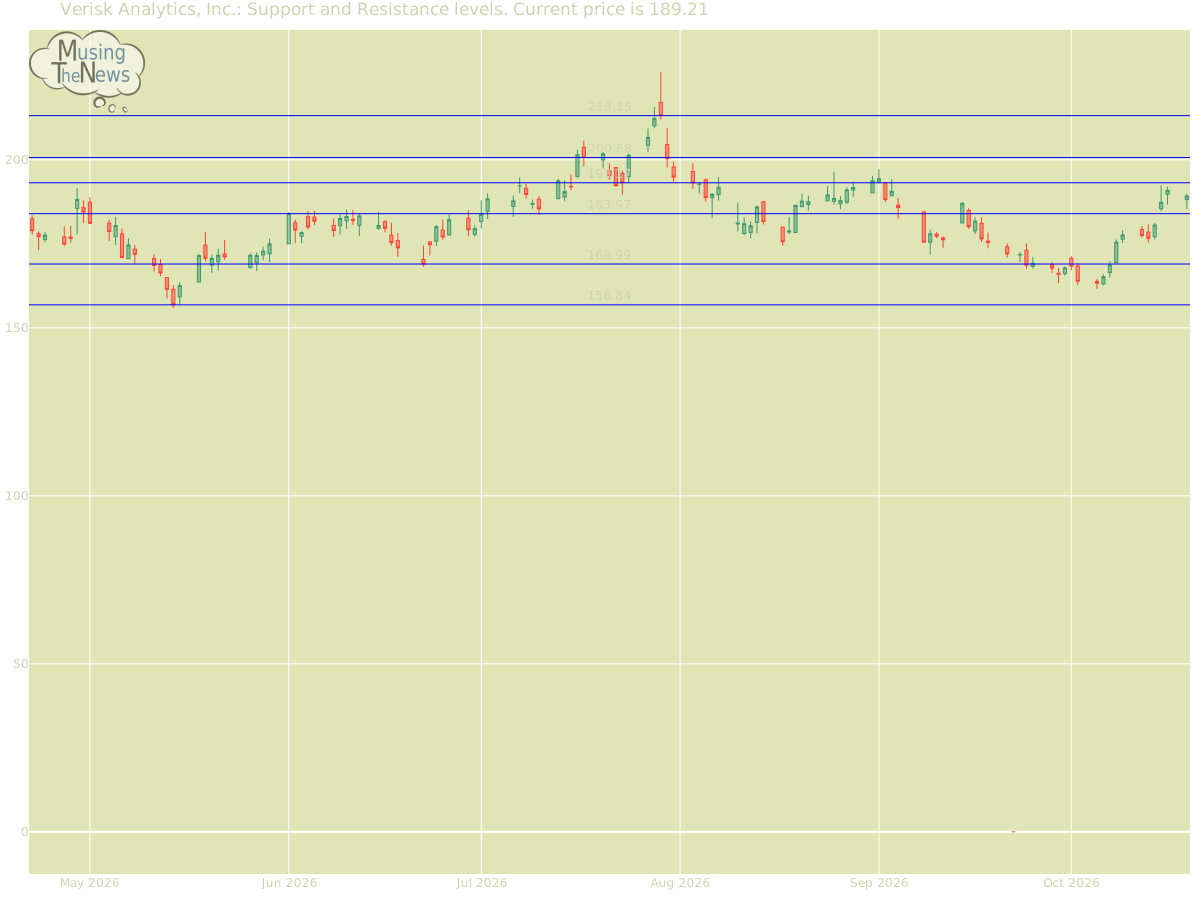
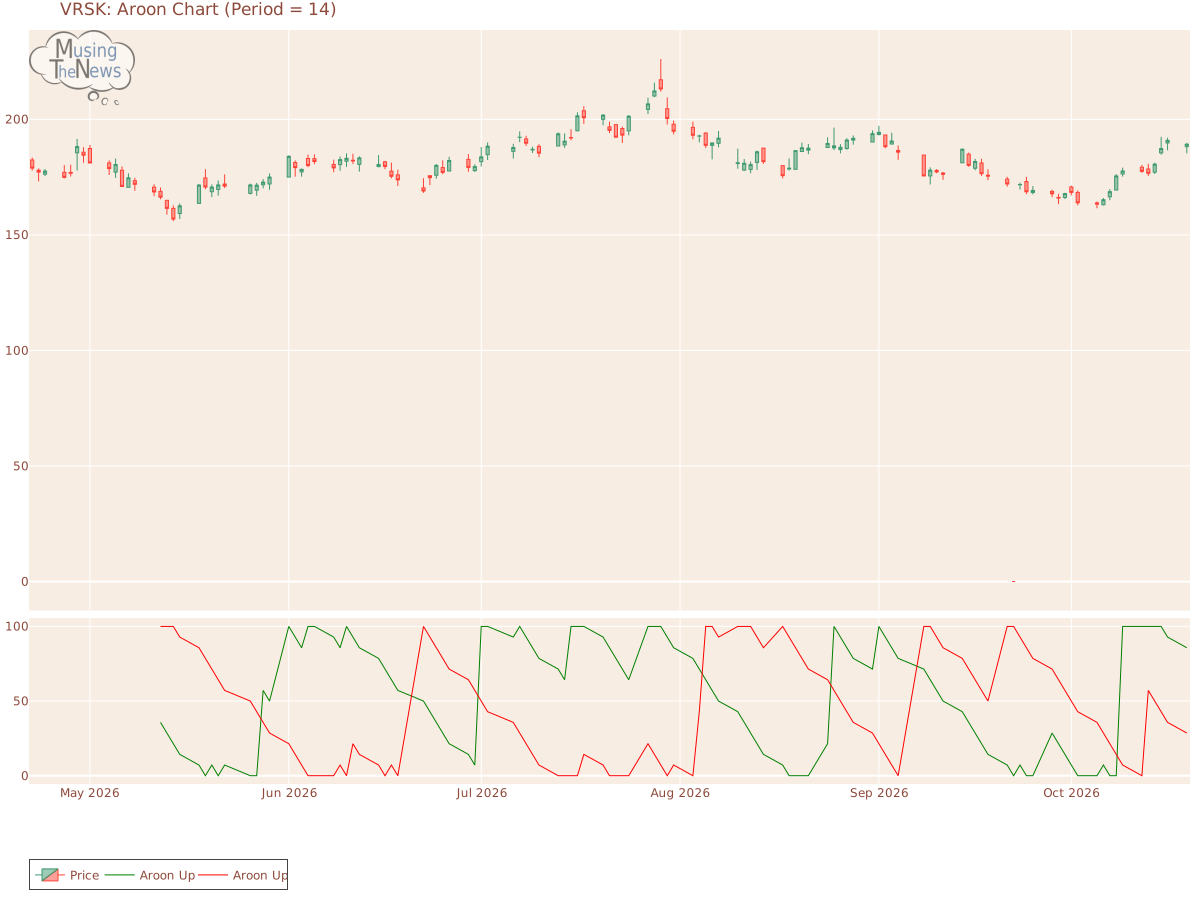
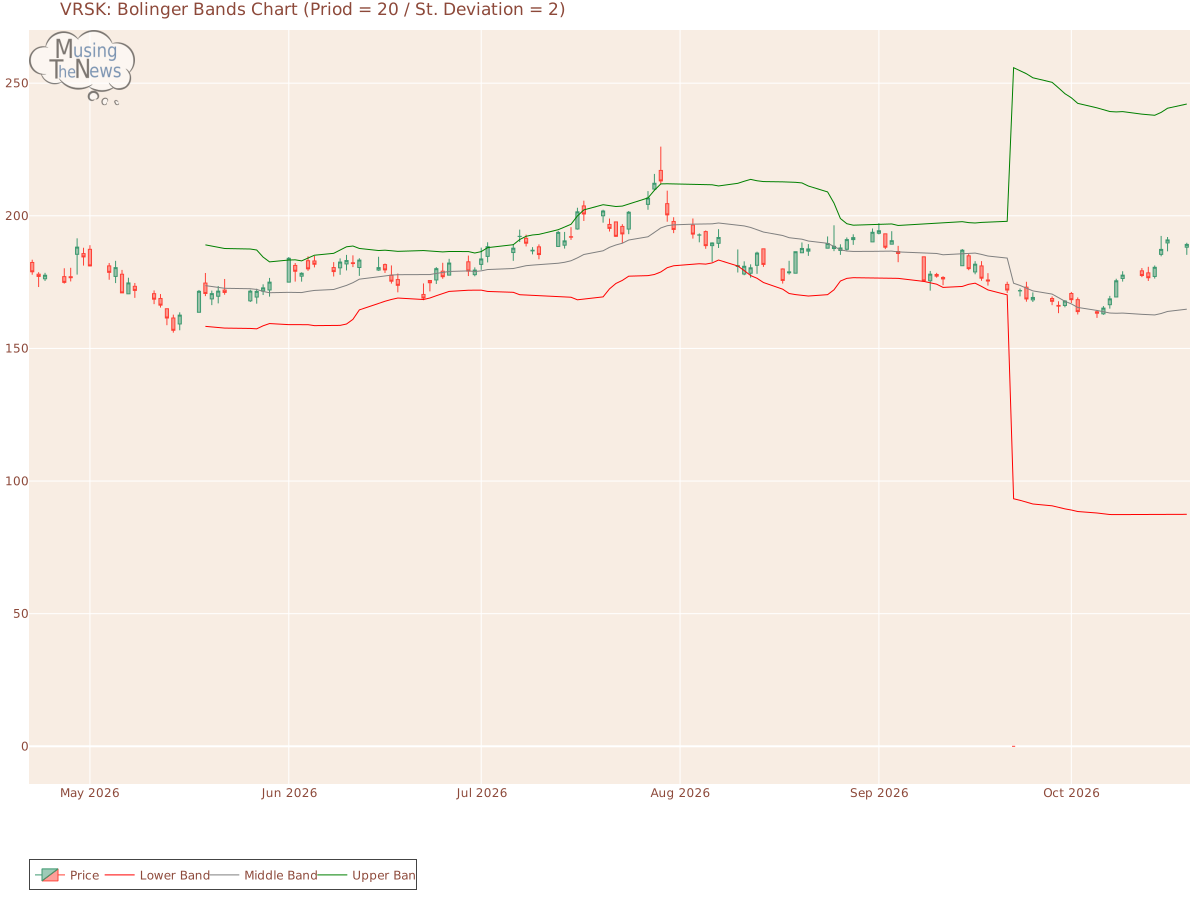
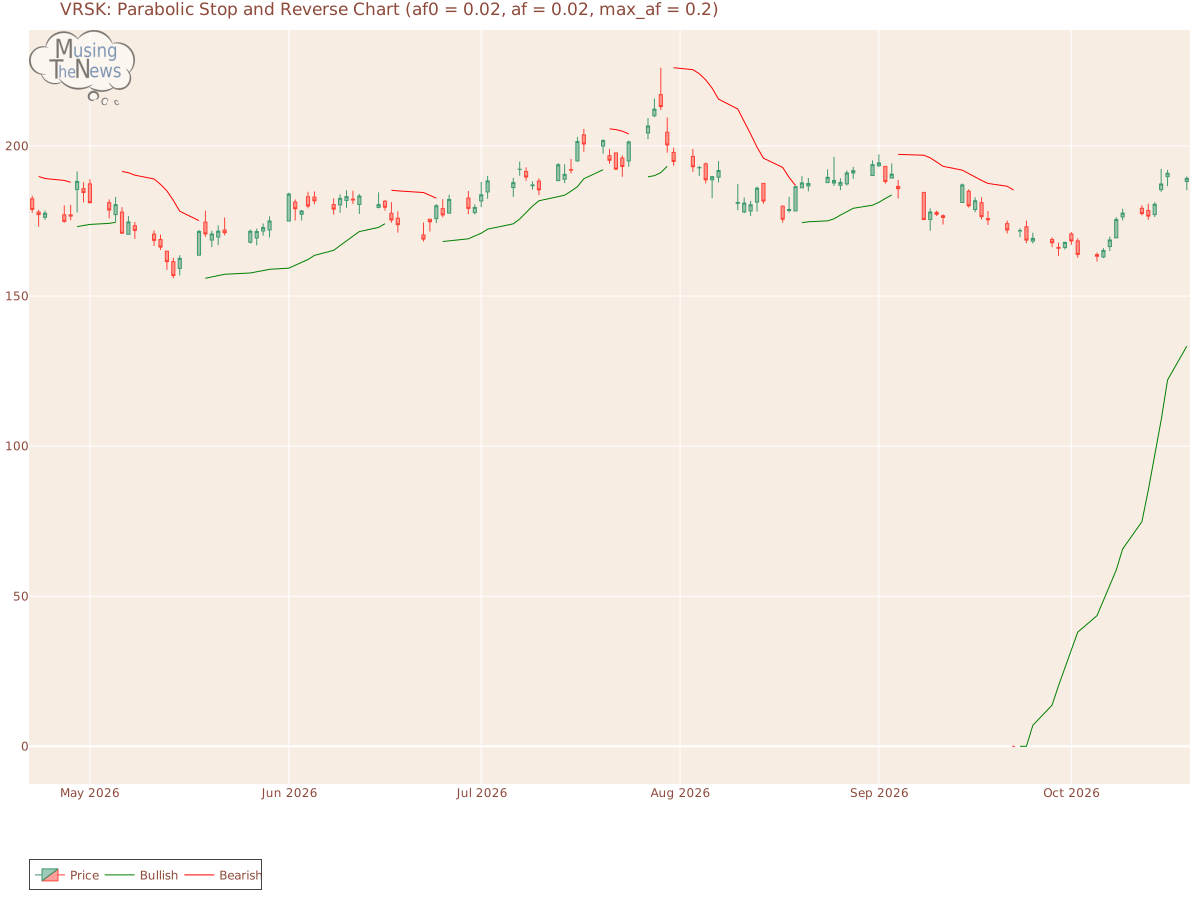
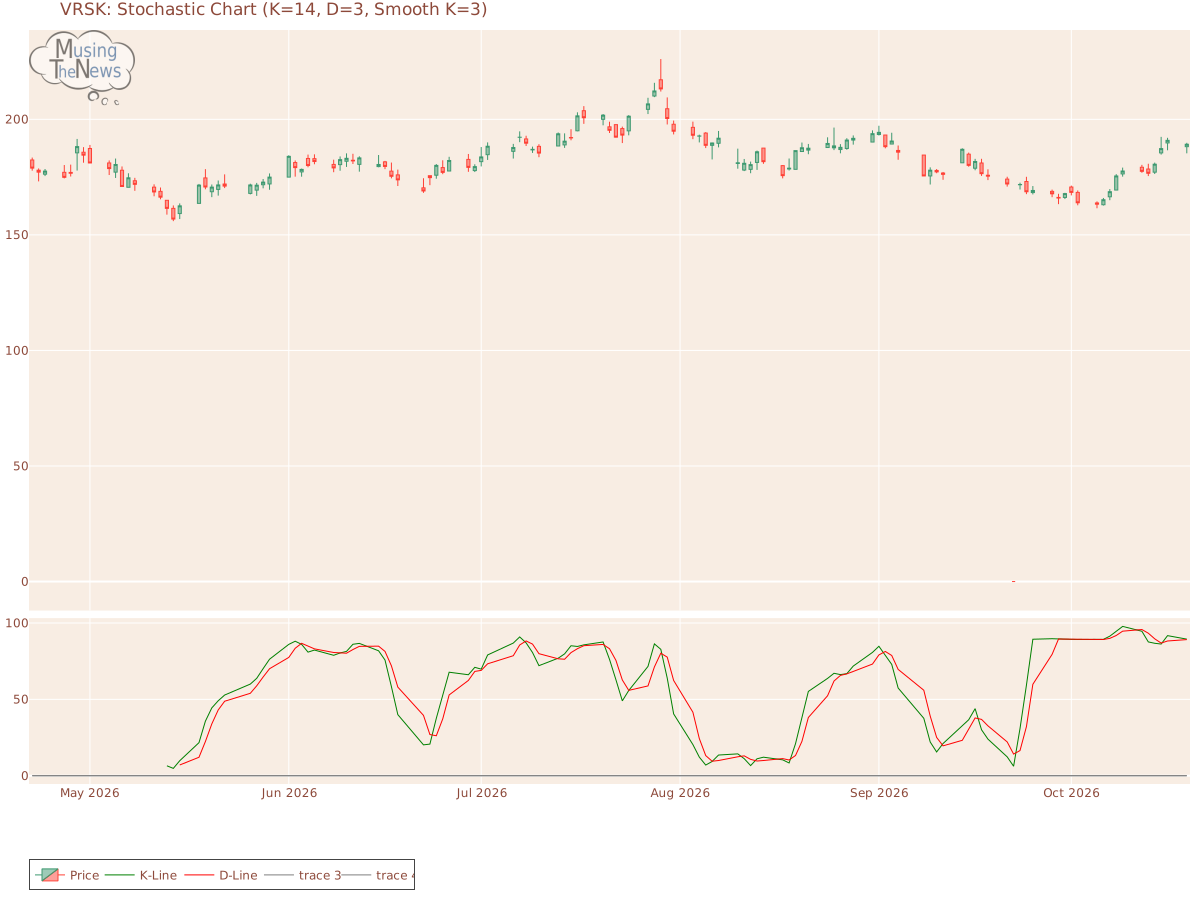
Support and Resistance: The price for VRSK at 189.21 is supported by the 183.97 level and faces resistance at 193.17. This range indicates key levels where the price may find buyers near 183.97 and sellers near 193.17, defining a trading range.Support/Resistance for VRSKAroon: The AROON is showing a neutral reading, with no clear direction indicated for upward or downward movement. This neutral position suggests a possible period of consolidation.Aroon chart for Verisk Analytics, Inc.Bol. Bands: The current state of the BOLL BANDS is neutral, offering no clear signals of movement in either direction. This suggests a potential pause in market activity, with no strong trend emerging at the moment.Bolinger Bands chart for Verisk Analytics, Inc.Parabolic SAR: The PSAR continues to be bullish for VRSK, setting a strong support level that could sustain the ongoing upward trend. This level of support indicates that the market is likely to continue its positive trajectory, offering a base for continued bullish movement.Parabolic Stop and Reverse chart for Verisk Analytics, Inc.Stochastic: VRSK's stochastic indicator reflects a bullish trend, with the K-line positioned above the D-line and surpassing the 80 threshold. This setup suggests strong upward momentum, indicating that the market may continue to rise. Investors could interpret this as a positive signal for further gains.Stochastic chart for Verisk Analytics, Inc.Tripple Moving Agerage: The current state of the Tripple MOVING AVG is neutral, with no clear trend direction indicated. This lack of directional bias suggests that the market may be in a phase of consolidation or uncertainty.Tripple SMA chart for Verisk Analytics, Inc. Before diving into the technical aspects of a company, such as stock price charts or volume trends, it's important to understand its fundamentals. These fundamentals include financial stability, growth potential, and strategic positioning. Additionally, knowing the broader industry landscape, including competitive pressures and regulatory factors, offers deeper insights. When this fundamental analysis is combined with technical indicators, it leads to more informed, accurate evaluations of the company's overall performance.