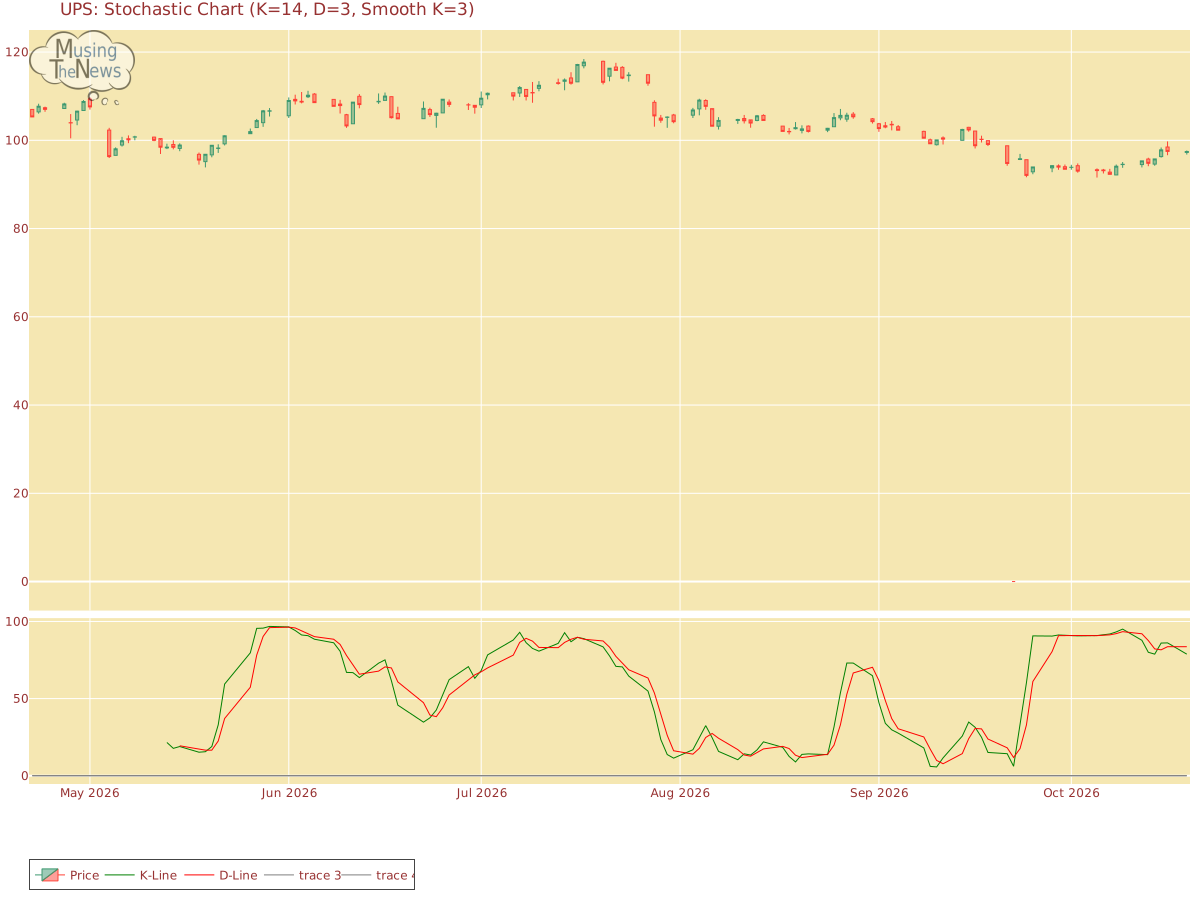
The current reading of the STOCHASTIC is neutral for UPS, with no clear signals for an upward or downward trend. This indicates that the market may be in a state of uncerta...
By MusingTheNews
Updated 2026-10-20 23:25:58
Overall Technical outlook
Price Summary
On 2026-10-19, United Parcel Service, Inc.'s stock opened at 97.25, peaked at 97.69, hit a low of 96.77, and closed 0.22% up at 97.46, with 3303800 shares changing hands. The stock reached its highest price of 120.0 and its lowest price of 0.0 during the 52-week period.
Technicals
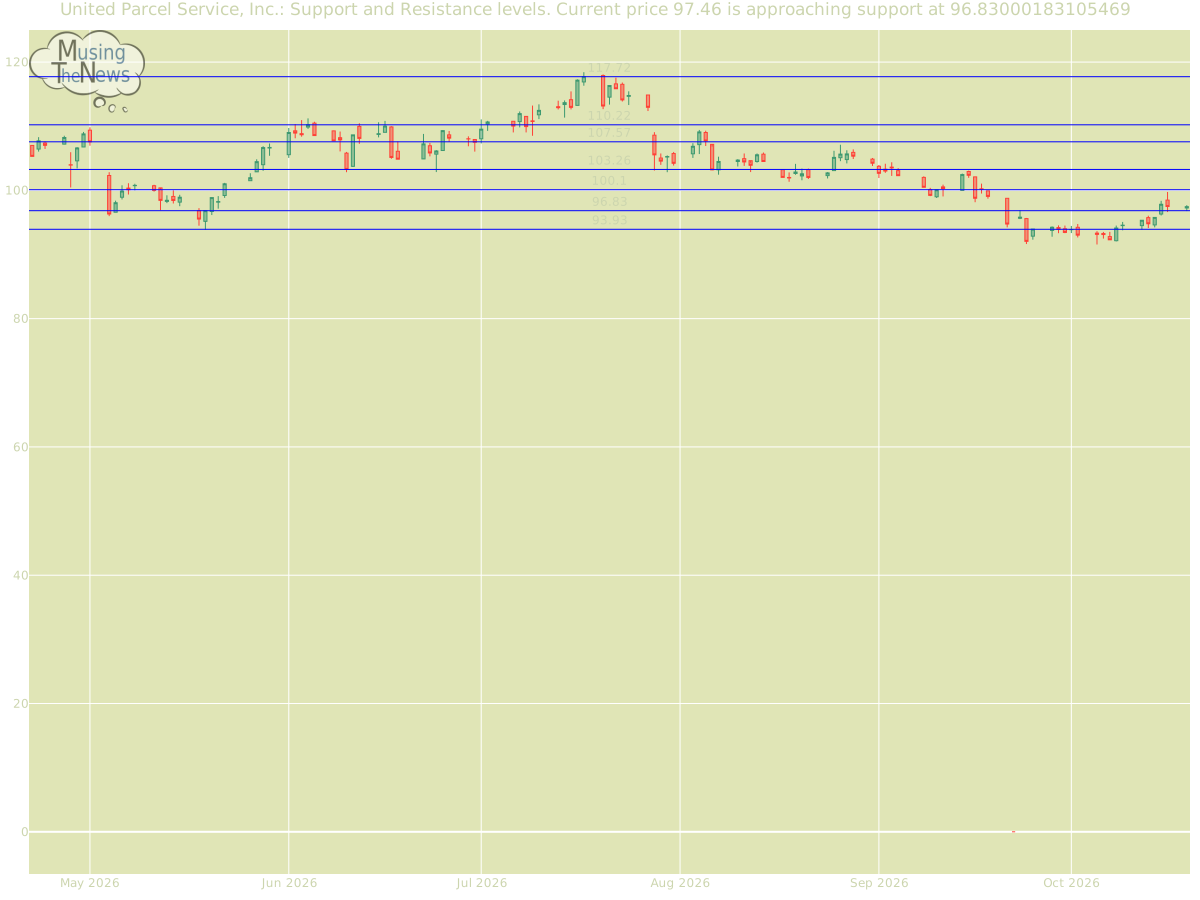
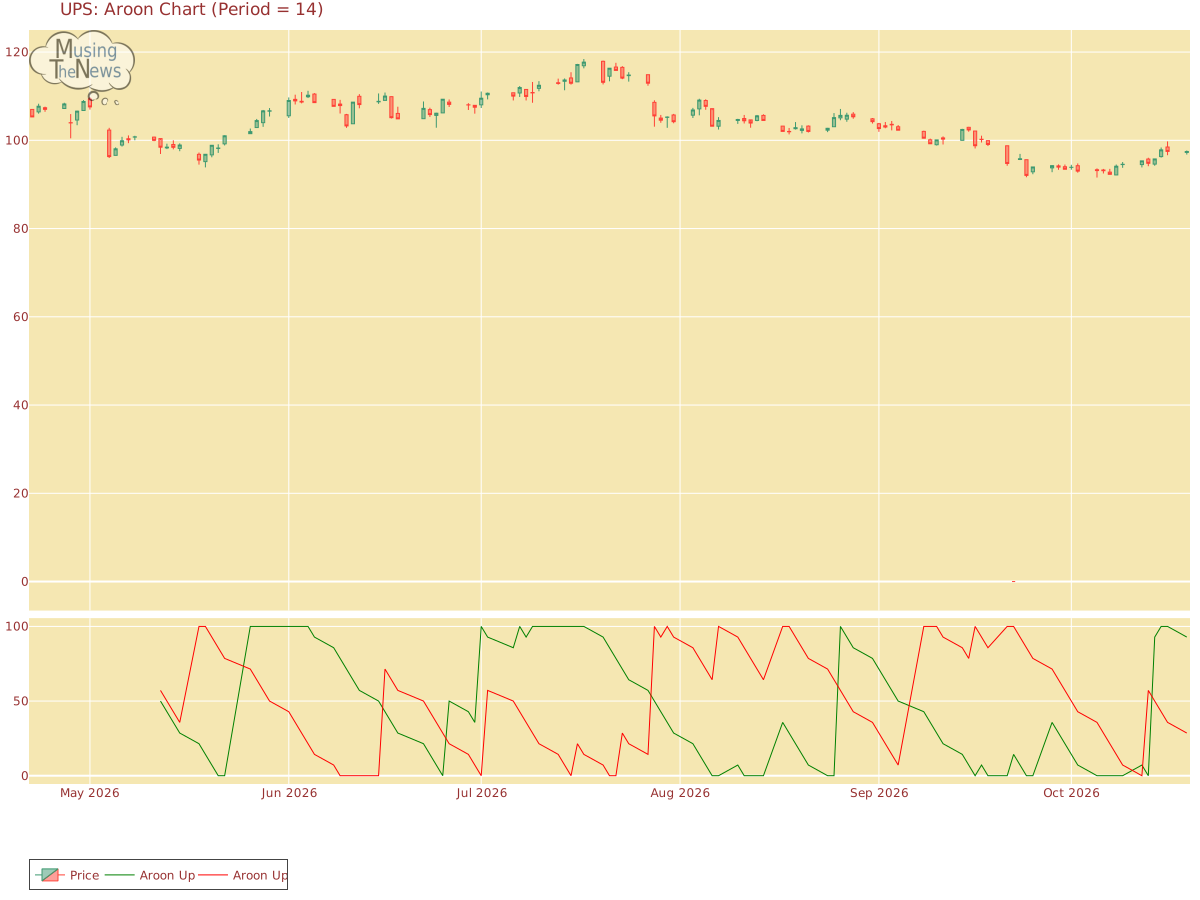
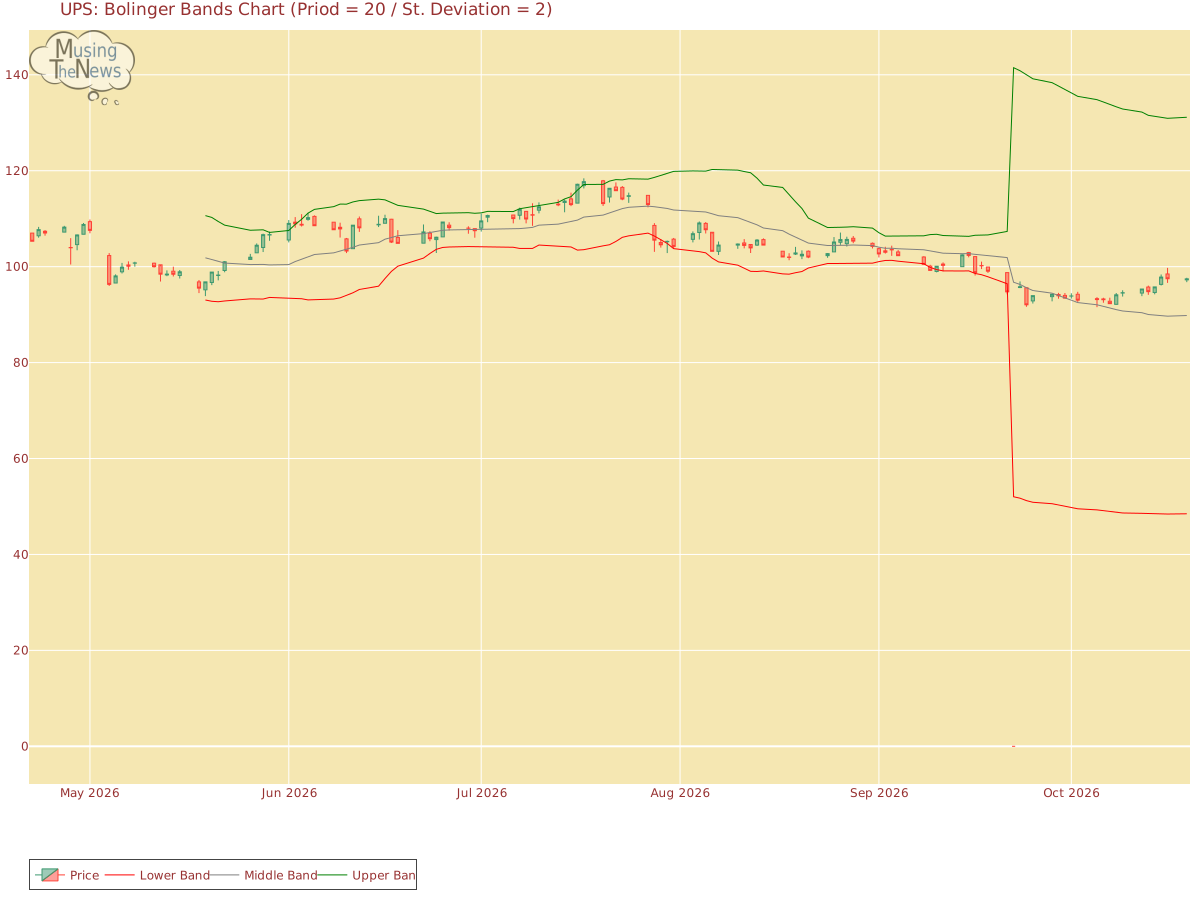
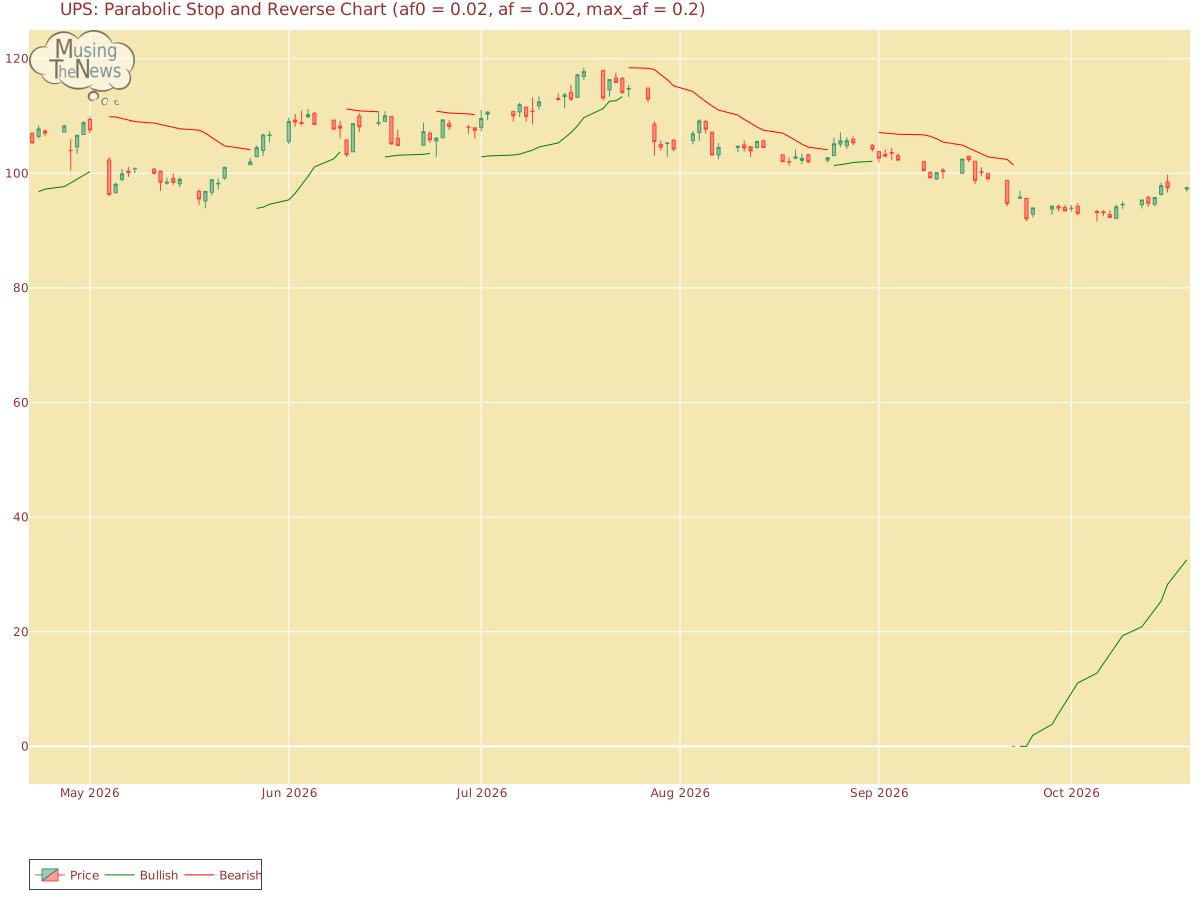
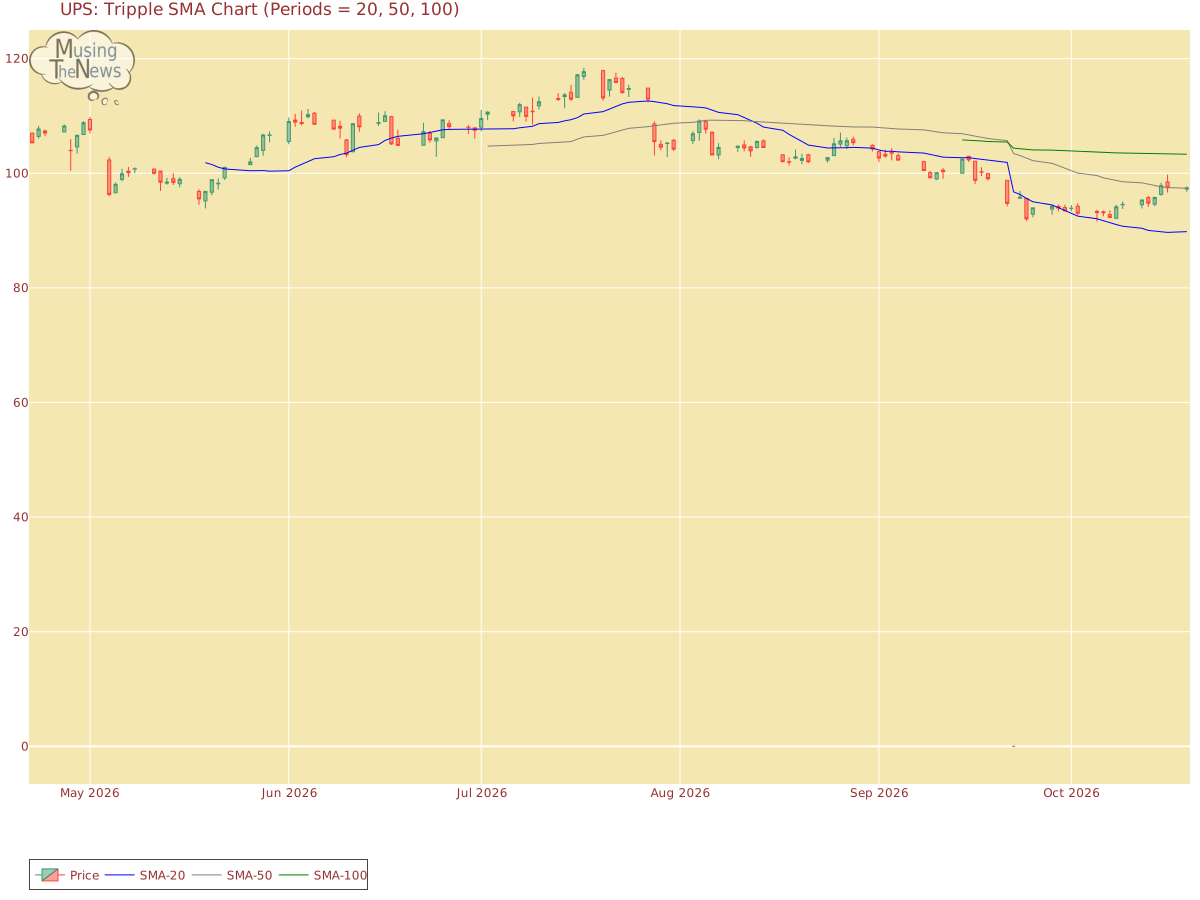
Support and Resistance: The price of 97.46 is supported at 96.83 and faces resistance at 100.1. This range suggests key levels for UPS where the price may stabilize, with 96.83 acting as a support and 100.1 as a cap on gains.Support/Resistance for UPSAroon: The current reading of the AROON is neutral, offering no clear signals for a movement in either direction. This suggests that the market may be in a holding pattern, with no dominant trend in place.Aroon chart for United Parcel Service, Inc.Bol. Bands: The current state of the BOLL BANDS is neutral for UPS, providing no clear indication of a trend in either direction. This suggests that the market may be lacking momentum, making it difficult to predict future movements.Bolinger Bands chart for United Parcel Service, Inc.Parabolic SAR: The PSAR for UPS continues to signal a bullish outlook, establishing a crucial support level that may help sustain the current upward momentum. This level of support suggests that the market is likely to continue trending higher, providing a foundation for ongoing bullish movement.Parabolic Stop and Reverse chart for United Parcel Service, Inc.Stochastic: The current reading of the STOCHASTIC is neutral for UPS, with no clear signals for an upward or downward trend. This indicates that the market may be in a state of uncertainty, with no dominant force driving the direction.Stochastic chart for United Parcel Service, Inc.Tripple Moving Agerage: The moving averages for UPS for the 20-50-100 periods point to a bullish trend, but the slopes of the faster averages suggest this strength may be waning. The potential for a reversal is becoming apparent, as the shorter-term averages indicate that the upward momentum could be weakening, signaling a possible trend change.Tripple SMA chart for United Parcel Service, Inc. When assessing a company's technical performance, such as stock price fluctuations and trading volume, it is crucial to first examine its fundamentals. These fundamentals include financial health, profitability, and growth potential. Additionally, understanding the industry's dynamics, including competitive pressures and market trends, is key to contextualizing the company's performance. By integrating these factors, a more comprehensive and meaningful analysis can be conducted, leading to more informed investment decisions.