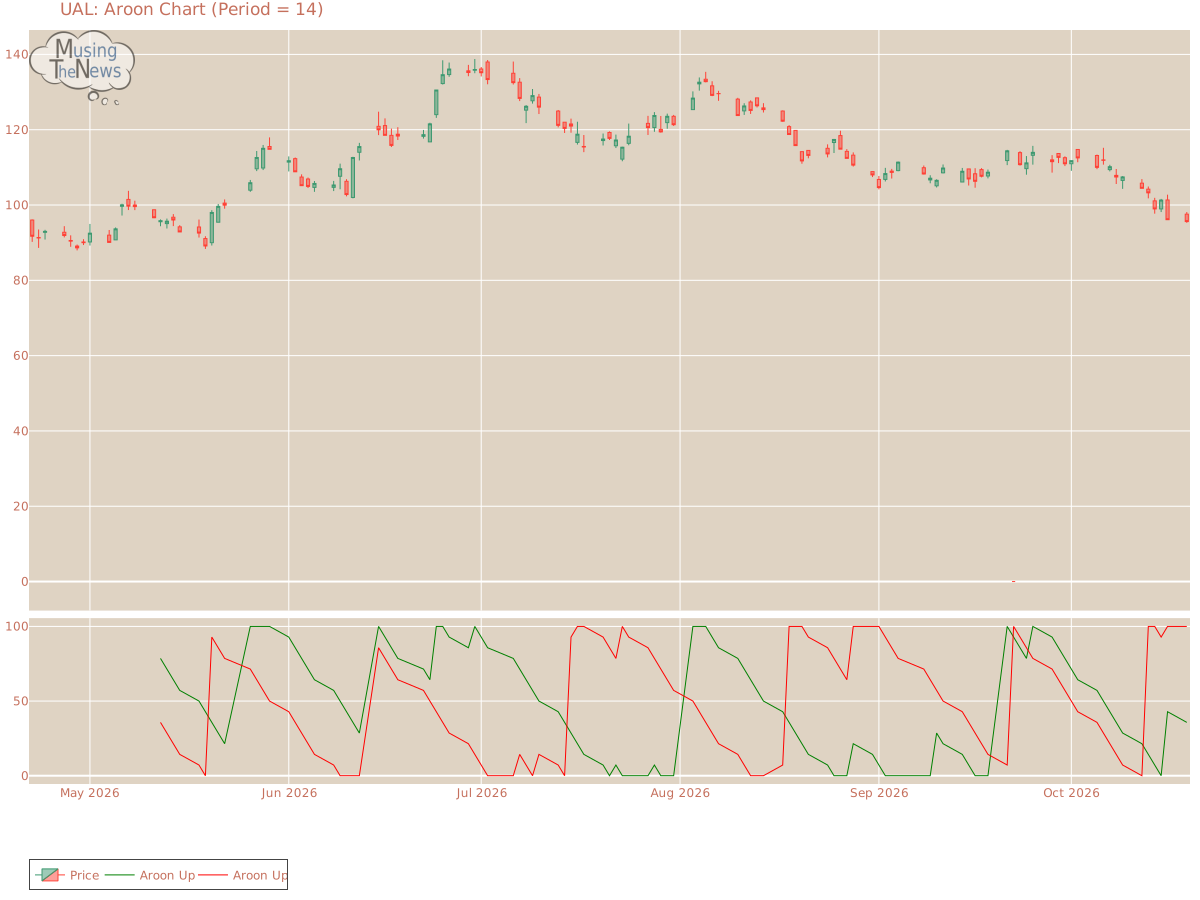
Aroon's bearish trend remains strong, with Aroon Down still at the 100 level. This suggests ongoing downward pressure. However, this trend should be further explored using ...
By MusingTheNews
Updated 2026-10-20 23:25:58
Overall Technical outlook
Price Summary
United Airlines Holdings, Inc.'s stock sank -2.02% today, marking a lacklustre performance in the market. On 2026-10-19, United Airlines Holdings, Inc.'s stock opened at 97.57, spiked to 98.13, declined to 95.27, and closed -2.02% lower at 95.6, with 4089500 shares traded. Over the previous 52 weeks, the stock reached a high of 136.11 and a low of 0.0.
Technicals
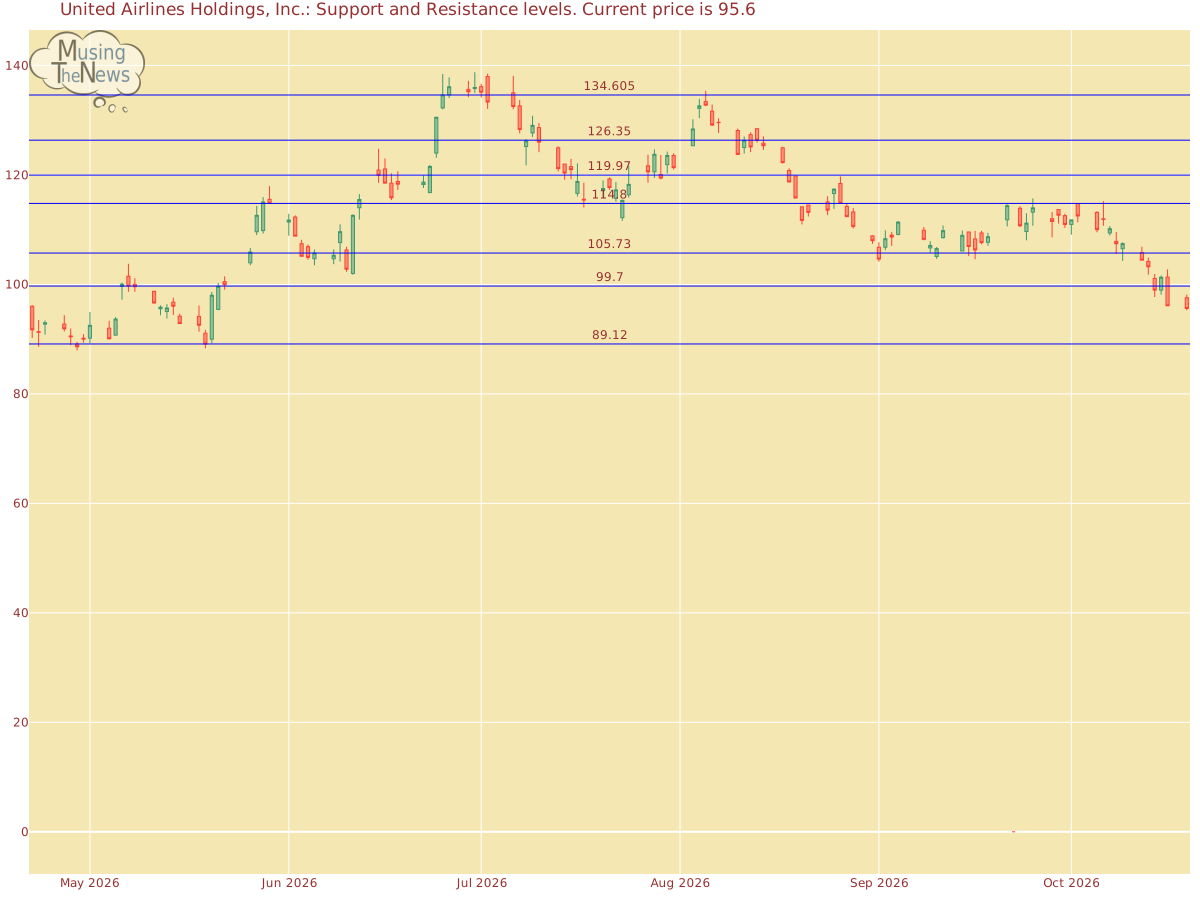
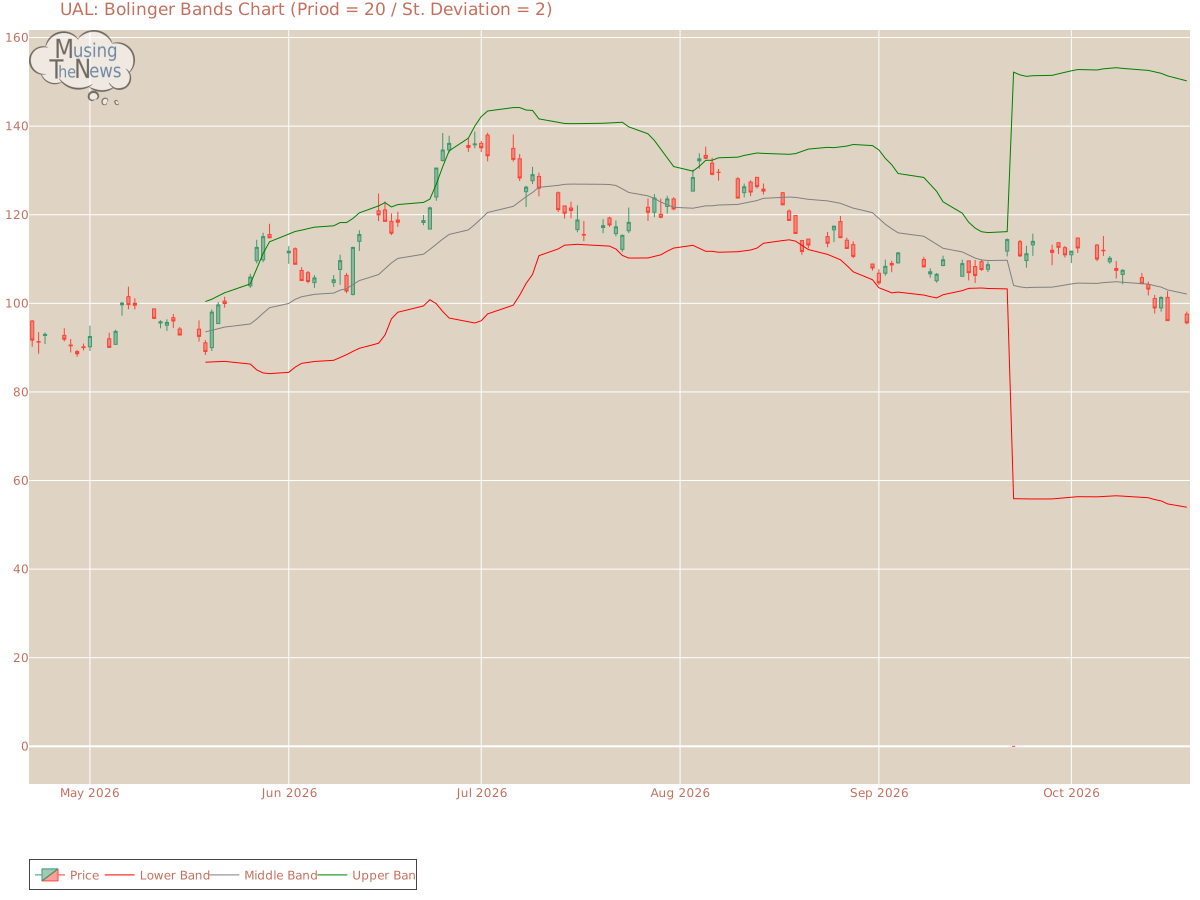
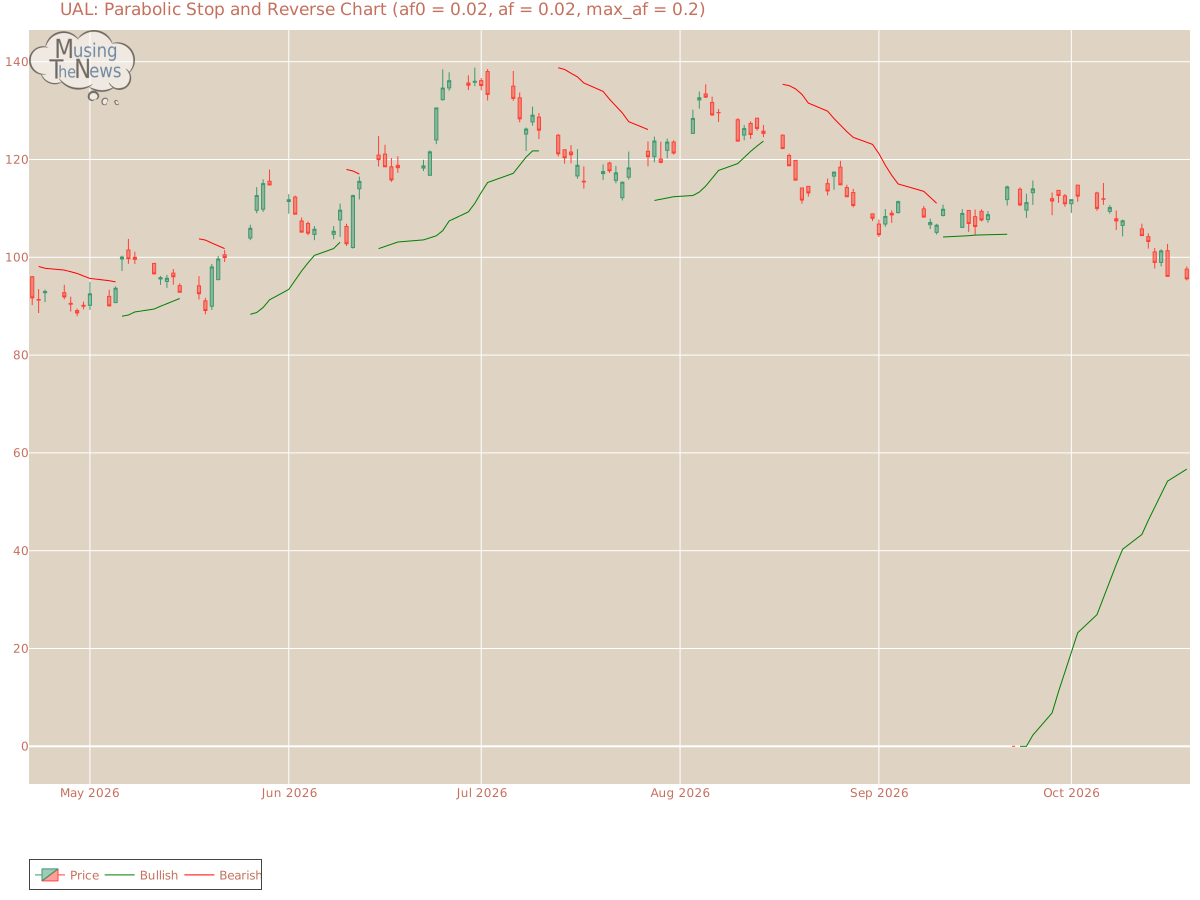
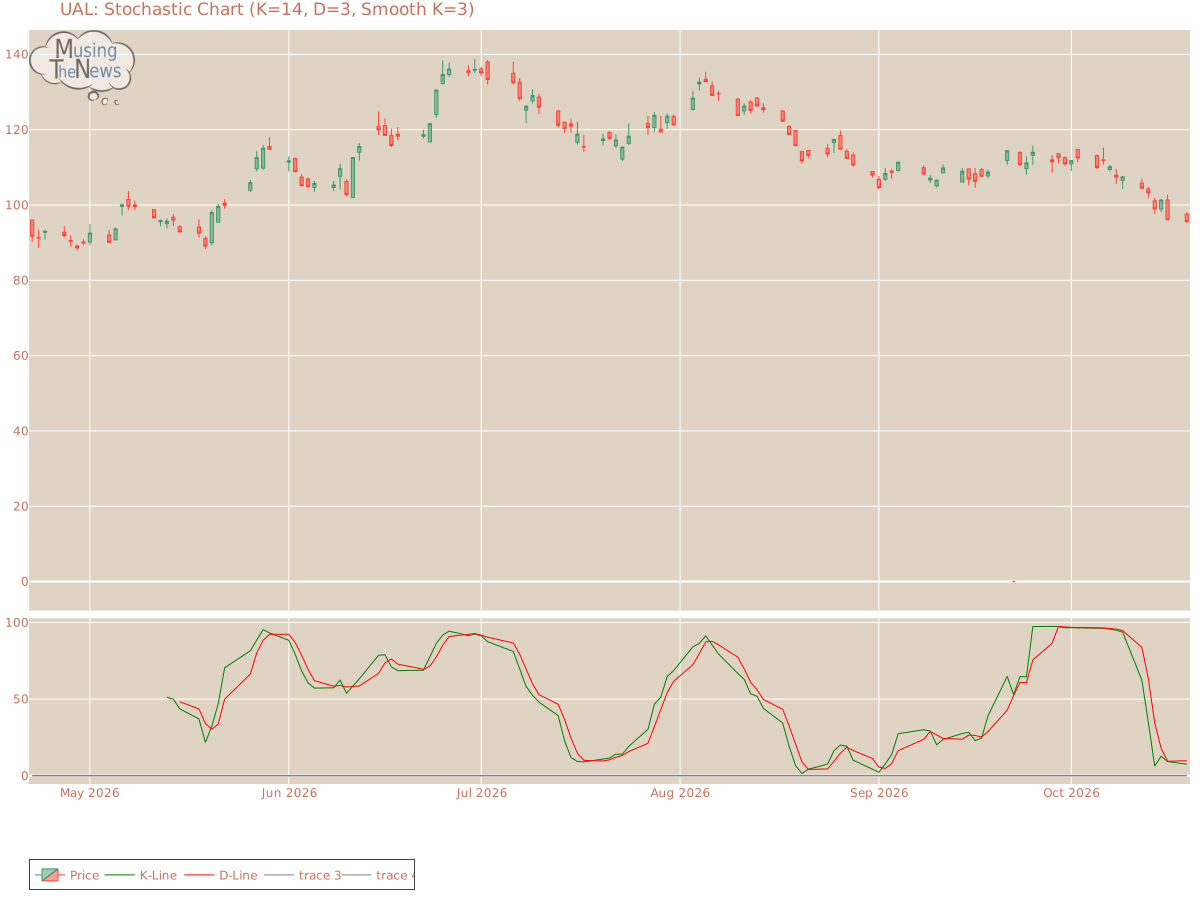
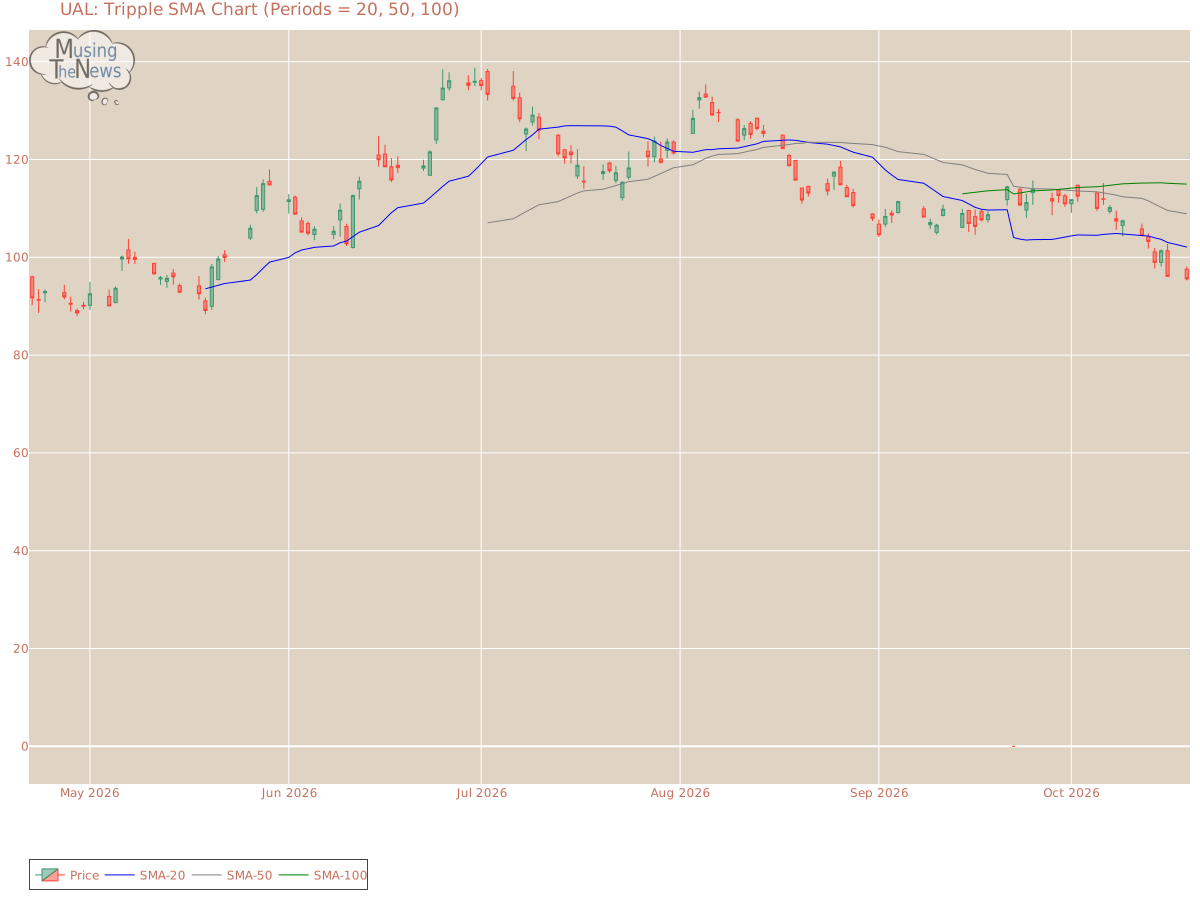
Support and Resistance: The current price of 95.6 for UAL is supported at 89.12 and faces resistance at 99.7. These levels indicate that 89.12 could act as a floor, while 99.7 might limit any further price increases.Support/Resistance for UALAroon: Aroon's bearish trend remains strong, with Aroon Down still at the 100 level. This suggests ongoing downward pressure. However, this trend should be further explored using additional indicators to gain a clearer understanding of its long-term significance.Aroon chart for United Airlines Holdings, Inc.Bol. Bands: The current state of the BOLL BANDS is neutral, with no clear trend direction indicated. This lack of directional bias suggests that the market may be in a phase of consolidation or uncertainty.Bolinger Bands chart for United Airlines Holdings, Inc.Parabolic SAR: The PSAR maintains its bullish stance, setting a significant support level that could help maintain the market's upward movement. This strong support suggests that the market is poised to continue its positive trend, providing confidence in the ongoing bullish momentum.Parabolic Stop and Reverse chart for United Airlines Holdings, Inc.Stochastic: The Stochastic K-line's descent below the D-line and under 20 suggests a mildly bearish outlook for UAL. This indicates that the market may face some pressure to the downside, though the bearish tone is moderate. Investors should consider this as a potential early warning sign.Stochastic chart for United Airlines Holdings, Inc.Tripple Moving Agerage: A bullish trend is reflected in the alignment of the 20-50-100 period moving averages, though the slopes of the faster averages hint at a possible reversal. This weakening momentum suggests that while the overall trend is still upward, traders should be cautious of a potential shift in the near future.Tripple SMA chart for United Airlines Holdings, Inc. When analyzing a company, its fundamentals—such as earnings, management efficiency, and strategic initiatives—must be considered alongside technical data. The context of the industry in which the company operates also plays a key role, as market trends and competitive dynamics can significantly impact performance. By taking a comprehensive approach, combining both fundamental and technical analysis, one can gain a deeper understanding of the company's potential for growth or risk.