Fundamentals for Tyson Foods, Inc.
TSN experienced 2 selling transactions, with market price of 57.59499931335449.1 purchases of TSN stock were recorded, with market price of 51.41999816894531 per share....






Business Operations:
Sector: Consumer DefensiveIndustry: Farm Products
Tyson Foods, Inc., together with its subsidiaries, operates as a food company worldwide. It operates through four segments: Beef, Pork, Chicken, and Prepared Foods. The company processes live fed cattle and hogs; fabricates dressed beef and pork carcasses into primal and sub-primal meat cuts, as well as case ready beef and pork, and fully cooked meats; raises and processes chickens into fresh, frozen, and value-added chicken products, including breaded chicken strips, nuggets, patties, and other ready-to-fix or fully cooked chicken parts; and supplies poultry breeding stock. It also manufactures and markets frozen and refrigerated food products, including ready-to-eat sandwiches, flame-grilled hamburgers, Philly steaks, pepperoni, bacon, breakfast sausage, turkey, lunchmeat, hot dogs, flour and corn tortilla products, appetizers, snacks, prepared meals, ethnic foods, side dishes, meat dishes, breadsticks, and processed meats under the Tyson, Jimmy Dean, Hillshire Farm, Ball Park, Wright, Aidells, Gallo Salame, ibp, and State Fair brands. The company sells its products through its sales staff to grocery retailers, grocery wholesalers, meat distributors, warehouse club stores, military commissaries, industrial food processing companies, chain restaurants or their distributors, live markets, international export companies, and domestic distributors who serve restaurants and food service operations, such as plant and school cafeterias, convenience stores, hospitals, and other vendors, as well as through independent brokers and trading companies. Tyson Foods, Inc. was founded in 1935 and is headquartered in Springdale, Arkansas.
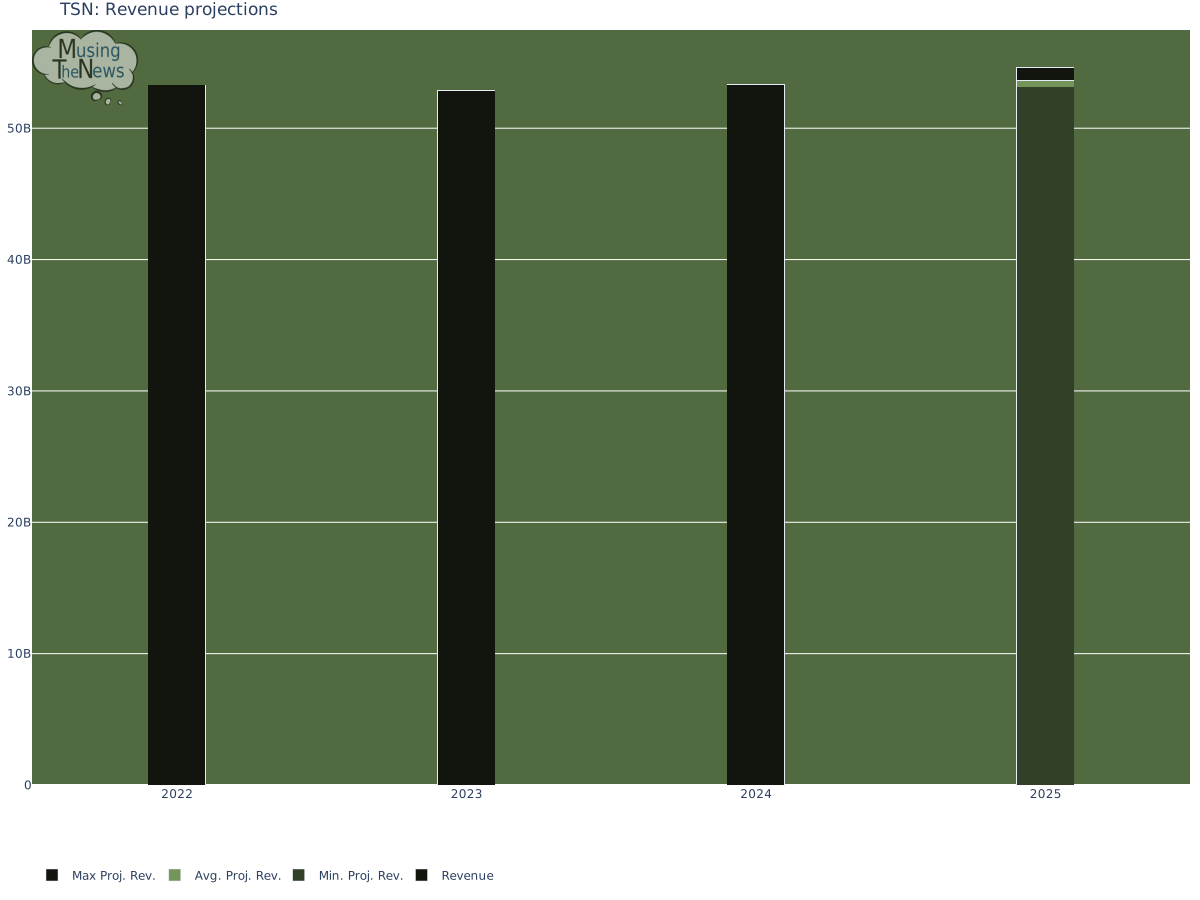
Revenue projections:
Financial Ratios:
| currentRatio | 1.433000 |
|---|---|
| forwardPE | 13.204547 |
| debtToEquity | 44.025000 |
| earningsGrowth | 2.041000 |
| revenueGrowth | -0.001000 |
| grossMargins | 0.065540 |
| operatingMargins | 0.027110 |
| trailingEps | 1.630000 |
| forwardEps | 4.092530 |
TSN's current ratio of 1.433 shows that the company has ample resources to service its short-term debt. This indicates a solid financial position, as TSN can rely on its cash reserves and current assets to cover its immediate liabilities without strain.
TSN's Forward PE being in a reasonable range suggests the stock is fairly priced based on its earnings. The stock isn't overpriced, leaving room for growth, making it an attractive investment for those seeking opportunities for future value appreciation.
TSN's forward EPS being higher than its trailing EPS suggests that the company is expected to generate stronger profits this year. This points to improving financial performance, with TSN anticipated to deliver better earnings than it did in the prior year.
Price projections:
Insider Transactions:
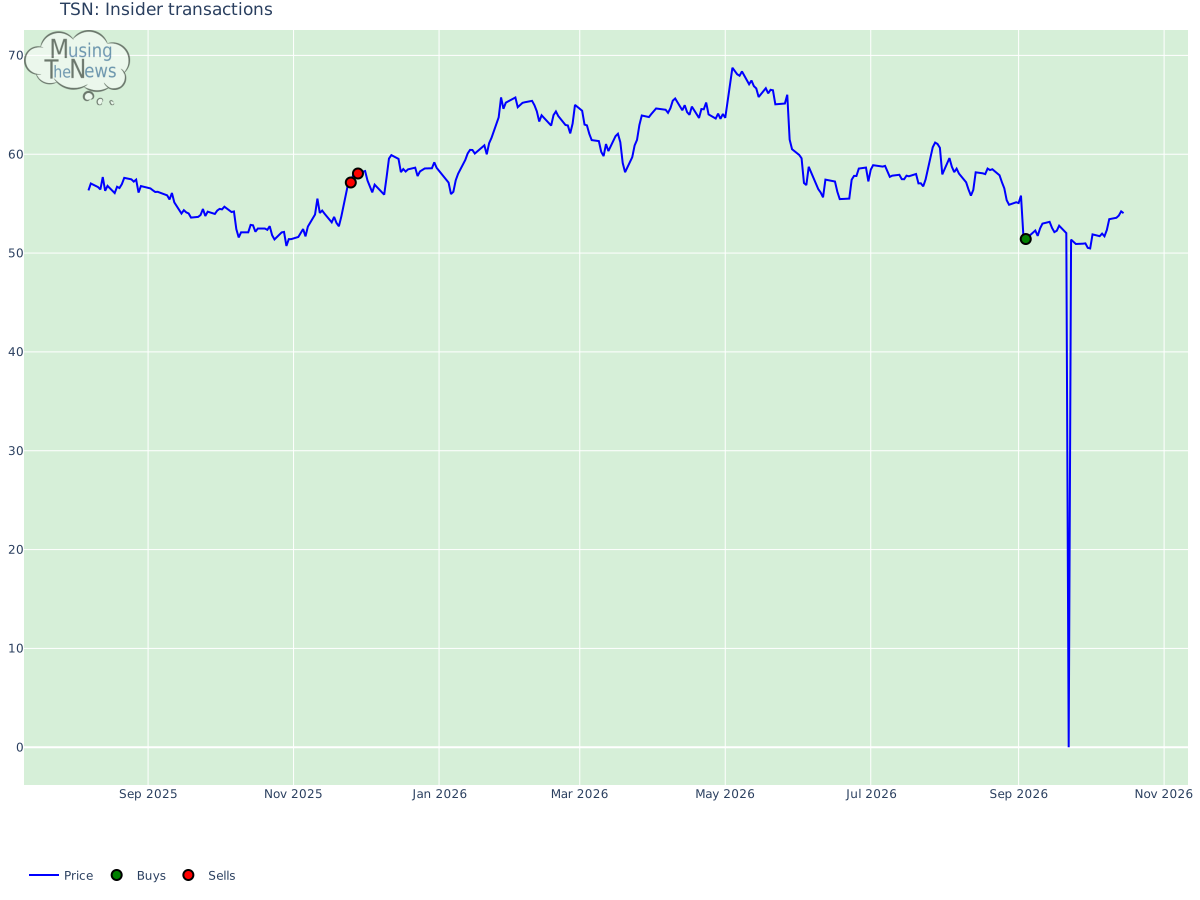
TSN experienced 2 selling transactions, with market price of 57.59499931335449.1 purchases of TSN stock were recorded, with market price of 51.41999816894531 per share.The recent trend of more purchases than sales at Tyson Foods, Inc.'s current price could signal investor optimism. This pattern may point to a positive outlook for the stock, as it indicates growing confidence in its potential to perform well in the future.
Recommendation changes over time:
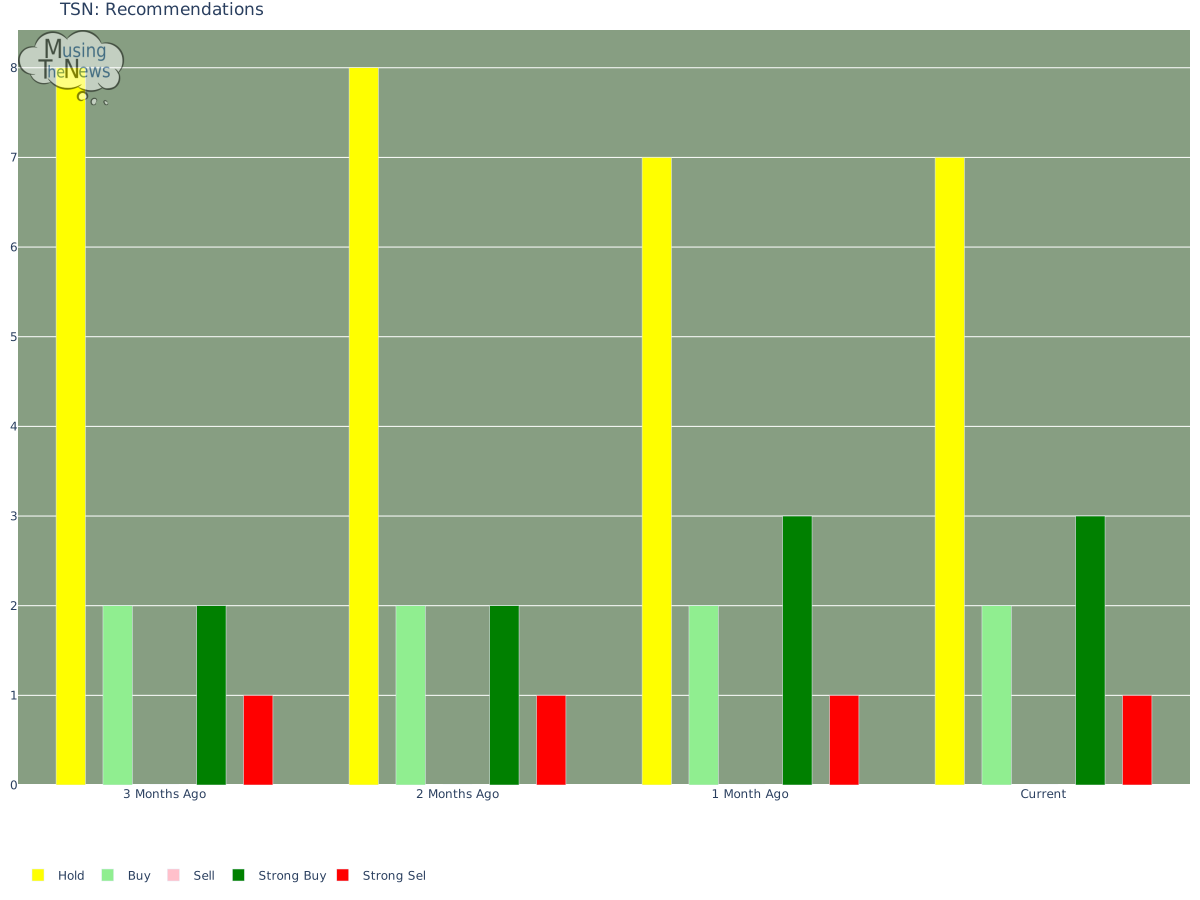
With analysts showing a buy bias for TSN, investors may be more inclined to see the stock as an attractive investment. The favorable outlook could spur increased interest, positioning TSN as a safe and profitable place for investors to allocate their funds and seek growth.