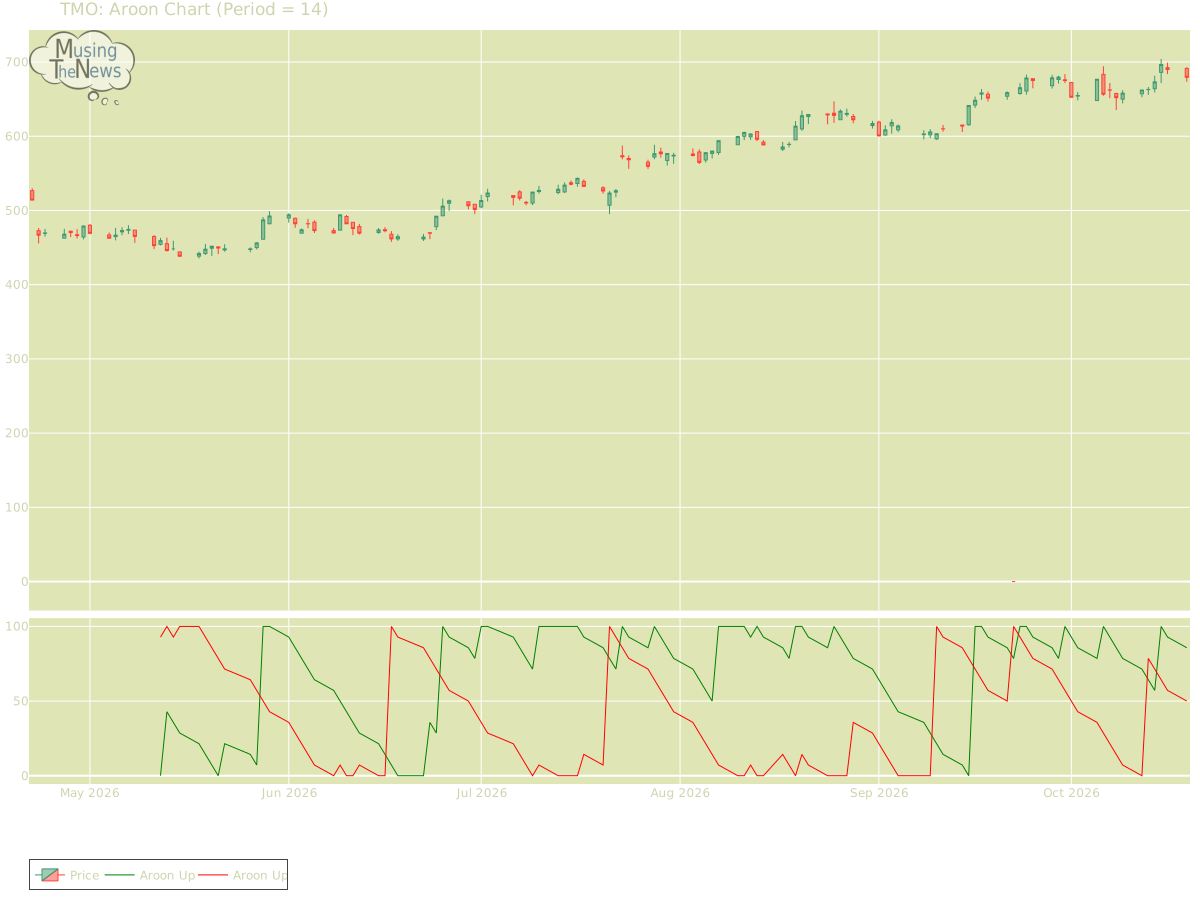
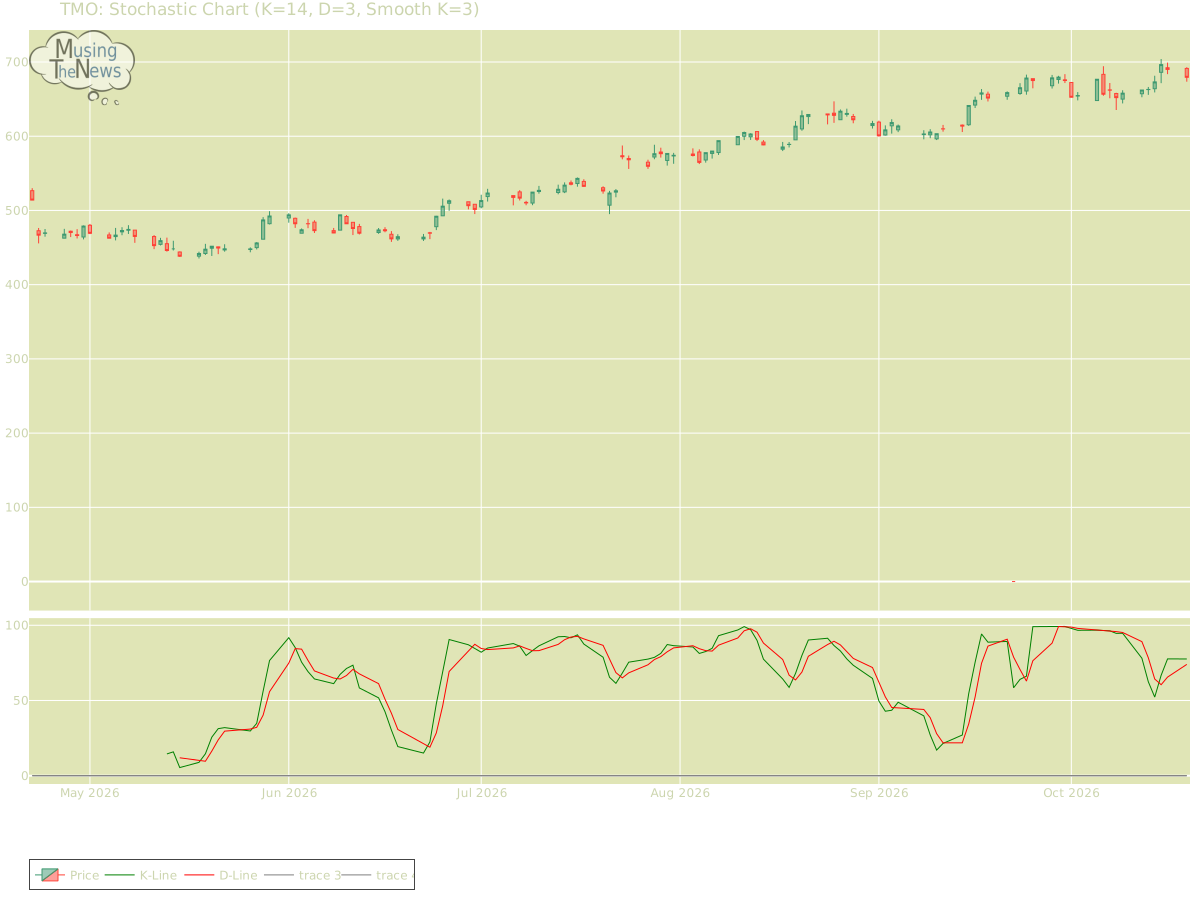
The AROON is currently neutral, showing no clear bias toward a rising or falling trend. This lack of directional clarity suggests that the market may be in a holding patter...
By MusingTheNews
Updated 2026-10-20 23:25:56
Overall Technical outlook
Price Summary
On 2026-10-19, TMO's stock started at 691.31, reached a high of 692.99, fell to 673.47, and ended -1.73% lower at 679.38, with 2403800 shares traded. The peak price for the stock in the past 52 weeks is 696.49, with the lowest price being 0.0.
Technicals
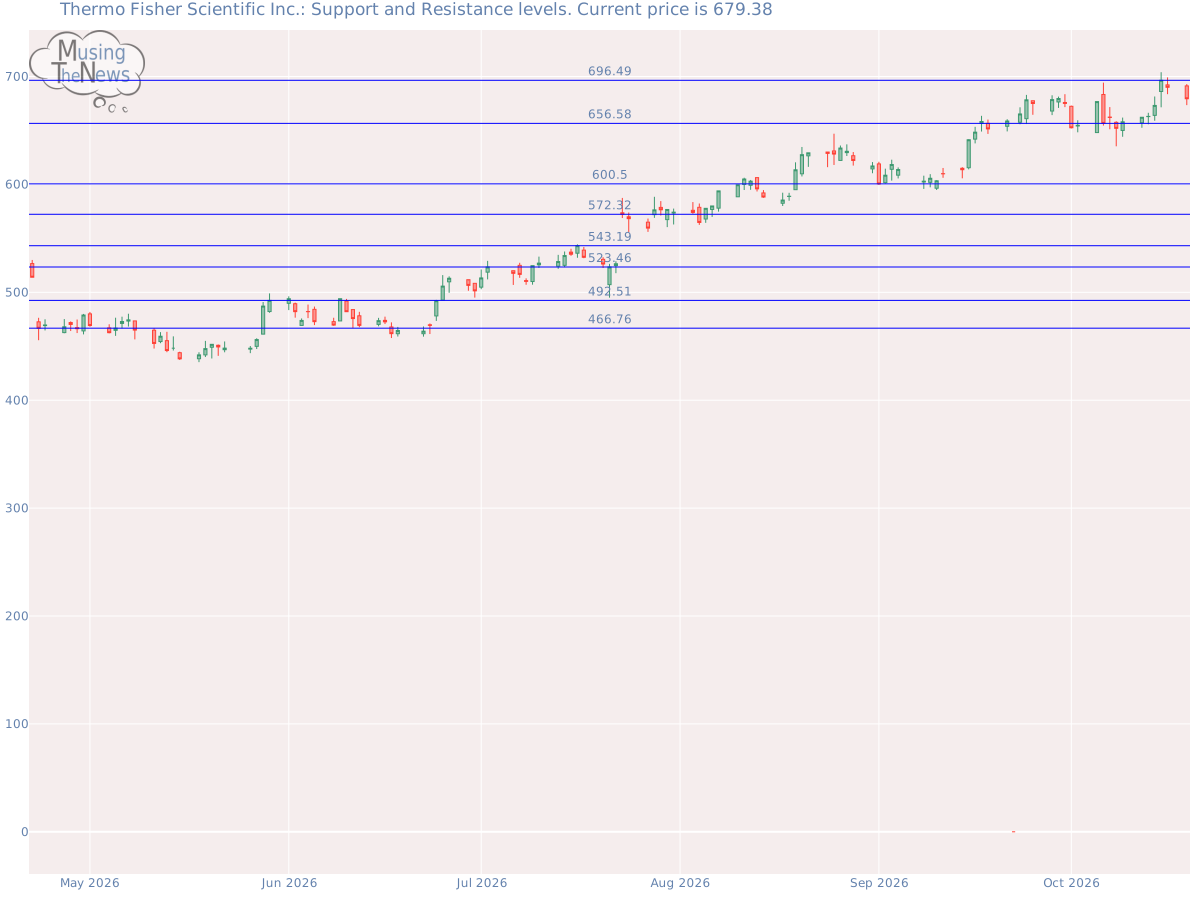
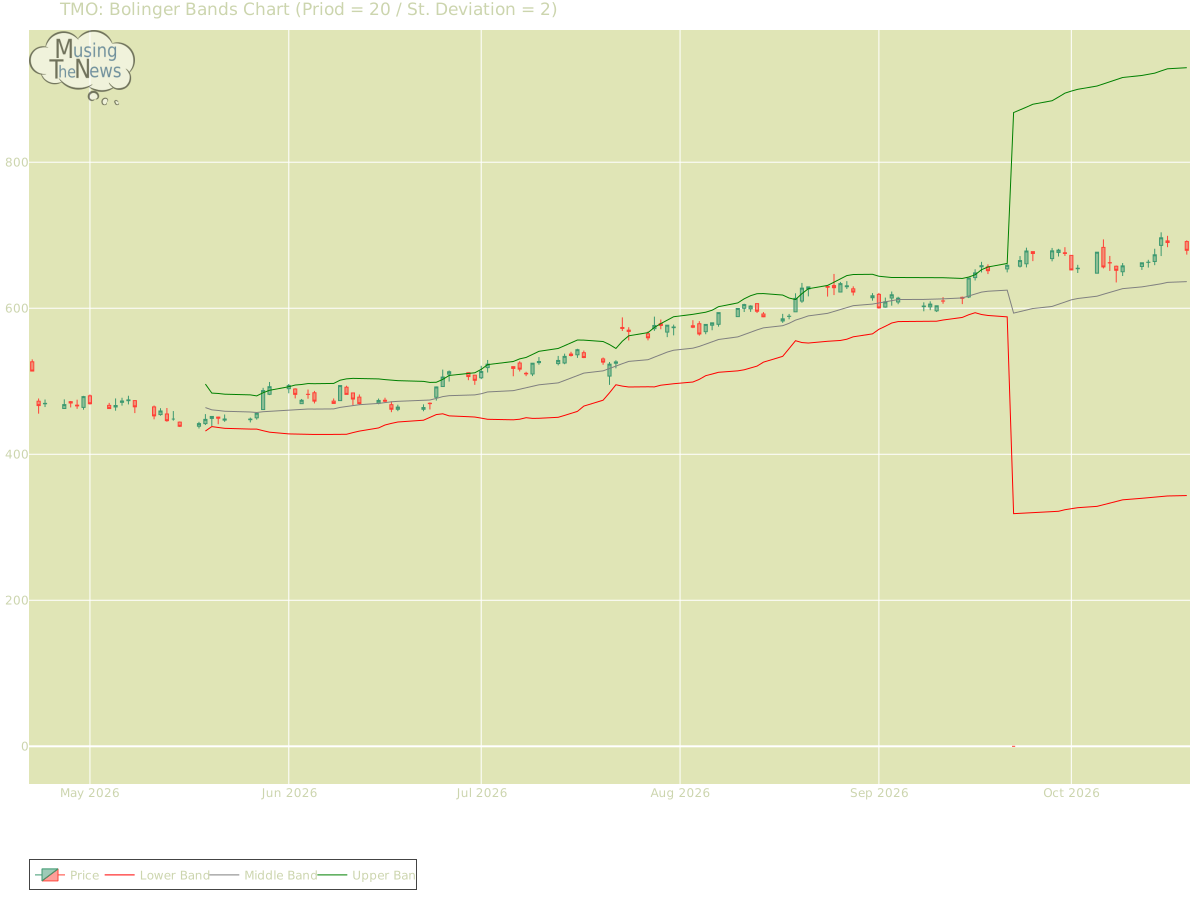
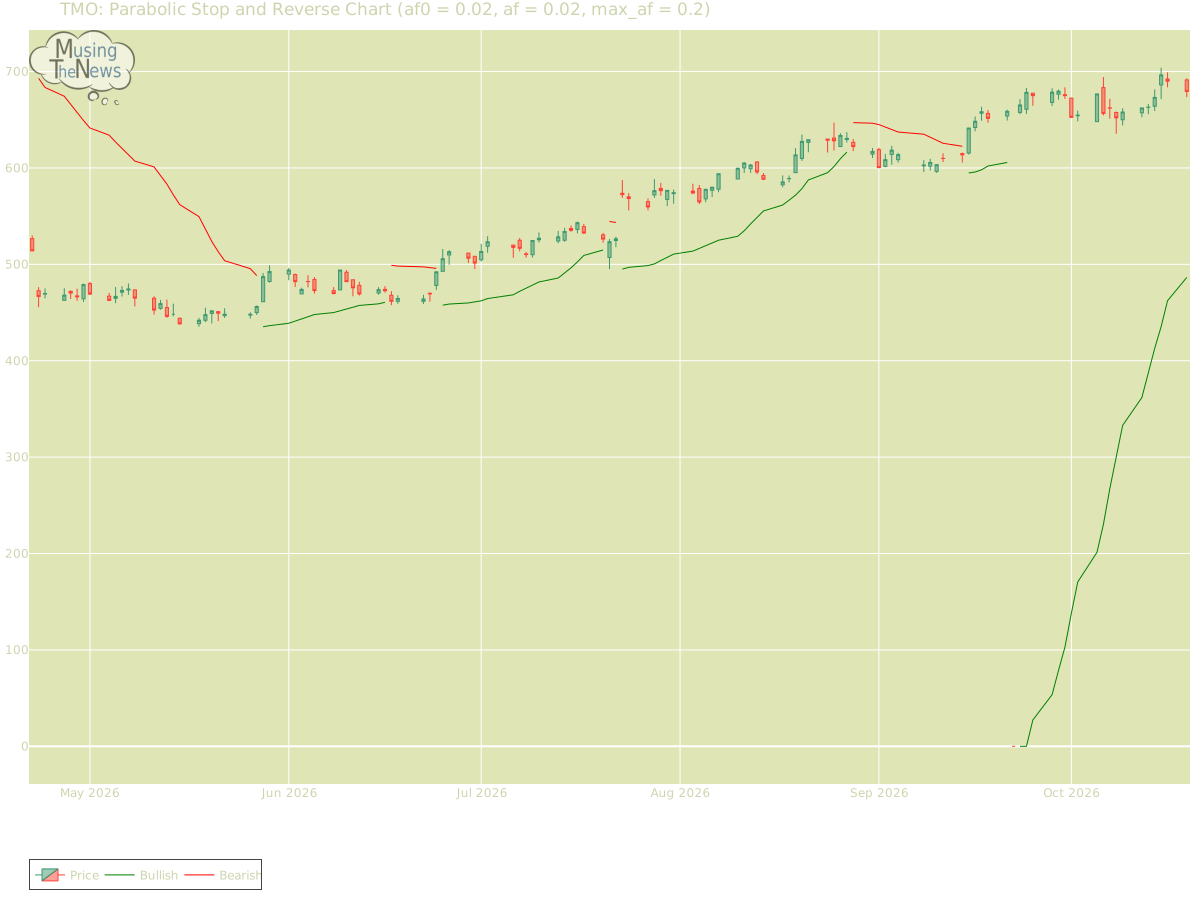
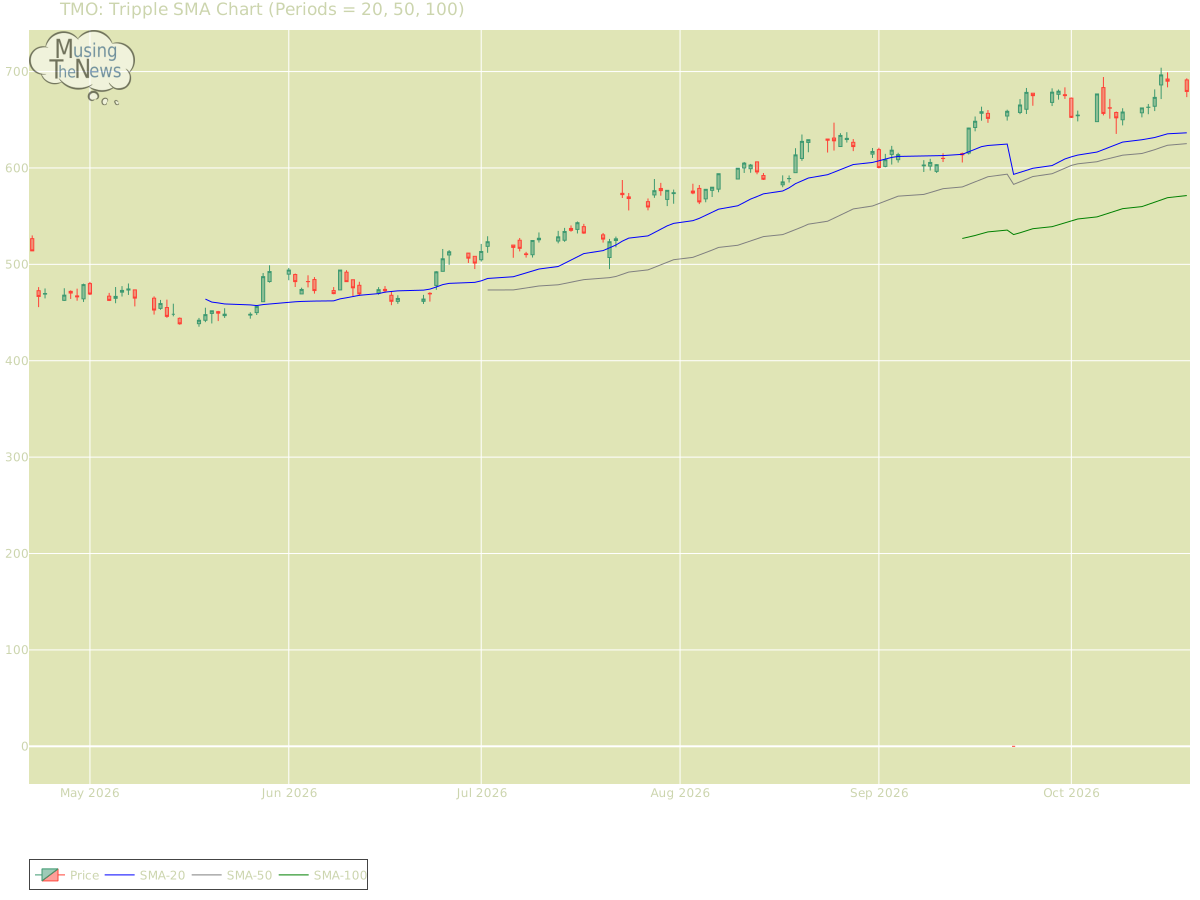
Support and Resistance: The current price of 679.38 is supported at 656.58, with resistance at 696.49. This suggests that the price for TMO might remain between these levels, where 656.58 acts as a floor and 696.49 as a ceiling in the market.Support/Resistance for TMOAroon: The AROON is currently neutral, showing no clear bias toward a rising or falling trend. This lack of directional clarity suggests that the market may be in a holding pattern, awaiting further developments.Aroon chart for Thermo Fisher Scientific Inc.Bol. Bands: The current reading of the BOLL BANDS is neutral, offering no clear signals for a movement in either direction. This suggests that the market may be in a holding pattern, with no dominant trend in place.Bolinger Bands chart for Thermo Fisher Scientific Inc.Parabolic SAR: The PSAR continues to be bullish for TMO, setting a strong support level that could sustain the ongoing upward trend. This level of support indicates that the market is likely to continue its positive trajectory, offering a base for continued bullish movement.Parabolic Stop and Reverse chart for Thermo Fisher Scientific Inc.Stochastic: The STOCHASTIC is currently neutral, offering no clear guidance on market direction. This suggests that the market may be in a state of pause, with no strong trend emerging.Stochastic chart for Thermo Fisher Scientific Inc.Tripple Moving Agerage: The alignment of the 20, 50, and 100 moving averages suggests a bearish trend, but the wavering slopes of the 20 and 50 SMAs hint at a potential shift. This weakening momentum could indicate that the bearish trend for TMO is losing steam, possibly leading to a bullish reversal in the near future. Investors should watch for signs of a market turnaround as the current downtrend shows signs of faltering.Tripple SMA chart for Thermo Fisher Scientific Inc. Before diving into the technical aspects of a company, such as stock price charts or volume trends, it's important to understand its fundamentals. These fundamentals include financial stability, growth potential, and strategic positioning. Additionally, knowing the broader industry landscape, including competitive pressures and regulatory factors, offers deeper insights. When this fundamental analysis is combined with technical indicators, it leads to more informed, accurate evaluations of the company's overall performance.