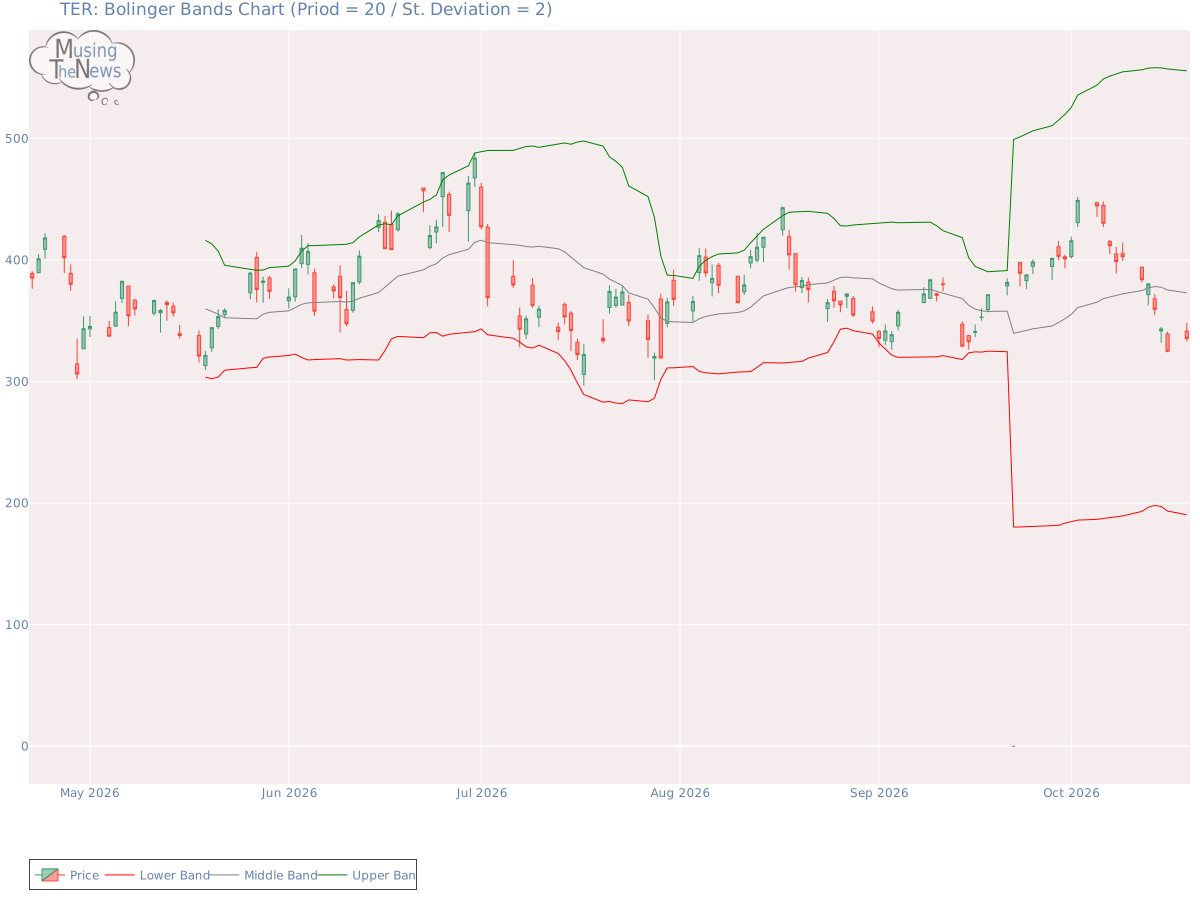
The current reading of the BOLL BANDS is neutral, offering no clear signals for a movement in either direction. This suggests that the market may be in a holding pattern, w...
By MusingTheNews
Updated 2026-10-20 23:25:55
Overall Technical outlook
Price Summary
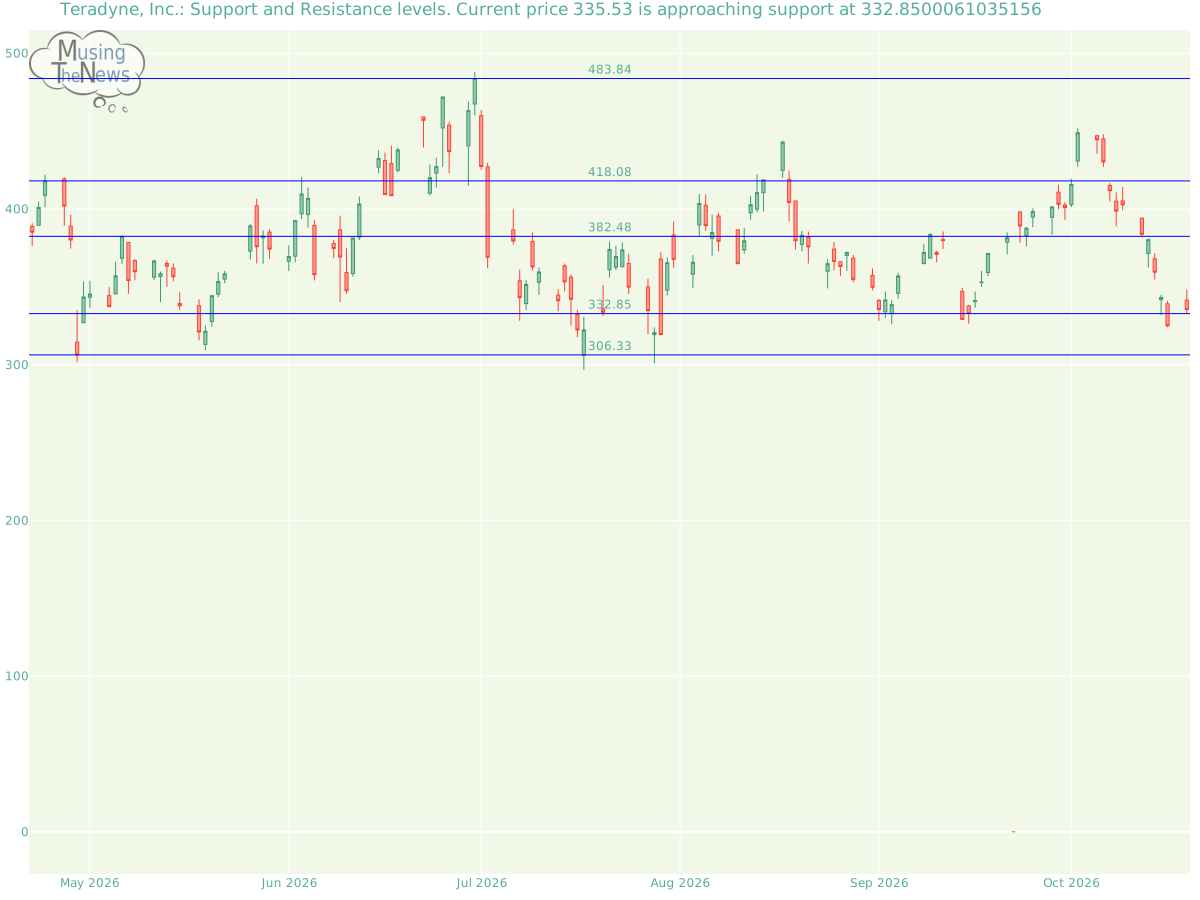
On 2026-10-19, TER's stock opened at 341.5, reached a peak of 348.38, dropped to 333.0, and ended -1.75% lower at 335.53, with a volume of 3403800 shares. The stock's highest price over the 52-week span is 483.84, while the lowest price is 0.0.
Technicals
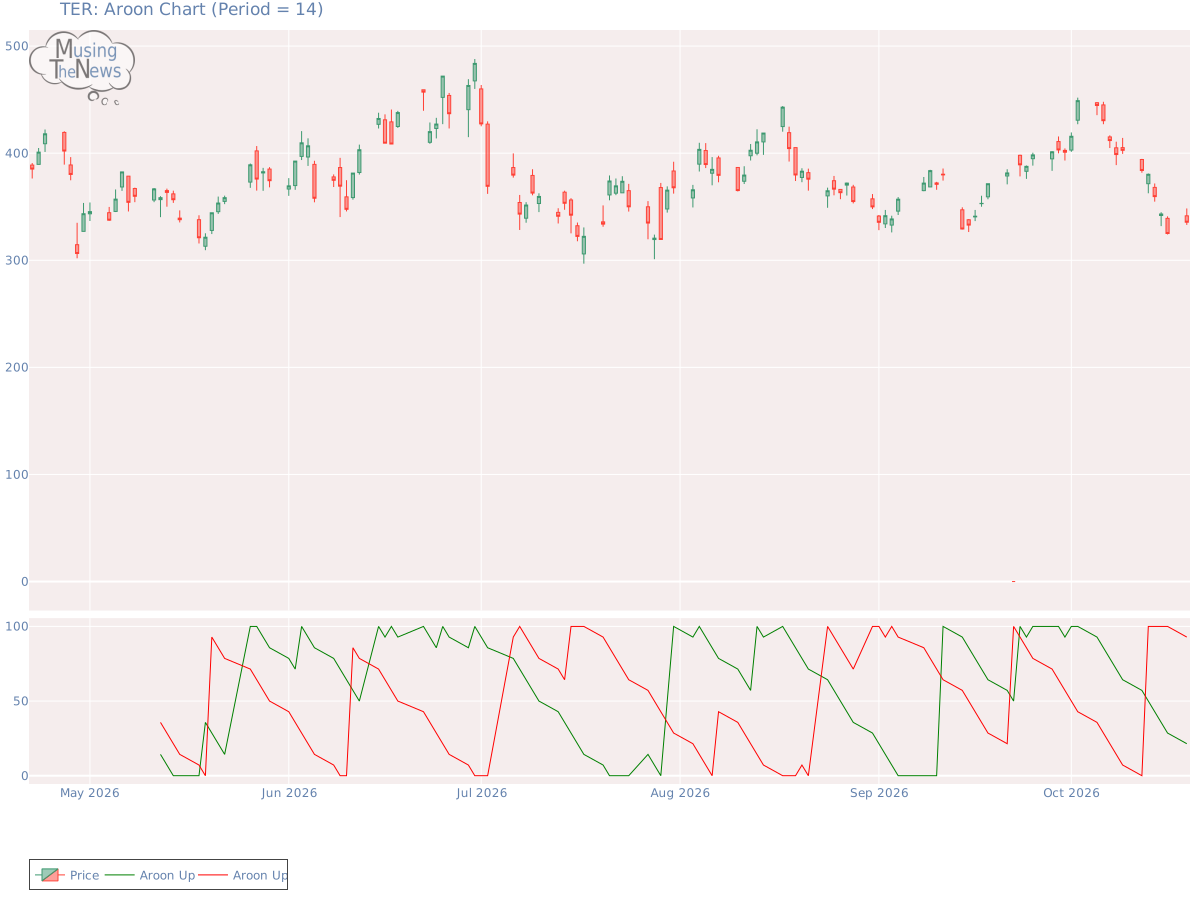
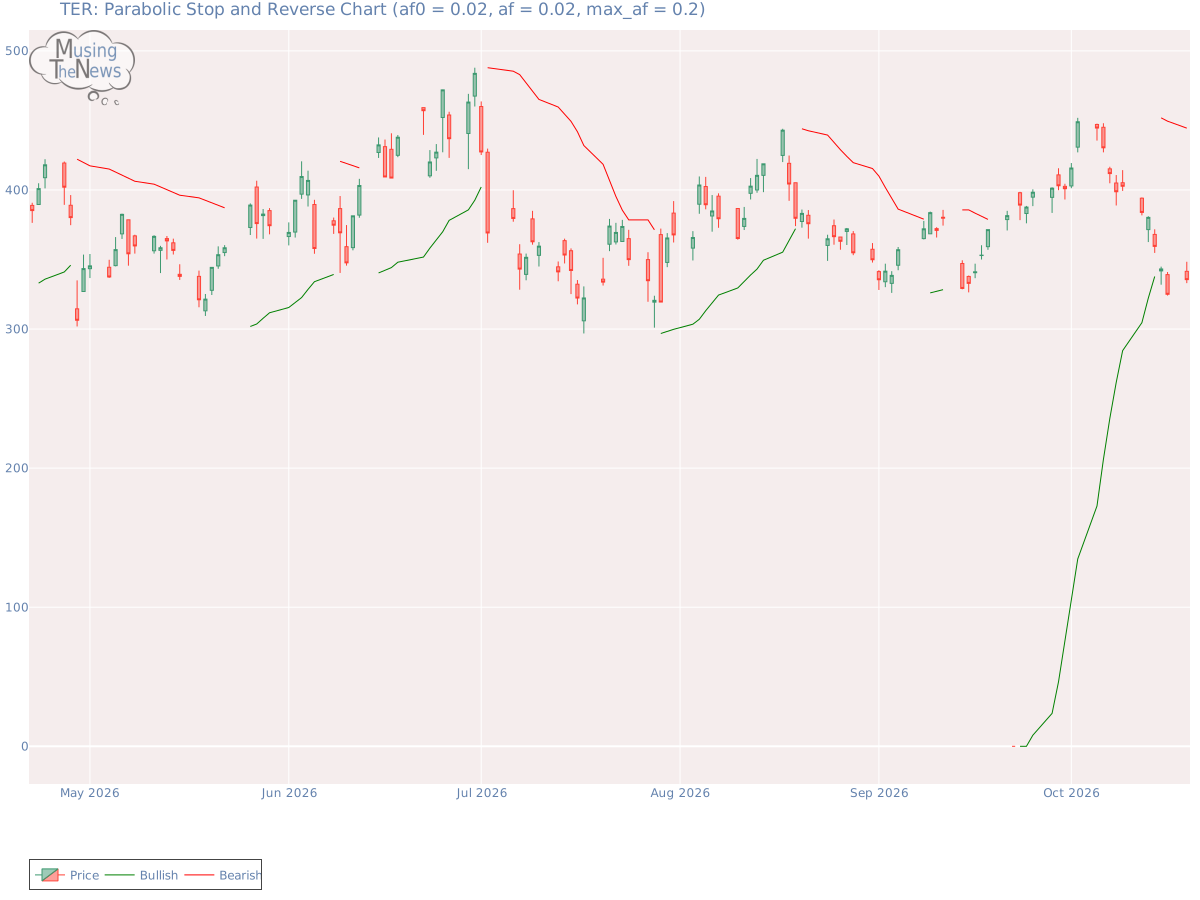
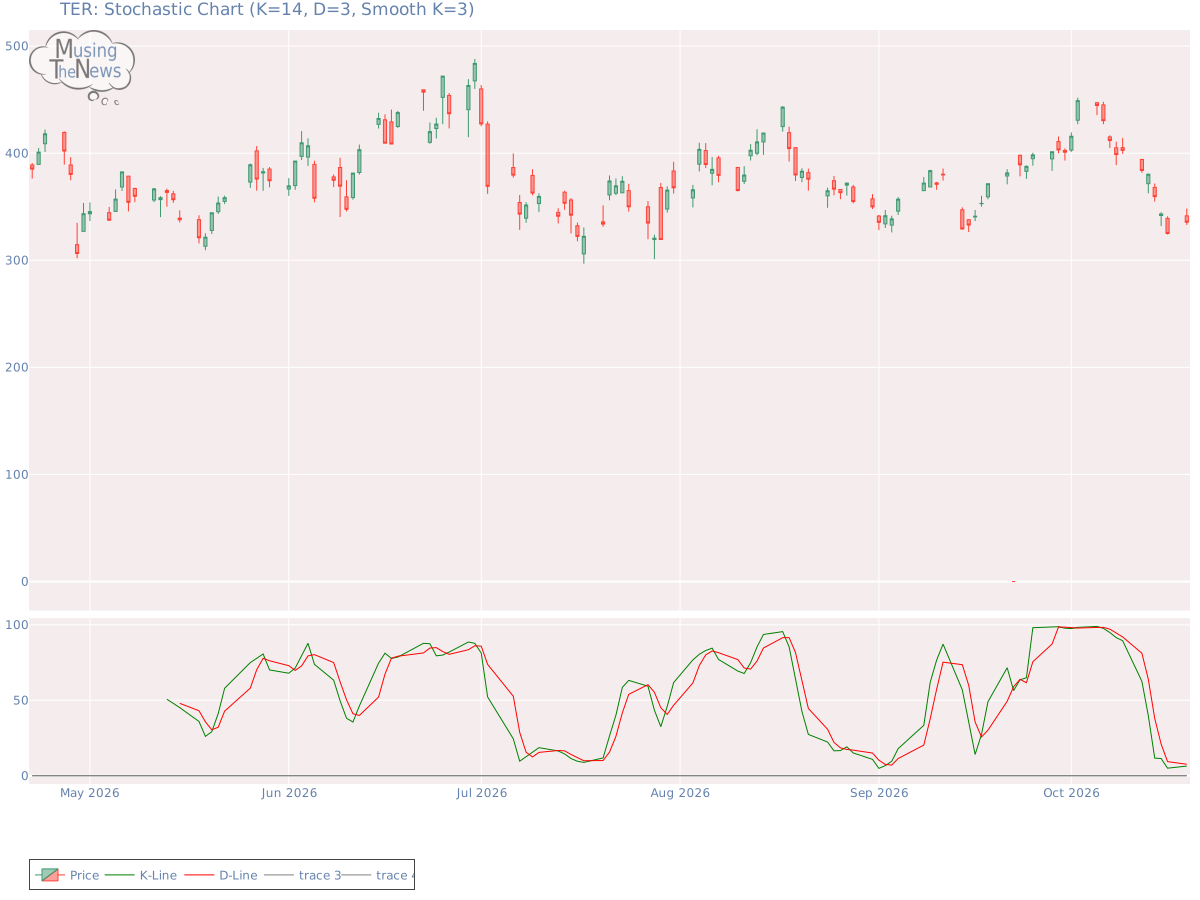
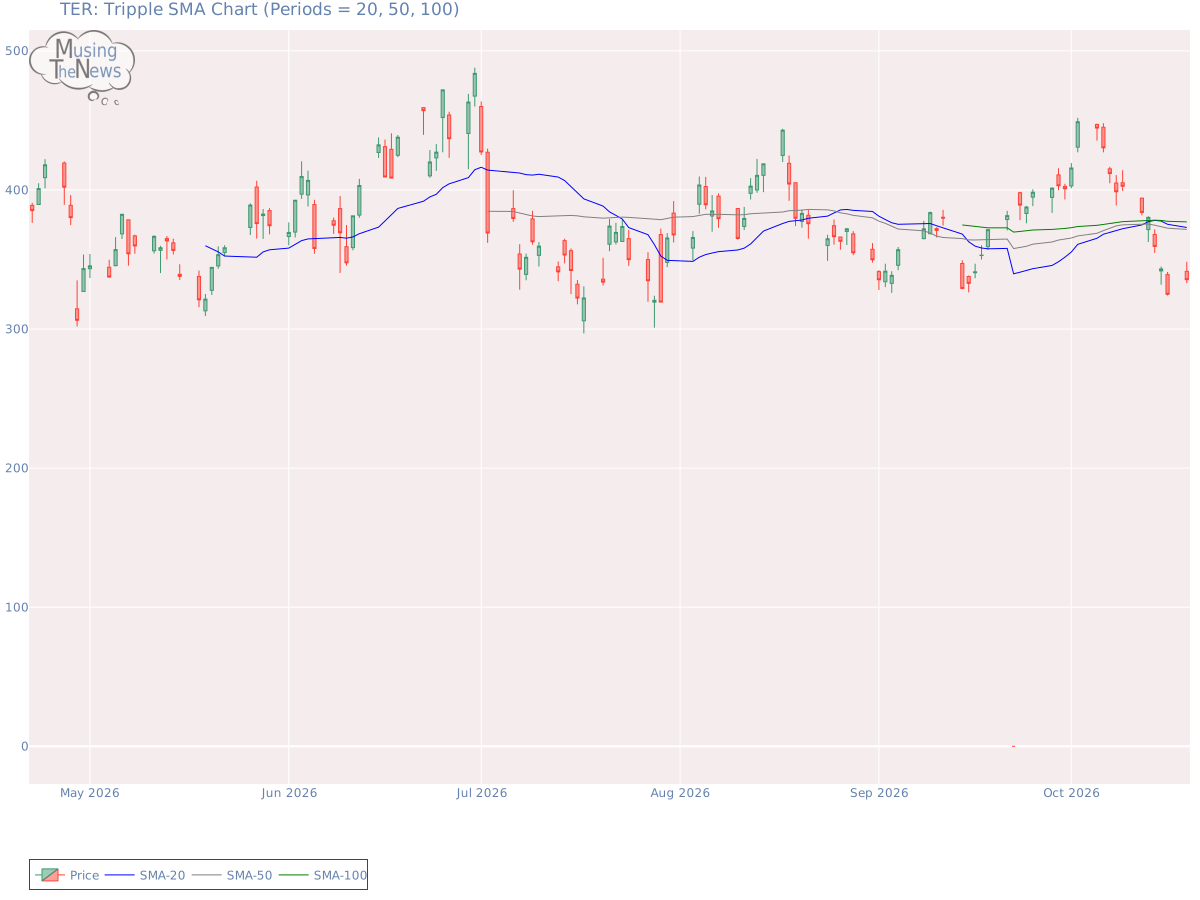
Support and Resistance: The price of 335.53 is supported at 332.85 and encounters resistance at 382.48. This suggests key levels where the price might find stability, with 332.85 providing a base and 382.48 acting as an upper boundary for TER.Support/Resistance for TERAroon: The AROON is in a neutral stance, with no clear signals for movement up or down. This neutral position indicates a potential period of consolidation or uncertainty in the market.Aroon chart for Teradyne, Inc.Bol. Bands: The current reading of the BOLL BANDS is neutral, offering no clear signals for a movement in either direction. This suggests that the market may be in a holding pattern, with no dominant trend in place.Bolinger Bands chart for Teradyne, Inc.Parabolic SAR: The PSAR maintains its bearish stance, setting a strong resistance level that could limit any potential upward movement. This ongoing bearish outlook suggests that the market may continue to face resistance, making it difficult to achieve significant gains for Teradyne, Inc..Parabolic Stop and Reverse chart for Teradyne, Inc.Stochastic: The Stochastic K-line has dropped beneath the D-line and is below 20, indicating a mildly bearish outlook. This suggests that the market might experience some downward movement, though the bearish sentiment is mild. Investors should keep an eye on this trend for further confirmation.Stochastic chart for Teradyne, Inc.Tripple Moving Agerage: The Tripple MOVING AVG is in a neutral stance, with no clear signals for movement up or down. This neutral position indicates a potential period of consolidation or uncertainty in the market.Tripple SMA chart for Teradyne, Inc. The technical analysis of a company's stock performance is valuable, but only when considered in conjunction with the company's fundamentals. These fundamentals, including financial strength, earnings growth, and leadership, provide a foundation for understanding market movements. Additionally, industry trends and competitive pressures play an important role. By integrating both fundamental and technical analysis, one can better evaluate the company's true potential and make more informed investment decisions.