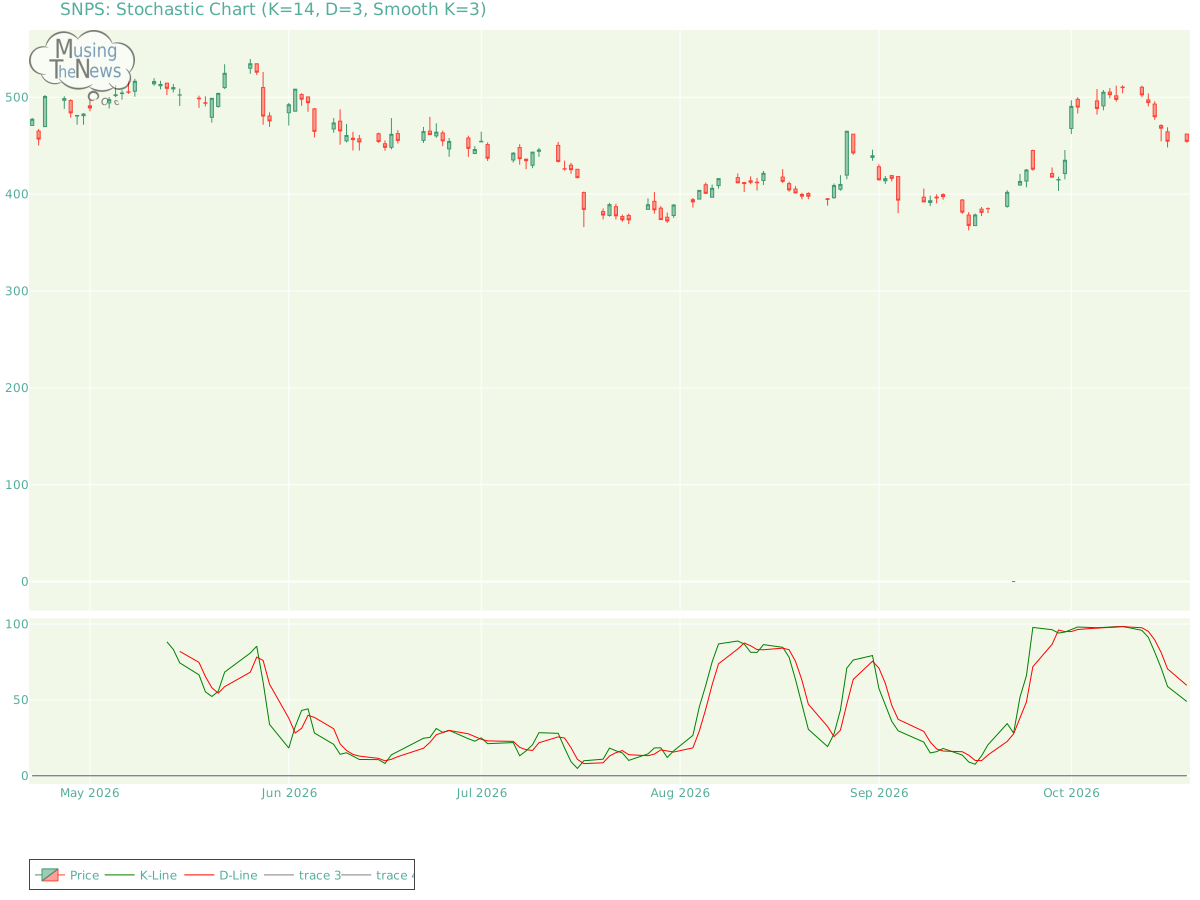
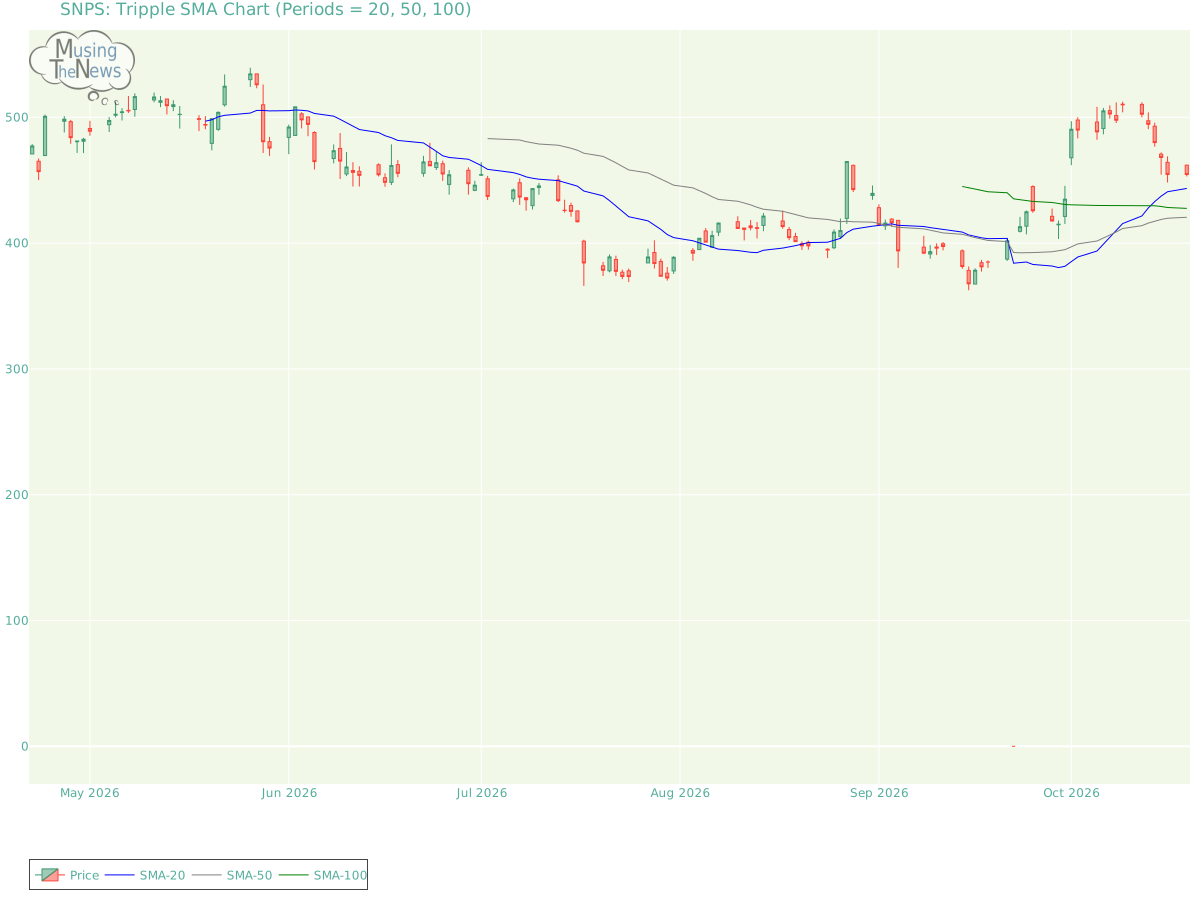
The current state of the STOCHASTIC is neutral, providing no clear signals for either an upward or downward movement. This indicates that the market may be in a state of eq...
By MusingTheNews
Updated 2026-10-20 23:25:53
Overall Technical outlook
Price Summary
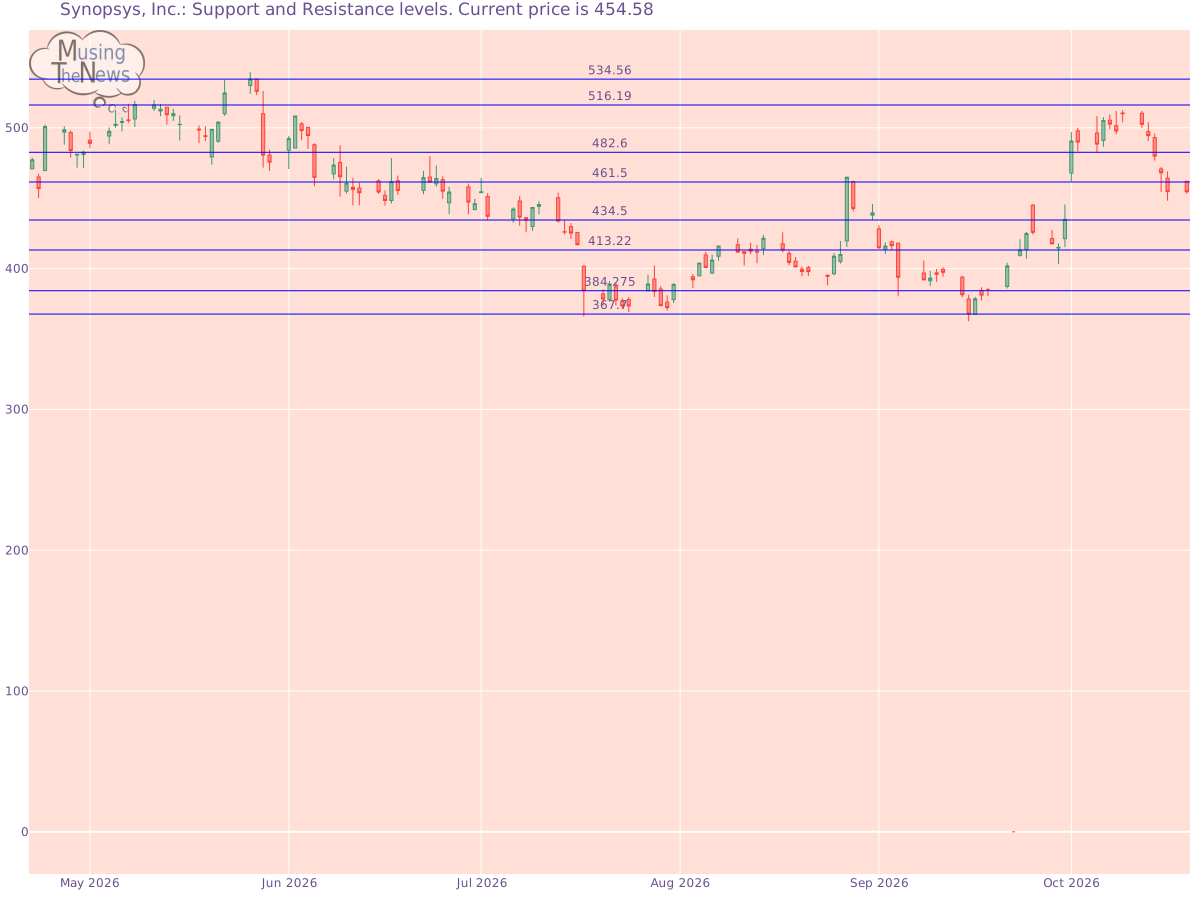
Synopsys, Inc.'s stock opened at 462.0 on 2026-10-19, surged to a high of 462.5, hit a low of 453.05, and closed up -1.61% at 454.58, with 1997300 shares traded. Over the past year, the stock's highest price was 534.56, and its lowest was 0.0.
Technicals
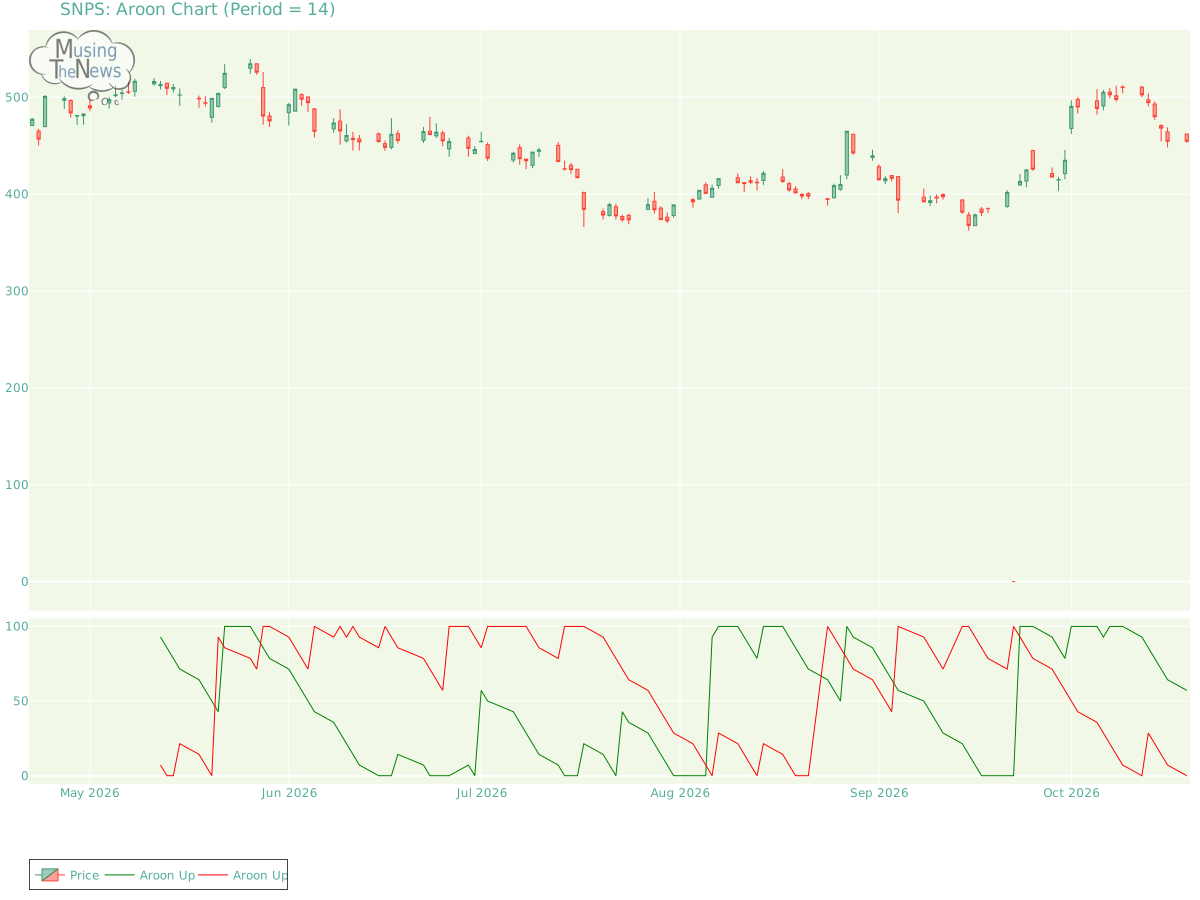
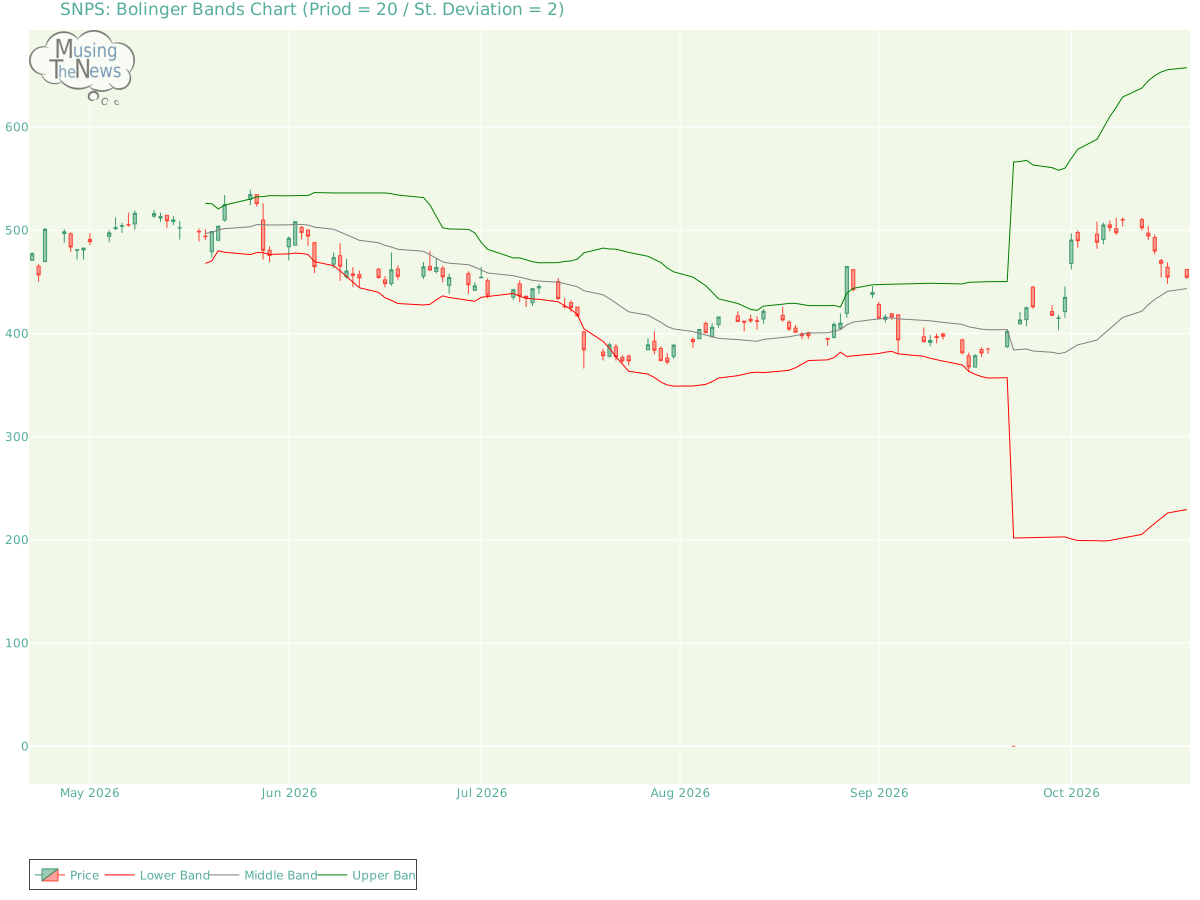
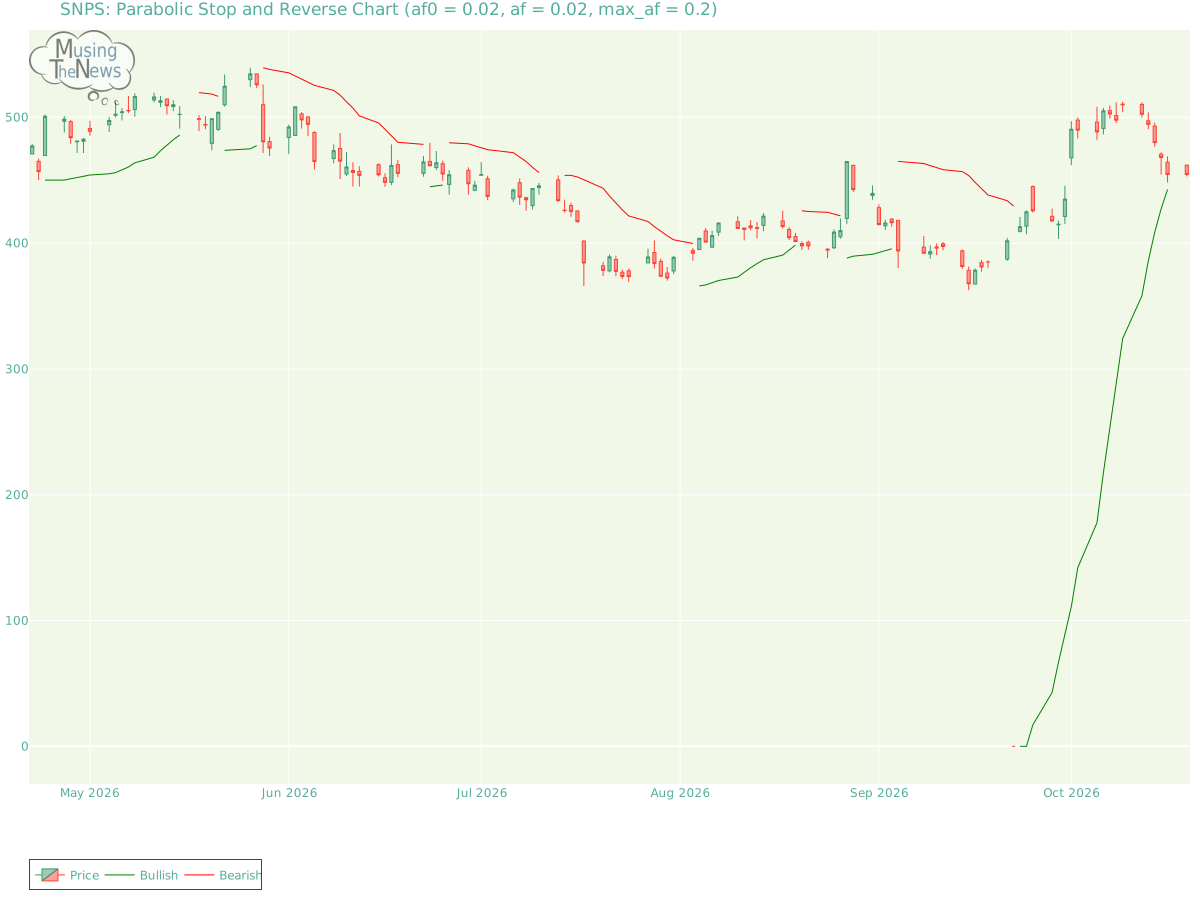
Support and Resistance: At 454.58, the price is supported by 434.5 and resisted by 461.5. This indicates that the price for Synopsys, Inc. might fluctuate between these levels, with 434.5 acting as a support and 461.5 limiting further upward movement.Support/Resistance for SNPSAroon: The AROON is showing a neutral stance, with no definitive indication of an upward or downward trend for SNPS. This neutral position suggests a period of indecision in the market, making it difficult to predict the next move.Aroon chart for Synopsys, Inc.Bol. Bands: The current reading of the BOLL BANDS is neutral, offering no clear signals for a movement in either direction. This suggests that the market may be in a holding pattern, with no dominant trend in place.Bolinger Bands chart for Synopsys, Inc.Parabolic SAR: The PSAR has just reversed from bullish to bearish for Synopsys, Inc., suggesting a possible trend change. If supported by a broader market trend, this could be a very bearish signal. Traders should monitor other indicators for confirmation before taking action based on this reversal.Parabolic Stop and Reverse chart for Synopsys, Inc.Stochastic: The current state of the STOCHASTIC is neutral, providing no clear signals for either an upward or downward movement. This indicates that the market may be in a state of equilibrium, with no strong momentum in either direction.Stochastic chart for Synopsys, Inc.Tripple Moving Agerage: The Tripple MOVING AVG is currently in a neutral position for Synopsys, Inc., offering no clear guidance on whether the market is likely to move up or down. This neutral stance suggests that further observation may be necessary before a trend becomes apparent.Tripple SMA chart for Synopsys, Inc. Understanding a company's fundamentals—such as revenue, earnings, and debt levels—provides a solid foundation for analyzing its technical performance. Similarly, knowledge of the industry, including key competitors and market trends, is critical. Combining this fundamental analysis with technical indicators like stock charts, moving averages, and trading volume enables a more comprehensive approach to evaluating the company's overall health and potential future performance.