The 20-50-100 period moving averages are aligned in a bullish formation for Snap-on Incorporated, though caution is advised as the slopes of the shorter-term averages indic...
By MusingTheNews
Updated 2026-10-20 23:25:51
Overall Technical outlook
Price Summary
Snap-on Incorporated's stock opened at 365.7 on 2026-10-19, surged to 367.4, dropped to 362.03, and ended -0.23% down at 364.87, with 356100 shares traded. The stock's highest price in the past 52 weeks is 419.31, while its lowest price during the same period is 0.0.
Technicals
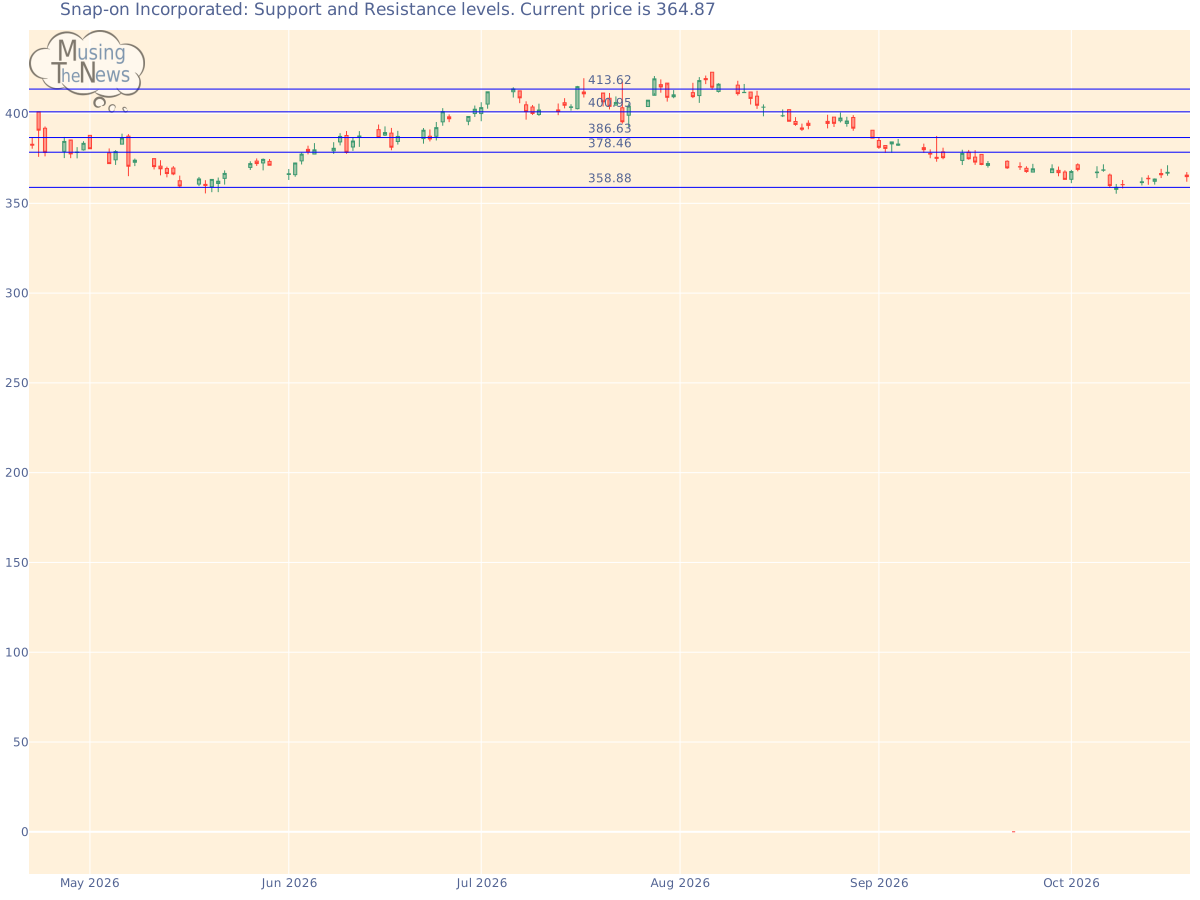
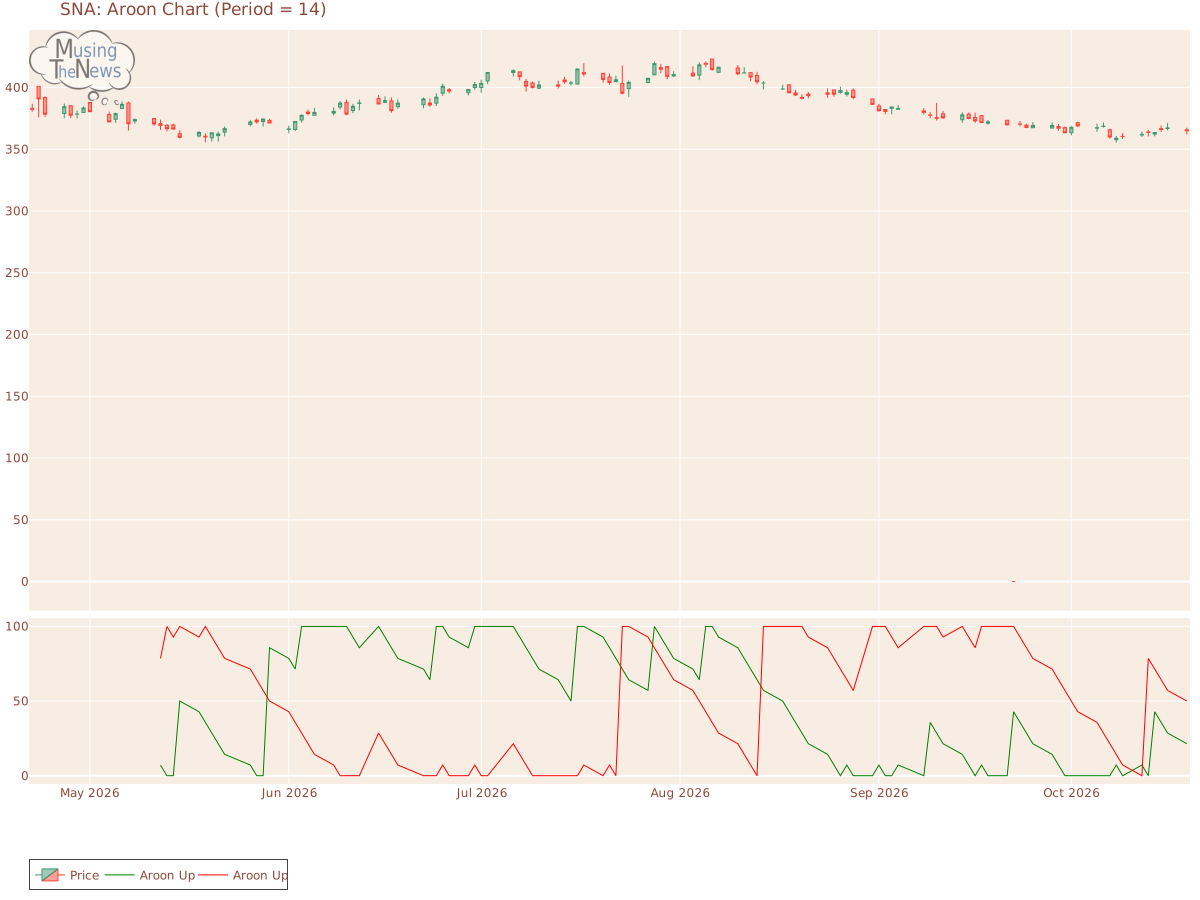
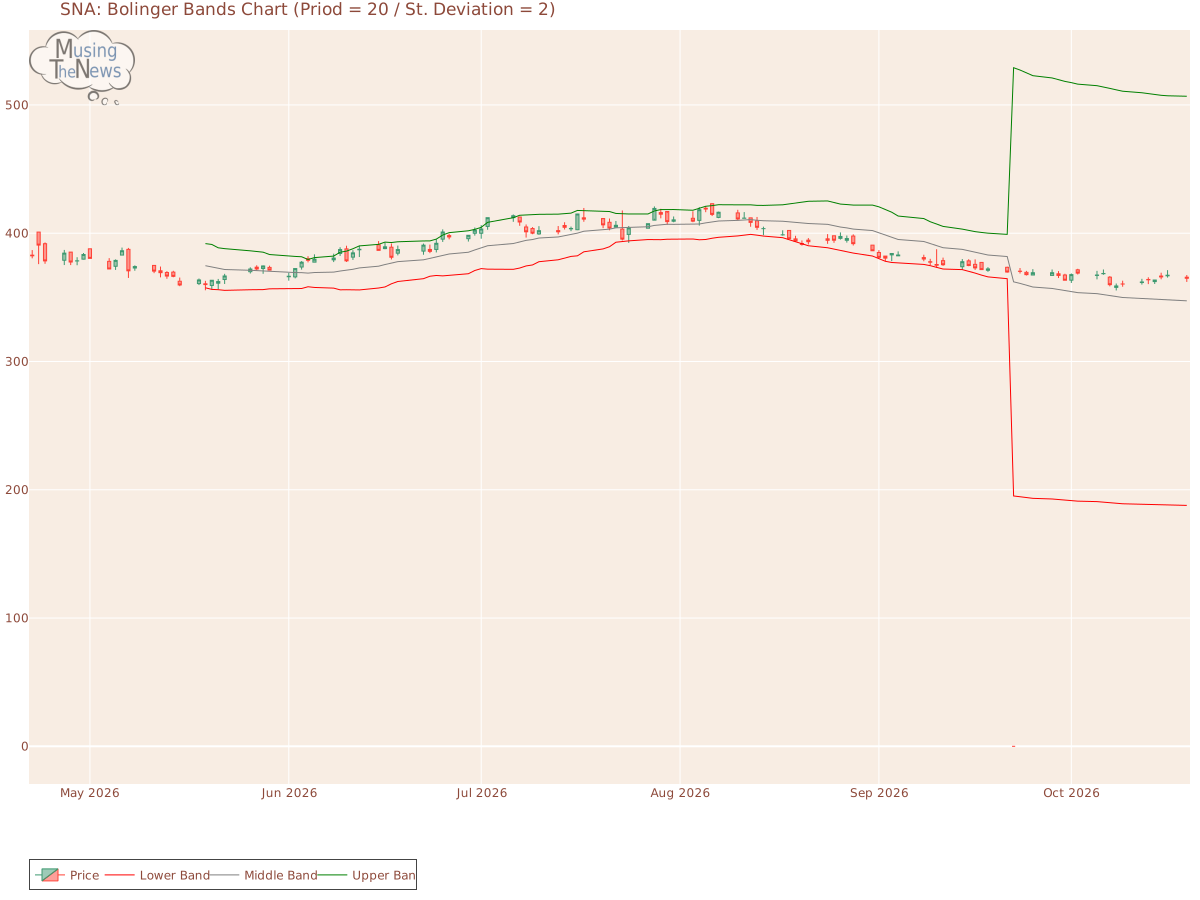
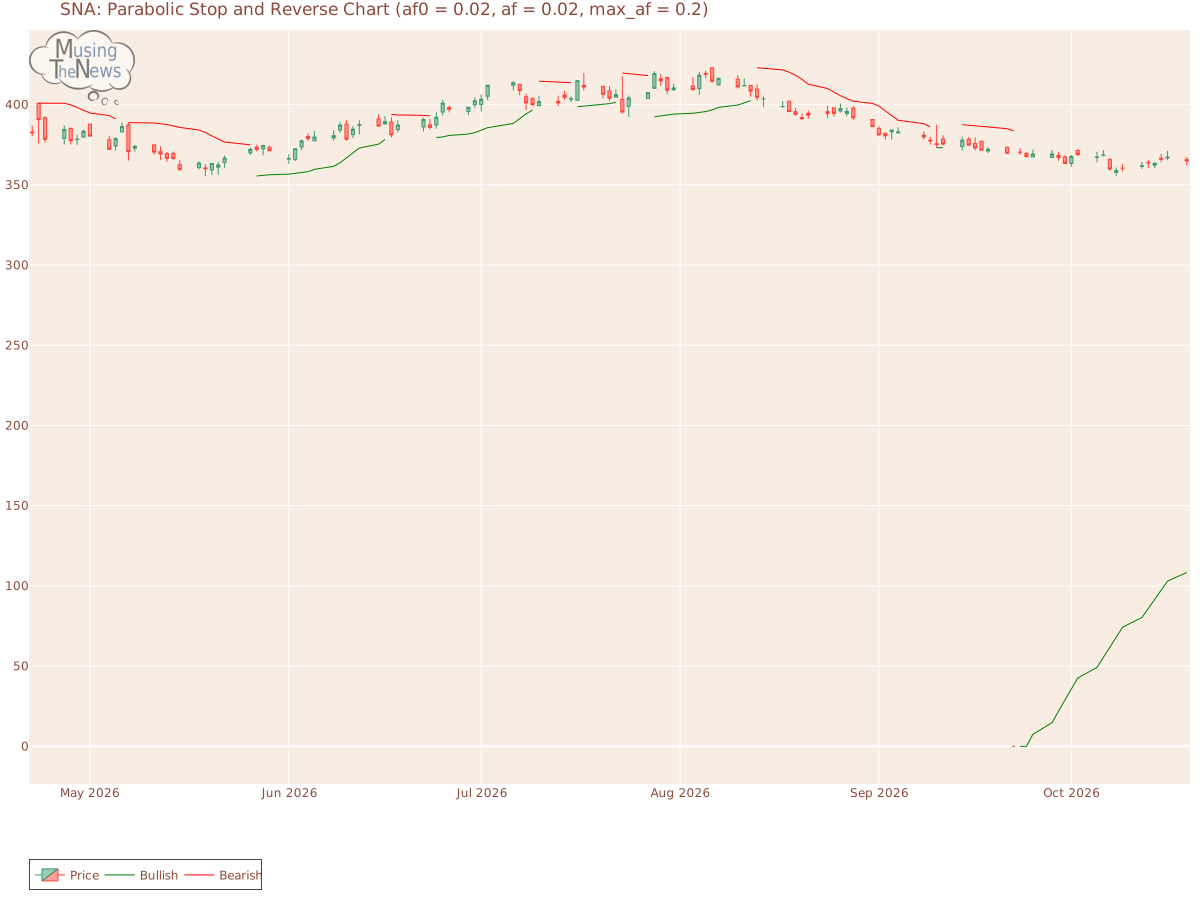
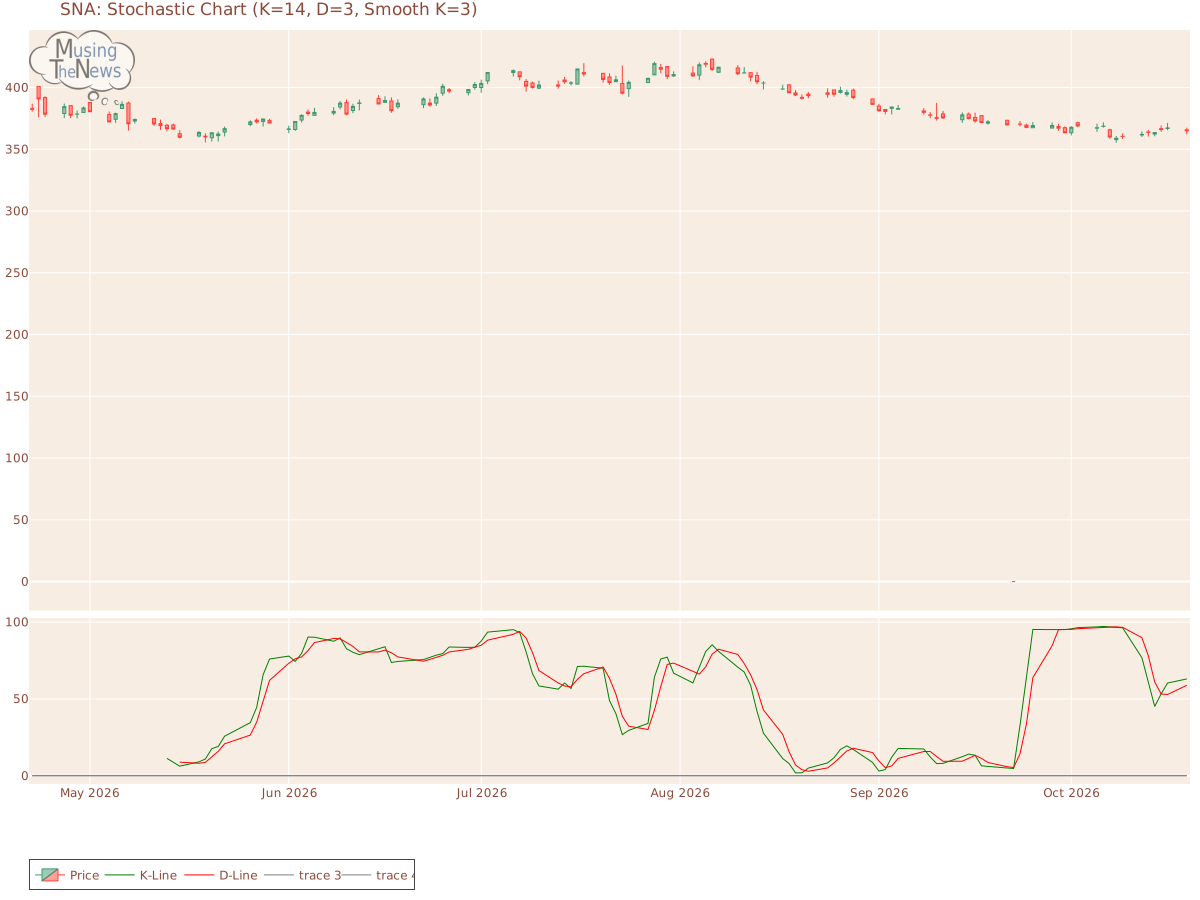
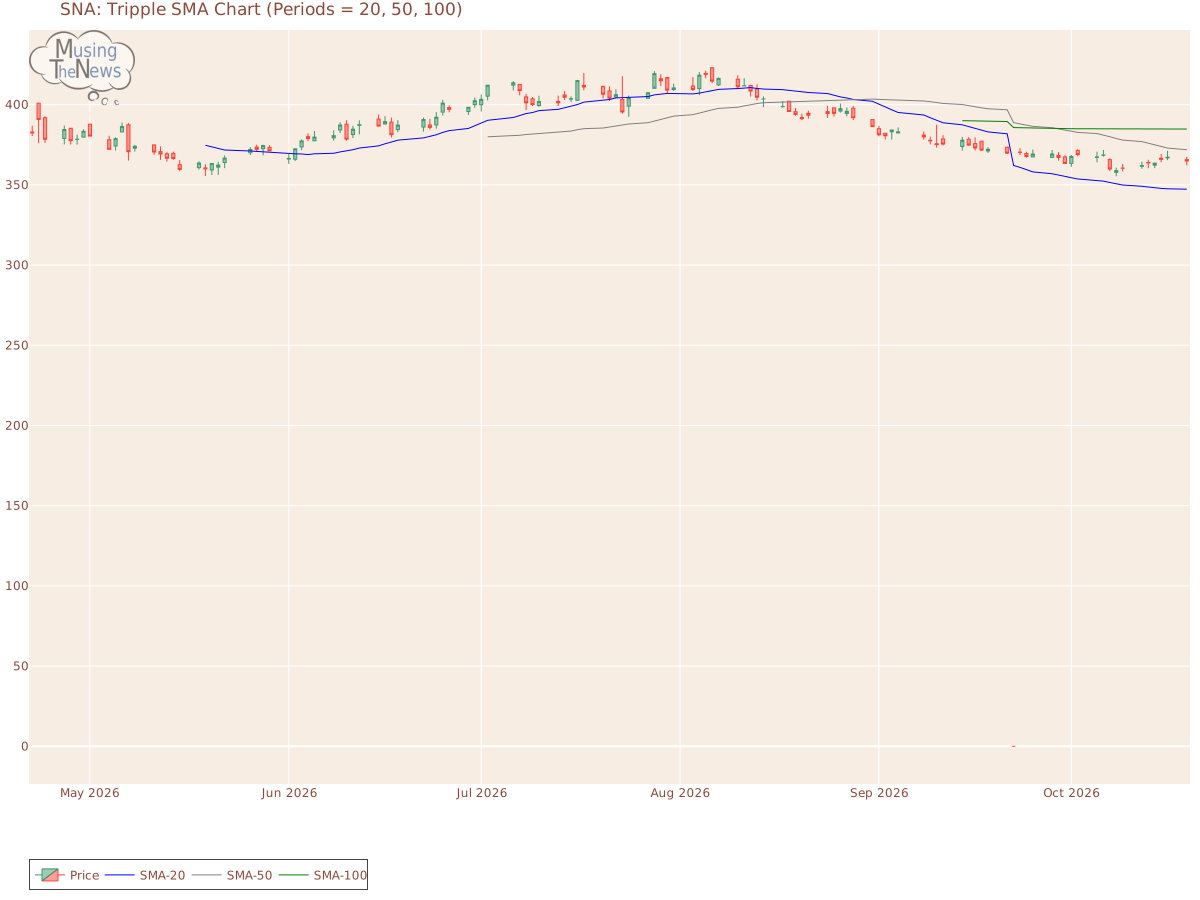
Support and Resistance: The price of 364.87 is supported at 358.88 and encounters resistance at 378.46. This suggests key levels where the price might find stability, with 358.88 providing a base and 378.46 acting as an upper boundary for SNA.Support/Resistance for SNAAroon: The AROON is showing a neutral stance, with no definitive indication of an upward or downward trend for SNA. This neutral position suggests a period of indecision in the market, making it difficult to predict the next move.Aroon chart for Snap-on IncorporatedBol. Bands: The BOLL BANDS is currently in a neutral position, offering no clear indication of movement up or down. This suggests that the market may be experiencing a period of equilibrium, with no strong trend in play.Bolinger Bands chart for Snap-on IncorporatedParabolic SAR: The PSAR remains bullish in its outlook, establishing a key support level that could serve as a foundation for further upward movement. This persistent bullish stance suggests that the market may continue to trend higher, with the established support providing a potential safety net for investors.Parabolic Stop and Reverse chart for Snap-on IncorporatedStochastic: The STOCHASTIC is currently in a neutral position, offering no clear indication of movement up or down. This suggests that the market may be experiencing a period of equilibrium, with no strong trend in play.Stochastic chart for Snap-on IncorporatedTripple Moving Agerage: The 20-50-100 period moving averages are aligned in a bullish formation for Snap-on Incorporated, though caution is advised as the slopes of the shorter-term averages indicate a possible reversal ahead. While the trend remains upward, the weakening momentum in the faster-moving averages suggests that a shift in direction could be on the horizon.Tripple SMA chart for Snap-on Incorporated The technical analysis of a company's stock performance is valuable, but only when considered in conjunction with the company's fundamentals. These fundamentals, including financial strength, earnings growth, and leadership, provide a foundation for understanding market movements. Additionally, industry trends and competitive pressures play an important role. By integrating both fundamental and technical analysis, one can better evaluate the company's true potential and make more informed investment decisions.