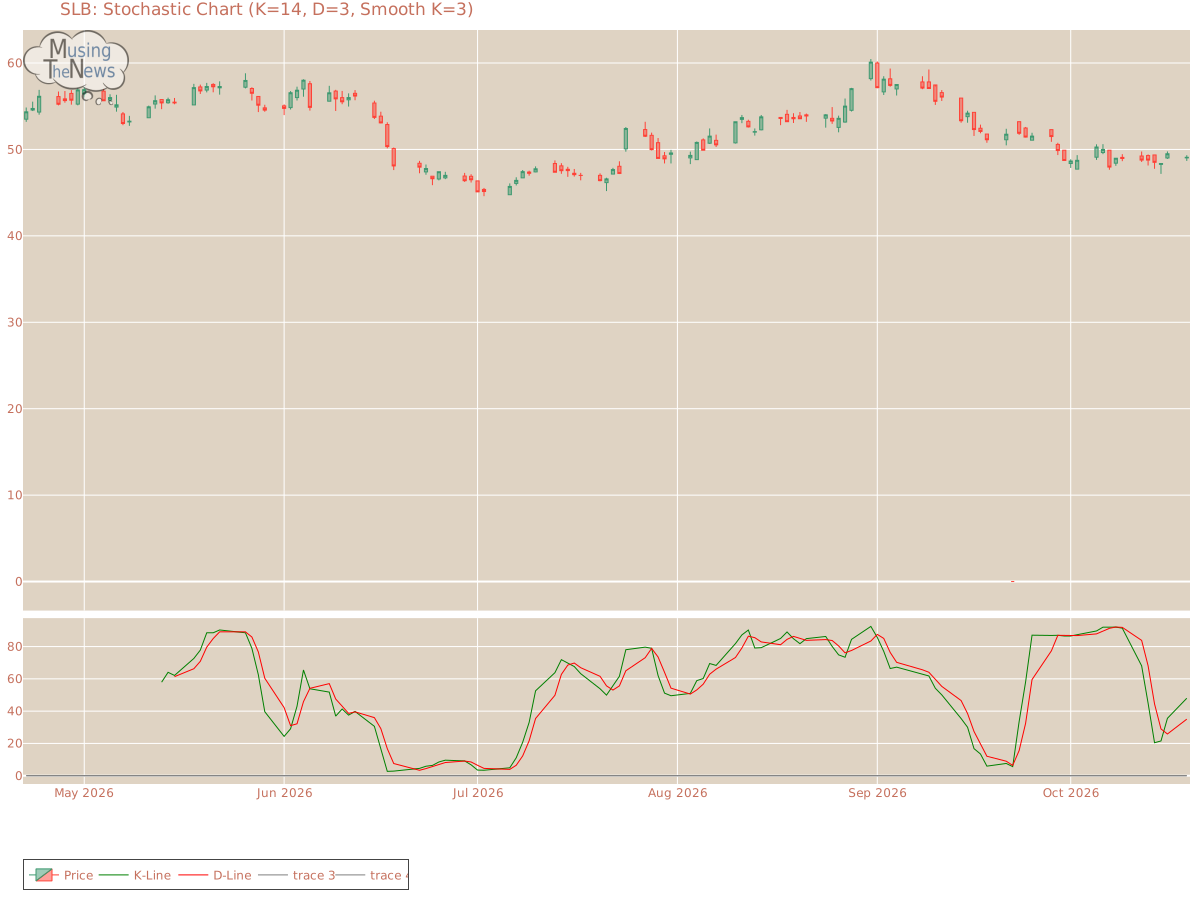
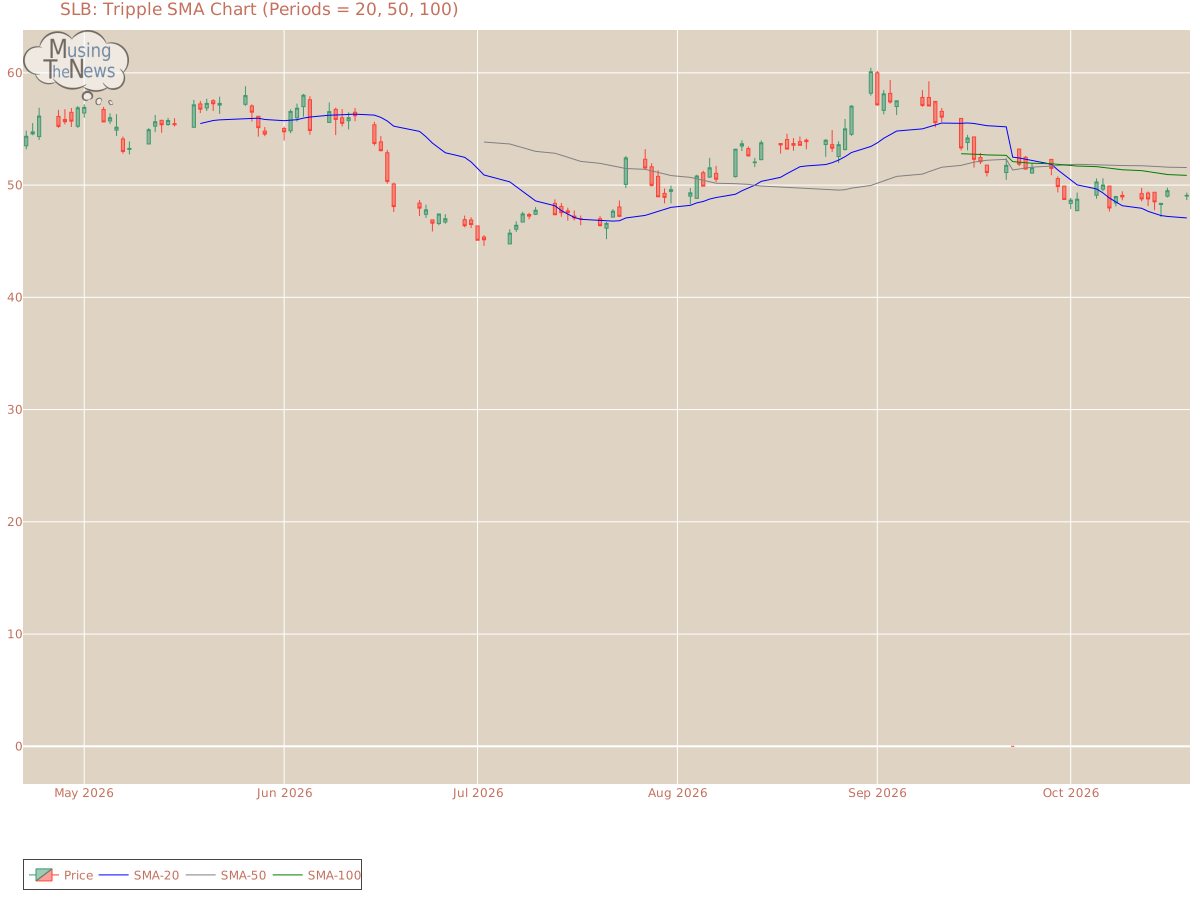
The Tripple MOVING AVG is in a neutral stance, with no clear signals for movement up or down. This neutral position indicates a potential period of consolidation or uncerta...
By MusingTheNews
Updated 2026-10-20 23:25:50
Overall Technical outlook
Price Summary
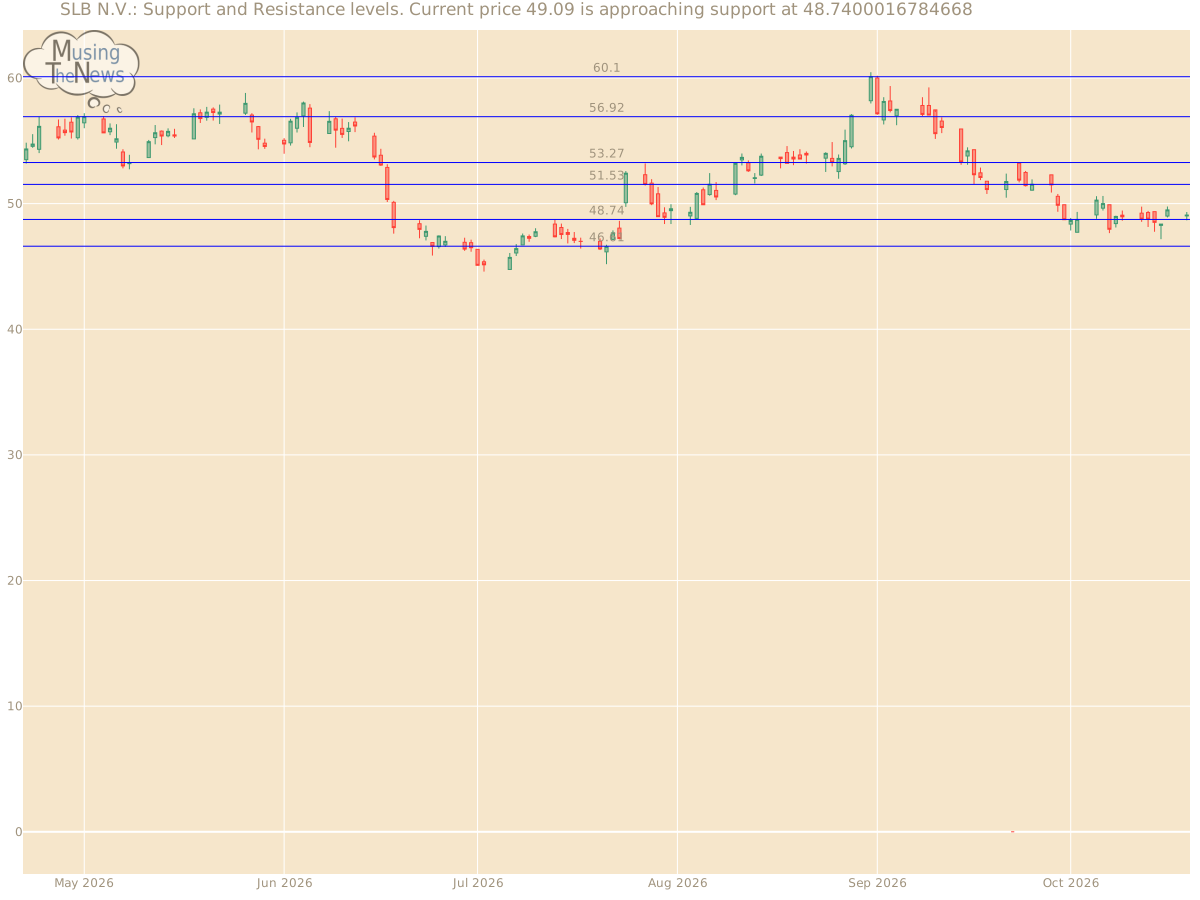
On 2026-10-19, SLB N.V.'s stock opened at 49.02, reached a high of 49.33, dropped to a low of 48.67, and closed up 0.14% at 49.09, with a trading volume of 10079600 shares. In the 52-week period, the stock's peak price is 60.1, and the lowest price recorded is 0.0.
Technicals
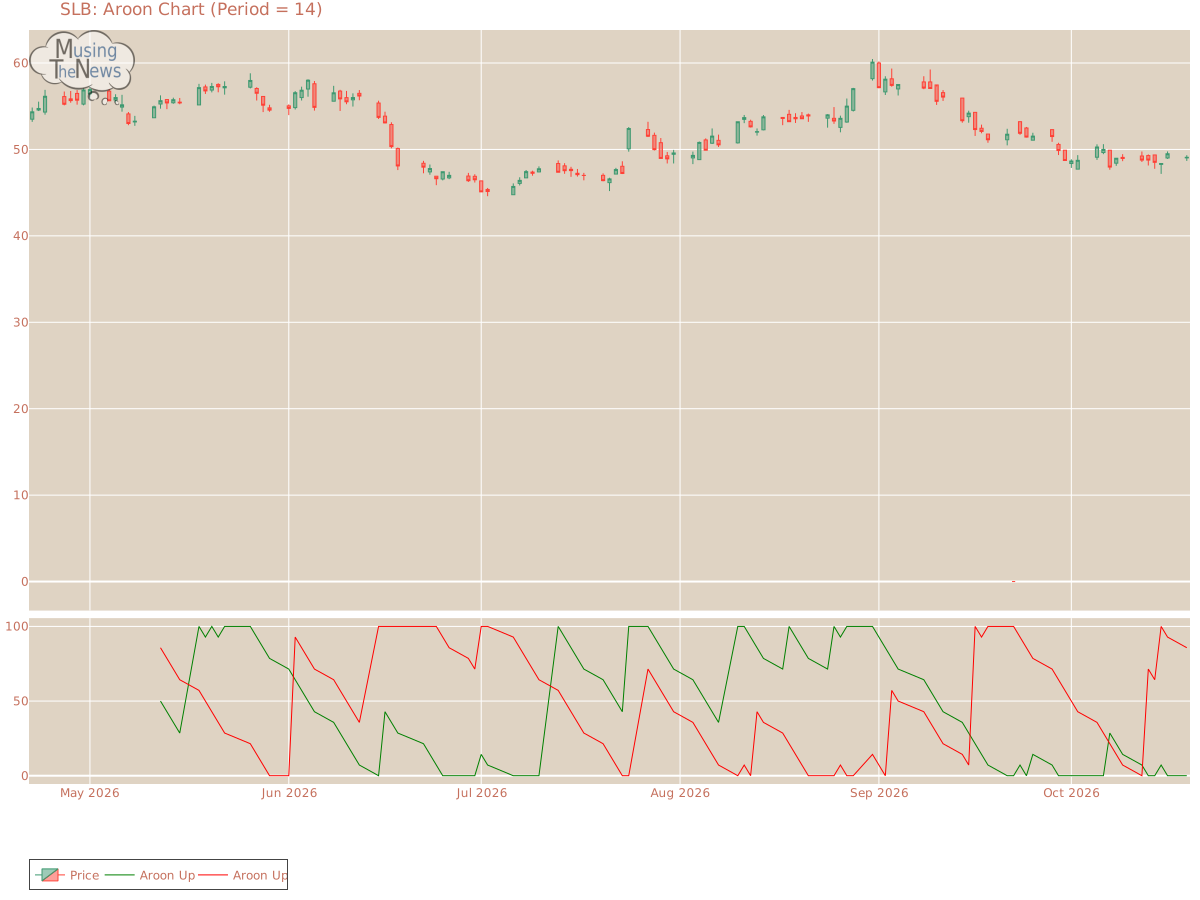
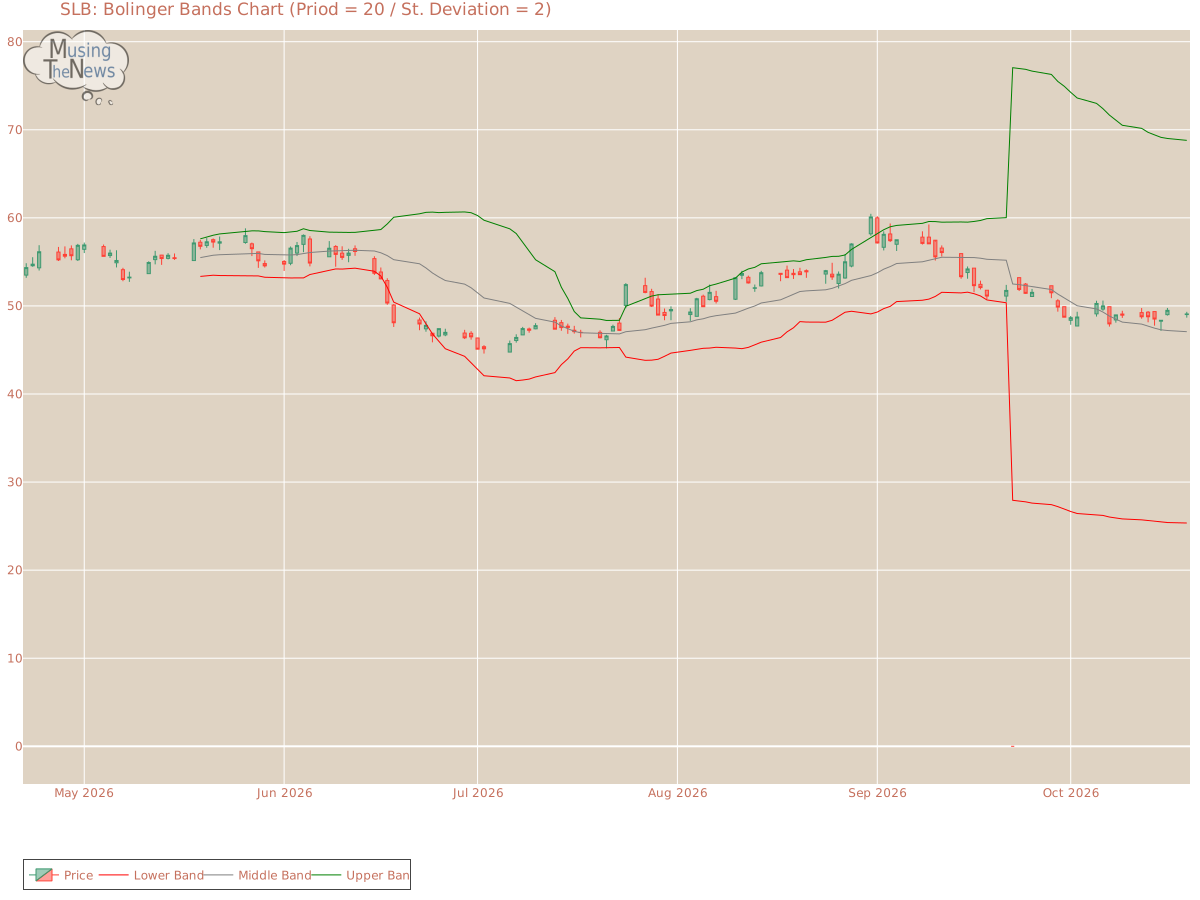
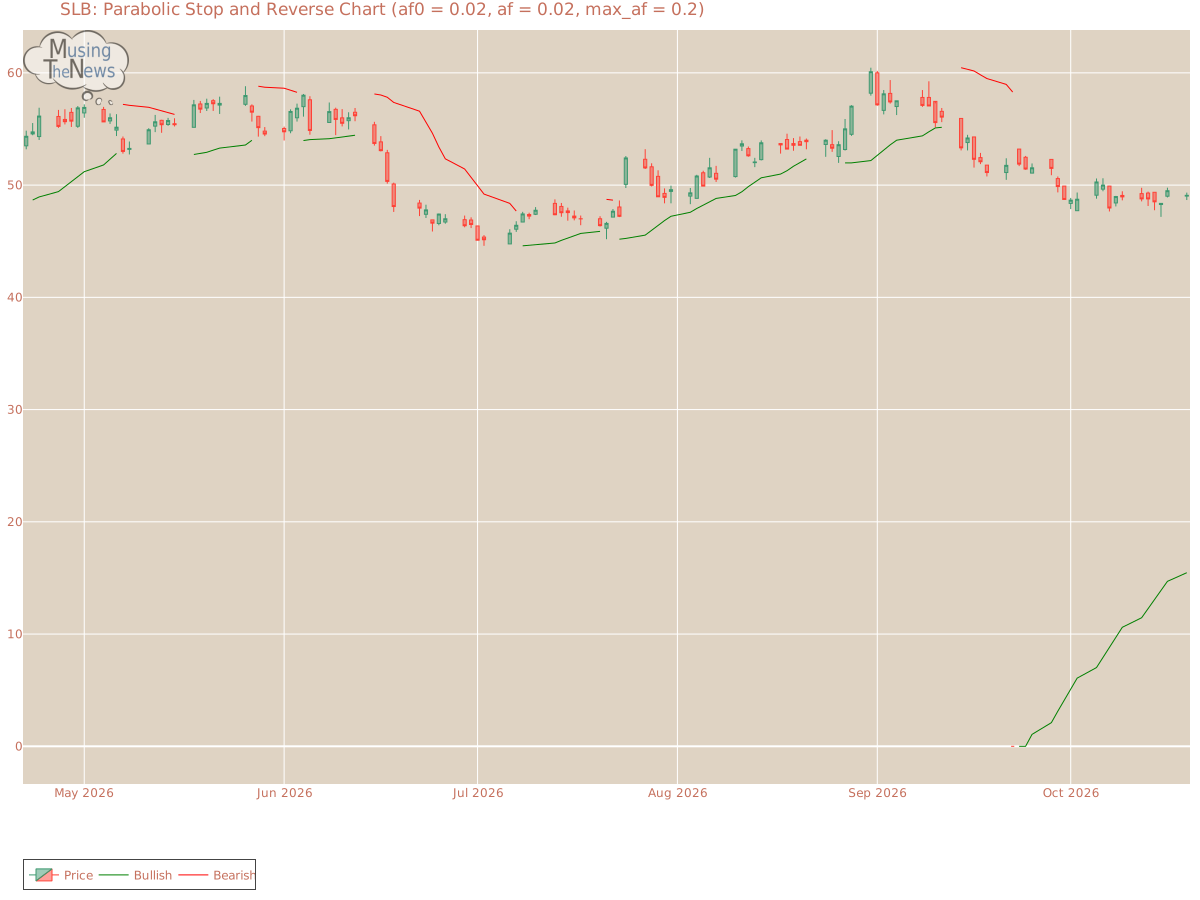
Support and Resistance: At 49.09, the price is supported by 48.74 and resisted by 51.53. This indicates that the price for SLB N.V. might fluctuate between these levels, with 48.74 acting as a support and 51.53 limiting further upward movement.Support/Resistance for SLBAroon: The AROON is currently neutral, showing no clear bias toward a rising or falling trend. This lack of directional clarity suggests that the market may be in a holding pattern, awaiting further developments.Aroon chart for SLB N.V.Bol. Bands: The current reading of the BOLL BANDS is neutral, offering no clear signals for a movement in either direction. This suggests that the market may be in a holding pattern, with no dominant trend in place.Bolinger Bands chart for SLB N.V.Parabolic SAR: The PSAR remains bullish in its outlook, setting a key support level that could sustain the ongoing upward trend. This strong support indicates that the market may continue to rise, with the bullish momentum likely to persist for SLB.Parabolic Stop and Reverse chart for SLB N.V.Stochastic: The STOCHASTIC is in a neutral stance, not pointing to a clear trend in either direction. This suggests that the market may be lacking strong momentum, making it difficult to predict the next move.Stochastic chart for SLB N.V.Tripple Moving Agerage: The Tripple MOVING AVG is in a neutral stance, with no clear signals for movement up or down. This neutral position indicates a potential period of consolidation or uncertainty in the market.Tripple SMA chart for SLB N.V. A company's technical data, including stock price and trading volume, can provide valuable insights when considered alongside its fundamentals. These include financial performance, market share, and growth strategy, as well as broader industry dynamics. Examining these factors helps investors or analysts make more informed decisions, as the company's fundamentals offer context for understanding how and why certain technical patterns may emerge in the market.