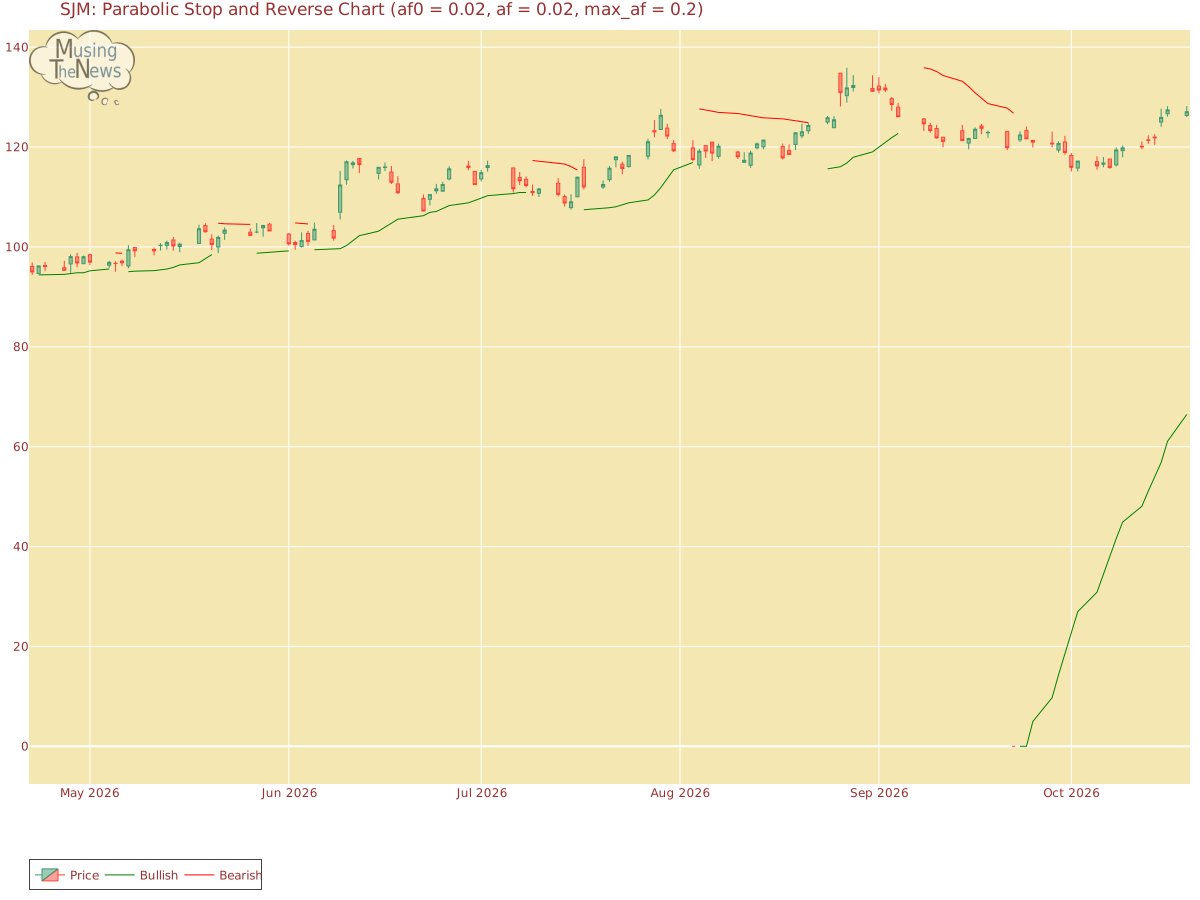
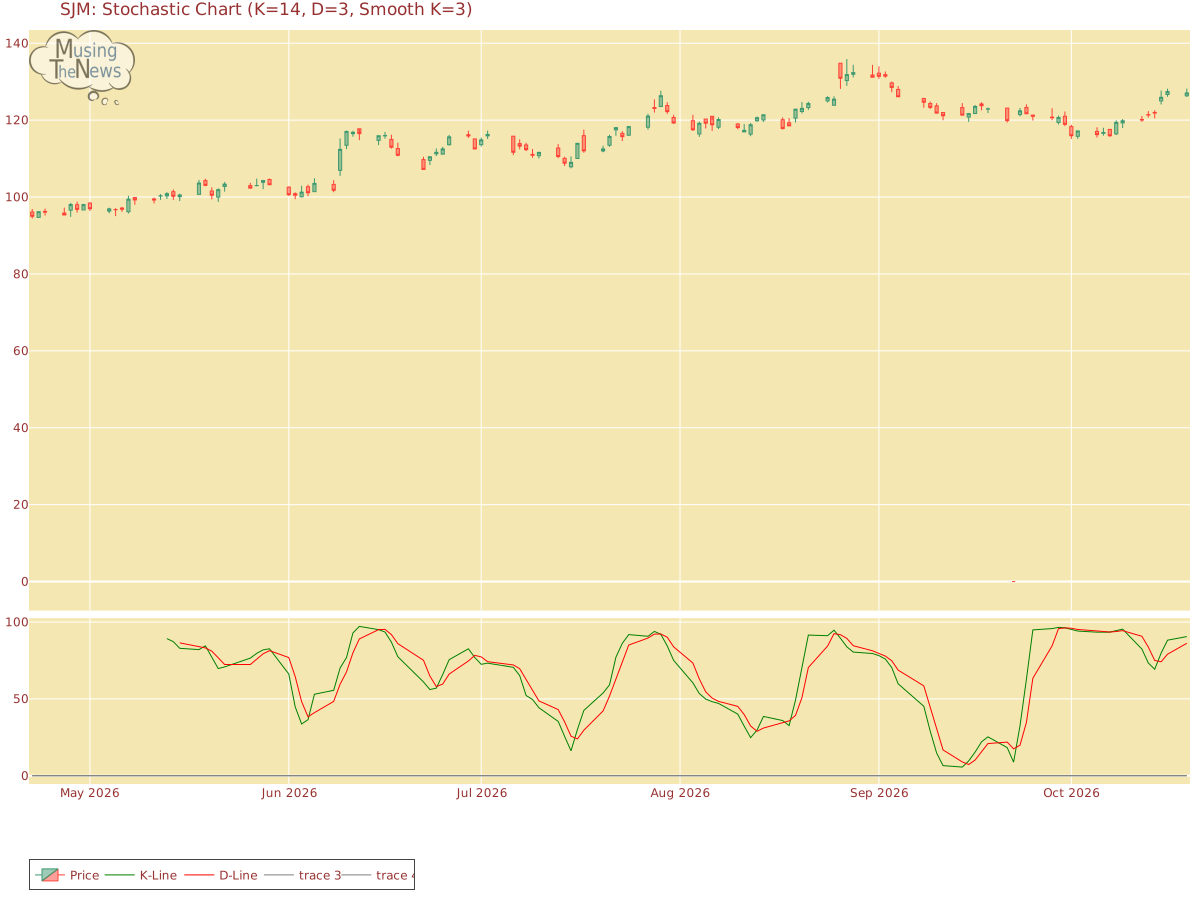
The PSAR remains bullish in its outlook, setting a key support level that could sustain the ongoing upward trend. This strong support indicates that the market may continue...
By MusingTheNews
Updated 2026-10-20 23:25:51
Overall Technical outlook
Price Summary
On 2026-10-19, The J. M. Smucker Company's stock opened at 126.33, spiked to 128.2, declined to 126.0, and closed 0.59% up at 127.07, with 1428600 shares traded. During the past 52 weeks, the highest stock price was 132.34, and the lowest was 0.0.
Technicals
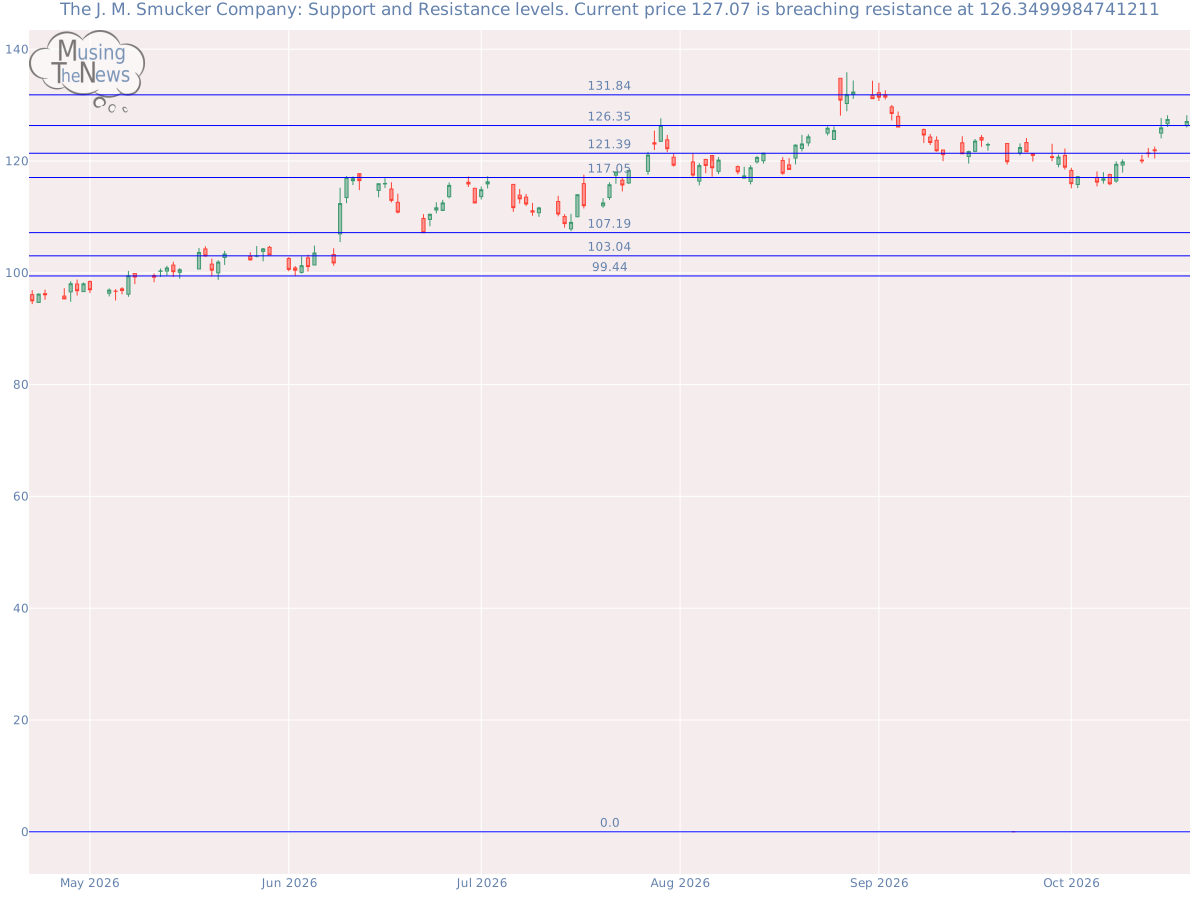
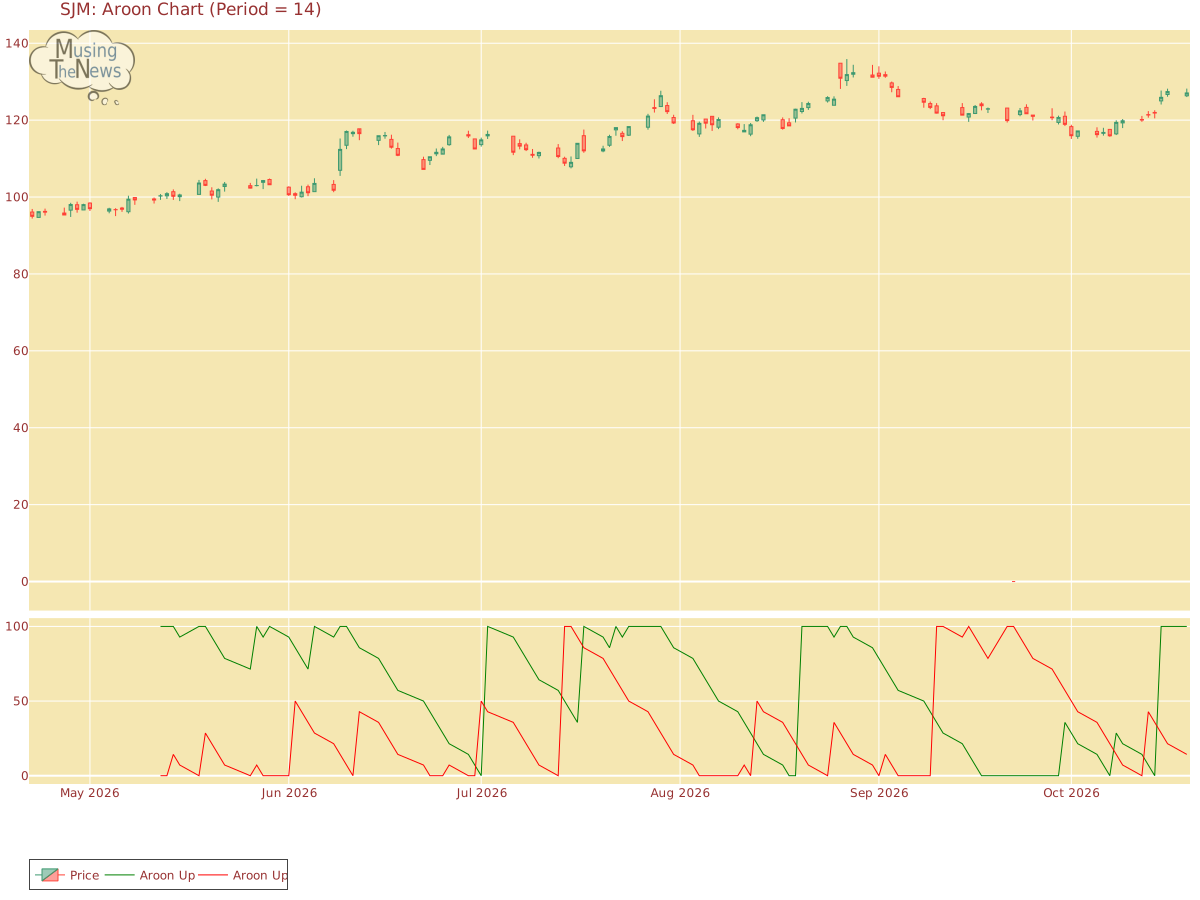
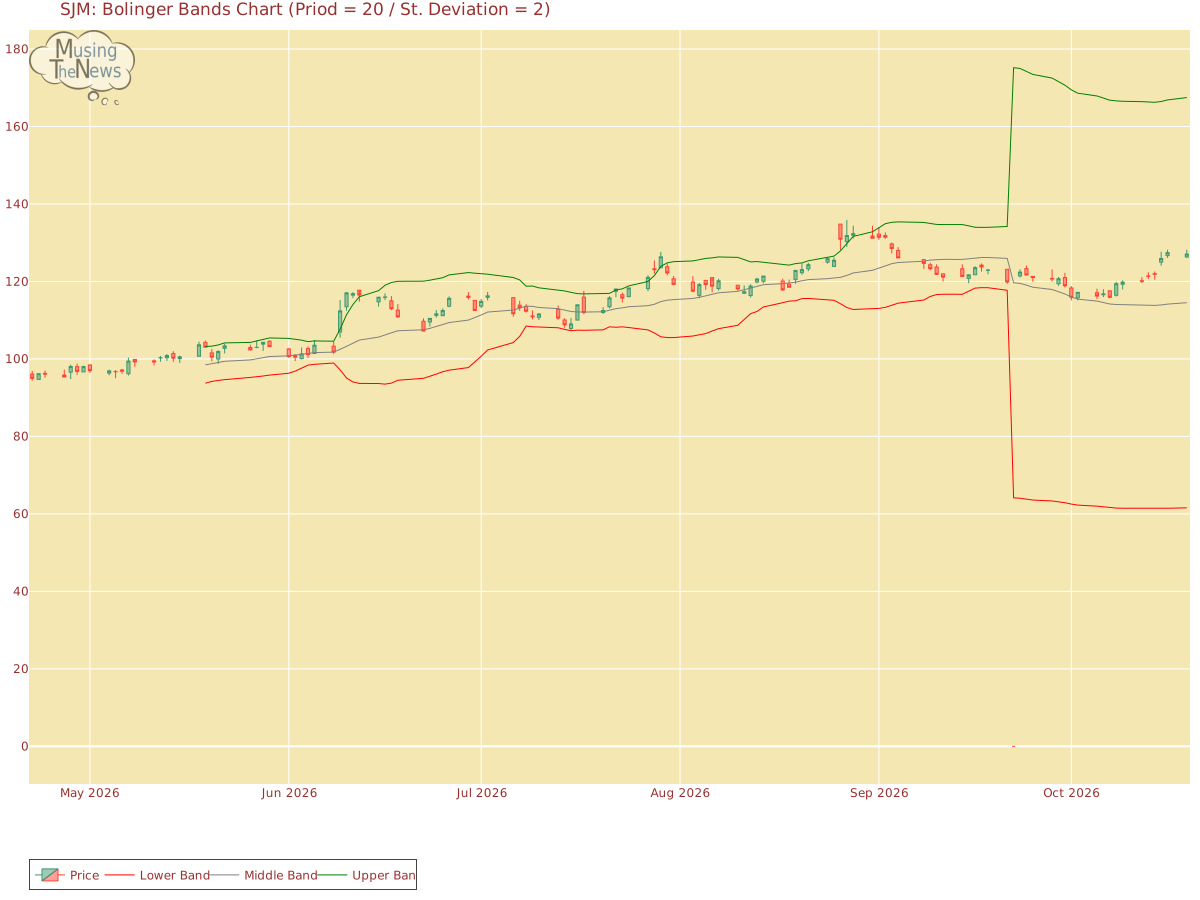
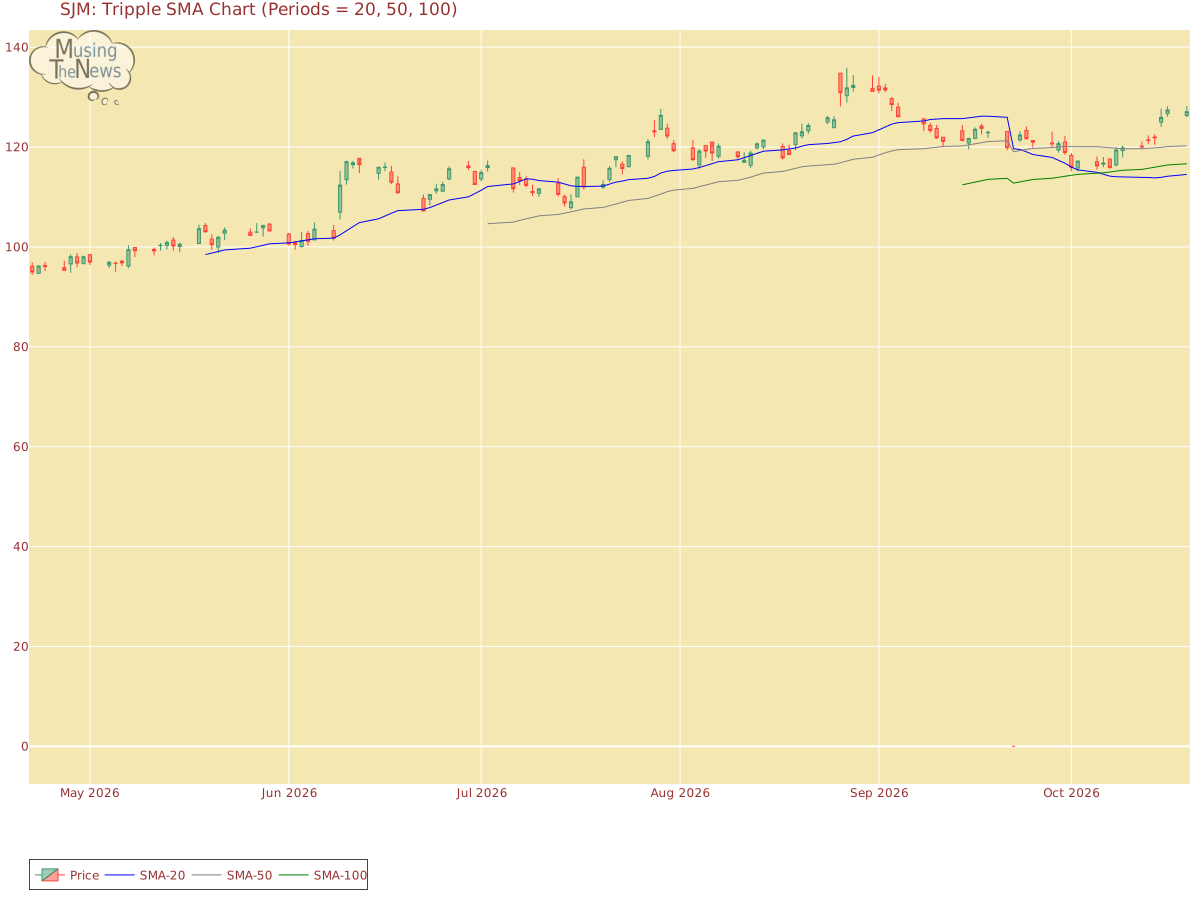
Support and Resistance: The current price of 127.07 is supported at 126.35, with resistance at 131.84. This suggests that the price for SJM might remain between these levels, where 126.35 acts as a floor and 131.84 as a ceiling in the market.Support/Resistance for SJMAroon: Aroon's bullish trend is ongoing, with Aroon Up consistently at the 100 level. While this suggests strong upward momentum for SJM, it's important to analyze this trend further with other indicators to gain a comprehensive understanding of the direction.Aroon chart for The J. M. Smucker CompanyBol. Bands: The BOLL BANDS is neutral, showing no definitive signals of a trend either upward or downward. This neutral stance indicates a period of market indecision, where the direction is unclear.Bolinger Bands chart for The J. M. Smucker CompanyParabolic SAR: The PSAR remains bullish in its outlook, setting a key support level that could sustain the ongoing upward trend. This strong support indicates that the market may continue to rise, with the bullish momentum likely to persist for SJM.Parabolic Stop and Reverse chart for The J. M. Smucker CompanyStochastic: The stochastic indicator reflects bullish conditions, with the K-line above both the D-line and the 80 mark. This setup suggests that the market has strong upward momentum, likely leading to further gains. Traders may consider this a signal of continued strength in the market.Stochastic chart for The J. M. Smucker CompanyTripple Moving Agerage: The current reading of the Tripple MOVING AVG is neutral for SJM, with no clear signals for an upward or downward trend. This indicates that the market may be in a state of uncertainty, with no dominant force driving the direction.Tripple SMA chart for The J. M. Smucker Company When evaluating a company, it is crucial to examine its fundamentals, including its financial statements, management structure, and market position. Additionally, understanding the broader industry trends, competition, and regulatory landscape helps to create a well-rounded view. By assessing both the company's internal factors and the external environment in which it operates, you can extract more valuable insights from its technical performance, such as stock price movements and trading patterns.
The J. M. Smucker CompanySJM share priceSJM technical chartSJM stock chartSJM techncal analysisSJM price trendsSJM stock signalsSJM stock pricestock marketNSE stock chart