Fundamentals for Packaging Corporation of America
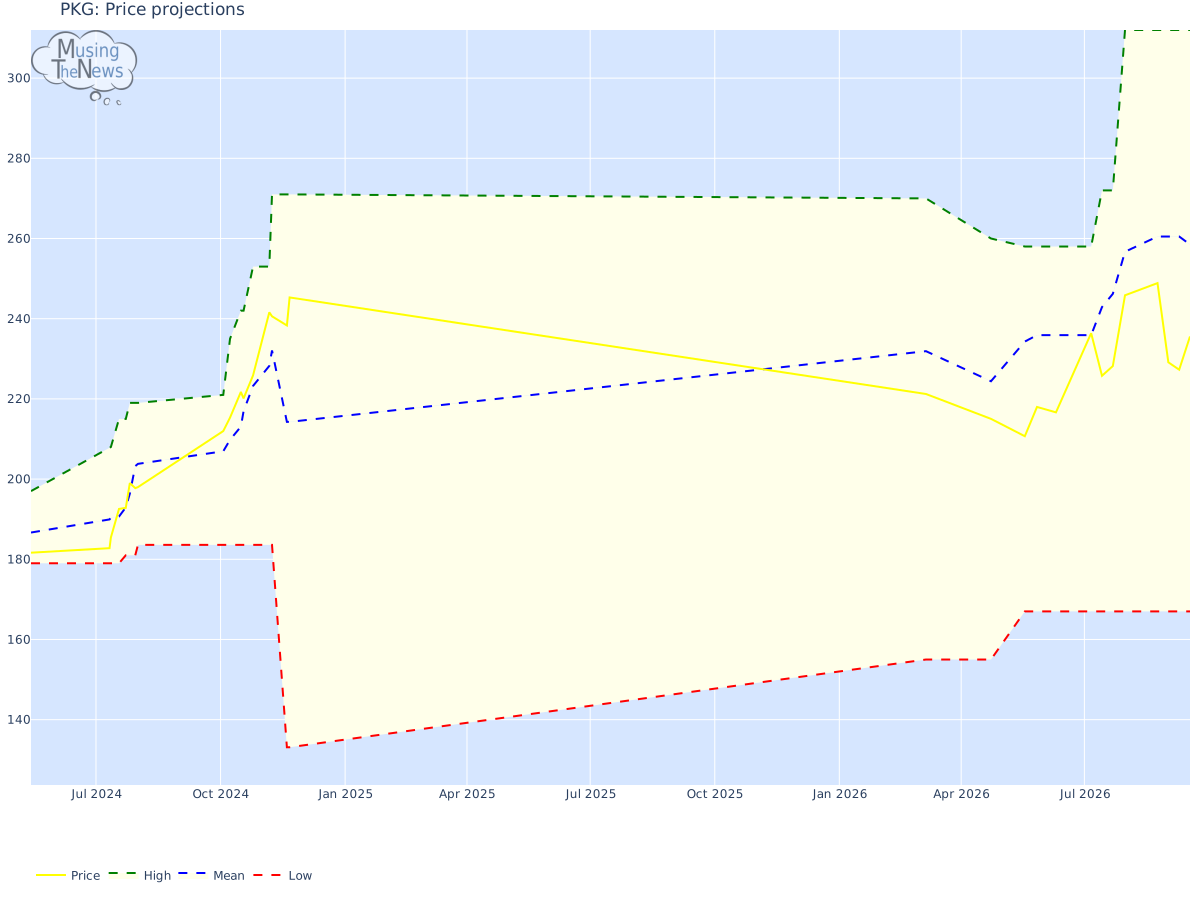
PKG's price has consistently remained near the lower edge of projections, suggesting that it is not fully meeting market expectations. This could indicate a need for improv...






Business Operations:
Sector: Consumer CyclicalIndustry: Packaging & Containers
Packaging Corporation of America manufactures and sells containerboard and uncoated freesheet (UFS) paper products in North America. The company operates through Packaging and Paper segments. The Packaging segment offers various linerboard and corrugated packaging products, such as conventional shipping containers used to protect and transport manufactured goods; multi-color boxes and displays that help to merchandise the packaged product in retail locations; and honeycomb protective packaging products, as well as packaging for meat, fresh fruit and vegetables, processed food, beverages, and other industrial and consumer products. This segment sells its corrugated products through a direct sales and marketing organization. The Paper segment manufactures and sells commodity and specialty papers, as well as communication papers, including cut-size office papers, and printing and converting papers; and white papers. This segment sells papers through its sales and marketing organization. Packaging Corporation of America was founded in 1867 and is headquartered in Lake Forest, Illinois.
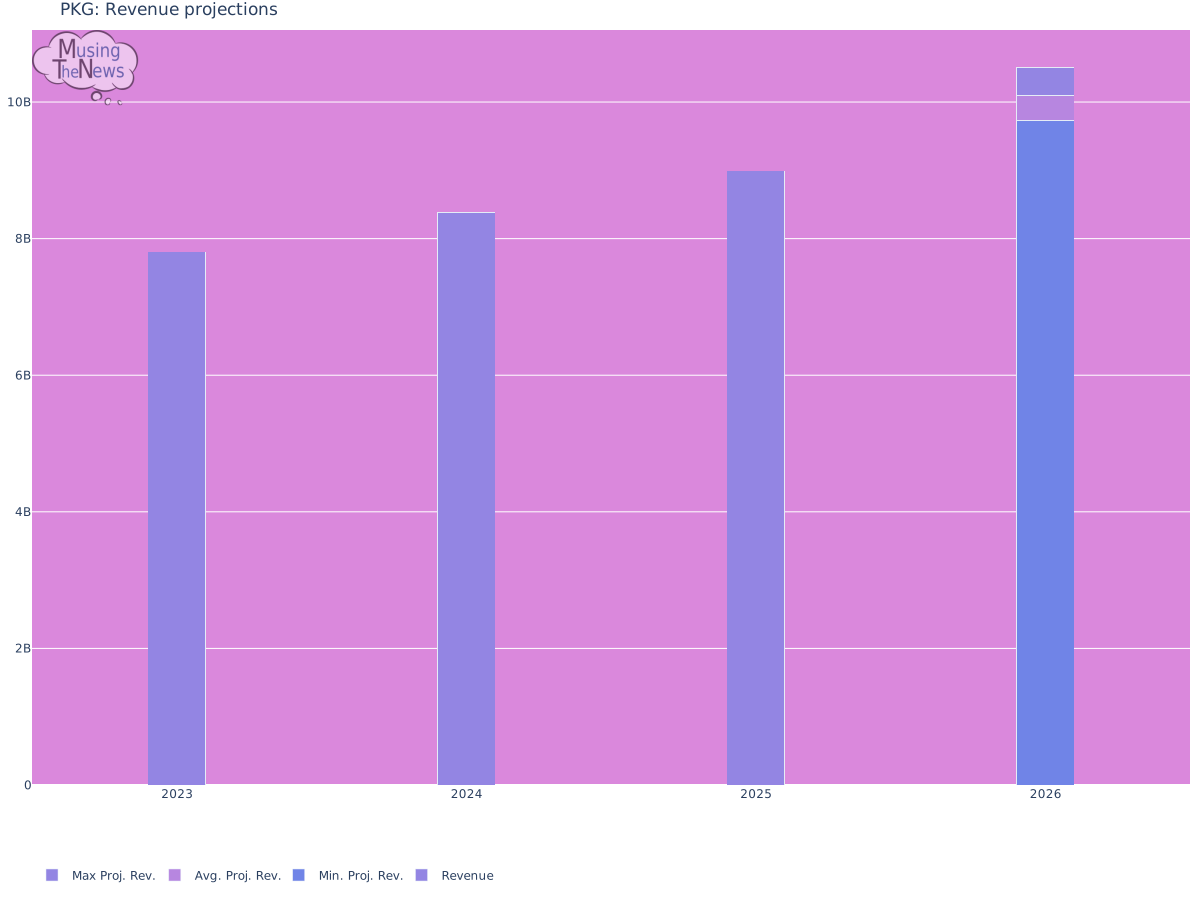
Revenue projections:
Financial Ratios:
| currentRatio | 2.941000 |
|---|---|
| forwardPE | 17.397871 |
| debtToEquity | 94.474000 |
| earningsGrowth | -0.195000 |
| revenueGrowth | 0.147000 |
| grossMargins | 0.213860 |
| operatingMargins | 0.131210 |
| trailingEps | 7.690000 |
| forwardEps | 13.136090 |
Packaging Corporation of America's current ratio is 2.941, signaling that the company has sufficient cash reserves and current assets to cover its short-term debt obligations. This suggests financial stability, as Packaging Corporation of America should not face any issues meeting its short-term liabilities with available resources.
PKG's Forward PE being in a good range indicates that the stock is valued appropriately based on its earnings. This suggests the stock is not overpriced and leaves room for growth, providing investors with an opportunity for potential appreciation in value.
PKG's elevated debt-to-equity ratio suggests the company is leveraging debt heavily, increasing its financial risk. While this can support growth, it could also lead to challenges if the company's profitability or cash flow weakens.
PKG's low growth in both earnings and revenue indicates a likely decrease in profits. This suggests the company may be facing financial challenges, and investors should be cautious about its future performance.
PKG's negative gross and operating margins suggest that the company is experiencing losses at both the production and operational levels. This could point to inefficiencies or declining demand for its products.
PKG's forward EPS is higher than its trailing EPS, suggesting the company is expected to see an increase in profitability this year. This points to positive growth, indicating that PKG is projected to improve its financial performance compared to the previous year.
Price projections:
Insider Transactions:
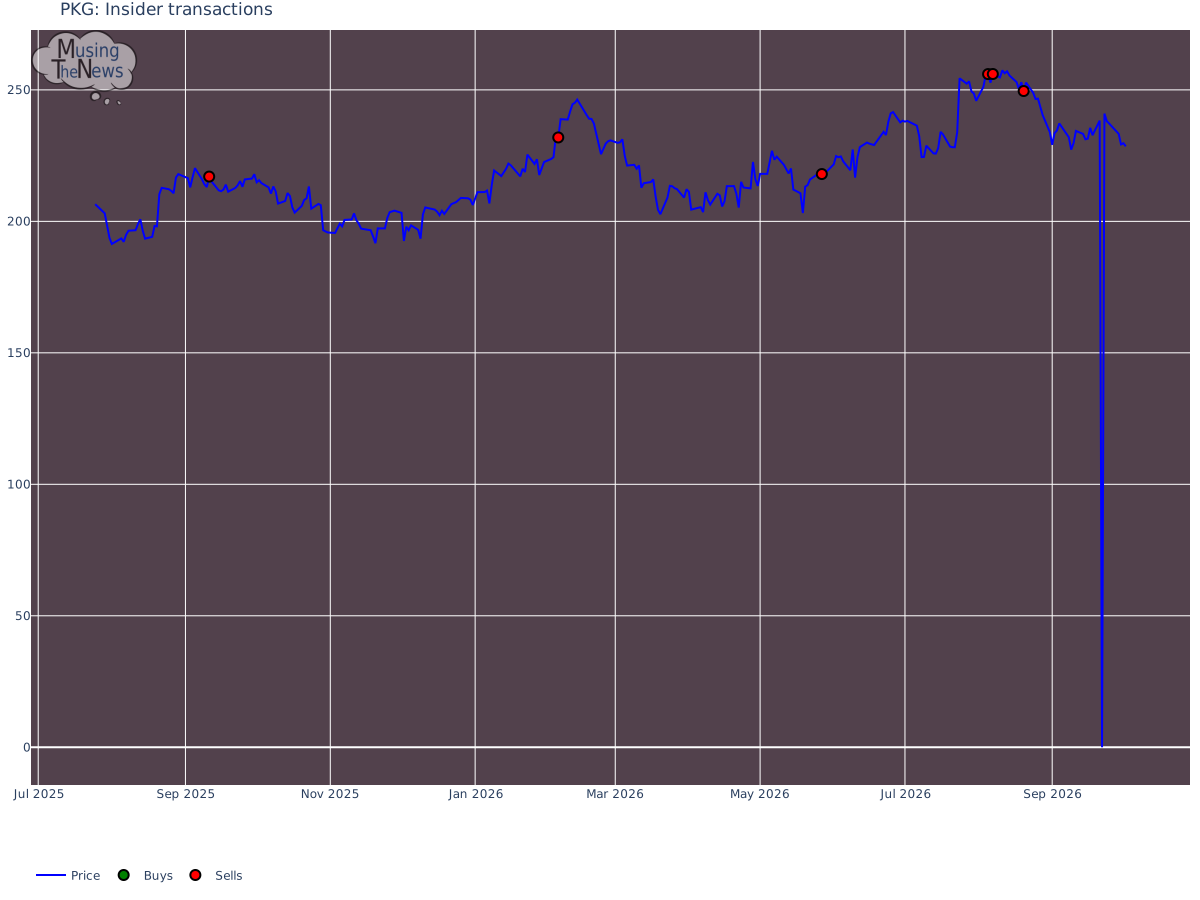
6 PKG sales were executed, with market price at 238.09000396728516.Throughout the period under consideration, no sell transactions were recorded.With more buys than sells around PKG's current price, there seems to be increased confidence among investors. This shift may indicate a favorable outlook, as the buying behavior suggests optimism for the stock's future growth or resilience.
Recommendation changes over time:
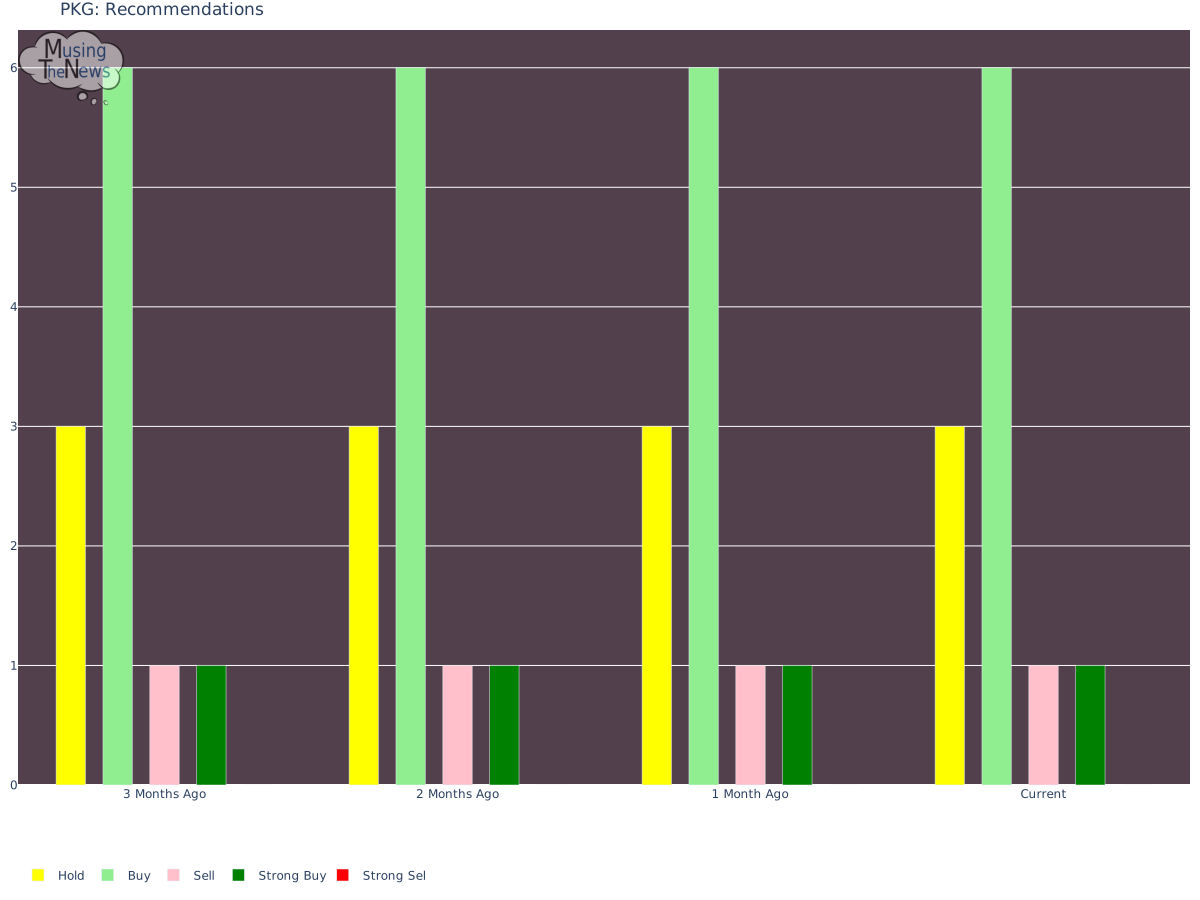
Recent analysis shows a strong buy bias for PKG, encouraging investors to view it as a solid investment option. The positive sentiment surrounding PKG suggests it could be an attractive place to allocate funds, motivating potential investors to consider the stock as a valuable part of their portfolio.