Fundamentals for General Motors Company
GM's high debt-to-equity ratio shows the company is significantly leveraged, relying heavily on debt financing. This raises the potential for increased financial risk, espe...






Business Operations:
Sector: Consumer CyclicalIndustry: Auto Manufacturers
General Motors Company designs, builds, and sells trucks, crossovers, cars, and automobile parts worldwide. It operates through GM North America, GM International, and GM Financial segments. The company markets its vehicles primarily under the Buick, Cadillac, Chevrolet, GMC, Baojun, and Wuling brand names. In addition, it sells trucks, crossovers, cars, and automobile parts through retail dealers, distributors and dealers, as well as to fleet customers, including daily rental car companies, commercial fleet customers, leasing companies, and governments. Further, the company offers various range of after-sale services through dealer network, such as maintenance, light repairs, collision repairs, vehicle accessories, and extended service warranties. Additionally, it provides automotive financing; and software-enabled services and subscriptions. General Motors Company was founded in 1908 and is based in Detroit, Michigan.
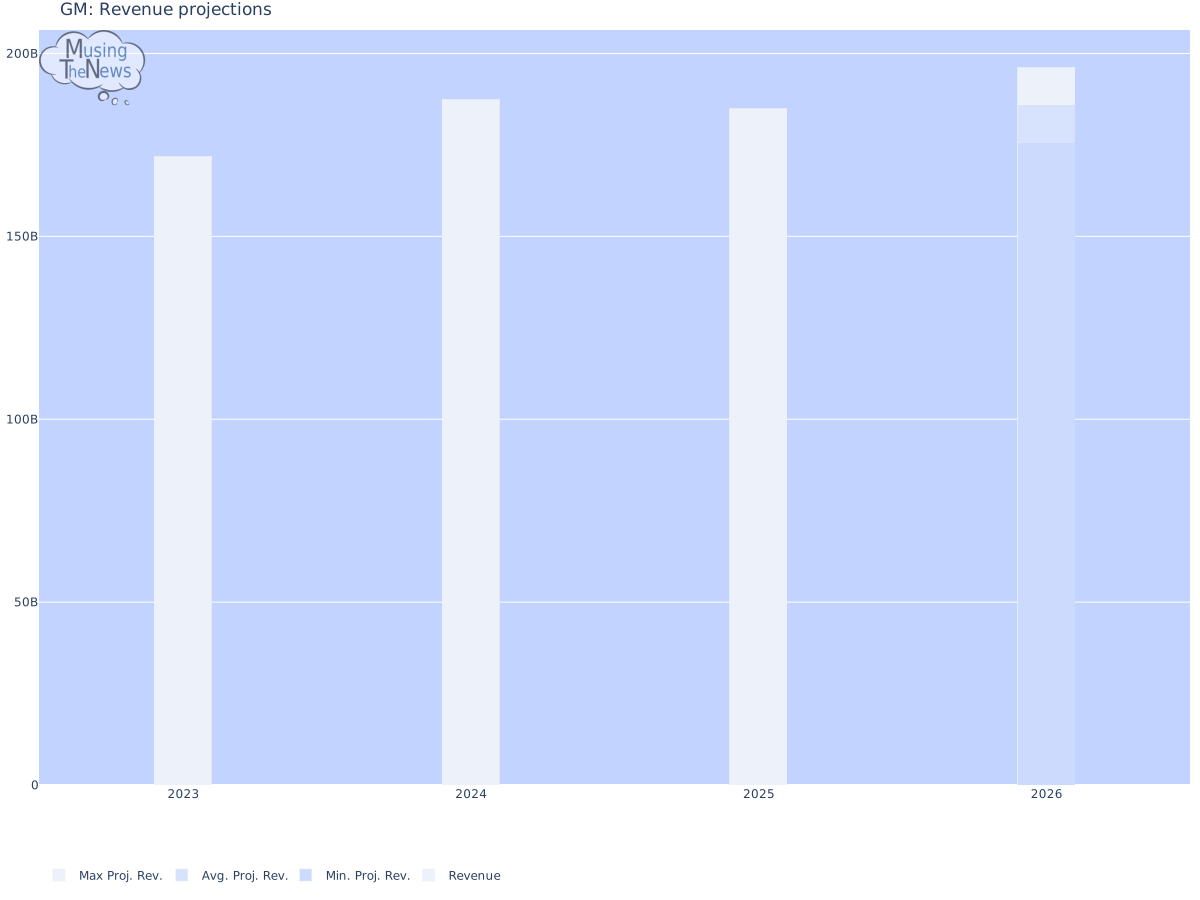
Revenue projections:
Financial Ratios:
| currentRatio | 1.13600 |
|---|---|
| forwardPE | 5.20469 |
| debtToEquity | 202.34100 |
| earningsGrowth | -0.26200 |
| revenueGrowth | 0.01900 |
| grossMargins | 0.10177 |
| operatingMargins | 0.03202 |
| trailingEps | 2.24000 |
| forwardEps | 15.03836 |
General Motors Company's current ratio is 1.136, showing the company's capacity to service its short-term debt through its cash reserves and current assets. This is a positive indicator of liquidity, suggesting General Motors Company has no trouble covering its short-term financial obligations.
GM's high debt-to-equity ratio shows the company is significantly leveraged, relying heavily on debt financing. This raises the potential for increased financial risk, especially if the company's earnings or cash flow are negatively impacted.
GM's low growth in earnings and revenue indicates that profits could shrink. This signals potential financial difficulties for the company, suggesting that its profitability might be under pressure.
General Motors Company's negative gross and operating margins suggest that the company is experiencing losses at both the production and operational levels. This could point to inefficiencies or declining demand for its products.
GM's forward EPS being higher than its trailing EPS suggests that the company is expected to generate stronger profits this year. This points to improving financial performance, with GM anticipated to deliver better earnings than it did in the prior year.
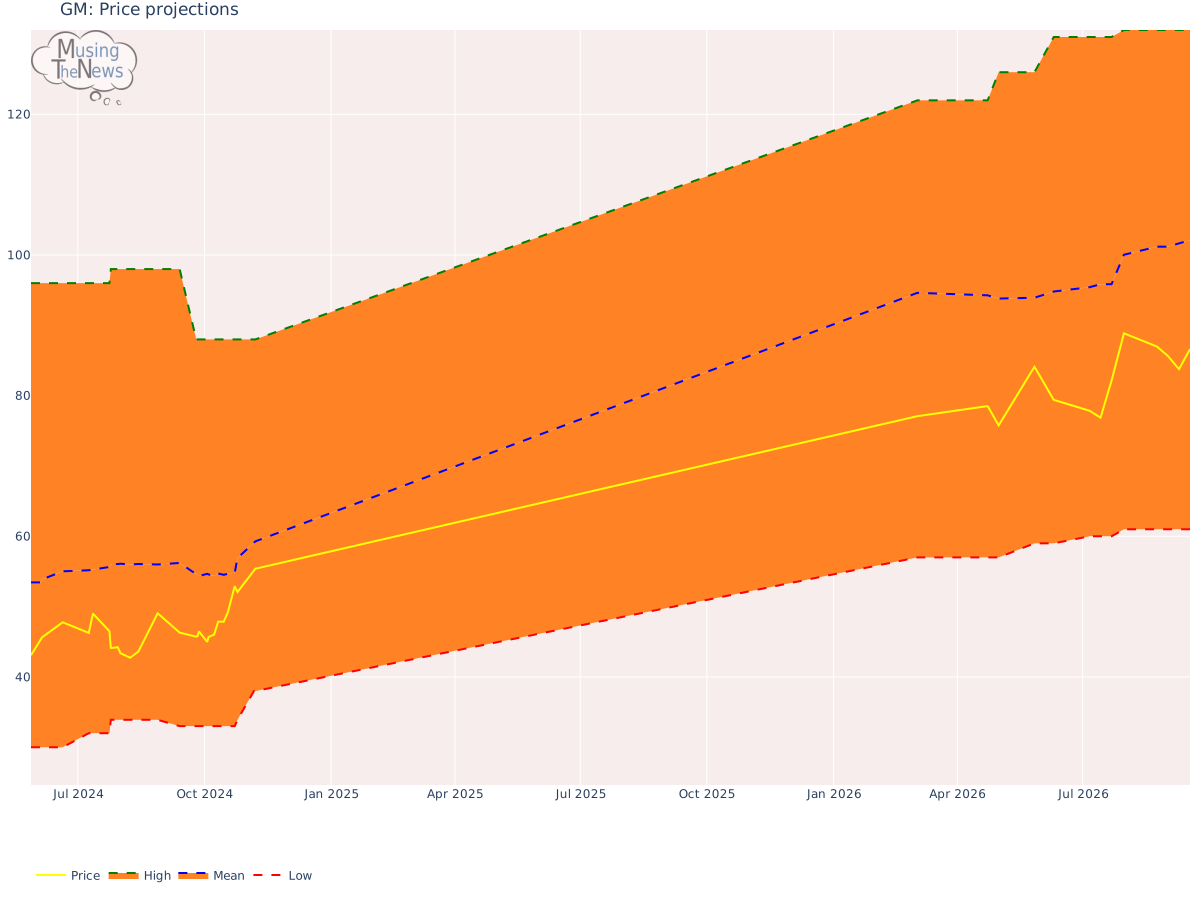
Price projections:
Insider Transactions:
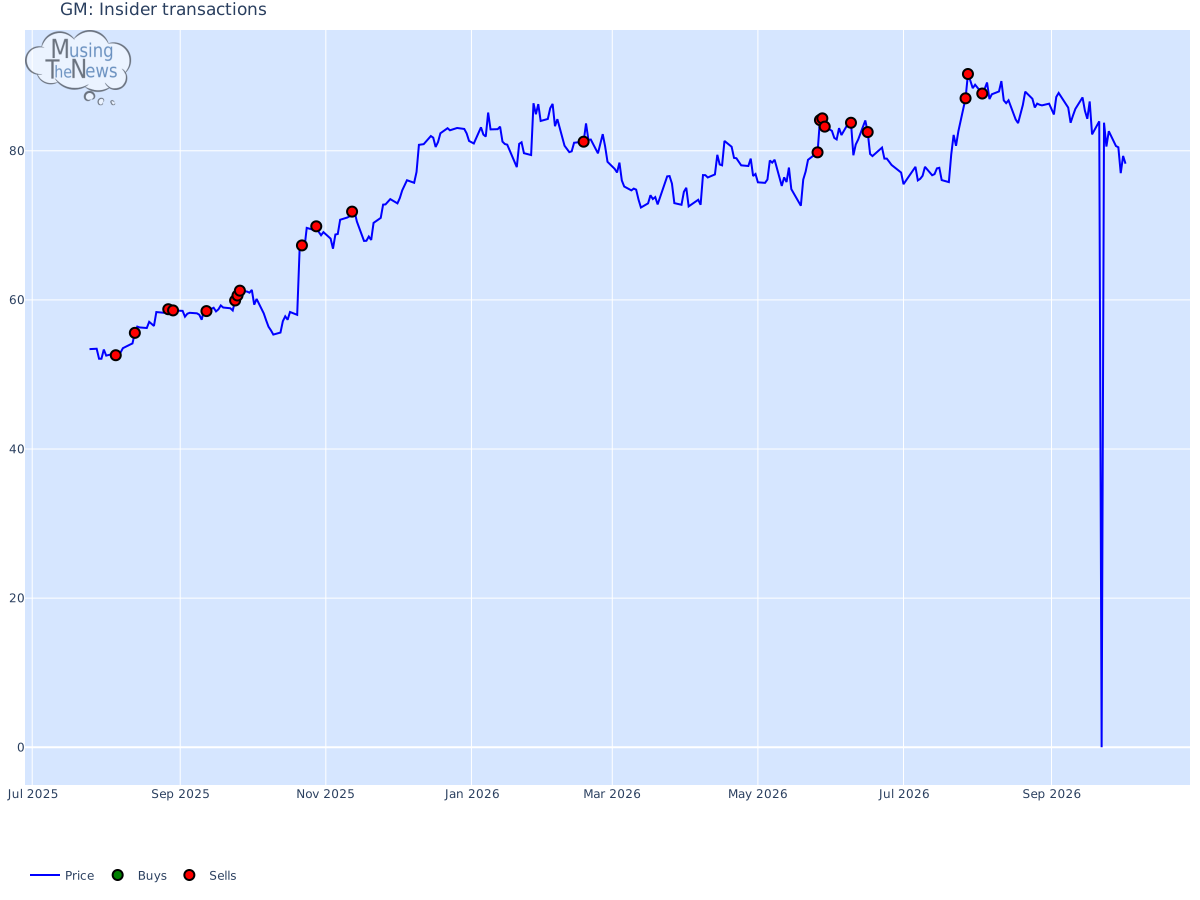
21 transactions to sell GM occurred, with market price at 72.32285762968517.There were no sell transactions during the period under consideration.The higher number of buys versus sells near GM's current price suggests optimism among investors. This buying trend could be interpreted as a sign that the market expects favorable outcomes for the stock in the near future.
Recommendation changes over time:
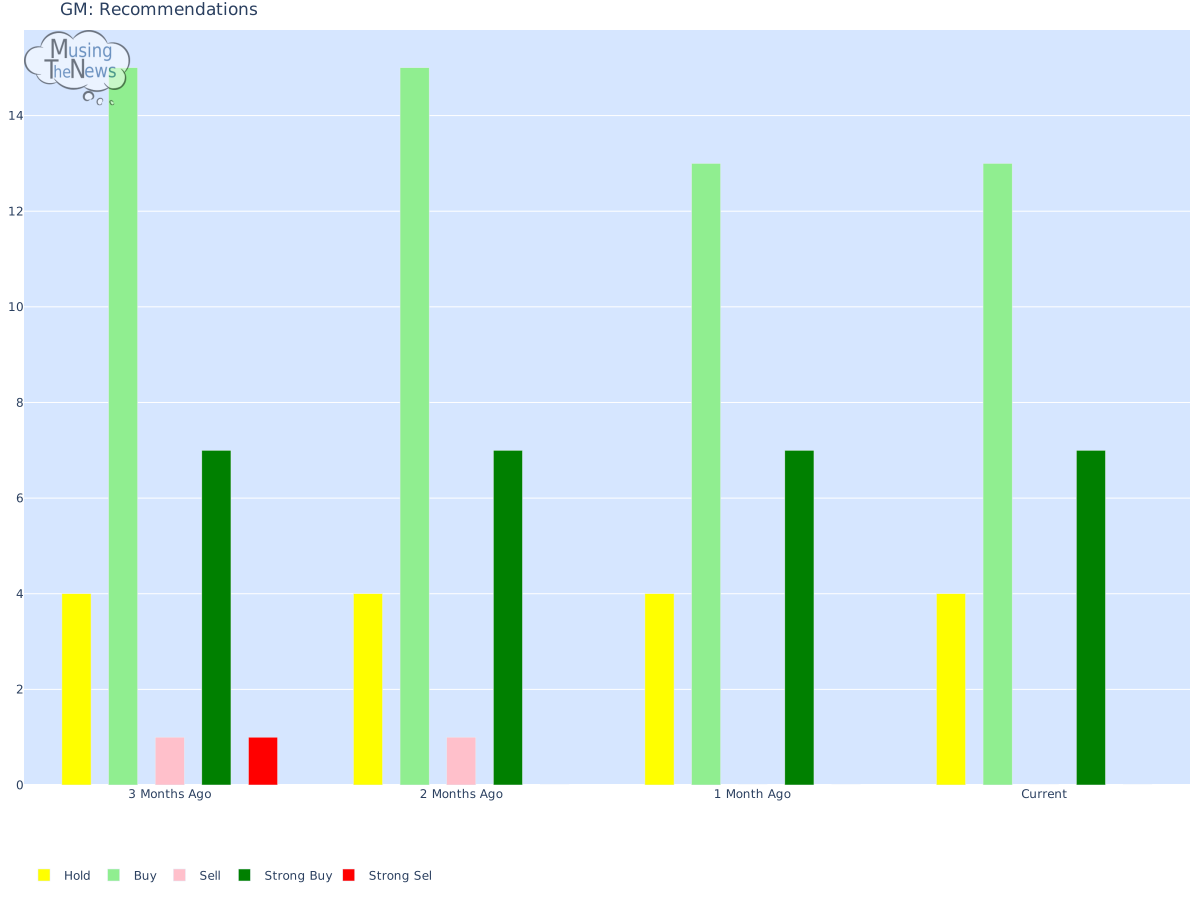
Analysts' buy bias for GM signals that the stock is considered a favorable investment. This outlook might prompt investors to allocate funds to GM, seeing it as a solid and profitable choice to park their money and potentially benefit from the company's long-term growth.