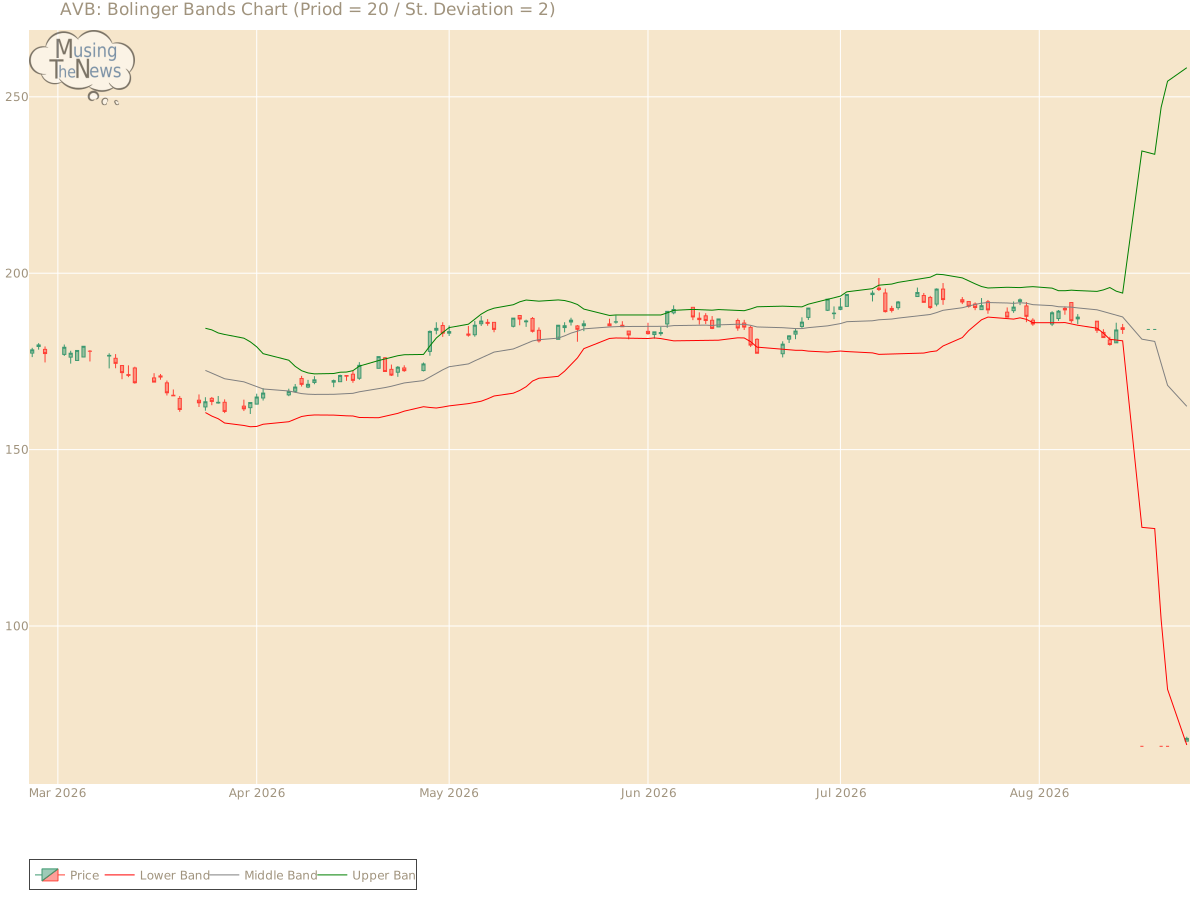
The BOLL BANDS is currently in a neutral position for AvalonBay Communities, Inc., offering no clear guidance on whether the market is likely to move up or down. This neutr...
By MusingTheNews
Updated 2026-10-20 23:24:51
Overall Technical outlook
Price Summary
AvalonBay Communities, Inc.'s stock opened at 67.36 on 2026-08-24, surged to a high of 68.62, hit a low of 67.36, and closed up 1.16% at 68.14, with 6201087 shares traded. The stock's highest value over the last 52 weeks is 195.5, and the lowest value is 65.9.
Technicals
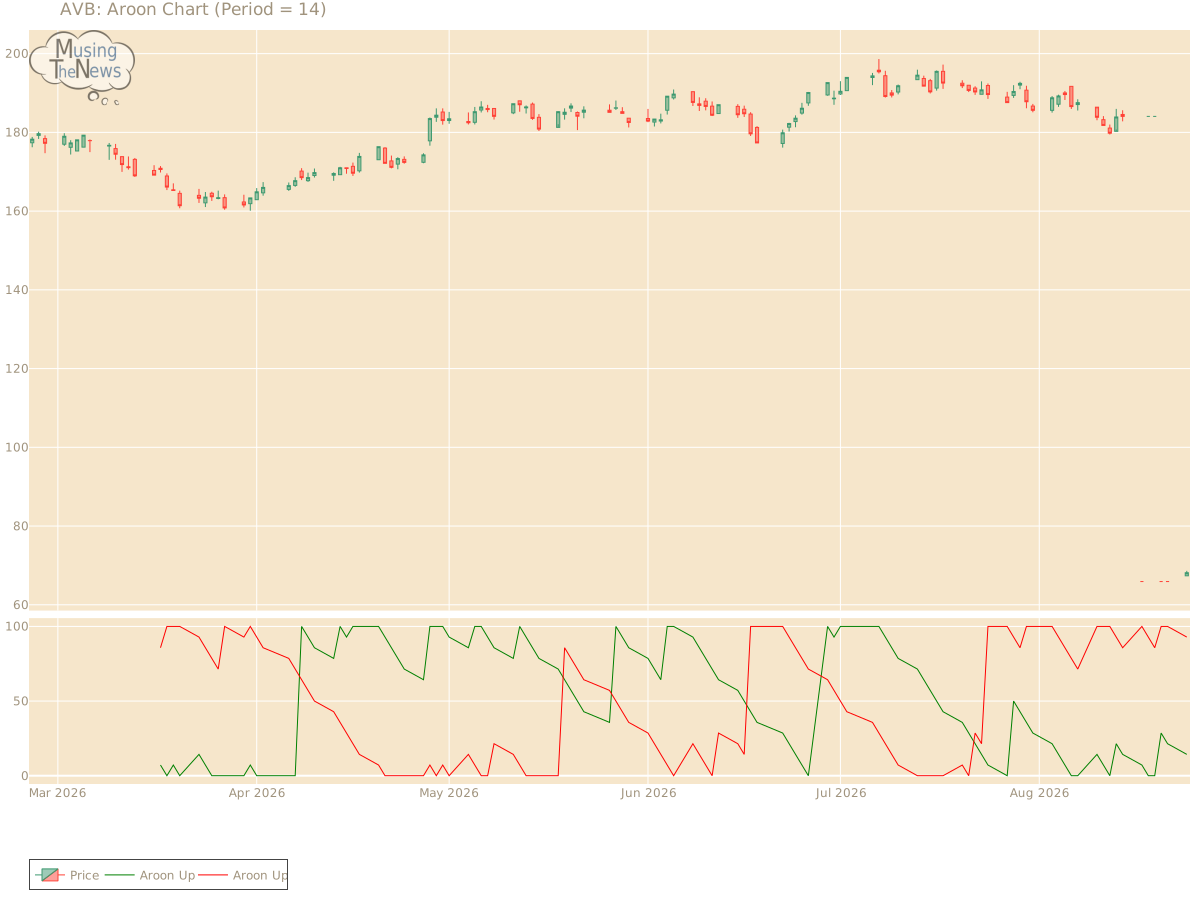
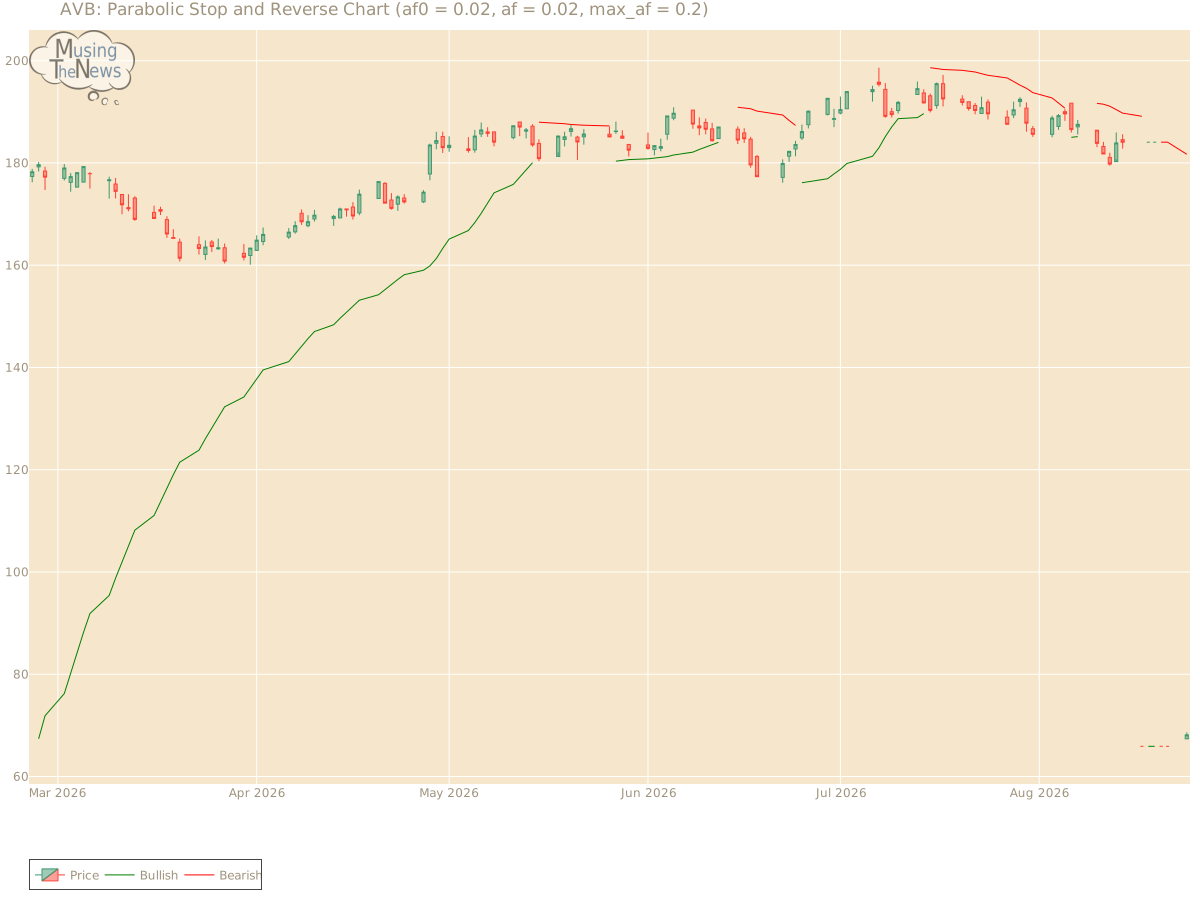
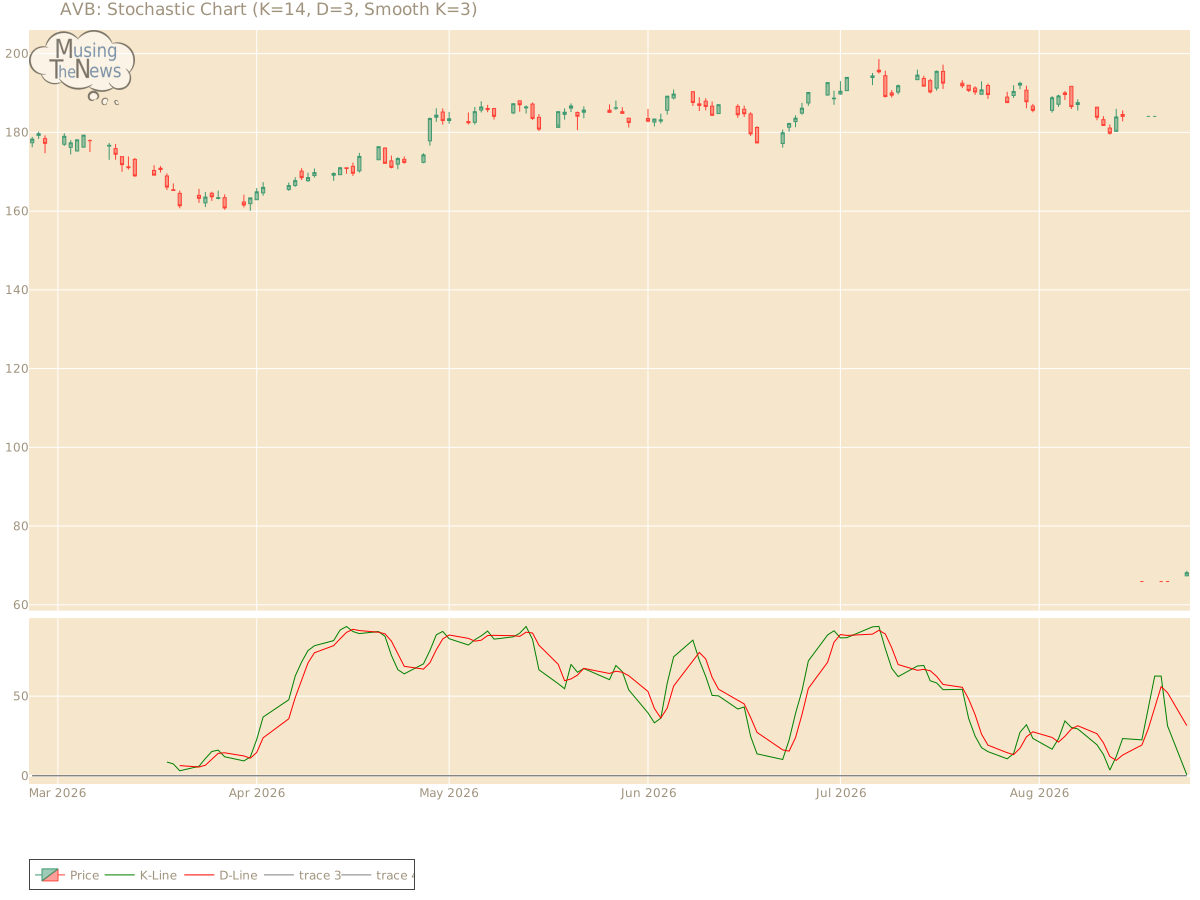
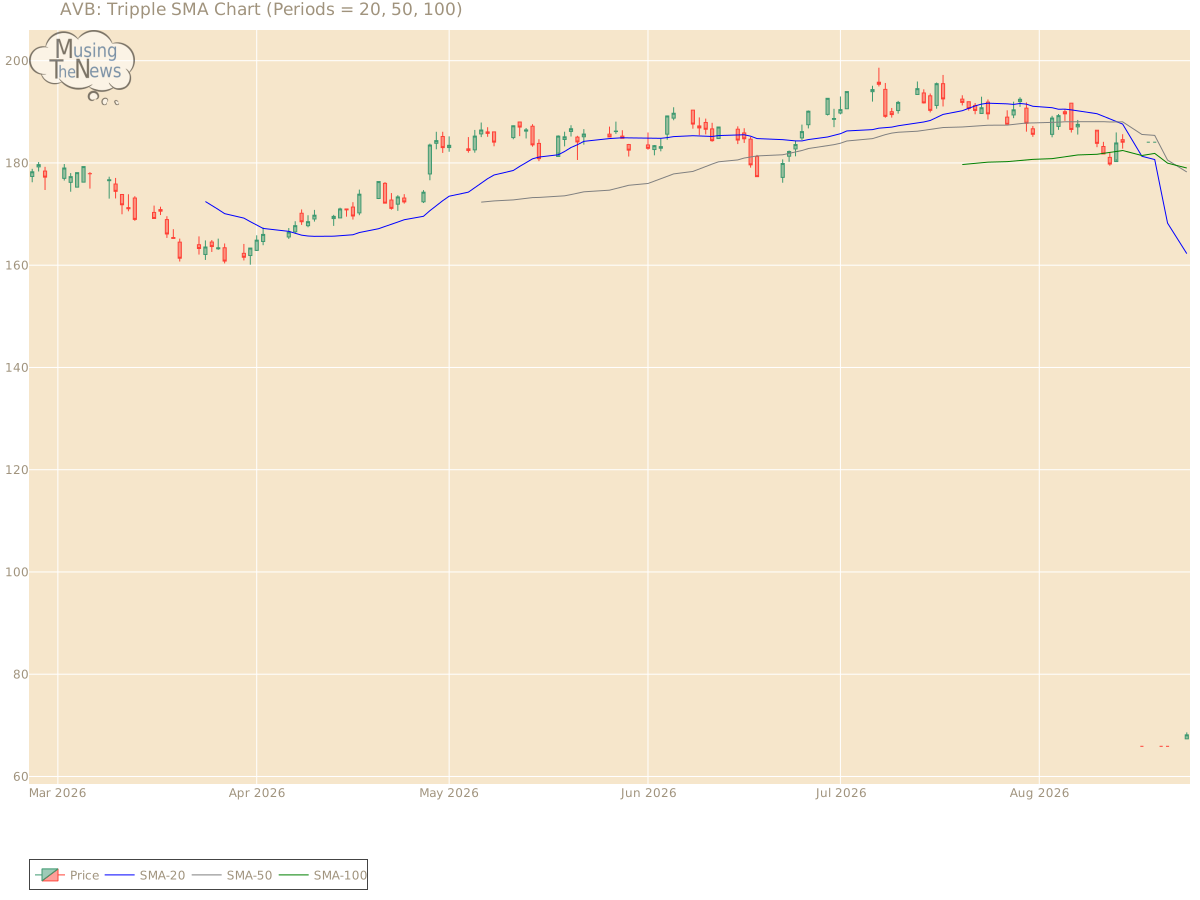
Aroon: The current reading of the AROON indicator suggests a neutral stance, with no clear signals indicating an upward or downward direction. This lack of directional bias suggests the market may be in a period of consolidation or uncertainty.Aroon chart for AvalonBay Communities, Inc.Bol. Bands: The BOLL BANDS is currently in a neutral position for AvalonBay Communities, Inc., offering no clear guidance on whether the market is likely to move up or down. This neutral stance suggests that further observation may be necessary before a trend becomes apparent.Bolinger Bands chart for AvalonBay Communities, Inc.Parabolic SAR: The PSAR continues to signal a bearish outlook, setting a significant resistance level. This resistance could limit upward momentum, indicating that the market may struggle to overcome this bearish pressure in the near term.Parabolic Stop and Reverse chart for AvalonBay Communities, Inc.Stochastic: With the Stochastic K-line below the D-line and under 20, the market shows signs of a mildly bearish trend. This configuration suggests possible weakness for AVB, but the bearish sentiment is not overly strong. Traders should be aware of this potential shift and look for further confirmation.Stochastic chart for AvalonBay Communities, Inc.Tripple Moving Agerage: The 20-50-100 period moving averages suggest a bullish trend, but the slopes of the faster averages indicate that this strength may be weakening. The potential for a reversal is becoming apparent, as the shorter-term averages show signs of fading momentum, suggesting that a trend change could be imminent.Tripple SMA chart for AvalonBay Communities, Inc. When evaluating a company's technical indicators like price trends and trading volume, it's important to also assess its fundamentals. Key factors include the company's profitability, growth rate, and financial stability. Furthermore, considering the industry within which the company operates provides additional context, as factors like competition and market demand can affect performance. By combining this analysis, you can make more informed judgments about the company's future prospects.