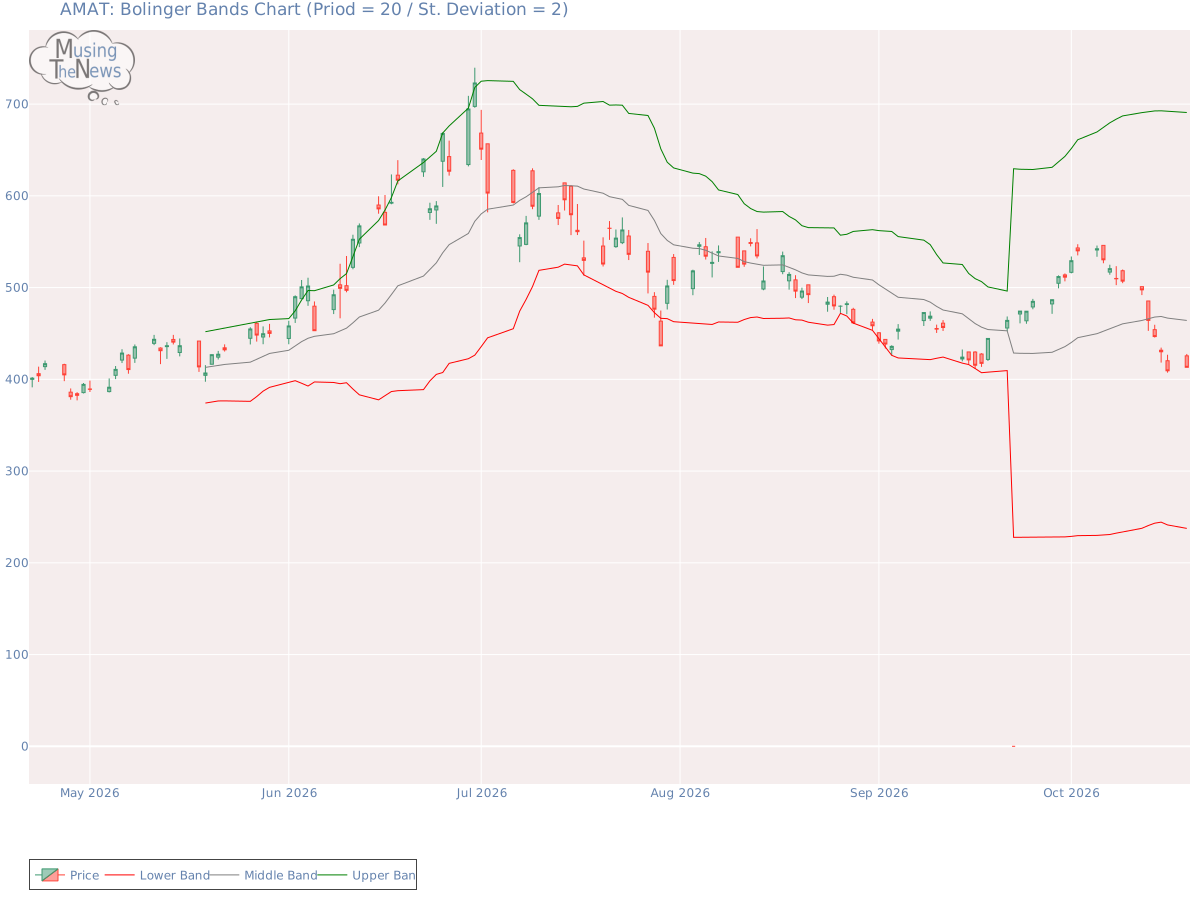
The current state of the BOLL BANDS is neutral, offering no clear signals of movement in either direction. This suggests a potential pause in market activity, with no stron...
By MusingTheNews
Updated 2026-10-20 23:24:49
Overall Technical outlook
Price Summary
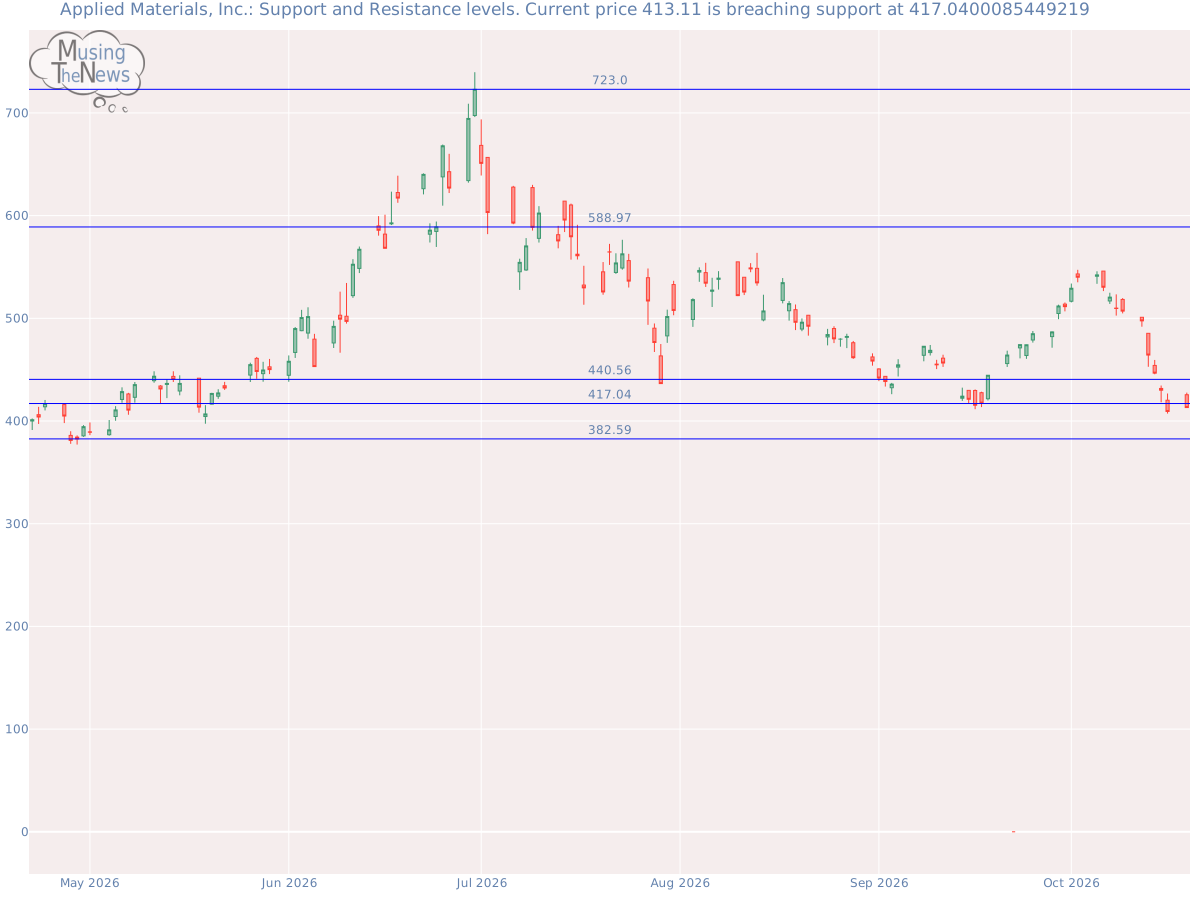
A -2.93% dip in Applied Materials, Inc.'s stock marked an awful day on the market. On 2026-10-19, Applied Materials, Inc.'s stock opened at 425.6, peaked at 427.66, hit a low of 412.69, and closed -2.93% down at 413.11, with 6750300 shares changing hands. The stock's highest price in the past 52 weeks is 723.0, while its lowest price during the same period is 0.0.
Technicals
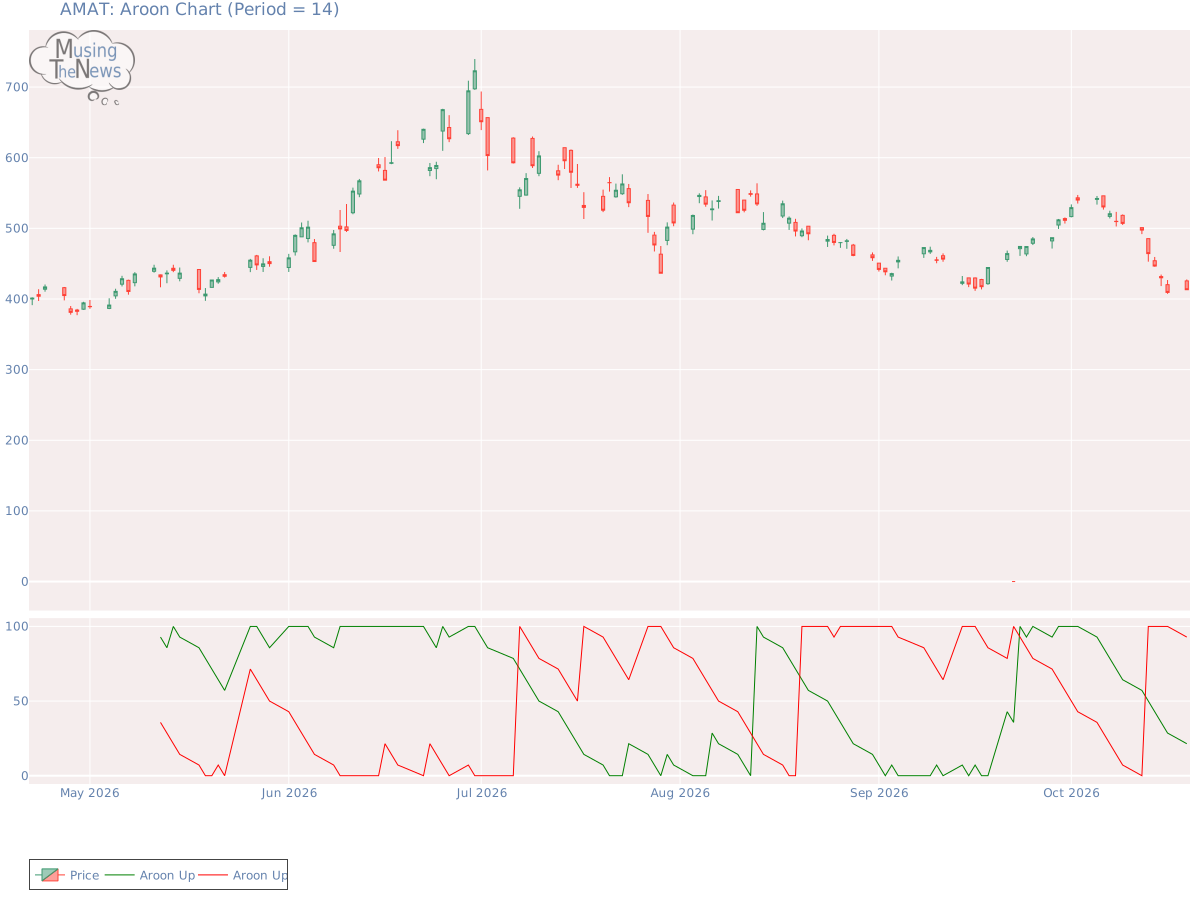
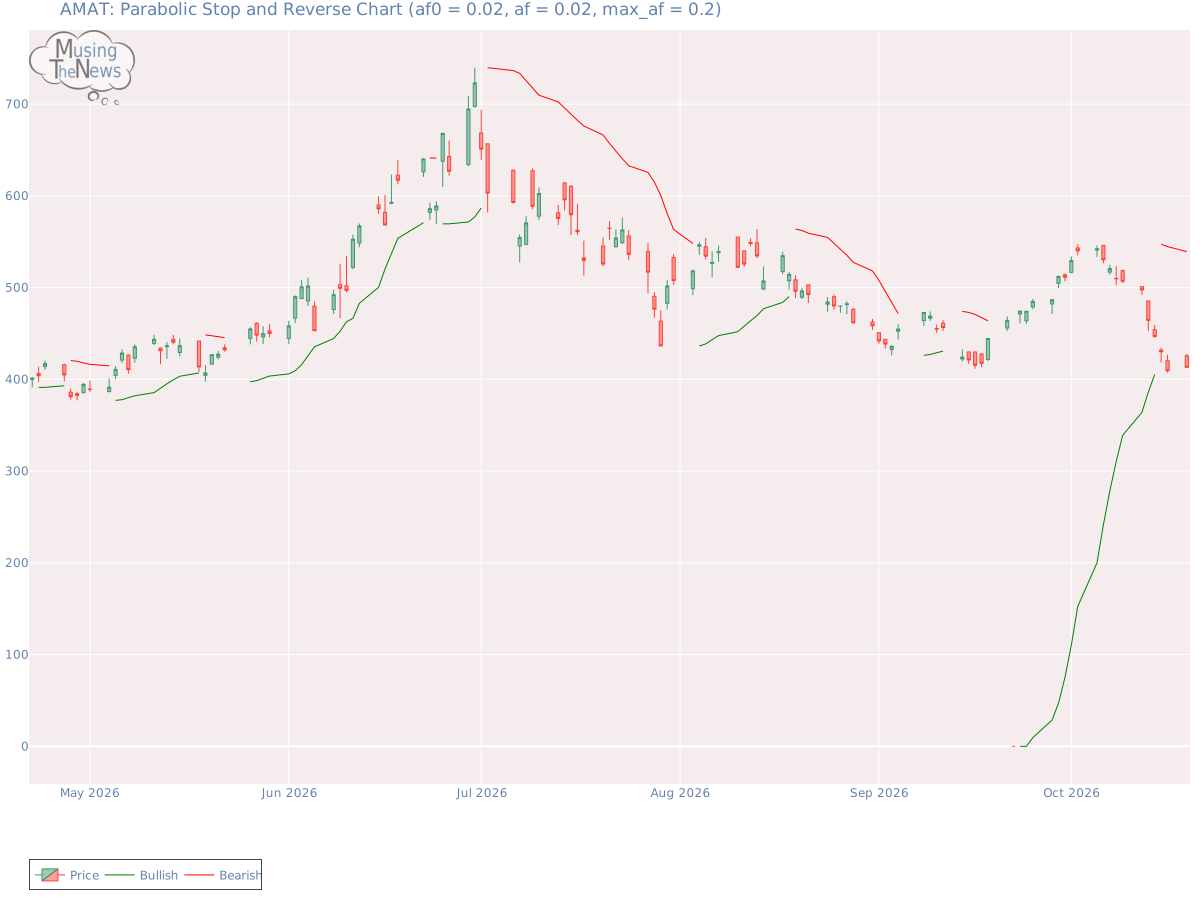
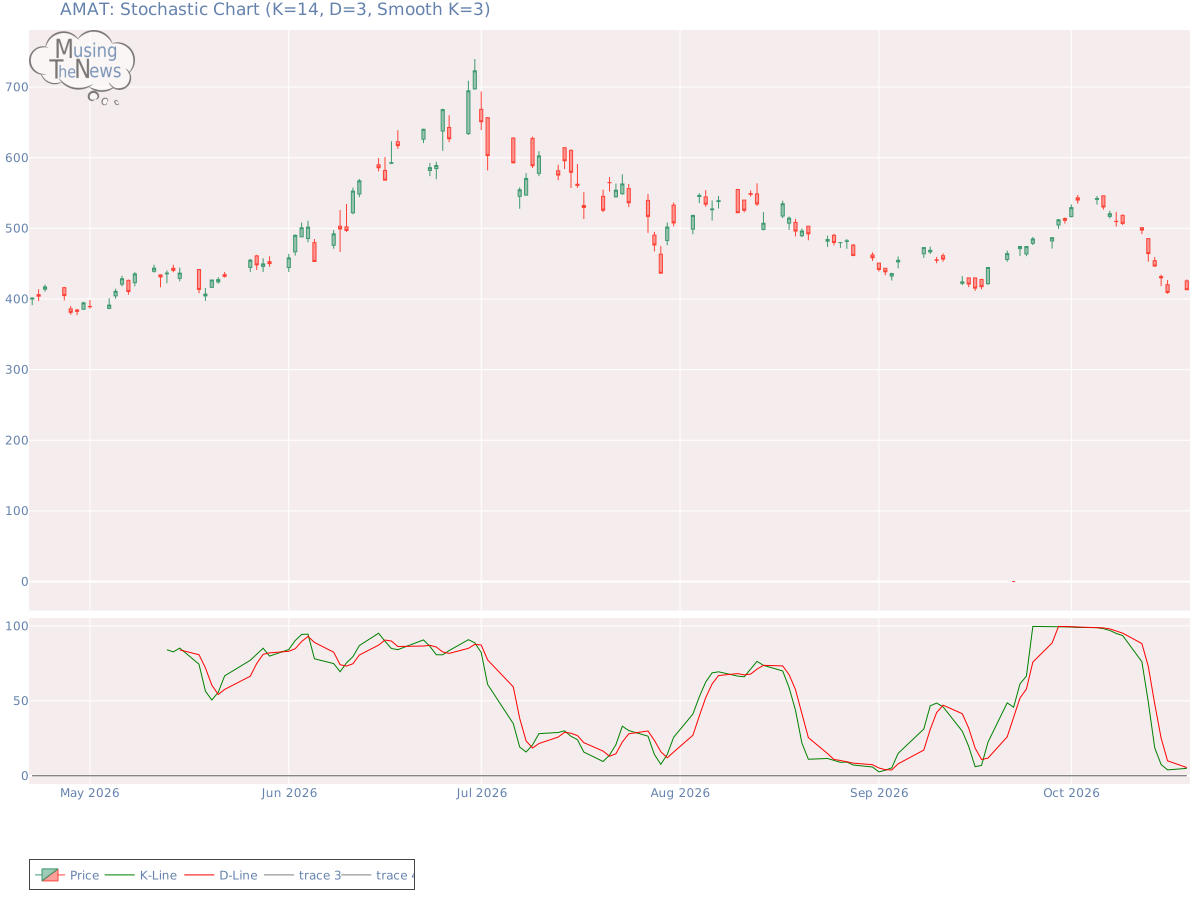
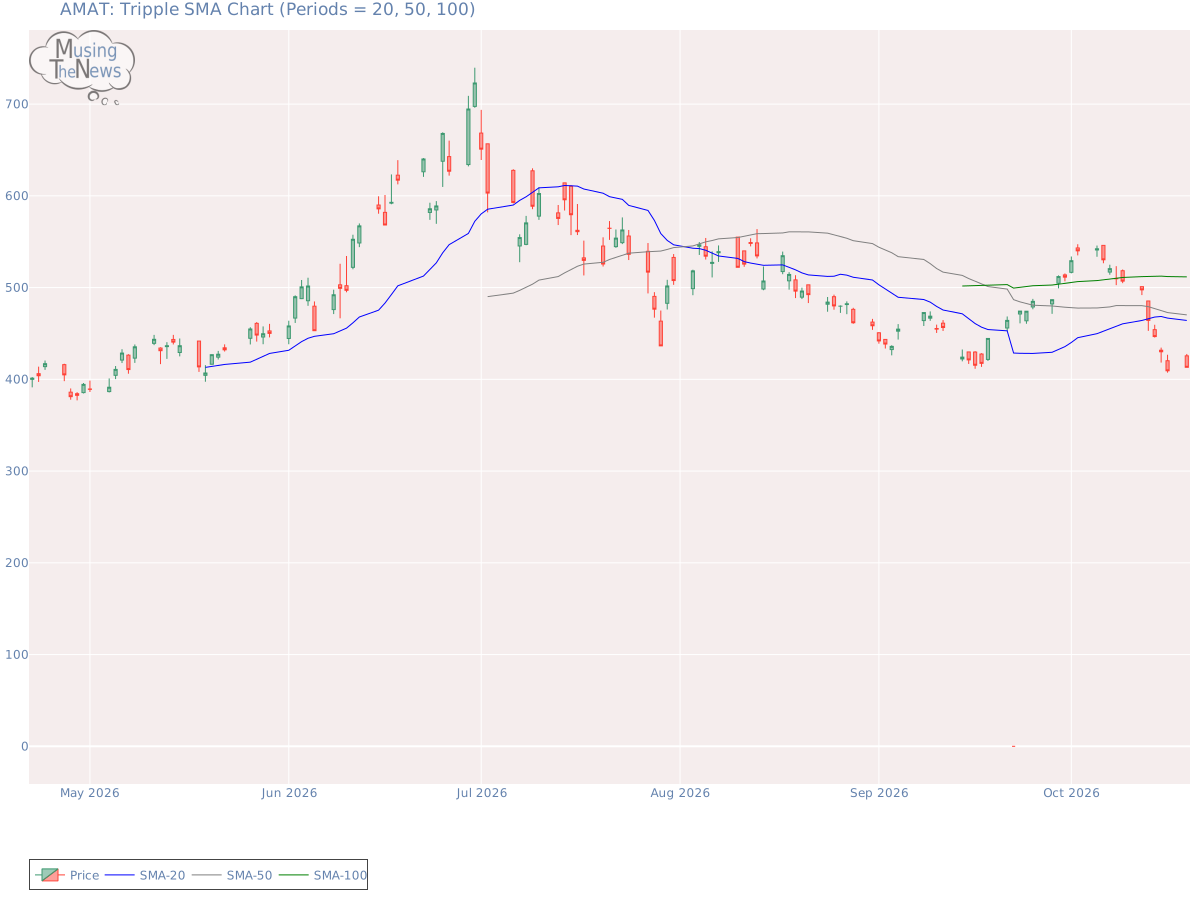
Support and Resistance: With the current price at 413.11, support is found at 382.59 and resistance at 417.04. These levels indicate where buyers might step in at 382.59, while sellers could limit gains at 417.04, defining a trading boundary for Applied Materials, Inc..Support/Resistance for AMATAroon: The AROON is currently in a neutral position, offering no clear indication of movement up or down. This suggests that the market may be experiencing a period of equilibrium, with no strong trend in play.Aroon chart for Applied Materials, Inc.Bol. Bands: The current state of the BOLL BANDS is neutral, offering no clear signals of movement in either direction. This suggests a potential pause in market activity, with no strong trend emerging at the moment.Bolinger Bands chart for Applied Materials, Inc.Parabolic SAR: The PSAR for AMAT continues to signal a bearish stance, reinforcing a resistance level that could restrict upward movement. This resistance suggests that the market may remain under bearish pressure, with limited potential for breaking higher.Parabolic Stop and Reverse chart for Applied Materials, Inc.Stochastic: The Stochastic K-line is positioned below the D-line and sits under 20, suggesting a mildly bearish scenario. This setup indicates that the market might face some downside pressure, though the bearish signal is not particularly strong. Investors should consider this as a cautious indicator and monitor for further developments.Stochastic chart for Applied Materials, Inc.Tripple Moving Agerage: The Tripple MOVING AVG is currently neutral, offering no clear guidance on market direction. This suggests that the market may be in a state of pause, with no strong trend emerging.Tripple SMA chart for Applied Materials, Inc. A company's technical data, including stock price and trading volume, can provide valuable insights when considered alongside its fundamentals. These include financial performance, market share, and growth strategy, as well as broader industry dynamics. Examining these factors helps investors or analysts make more informed decisions, as the company's fundamentals offer context for understanding how and why certain technical patterns may emerge in the market.