Fundamentals for PulteGroup, Inc.
PulteGroup, Inc.'s forward EPS is higher than its trailing EPS, suggesting the company is expected to see an increase in profitability this year. This points to positive gr...






Business Operations:
Sector: Consumer CyclicalIndustry: Residential Construction
PulteGroup, Inc., through its subsidiaries, engages in the homebuilding business in the United States. The company is involved in the acquisition and development of land primarily for residential purposes, as well as construction of housing; and sale of single-family detached homes; and attached homes, such as townhomes, condominiums, and duplexes under the Centex, Pulte Homes, Del Webb, DiVosta Homes, and John Wieland Homes and Neighborhoods brands. It also engages in the mortgage banking, title, and insurance agency operations. PulteGroup, Inc. was founded in 1950 and is headquartered in Atlanta, Georgia.
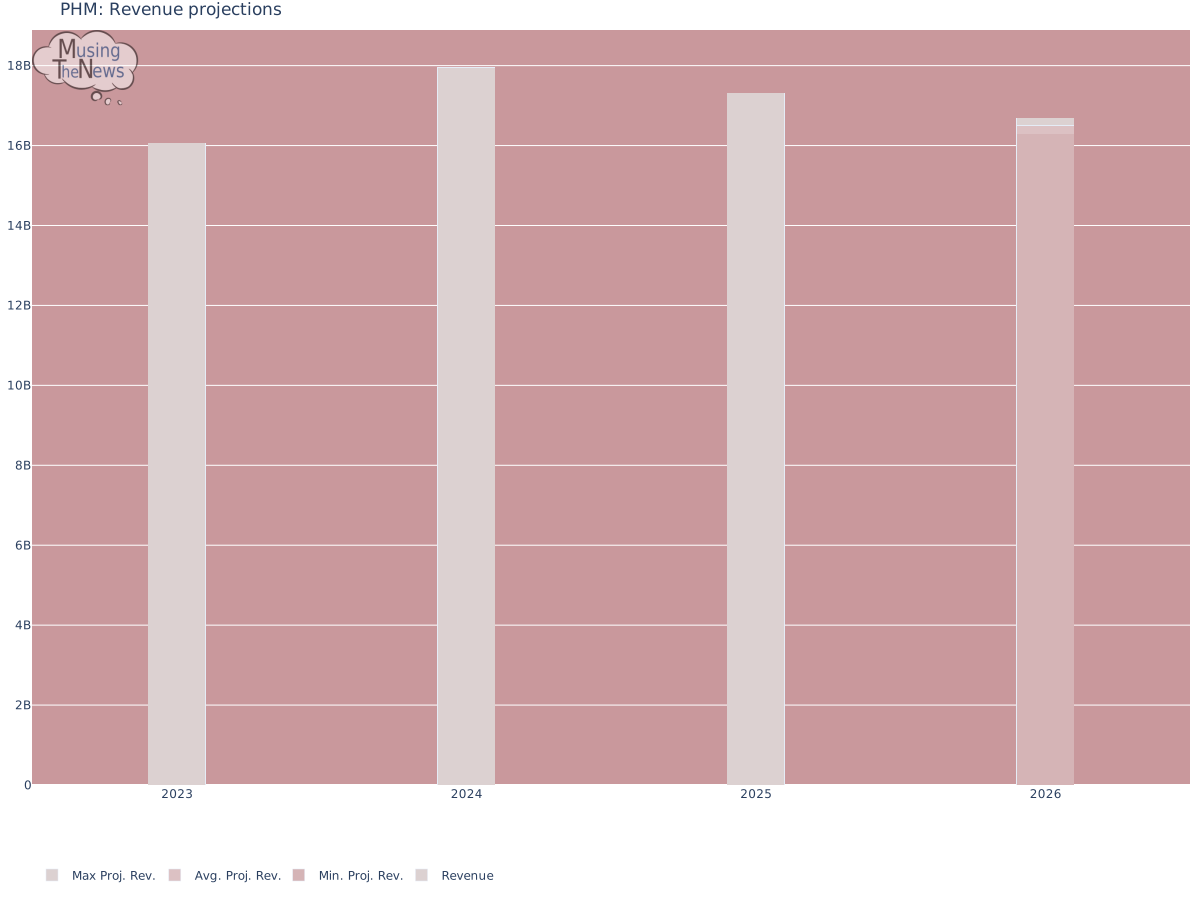
Revenue projections:
Financial Ratios:
| currentRatio | 7.272000 |
|---|---|
| forwardPE | 10.866805 |
| debtToEquity | 19.065000 |
| earningsGrowth | -0.182000 |
| revenueGrowth | -0.096000 |
| grossMargins | 0.255650 |
| operatingMargins | 0.156850 |
| trailingEps | 9.790000 |
| forwardEps | 11.029000 |
PHM's current ratio of 7.272, indicating that the company can meet its short-term debt obligations with ease. This high liquidity level is a positive sign, as PHM has enough cash and current assets to handle its immediate liabilities comfortably.
PHM's Forward PE is positioned well, reflecting a favorable balance between stock price and earnings. The stock isn't overpriced, offering room for growth and making it a potentially rewarding investment as its value has room to rise further.
PHM's low Debt-to-Equity ratio indicates the company is not over-leveraged. By limiting its dependence on debt, PHM reduces its financial risk and demonstrates a strong capital structure, making it a more stable investment option for those wary of excessive borrowing.
PHM's low earnings and revenue growth suggest that its profits could shrink. This points to a potential downturn in the company's financial outlook and may indicate challenges in maintaining profitability.
PHM's negative gross and operating margins suggest that the company is currently unprofitable, both in terms of production and overall operations. This could reflect rising costs or declining revenues, posing challenges for future profitability.
PulteGroup, Inc.'s forward EPS is higher than its trailing EPS, suggesting the company is expected to see an increase in profitability this year. This points to positive growth, indicating that PulteGroup, Inc. is projected to improve its financial performance compared to the previous year.
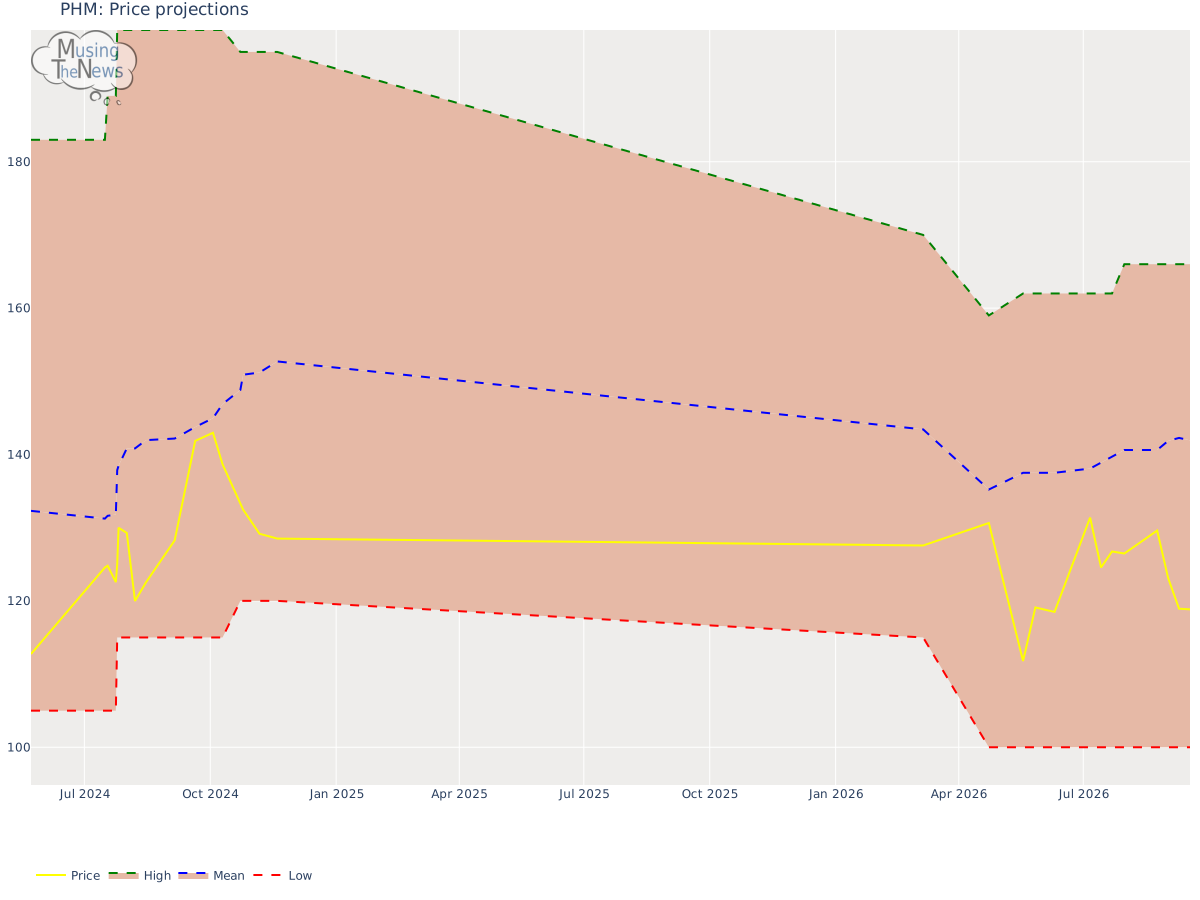
Price projections:
Insider Transactions:
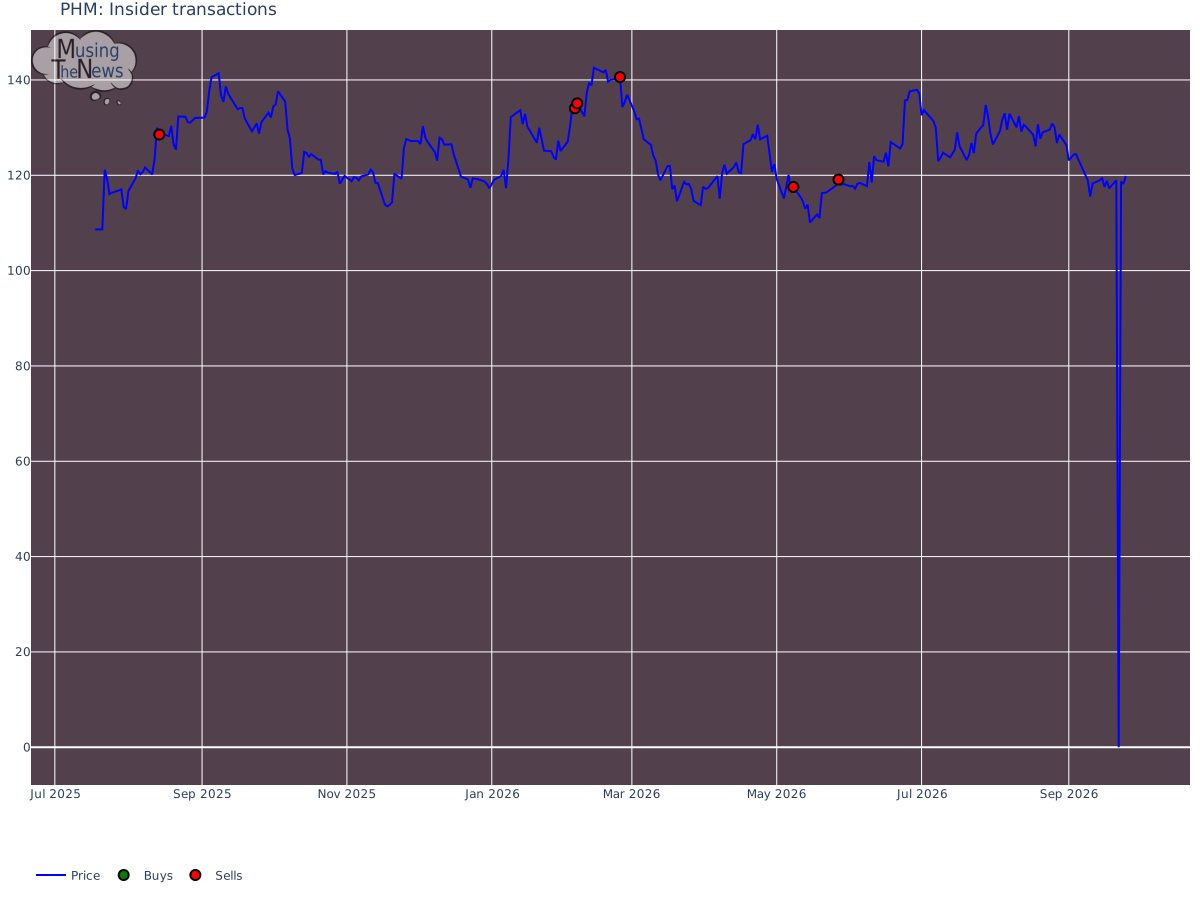
PHM saw 6 transactions in which shares were sold with market price at 129.15668869018555.During the period under review, no sell transactions were recorded.More buys than sells have been occurring around the current price levels of PHM, potentially signaling investor optimism. This buying trend might be interpreted as a sign of a favorable outlook for the stock's future performance.
Recommendation changes over time:
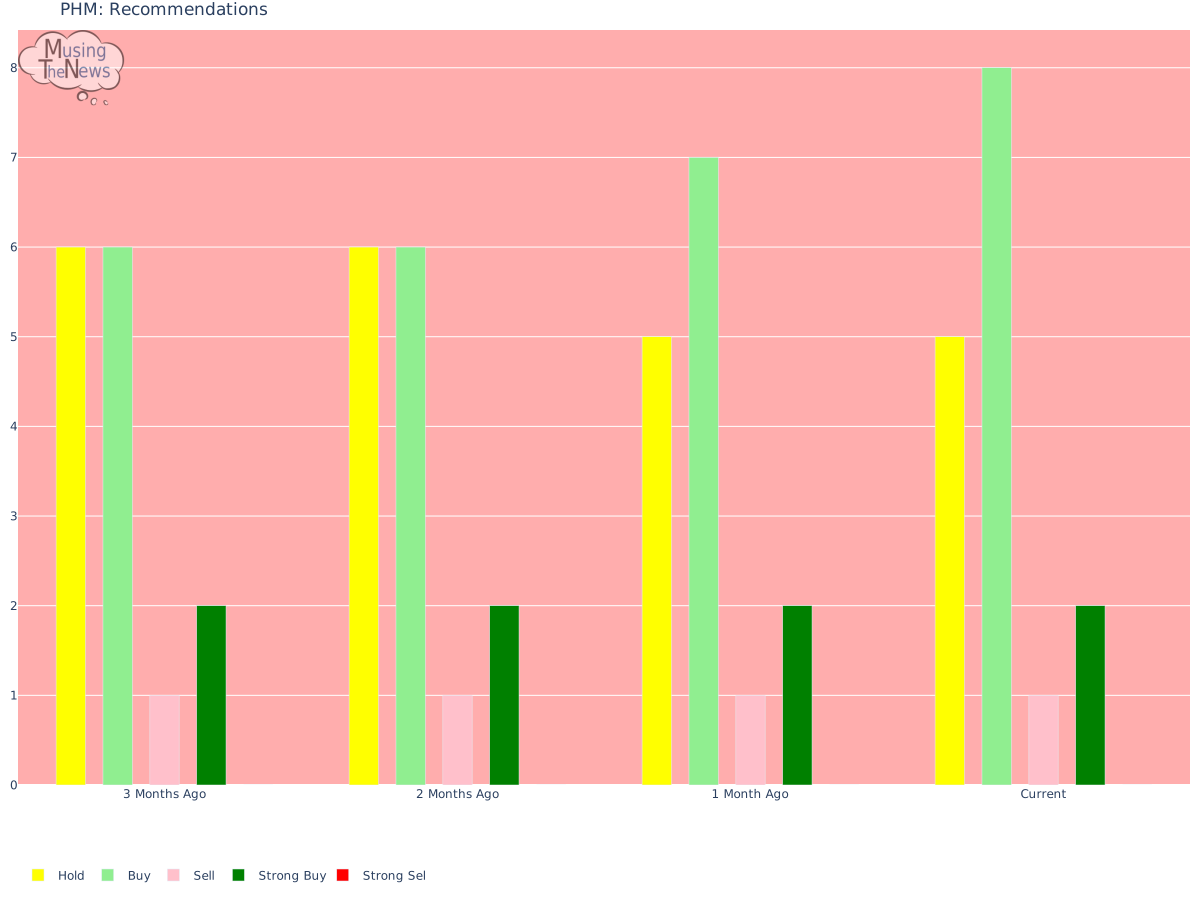
PHM has been receiving a buy bias from analysts, signaling strong confidence in the stock's future performance. This positive outlook might drive investors to view PHM as an attractive option for their portfolios, positioning the company as a stable and profitable investment choice.