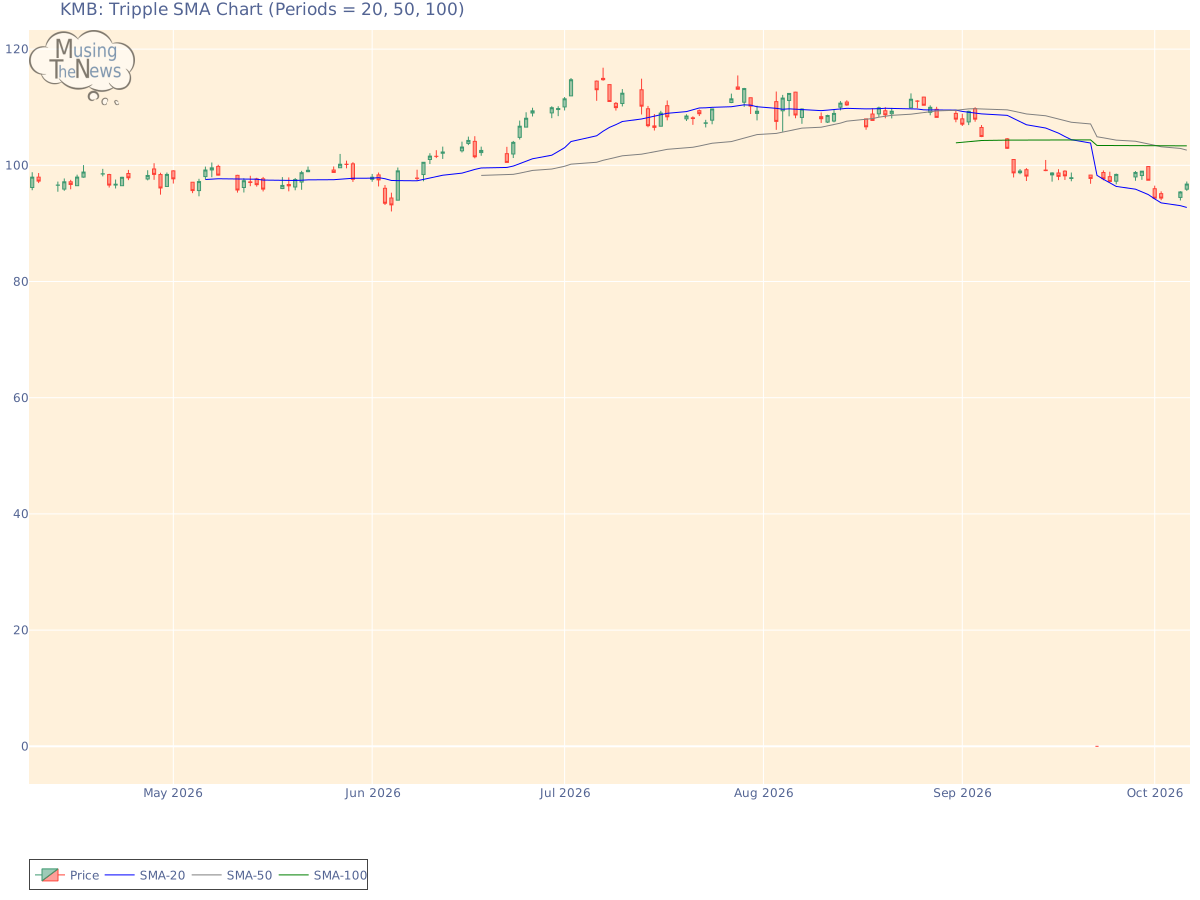
The alignment of the 20-50-100 period moving averages supports a bullish trend, yet the slopes of the shorter-term averages suggest a possible weakening. The faster average...
By MusingTheNews
Updated 2026-10-07 23:26:30
Overall Technical outlook
Price Summary
On 2026-10-06, Kimberly-Clark Corporation's shares started at 95.89, peaked at 97.21, bottomed out at 95.6, and ended 0.92% higher at 96.77, with 3331600 shares traded. During the past 52 weeks, the highest stock price was 121.44, and the lowest was 0.0.
Technicals
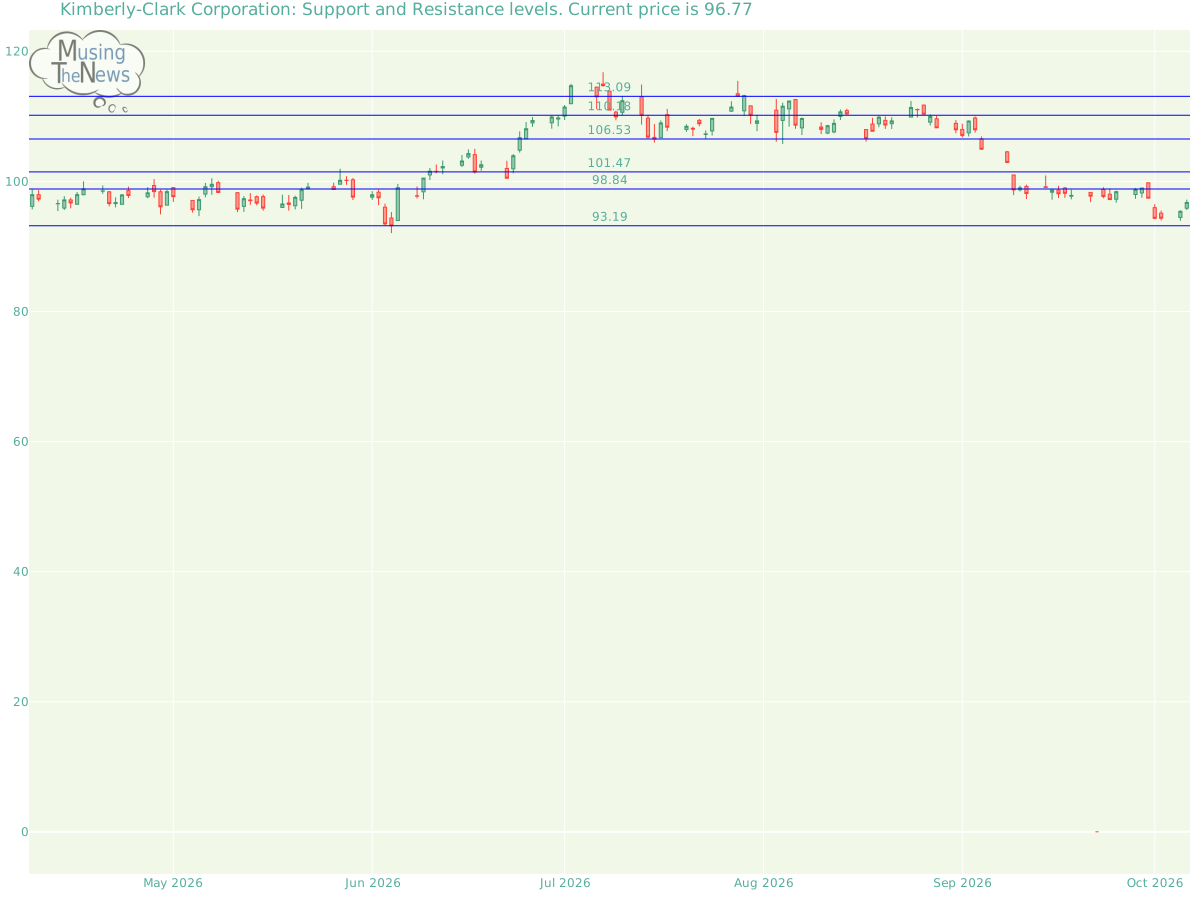
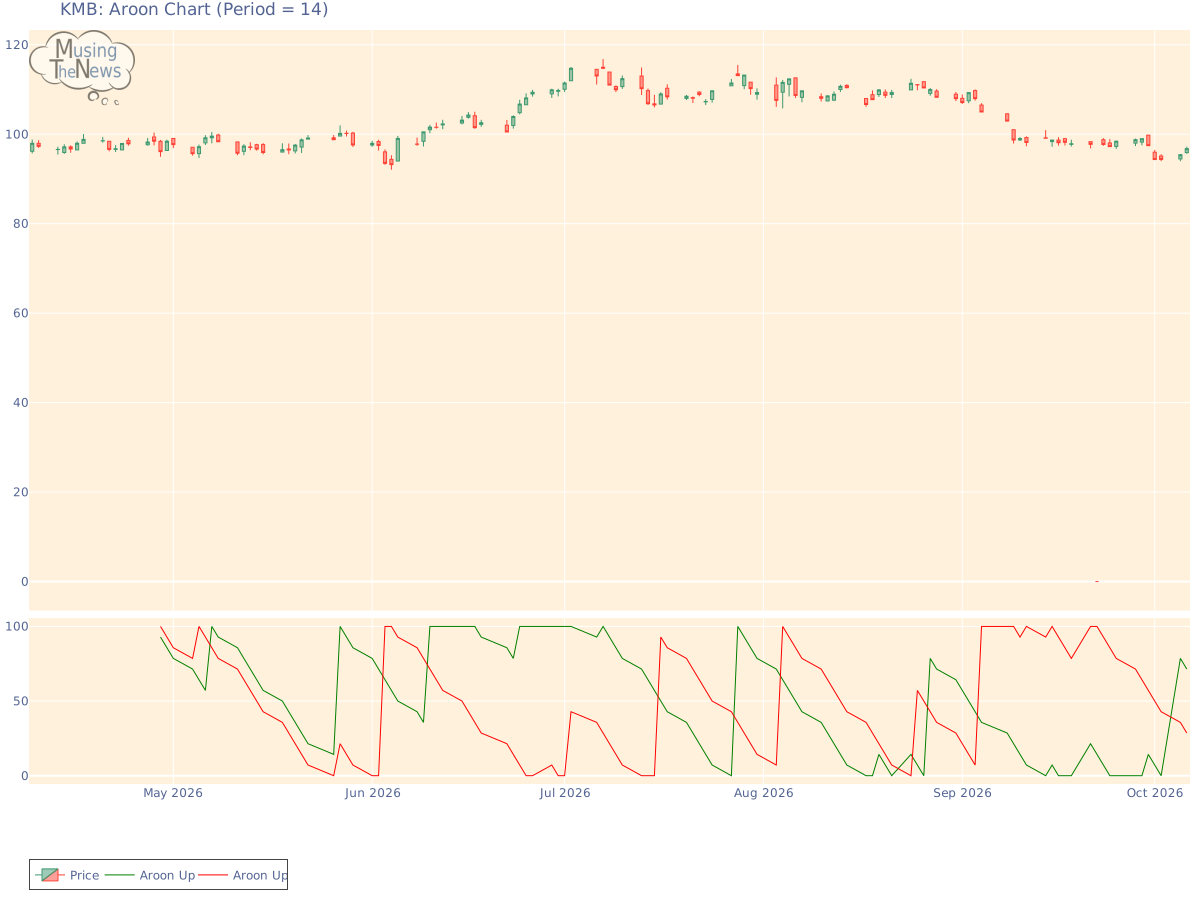
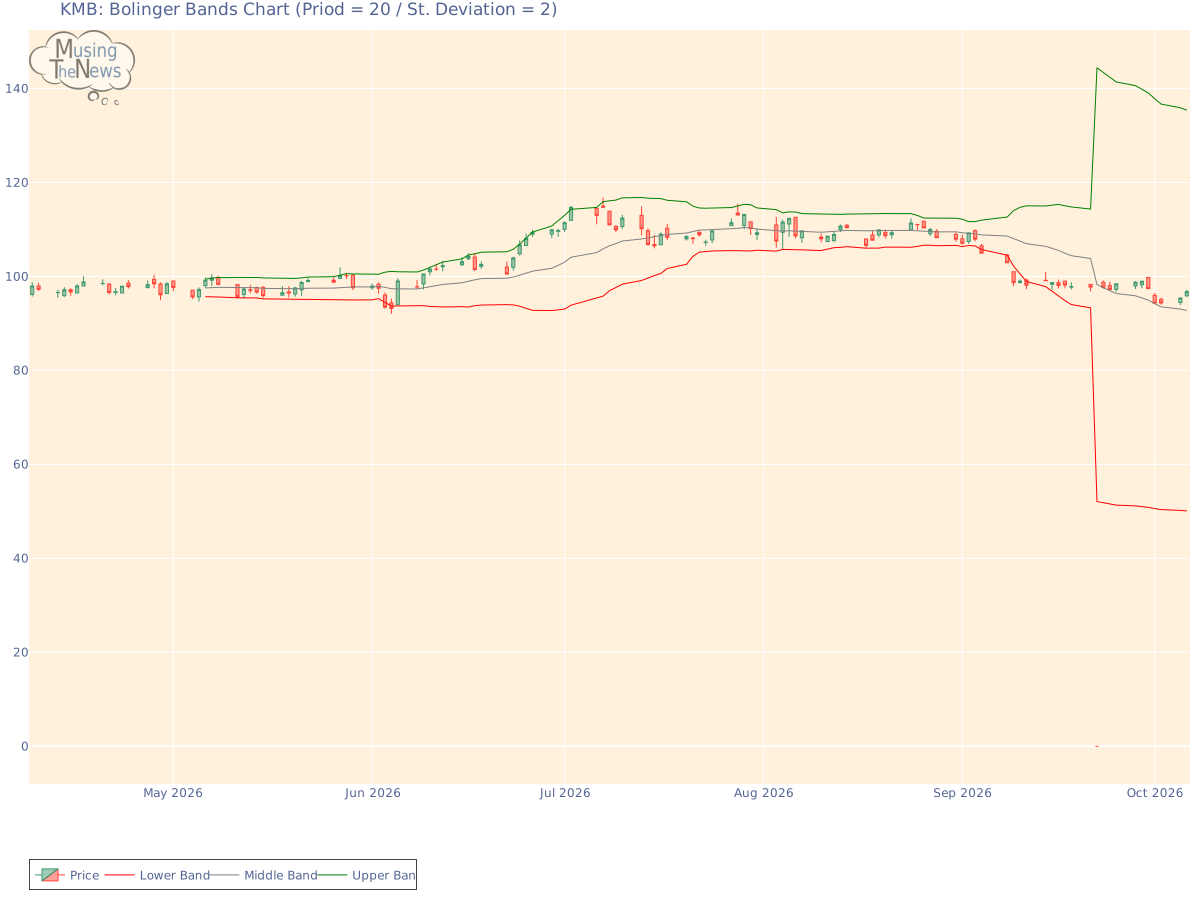
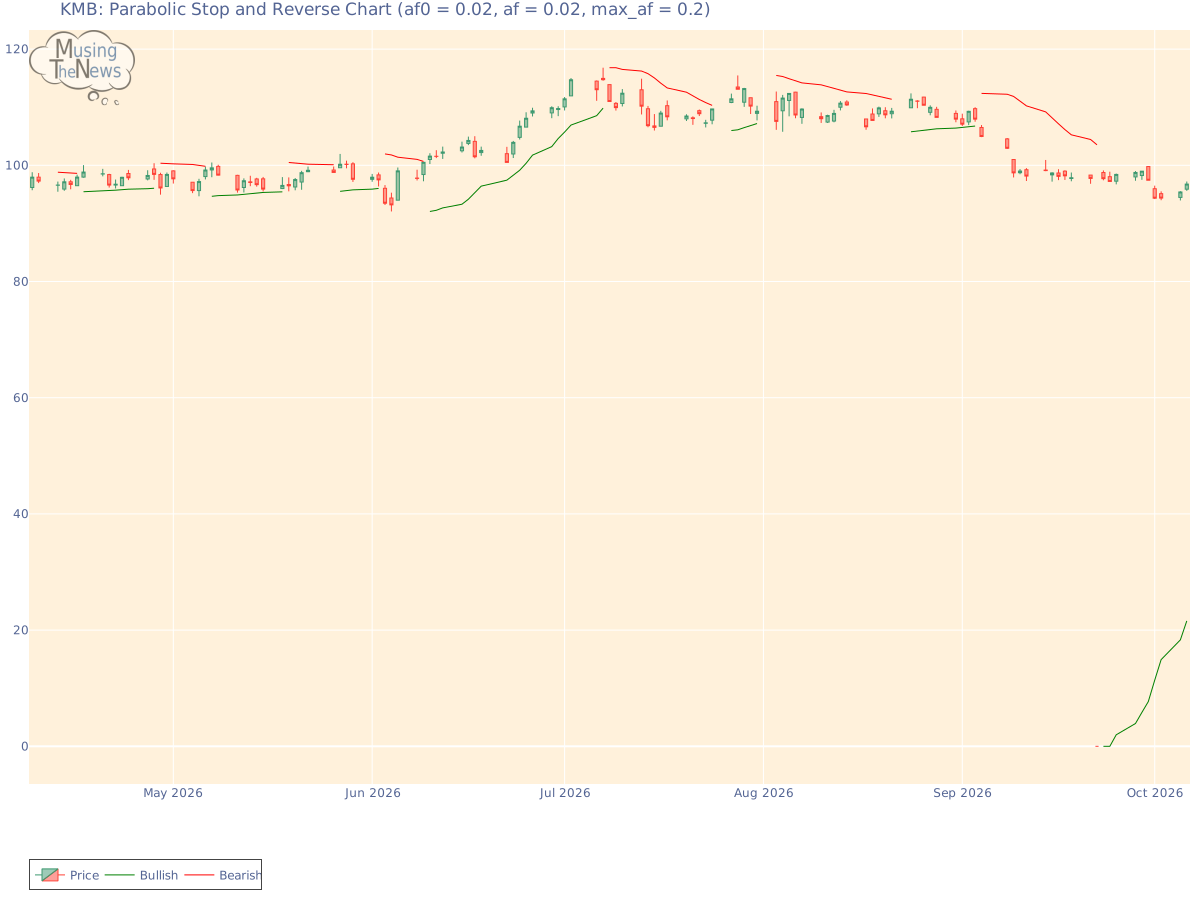
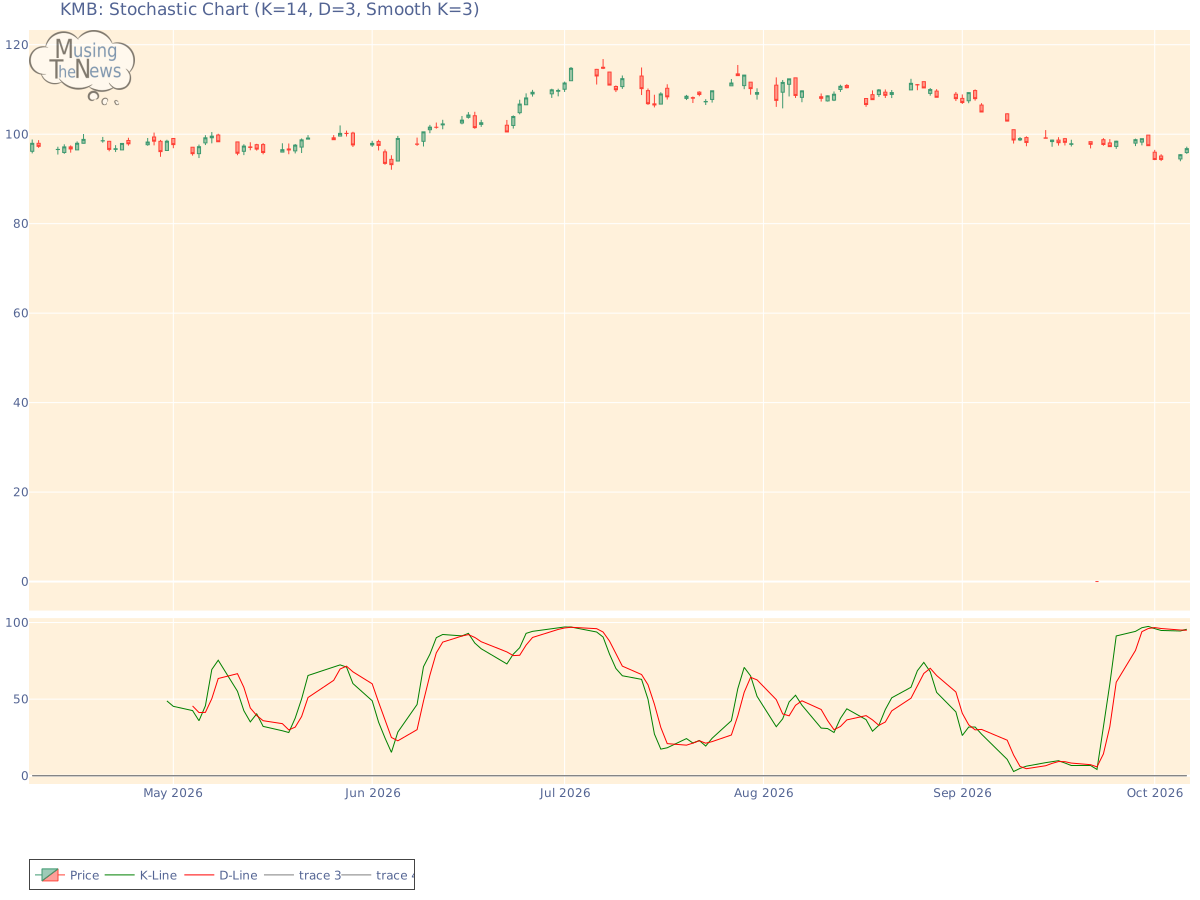
Support and Resistance: The current price is 96.77, with support at 93.19 and resistance at 98.84. This range suggests that the price might move between these levels, with 93.19 offering support and 98.84 capping further gains for Kimberly-Clark Corporation.Support/Resistance for KMBAroon: The AROON is currently in a neutral position for Kimberly-Clark Corporation, offering no clear guidance on whether the market is likely to move up or down. This neutral stance suggests that further observation may be necessary before a trend becomes apparent.Aroon chart for Kimberly-Clark CorporationBol. Bands: The BOLL BANDS is in a neutral stance, with no clear direction indicated for the market. This lack of clarity suggests that the market may be in a state of equilibrium for KMB, with no strong trend emerging.Bolinger Bands chart for Kimberly-Clark CorporationParabolic SAR: The PSAR continues to signal a bullish outlook, establishing a key support level that reinforces the market's upward momentum. This support could serve as a base for continued gains, suggesting that the bullish trend is likely to persist.Parabolic Stop and Reverse chart for Kimberly-Clark CorporationStochastic: The stochastic indicator for Kimberly-Clark Corporation reflects a bullish sentiment, as the K-line is above both the D-line and the 80 threshold. This setup points to strong upward momentum, implying that the market may continue to rise. Traders could consider this as an indication of sustained bullish activity.Stochastic chart for Kimberly-Clark CorporationTripple Moving Agerage: The alignment of the 20-50-100 period moving averages supports a bullish trend, yet the slopes of the shorter-term averages suggest a possible weakening. The faster averages indicate that a reversal might be approaching, with the upward momentum potentially losing steam. This could signal an upcoming change in direction.Tripple SMA chart for Kimberly-Clark Corporation A comprehensive approach to analyzing a company requires considering both its technical and fundamental aspects. The company's fundamentals, such as its earnings, growth prospects, and financial health, provide a strong foundation for understanding technical indicators. Additionally, examining the industry it operates in helps contextualize the company's position within the broader market. By integrating these factors, one can gain more valuable insights into the company's stock performance and potential investment opportunities.