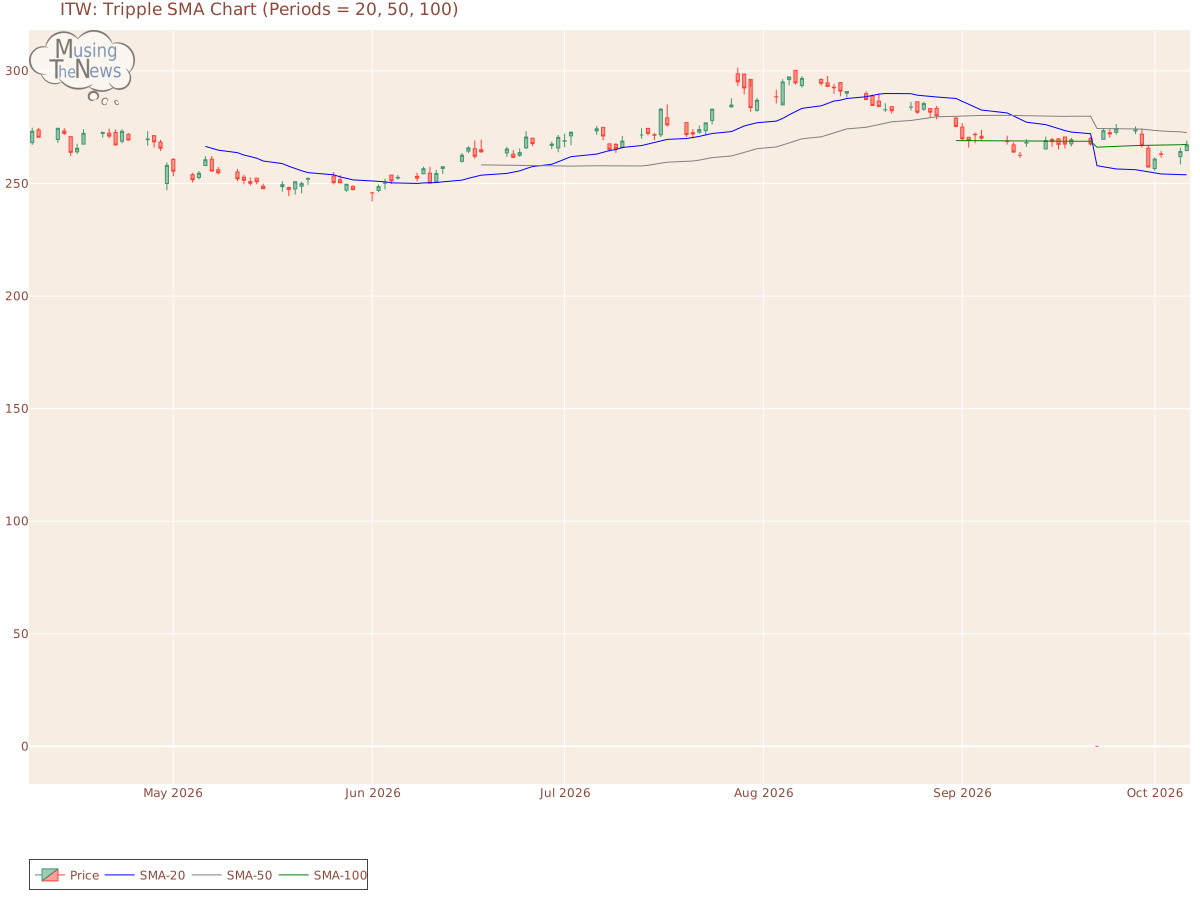
The current state of the Tripple MOVING AVG is neutral, providing no clear signals for either an upward or downward movement. This indicates that the market may be in a sta...
By MusingTheNews
Updated 2026-10-07 23:26:25
Overall Technical outlook
Price Summary
On 2026-10-06, ITW's stock started at 264.63, reached a high of 269.03, fell to 264.25, and ended 0.95% higher at 267.14, with 1836100 shares traded. Over the past year, the stock's highest price was 299.6, and its lowest was 0.0.
Technicals
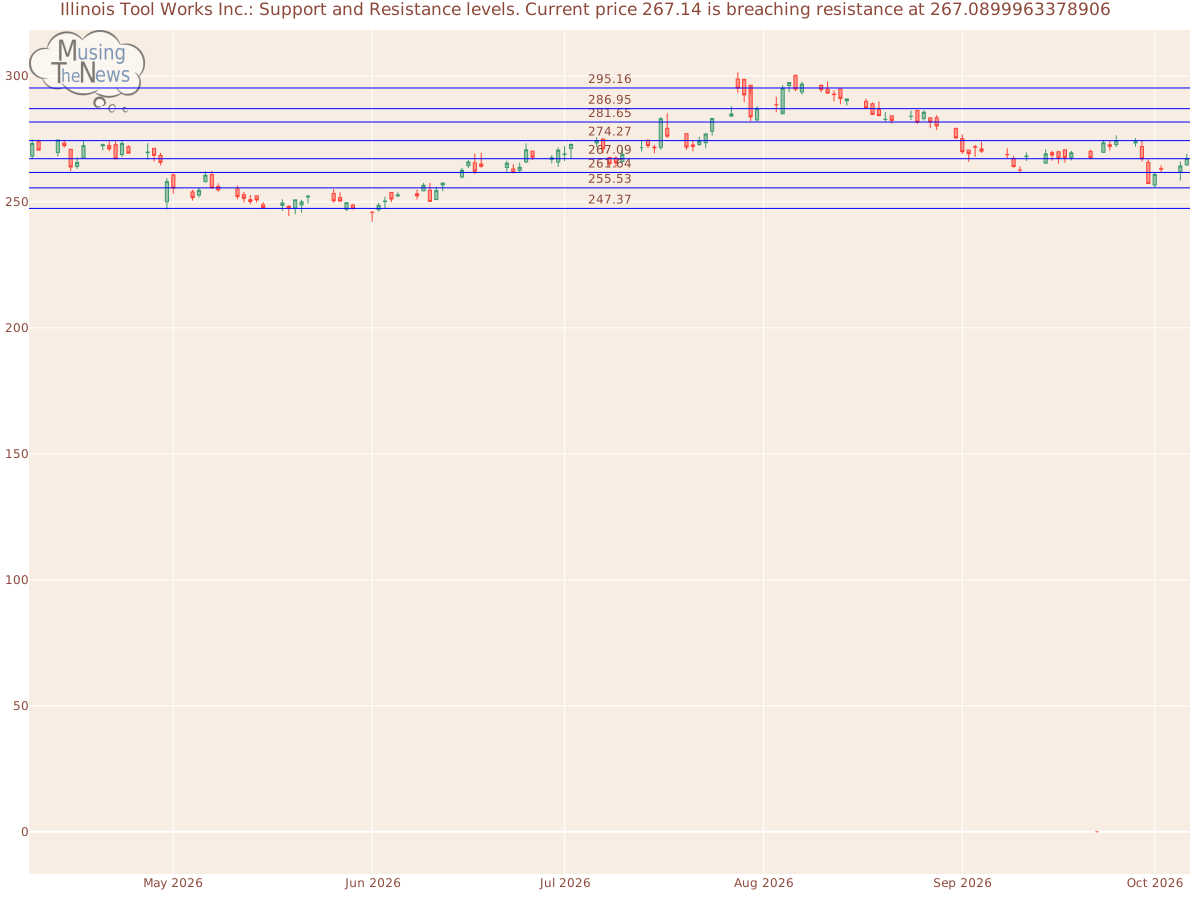
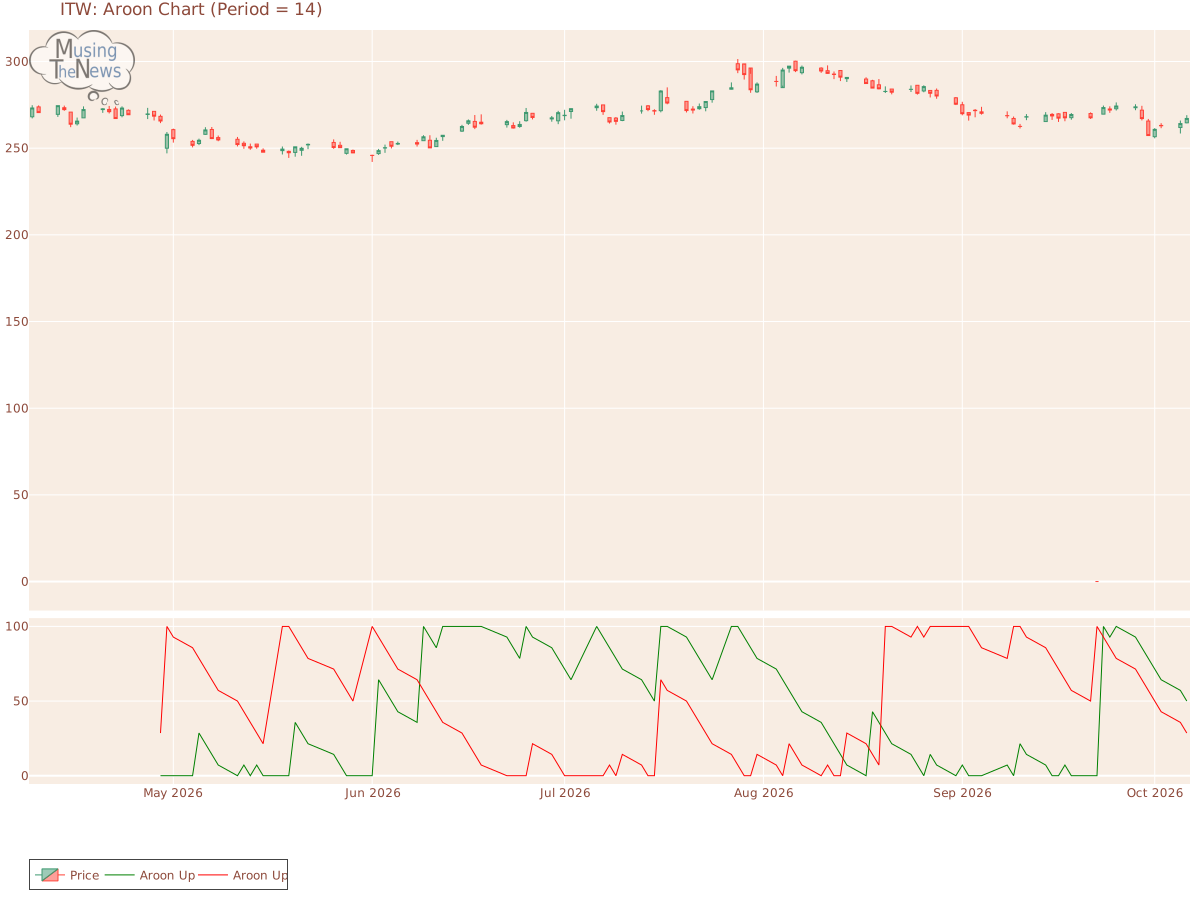
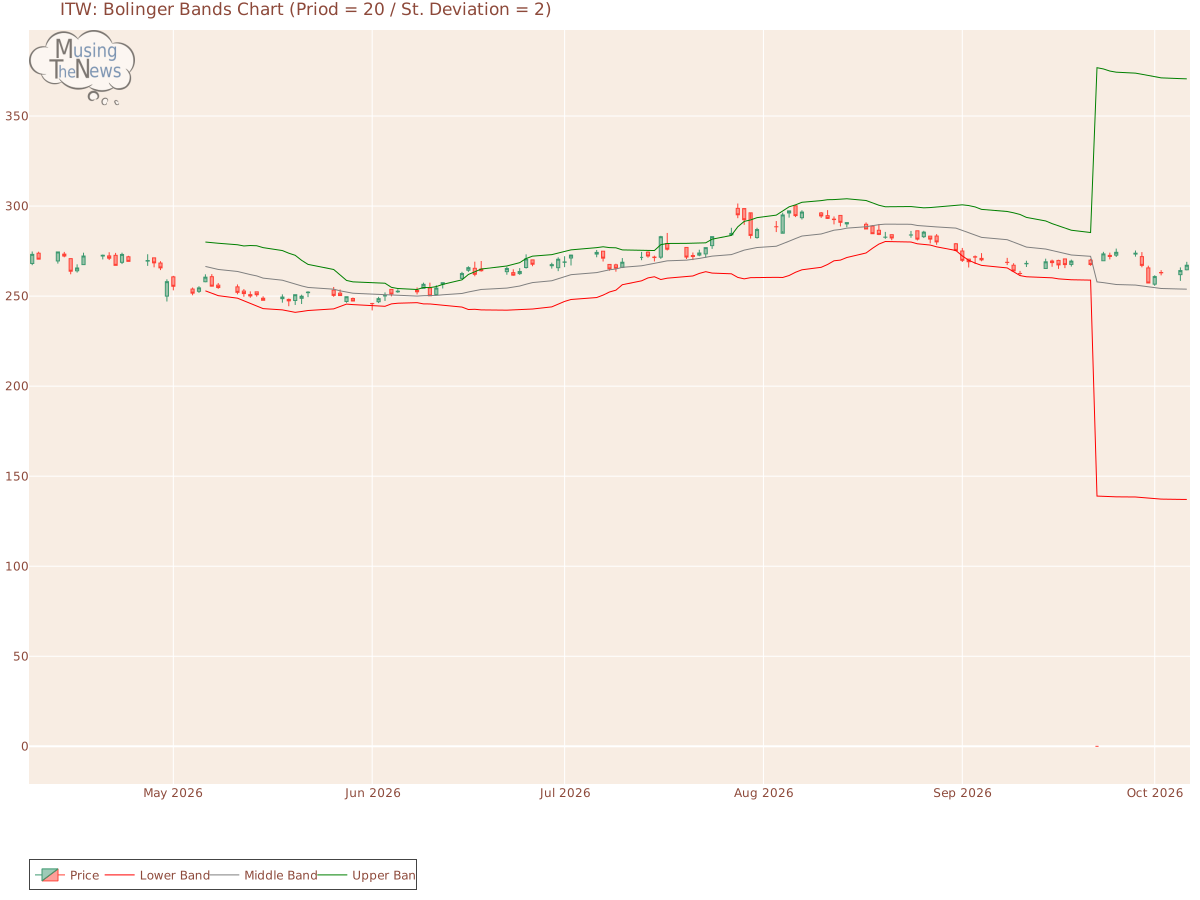
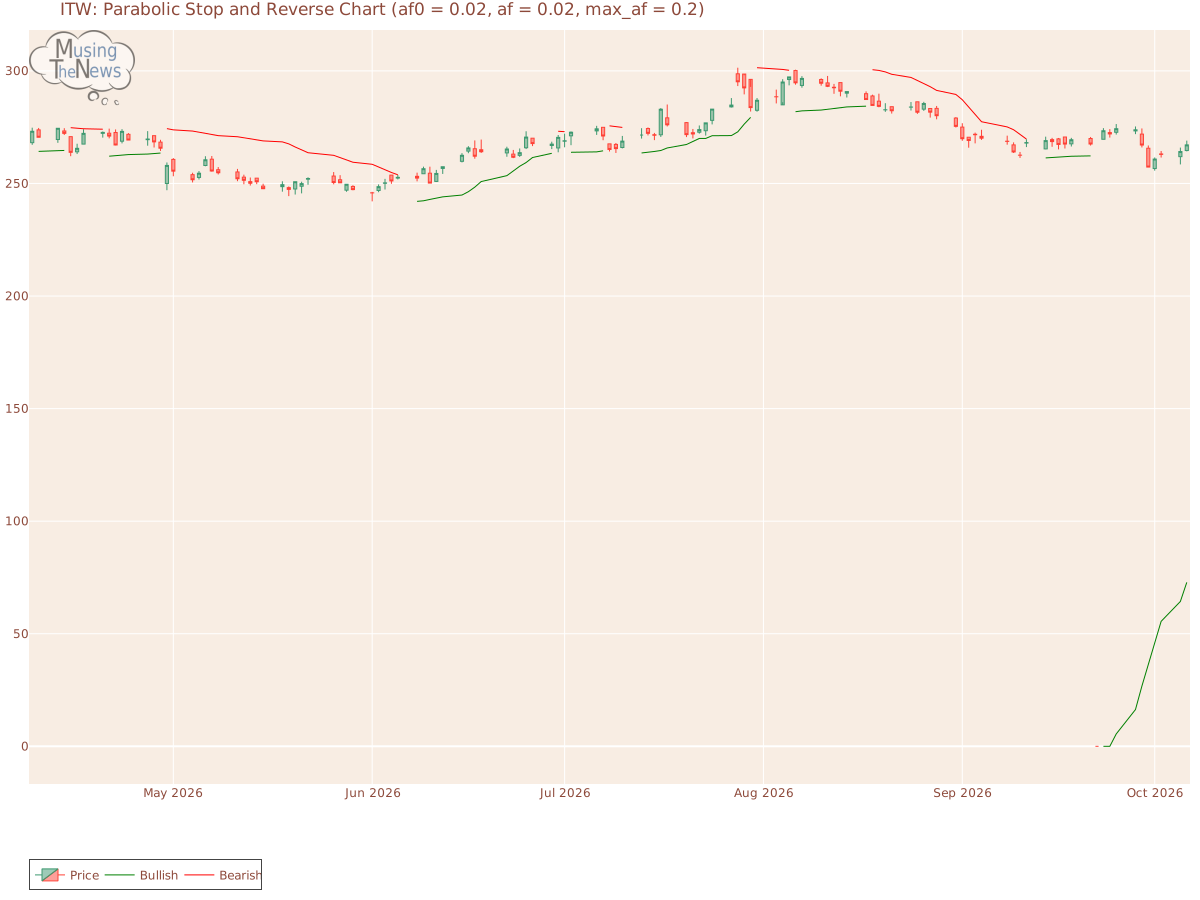
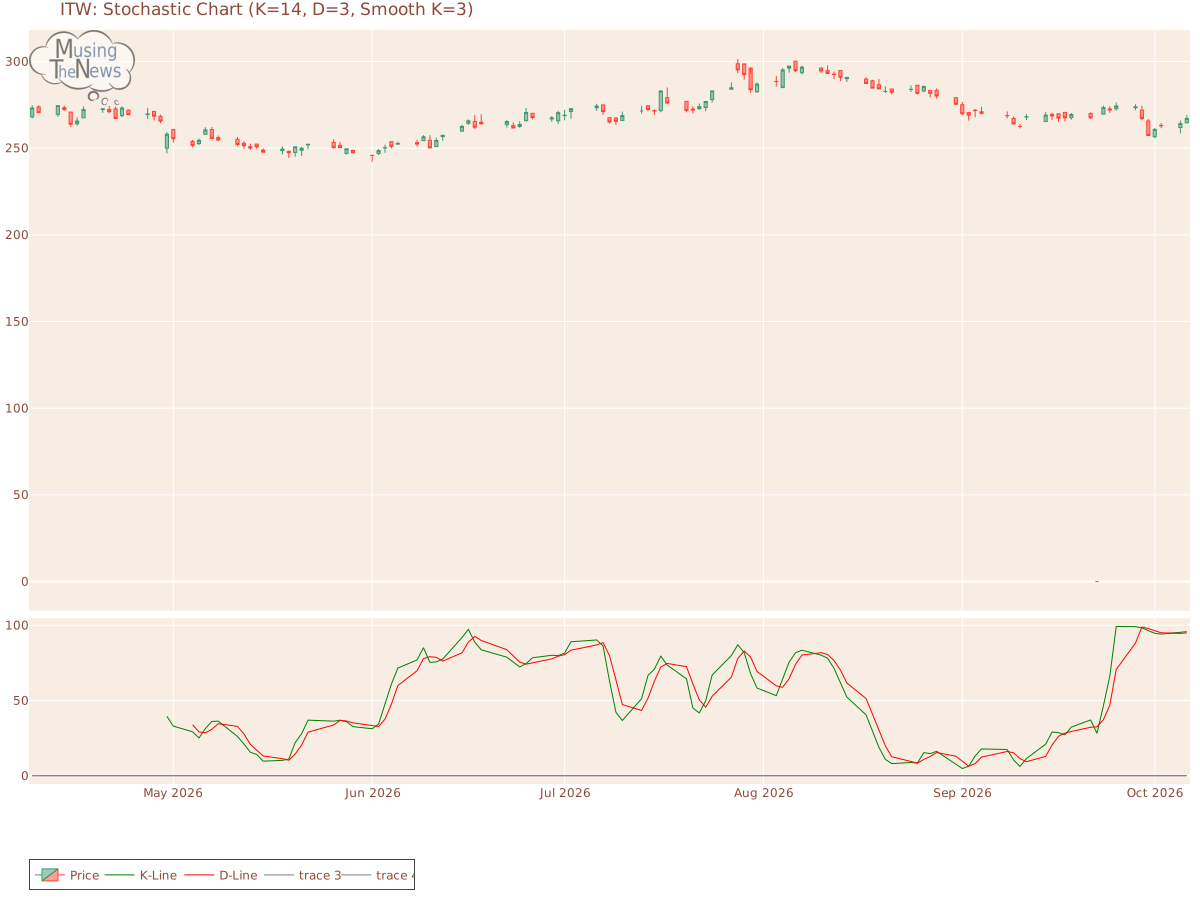
Support and Resistance: The price for ITW is 267.14, with support at 267.09 and resistance at 274.27. This suggests a range where 267.09 acts as a base, preventing declines, and 274.27 caps gains, defining key trading levels.Support/Resistance for ITWAroon: The AROON is in a neutral stance, with no clear signals for movement up or down. This neutral position indicates a potential period of consolidation or uncertainty in the market.Aroon chart for Illinois Tool Works Inc.Bol. Bands: The BOLL BANDS is currently neutral, offering no clear guidance on market direction. This suggests that the market may be in a state of pause, with no strong trend emerging.Bolinger Bands chart for Illinois Tool Works Inc.Parabolic SAR: The PSAR continues to signal a bullish outlook, establishing a key support level that reinforces the market's upward momentum. This support could serve as a base for continued gains, suggesting that the bullish trend is likely to persist.Parabolic Stop and Reverse chart for Illinois Tool Works Inc.Stochastic: The stochastic indicator signals a bullish mood, with the K-line above both the D-line and the 80 threshold. This configuration indicates strong upward momentum, suggesting that the market may continue its upward trend. Traders could consider this a positive indication of strength for ITW.Stochastic chart for Illinois Tool Works Inc.Tripple Moving Agerage: The current state of the Tripple MOVING AVG is neutral, providing no clear signals for either an upward or downward movement. This indicates that the market may be in a state of equilibrium, with no strong momentum in either direction.Tripple SMA chart for Illinois Tool Works Inc. When analyzing a company, its fundamentals—such as earnings, management efficiency, and strategic initiatives—must be considered alongside technical data. The context of the industry in which the company operates also plays a key role, as market trends and competitive dynamics can significantly impact performance. By taking a comprehensive approach, combining both fundamental and technical analysis, one can gain a deeper understanding of the company's potential for growth or risk.