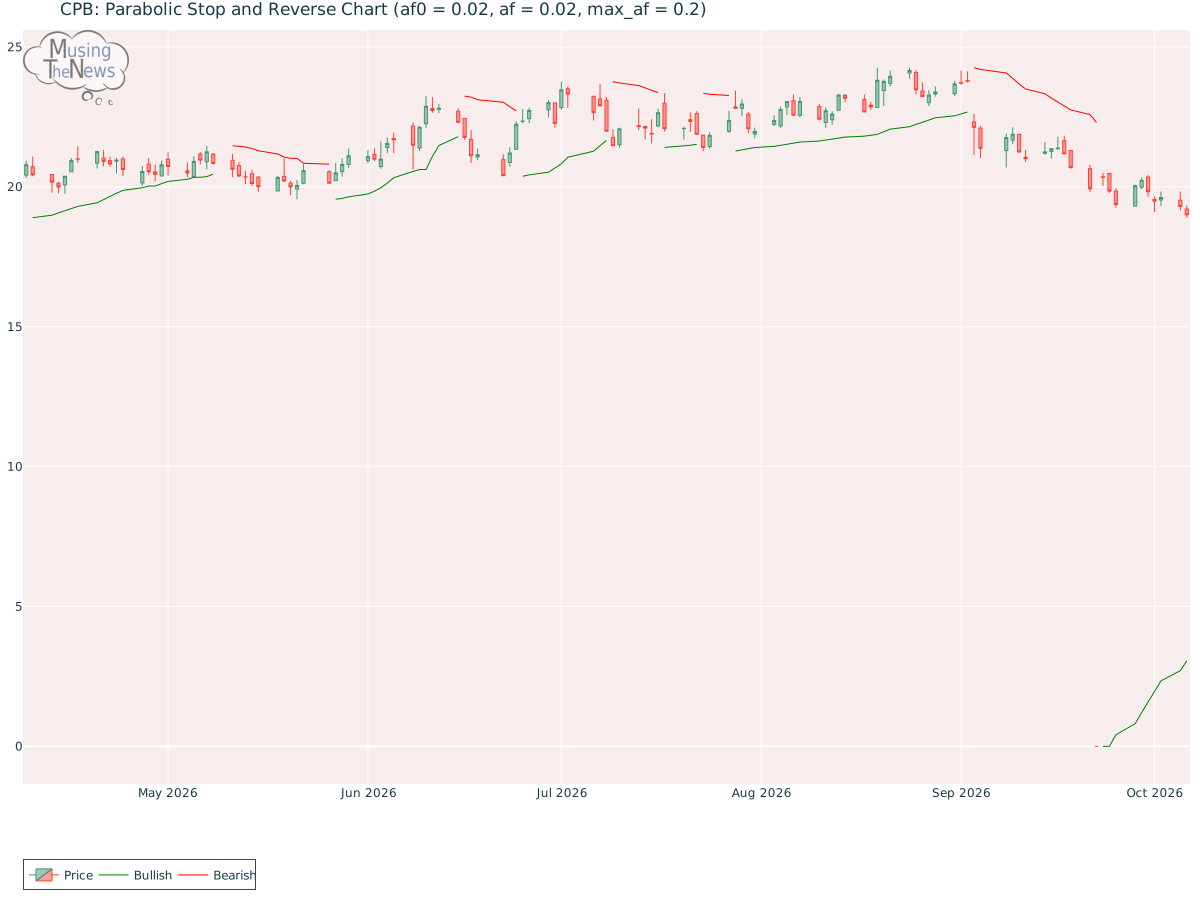
The PSAR continues its bullish outlook, establishing a support level that could help sustain the current upward trend. This level of support may act as a cushion against po...
By MusingTheNews
Updated 2026-10-07 23:25:55
Overall Technical outlook
Price Summary
On 2026-10-06, CPB's stock started at 19.21, reached a high of 19.33, fell to 18.9, and ended -1.09% lower at 19.0, with 14196600 shares traded. Over the past year, the stock's highest price was 31.66, and its lowest was 0.0.
Technicals
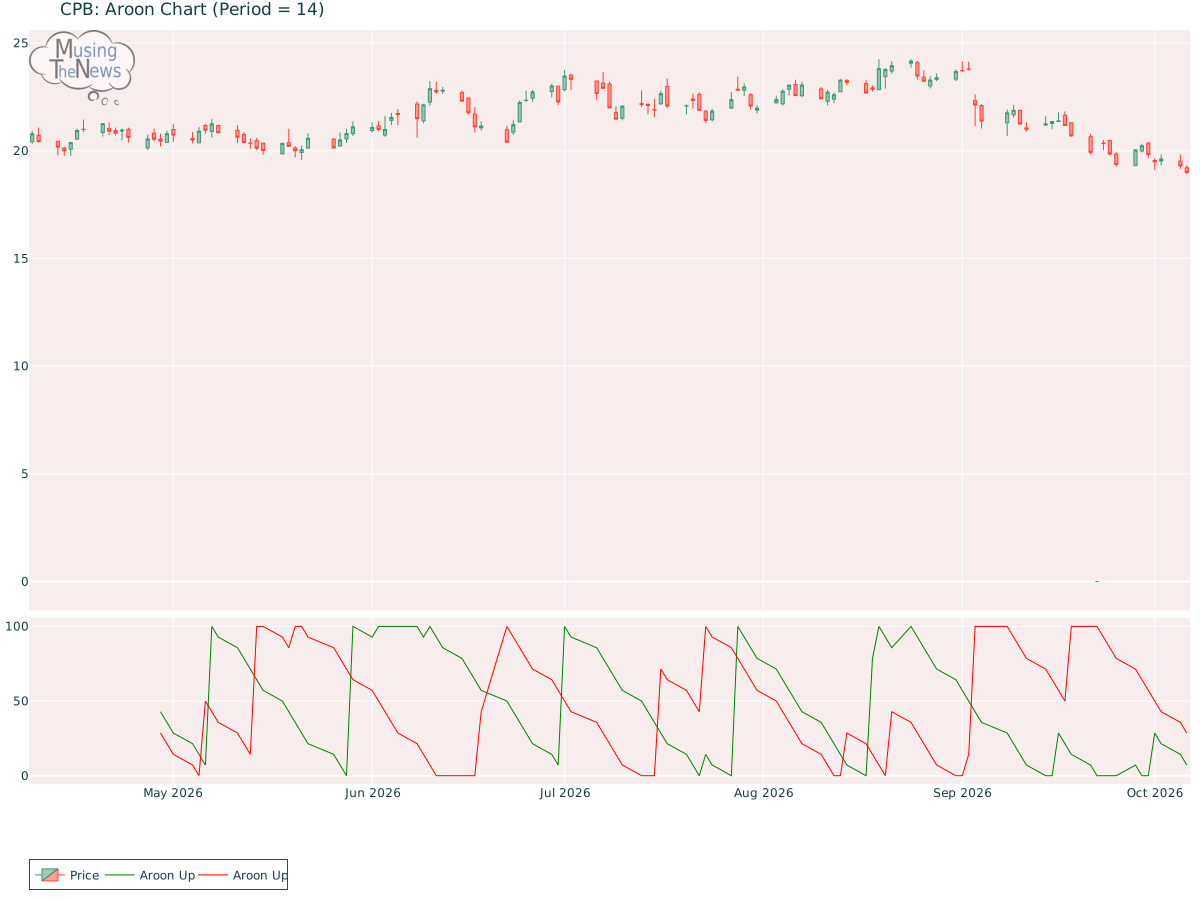
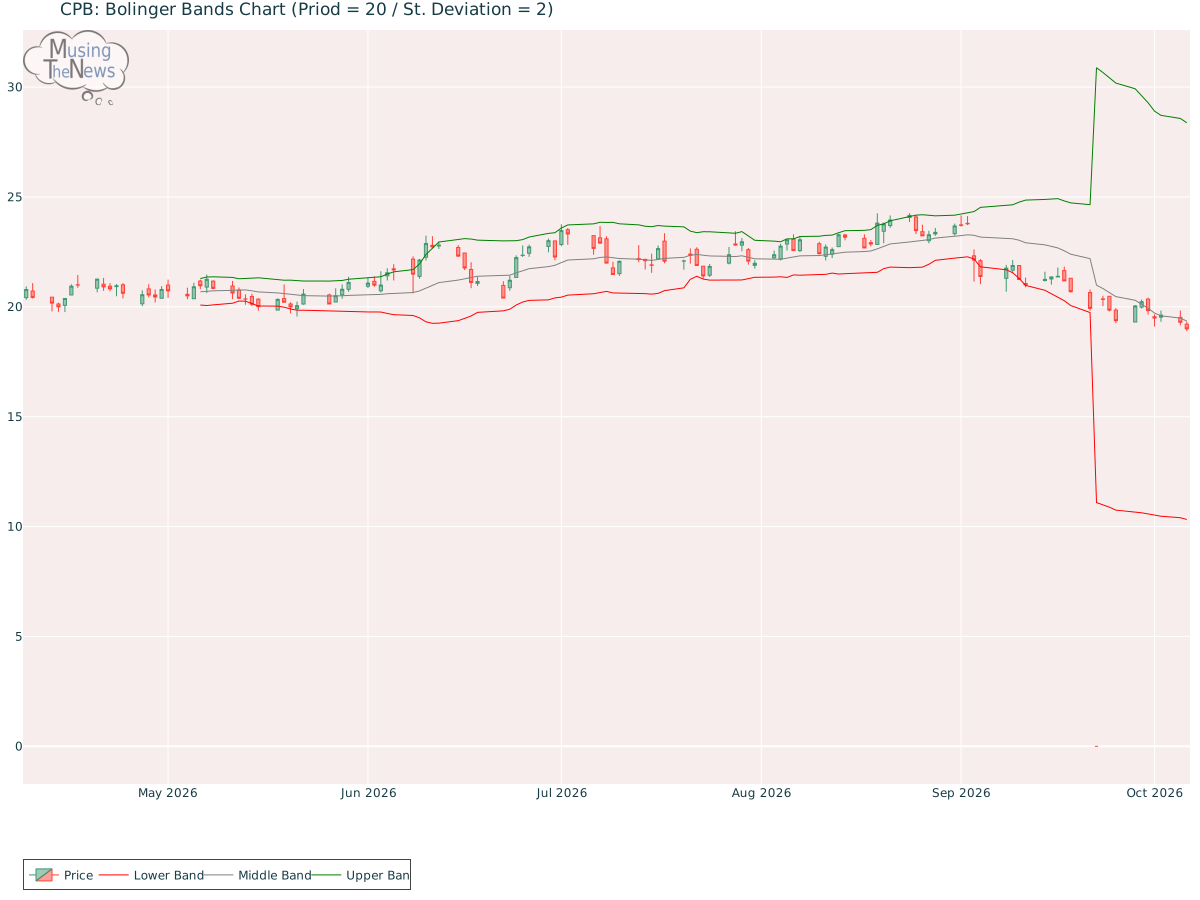
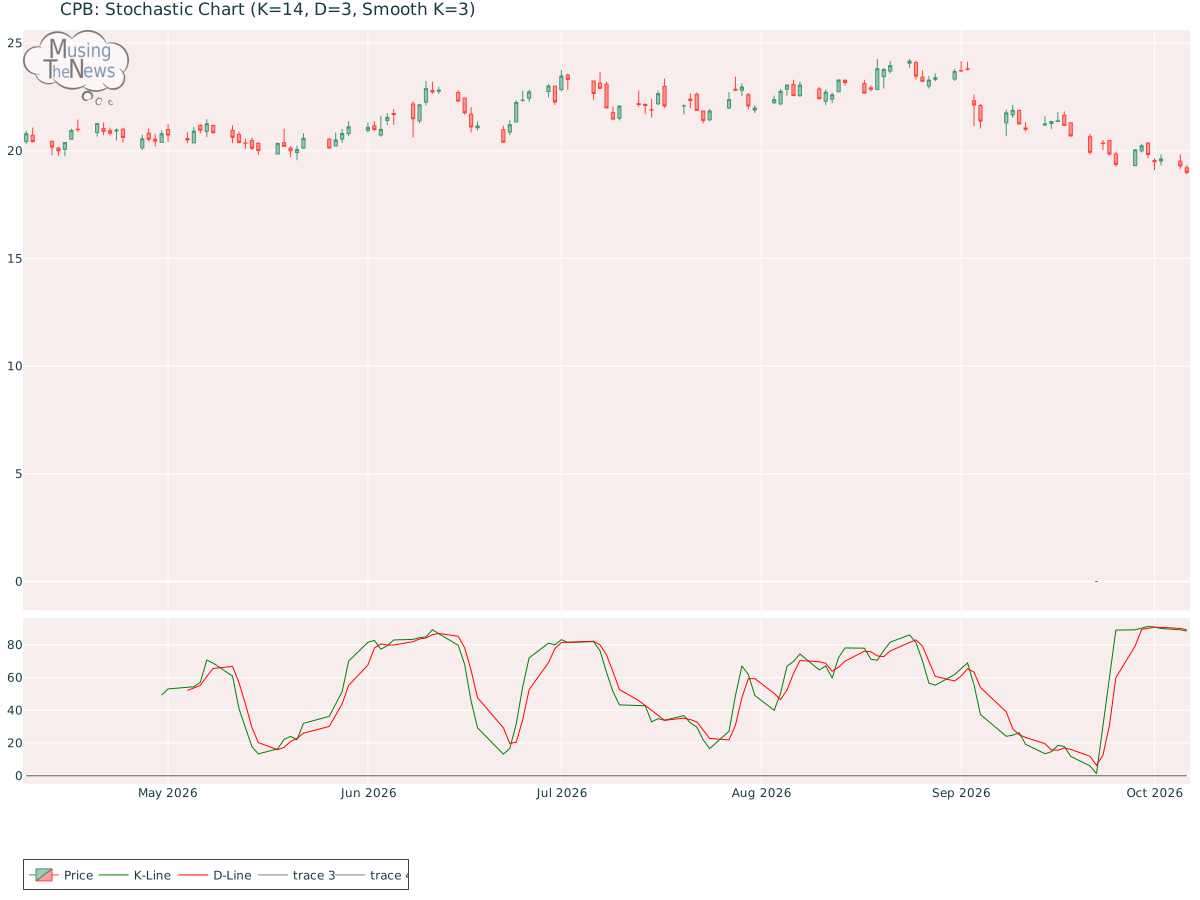
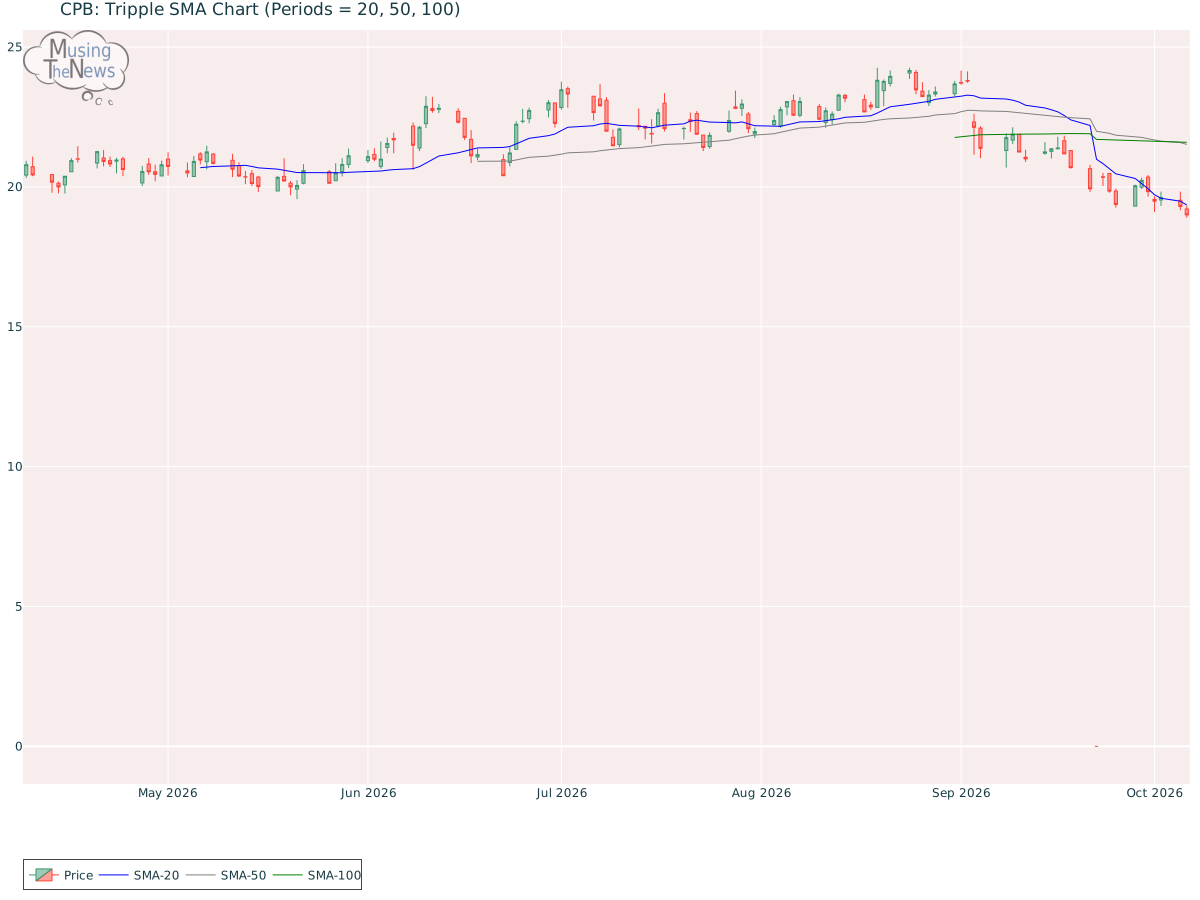
Aroon: The AROON is in a neutral stance, with no clear signals for movement up or down. This neutral position indicates a potential period of consolidation or uncertainty in the market.Aroon chart for The Campbell's CompanyBol. Bands: The current reading of the BOLL BANDS is neutral for CPB, with no clear signals for an upward or downward trend. This indicates that the market may be in a state of uncertainty, with no dominant force driving the direction.Bolinger Bands chart for The Campbell's CompanyParabolic SAR: The PSAR continues its bullish outlook, establishing a support level that could help sustain the current upward trend. This level of support may act as a cushion against potential downturns, indicating continued strength in the market's bullish momentum for CPB.Parabolic Stop and Reverse chart for The Campbell's CompanyStochastic: The K-line has moved below the D-line on the stochastic indicator, yet it remains above 80, signaling the potential beginning of a bearish price move for CPB. This pattern may indicate that the market's upward momentum is starting to wane, possibly leading to a downturn. Investors should watch for further confirmation.Stochastic chart for The Campbell's CompanyTripple Moving Agerage: The 20-50-100 period moving averages are aligned for a bullish trend, but the slopes of the faster averages suggest that this strength may be fading for CPB. The weakening momentum in these shorter-term averages hints that a reversal could be approaching, signaling that the current trend might not hold much longer.Tripple SMA chart for The Campbell's Company When assessing a company's technical performance, such as stock price fluctuations and trading volume, it is crucial to first examine its fundamentals. These fundamentals include financial health, profitability, and growth potential. Additionally, understanding the industry's dynamics, including competitive pressures and market trends, is key to contextualizing the company's performance. By integrating these factors, a more comprehensive and meaningful analysis can be conducted, leading to more informed investment decisions.