Fundamentals for The Campbell's Company
With both earnings and revenue growth in low territory, CPB is likely to see shrinking profits. This signals a possible downturn in the company's financial health and may r...






Business Operations:
Sector: Consumer DefensiveIndustry: Packaged Foods
The Campbell's Company, together with its subsidiaries, manufactures and markets food and beverage products in the United States and internationally. It operates through Meals & Beverages, and Snacks segments. The Meals & Beverages segment engages in the retail and foodservice businesses in the United States and Canada. This segment provides Campbell's condensed and ready-to-serve soups; Swanson broth and stocks; Pacific Foods broth, soups, and non-dairy beverages; Prego pasta sauces; Pace Mexican sauces; Campbell's gravies, pasta, beans, and dinner sauces; Swanson canned poultry; V8 juices and beverages; Campbell's tomato juice; Rao's pasta sauces, dry pasta, frozen entrées, frozen pizza, and soups; and Michael Angelo's frozen entrées and pasta sauces, as well as snacking products in foodservice in Canada. Its Snacks segment retails Pepperidge Farm cookies, crackers, fresh bakery, and frozen products, that includes Goldfish crackers, Snyder's of Hanover pretzels, Lance sandwich crackers, Cape Cod and Kettle Brand potato chips, Late July snacks, Snack Factory pretzel crisps, and other snacking products. This segment is also involved in the snacking, and meals and beverage retail business in Latin America. It sells its products through retail food chains, mass discounters and merchandisers, club stores, convenience and dollar stores, e-commerce and other retail, commercial, and non-commercial establishments, and independent contractor distributors. The company was formerly known as Campbell Soup Company and changed its name to The Campbell's Company in November 2024. The Campbell's Company was founded in 1869 and is headquartered in Camden, New Jersey.
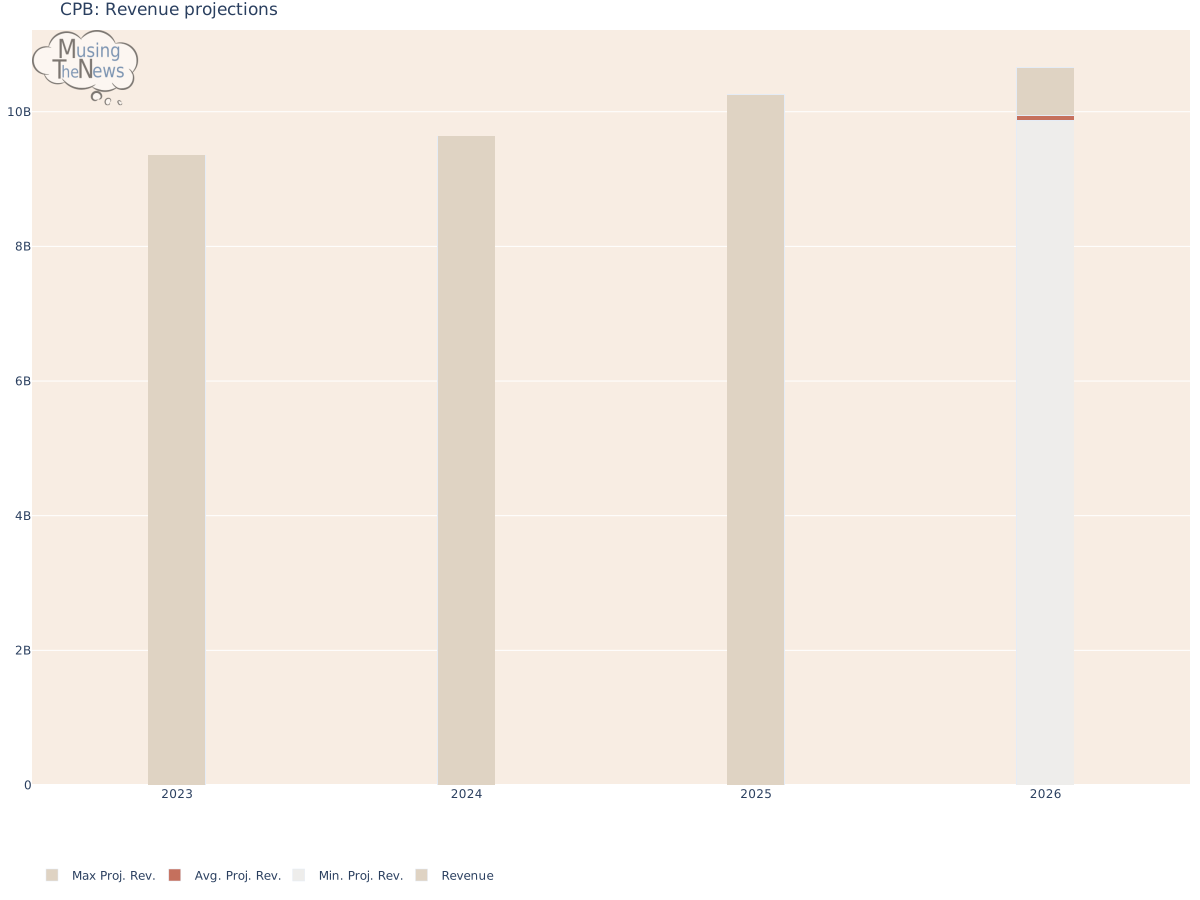
Revenue projections:
Financial Ratios:
| currentRatio | 0.815000 |
|---|---|
| forwardPE | 10.688952 |
| debtToEquity | 179.259000 |
| earningsGrowth | 0.000000 |
| revenueGrowth | -0.079000 |
| grossMargins | 0.285410 |
| operatingMargins | 0.102010 |
| trailingEps | 1.310000 |
| forwardEps | 1.835540 |
The Campbell's Company's Forward PE is in a reasonable range, indicating the stock is priced well relative to its earnings. The stock isn't overpriced, which leaves room for future growth, making it an attractive option for investors seeking value and long-term gains.
CPB's high debt-to-equity ratio indicates a strong reliance on debt, meaning the company is heavily leveraged. This could increase financial risks if cash flow or earnings decline, making it more difficult for CPB to manage its debt obligations.
With both earnings and revenue growth in low territory, CPB is likely to see shrinking profits. This signals a possible downturn in the company's financial health and may raise concerns about its future profitability.
The Campbell's Company's forward EPS exceeding its trailing EPS means the company is expected to be more profitable this year than last. This suggests an upward trend in earnings, with forecasts indicating that The Campbell's Company's financial performance will improve in the current financial year.
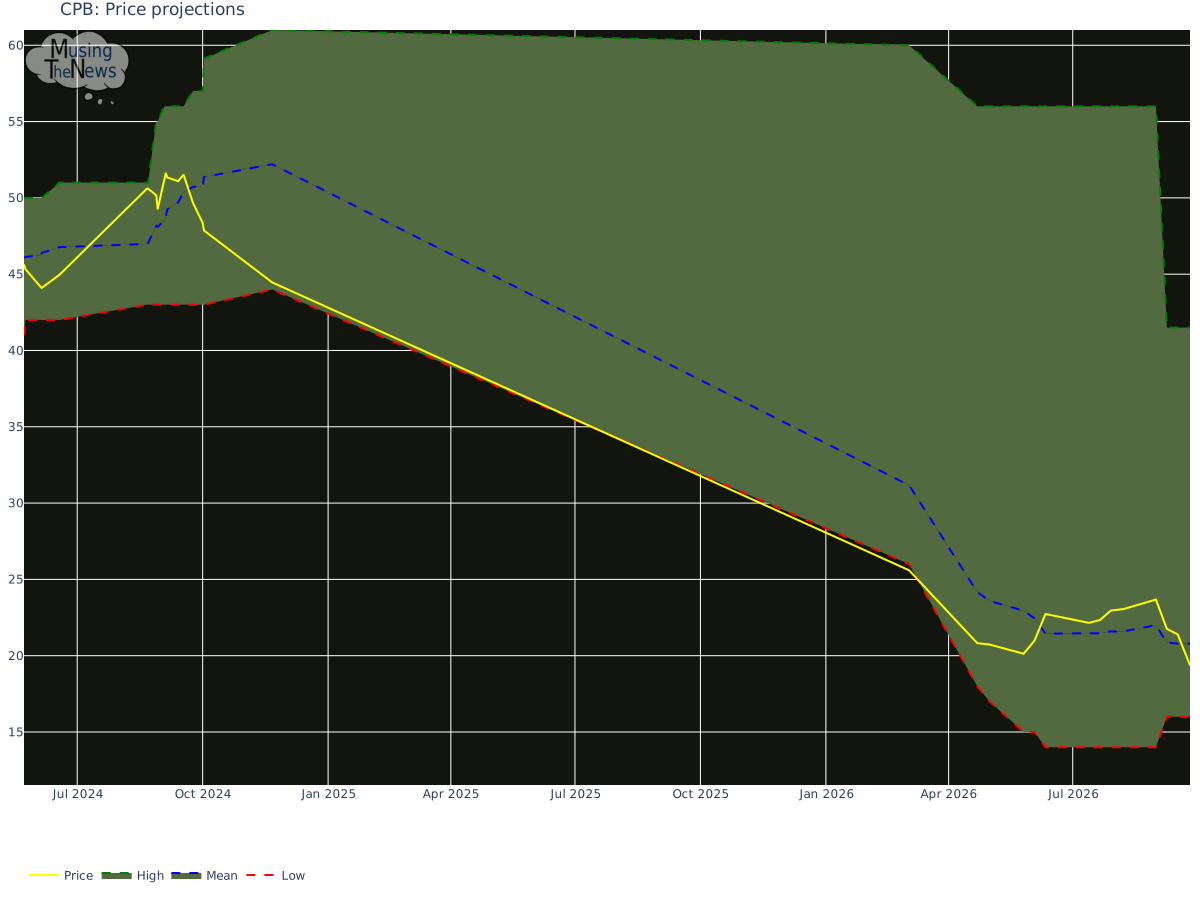
Price projections:
Insider Transactions:
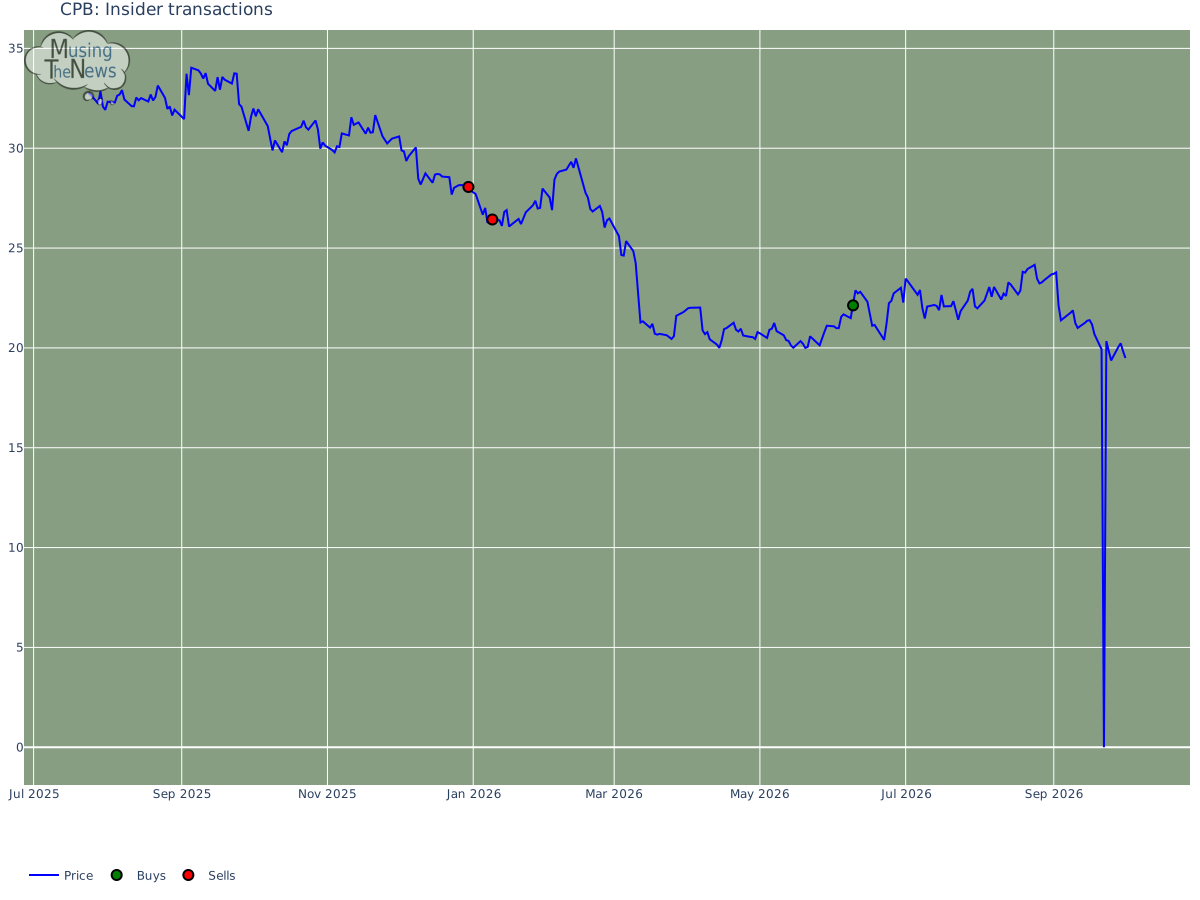
In recent market activity, 2 sales of CPB shares took place, with market price at 27.244999885559082.1 buy transactions of CPB stock were completed, with market price at 22.1299991607666.The insider transaction data does not present a strong trend, leaving ambiguity about the company’s overall strategic or financial direction.
Recommendation changes over time:
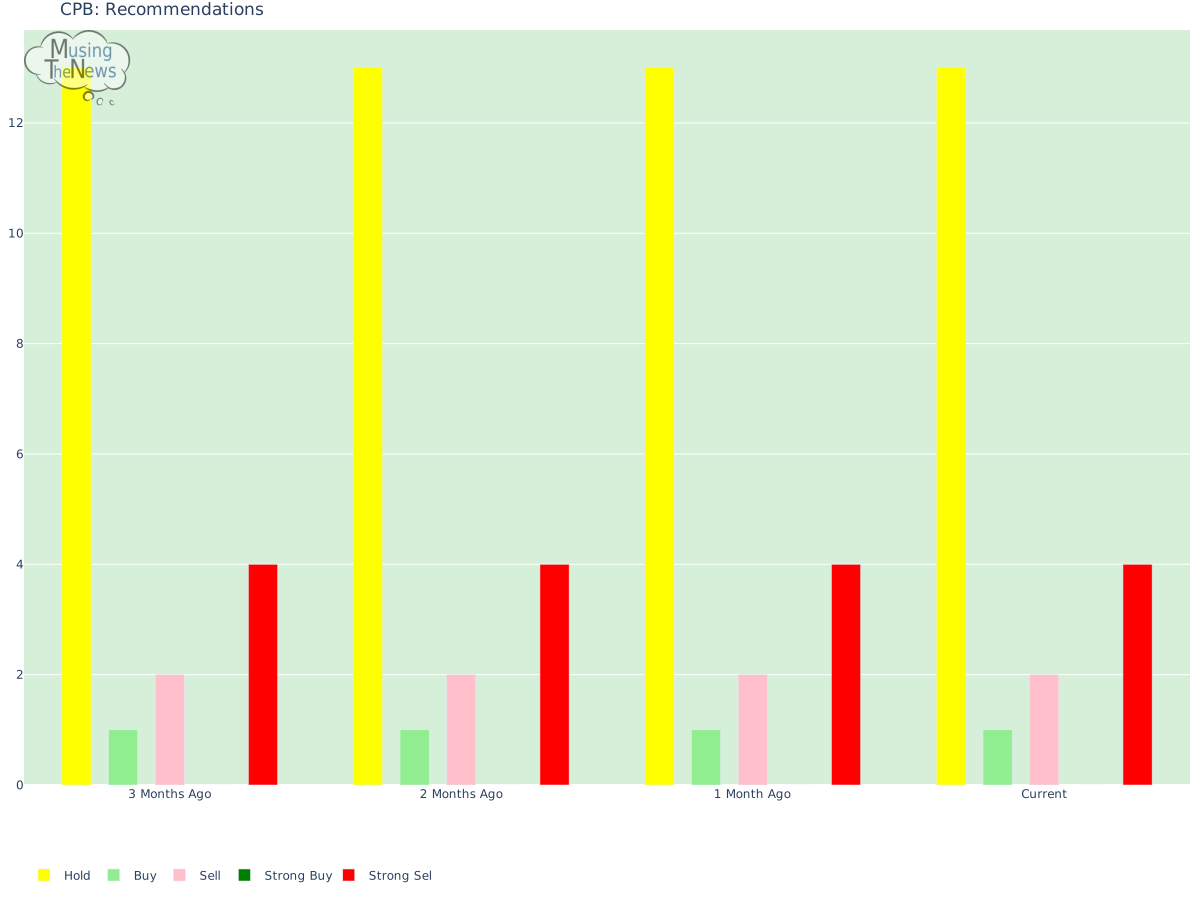
Analysts have shown a sell bias toward CPB, signaling potential caution for investors. However, it's recommended to base investment decisions on a wider range of market indicators to get a fuller understanding of the stock's trajectory, avoiding overreliance on a single sentiment.