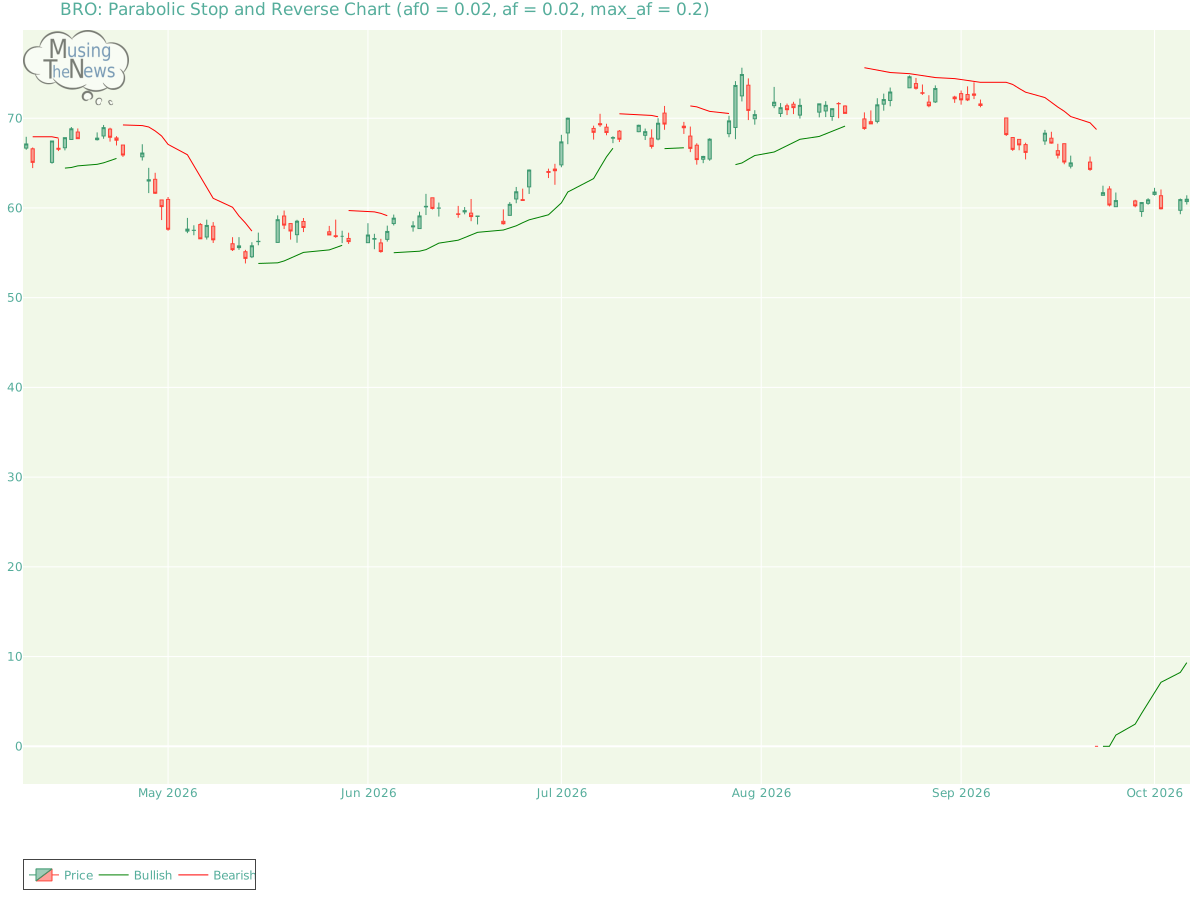
The PSAR continues to signal a bullish outlook, establishing a key support level that reinforces the market's upward momentum. This support could serve as a base for contin...
By MusingTheNews
Updated 2026-10-07 23:25:54
Overall Technical outlook
Price Summary
On 2026-10-06, BRO's stock opened at 60.71, reached a peak of 61.41, dropped to 60.38, and ended 0.43% higher at 60.97, with a volume of 1196600 shares. In the 52-week period, the stock's peak price is 95.94, and the lowest price recorded is 0.0.
Technicals
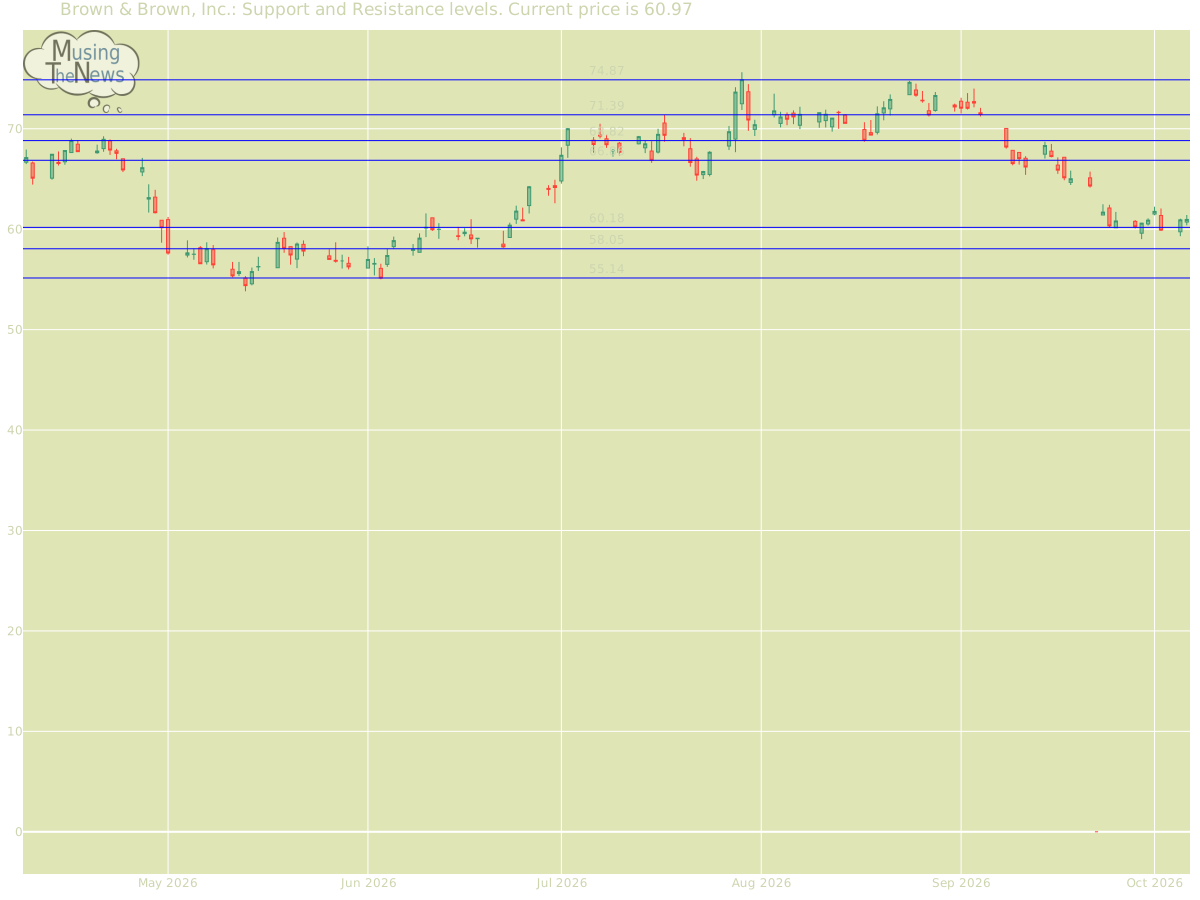
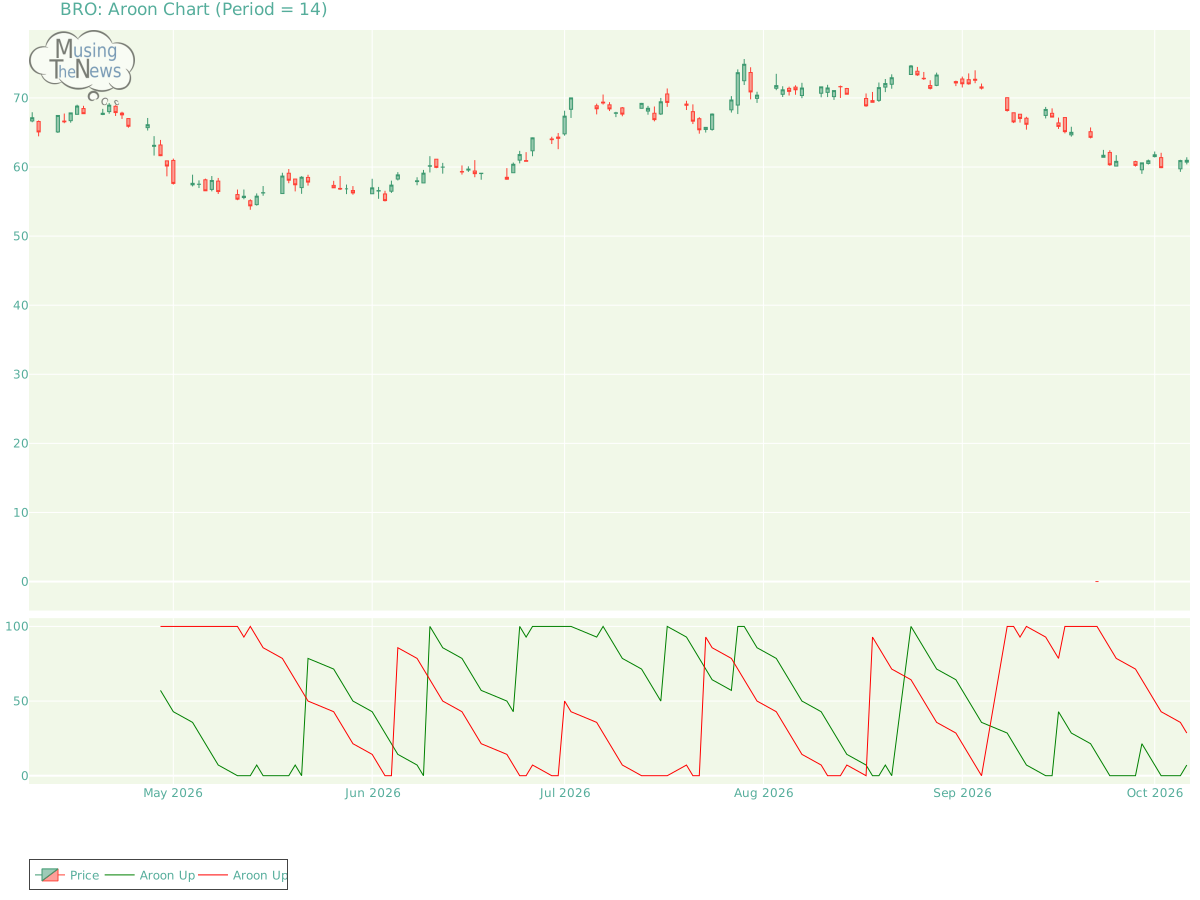
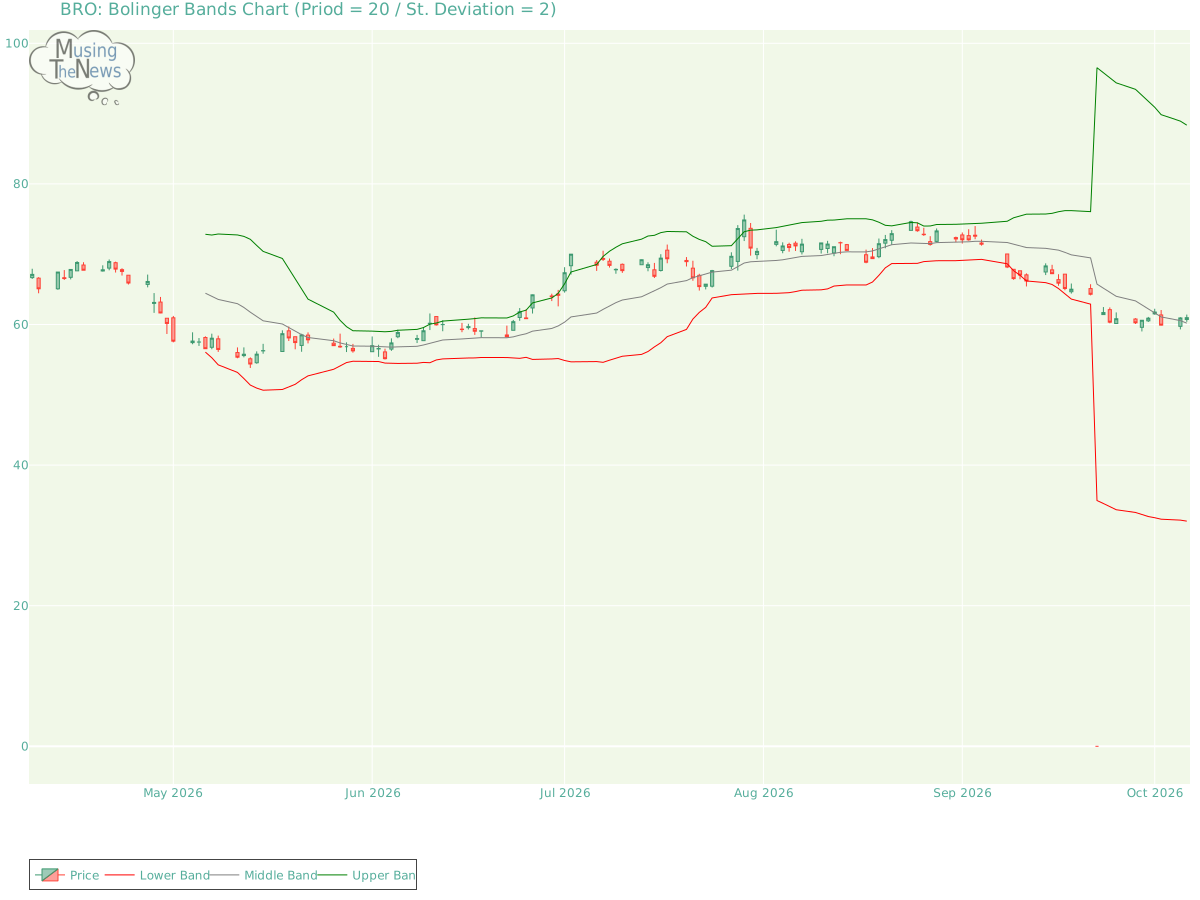
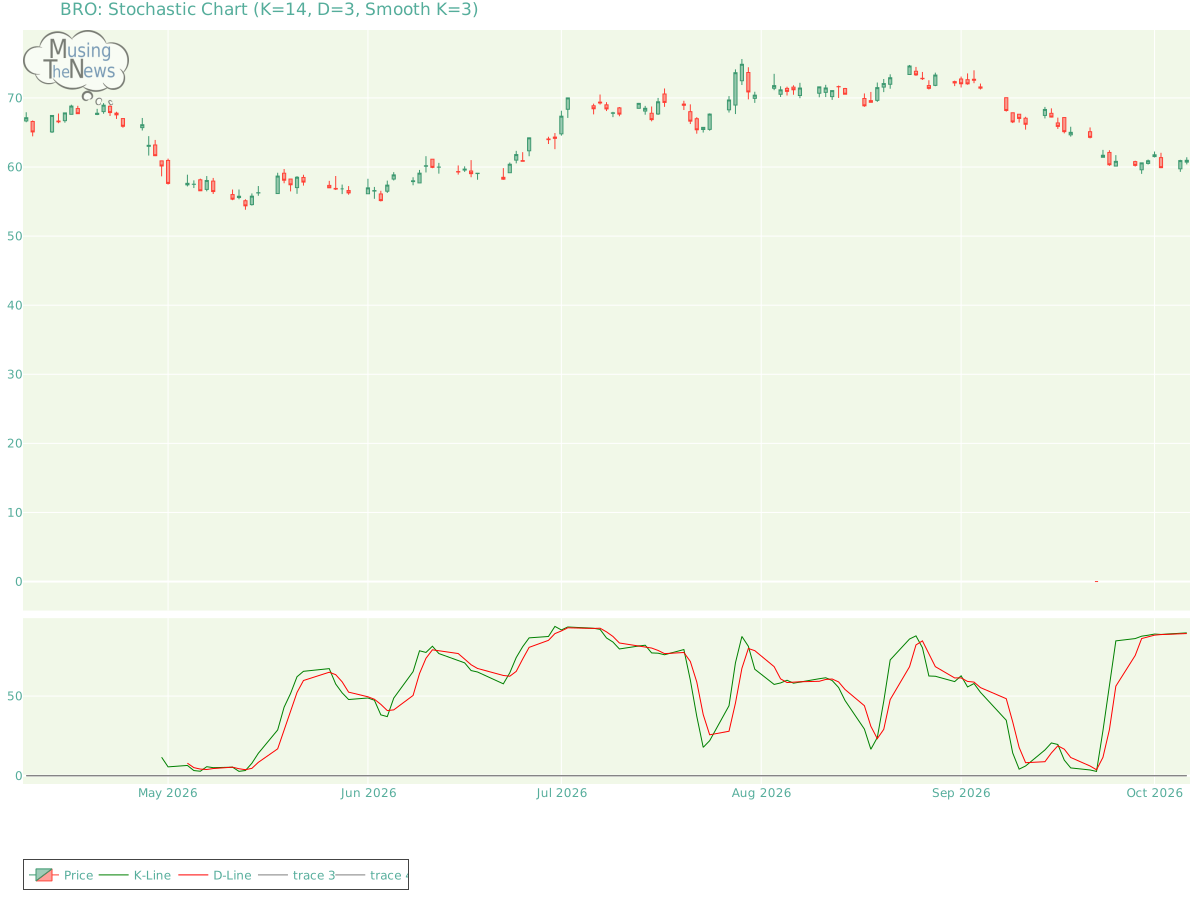
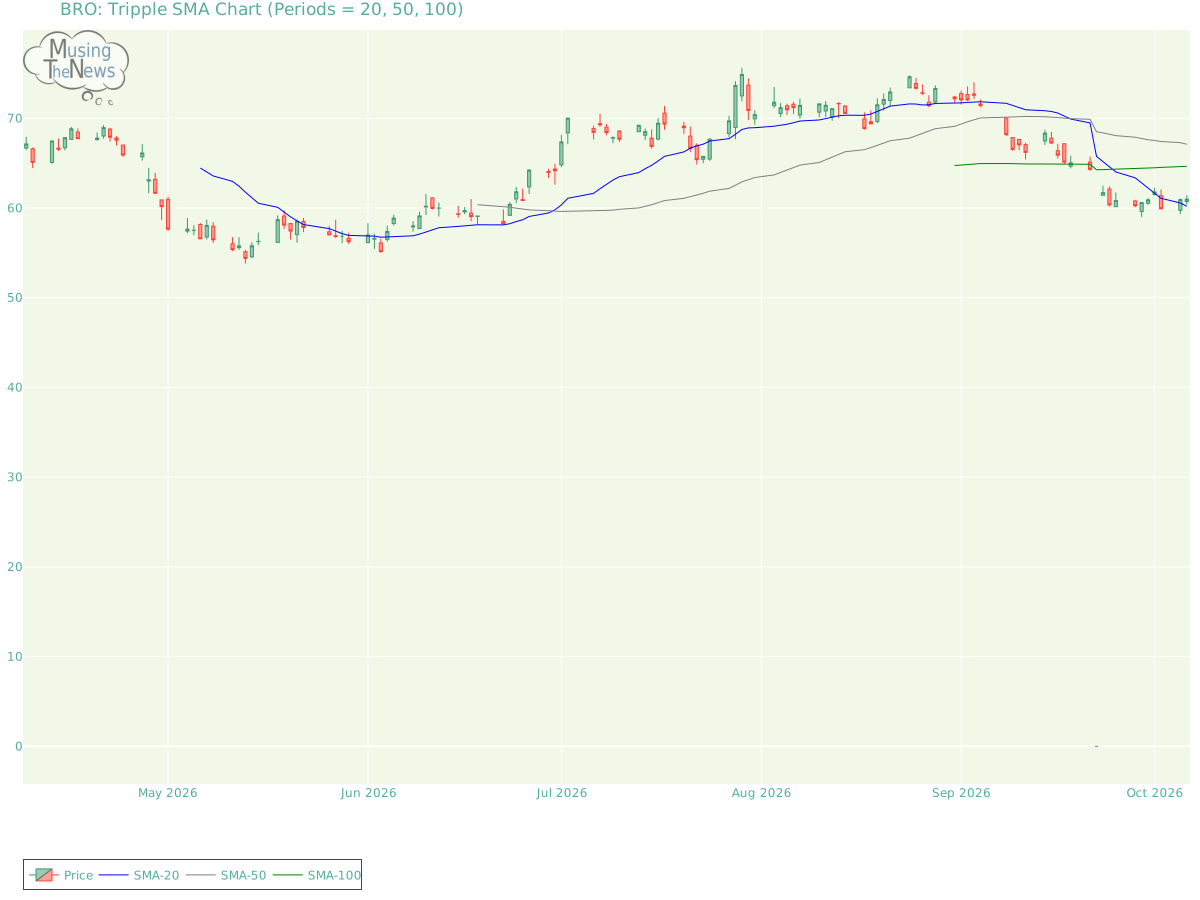
Support and Resistance: The current price of 60.97 for BRO is supported at 60.18 and faces resistance at 66.86. These levels indicate that 60.18 could act as a floor, while 66.86 might limit any further price increases.Support/Resistance for BROAroon: The AROON is currently in a neutral position, offering no clear indication of movement up or down. This suggests that the market may be experiencing a period of equilibrium, with no strong trend in play.Aroon chart for Brown & Brown, Inc.Bol. Bands: The current state of the BOLL BANDS is neutral, with no clear trend direction indicated. This lack of directional bias suggests that the market may be in a phase of consolidation or uncertainty.Bolinger Bands chart for Brown & Brown, Inc.Parabolic SAR: The PSAR continues to signal a bullish outlook, establishing a key support level that reinforces the market's upward momentum. This support could serve as a base for continued gains, suggesting that the bullish trend is likely to persist.Parabolic Stop and Reverse chart for Brown & Brown, Inc.Stochastic: The stochastic indicator shows a bullish sentiment, with the K-line above both the D-line and the 80 level. This configuration indicates strong upward momentum, suggesting that BRO may continue its upward trend. Traders might view this as a sign of sustained strength.Stochastic chart for Brown & Brown, Inc.Tripple Moving Agerage: The Tripple MOVING AVG is in a neutral stance for BRO, not indicating a clear upward or downward trend. This suggests a period of market indecision, where neither bulls nor bears have the upper hand.Tripple SMA chart for Brown & Brown, Inc. When assessing a company's technical performance, such as stock price fluctuations and trading volume, it is crucial to first examine its fundamentals. These fundamentals include financial health, profitability, and growth potential. Additionally, understanding the industry's dynamics, including competitive pressures and market trends, is key to contextualizing the company's performance. By integrating these factors, a more comprehensive and meaningful analysis can be conducted, leading to more informed investment decisions.