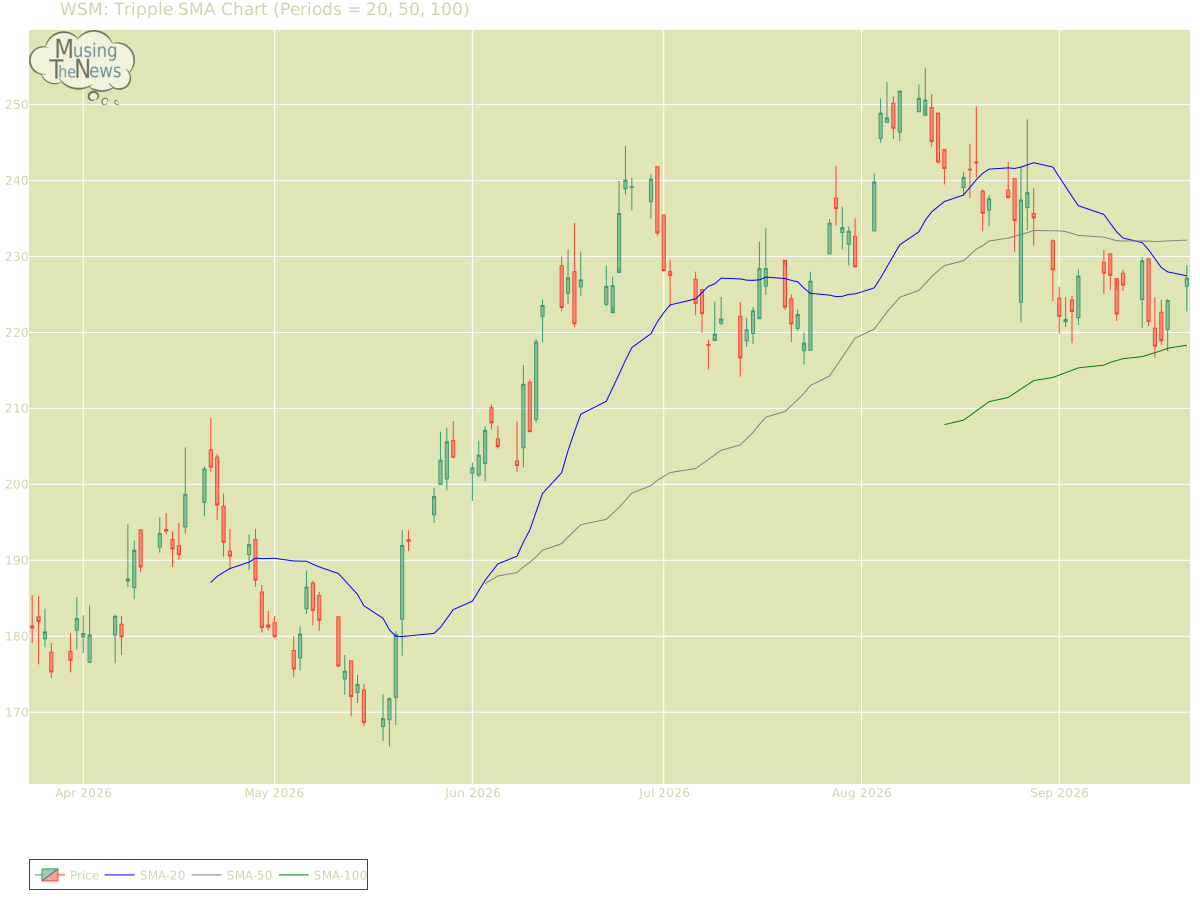
The Tripple MOVING AVG is currently neutral, offering no clear guidance on market direction. This suggests that the market may be in a state of pause, with no strong trend ...
By MusingTheNews
Updated 2026-09-23 02:47:56
Overall Technical outlook
Price Summary
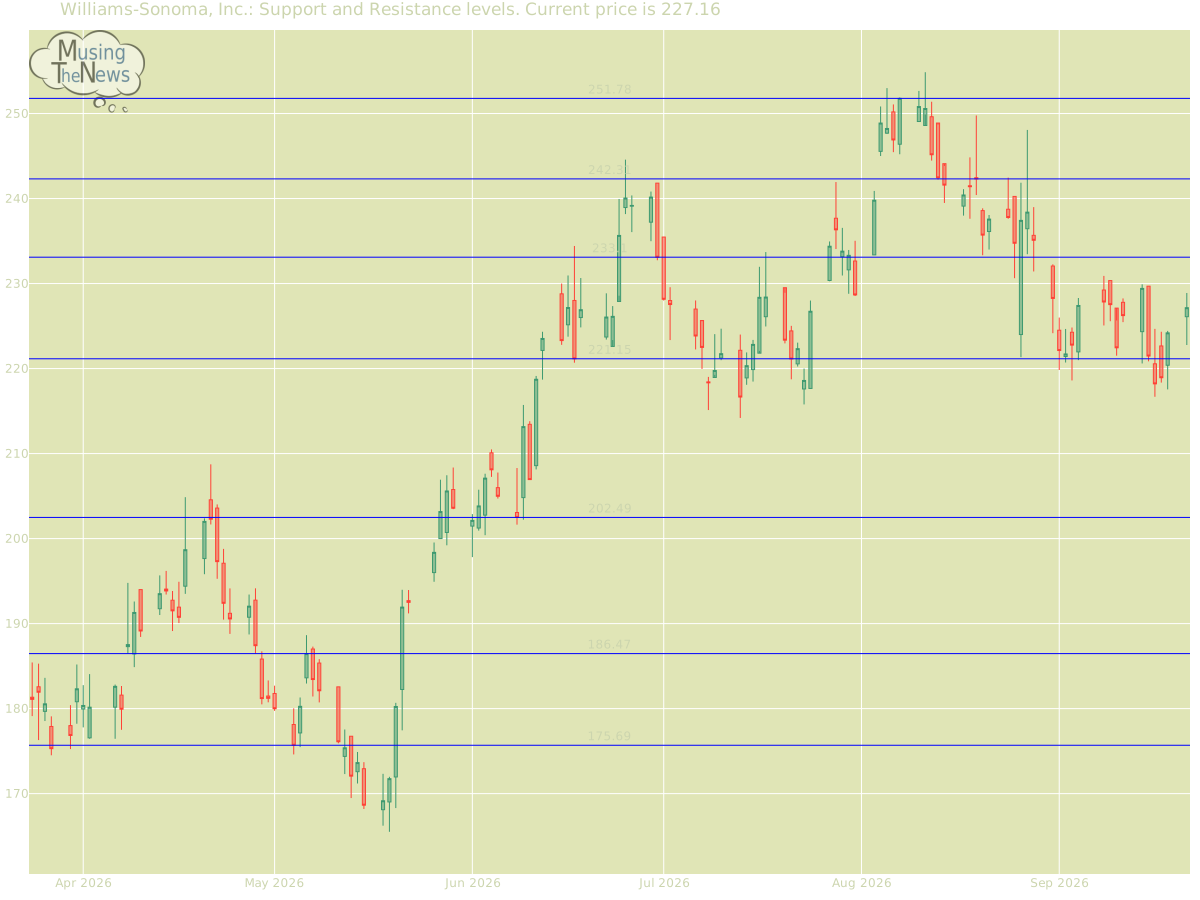
On 2026-09-21, Williams-Sonoma, Inc.'s shares started at 226.1, peaked at 228.89, bottomed out at 222.77, and ended 0.47% higher at 227.16, with 1017700 shares traded. Throughout the 52-week period, the stock hit a high of 251.78 and a low of 168.64.
Technicals
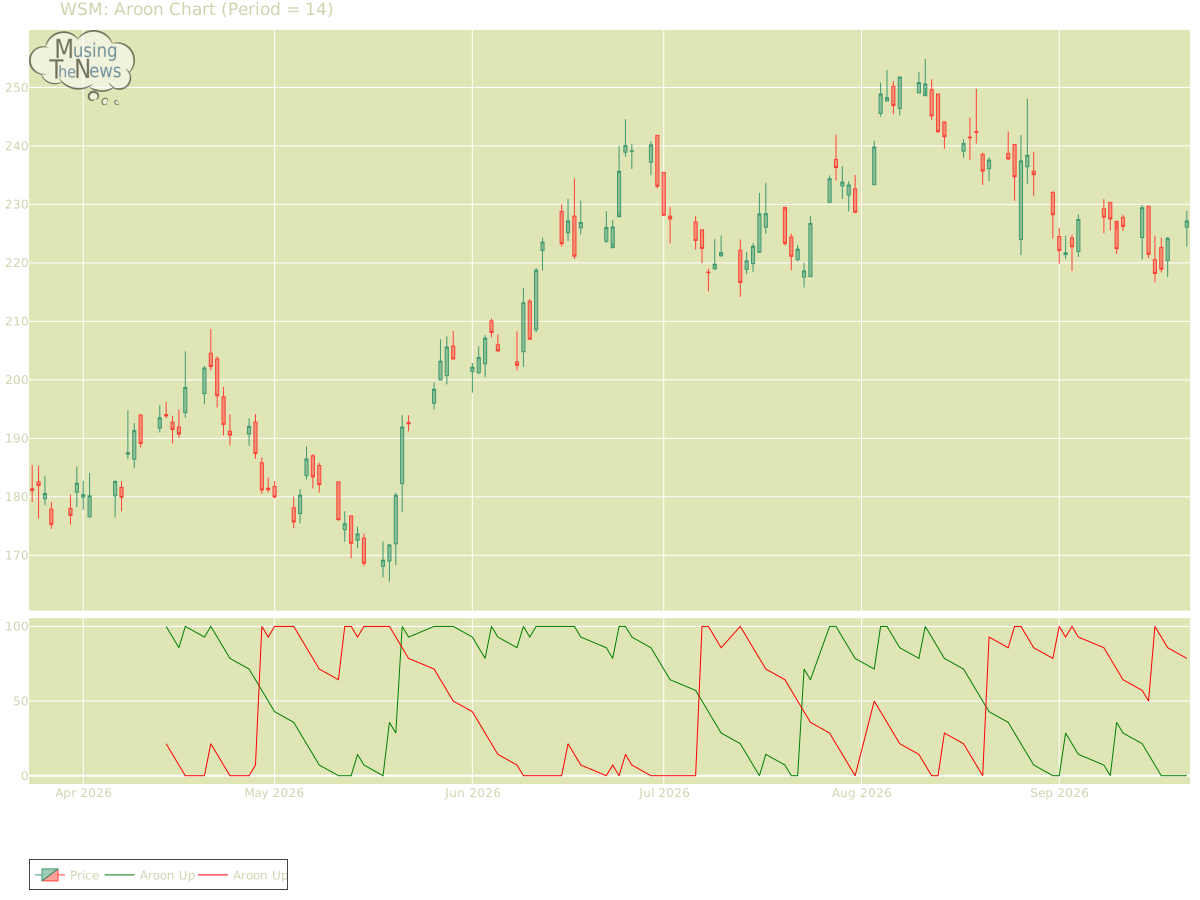
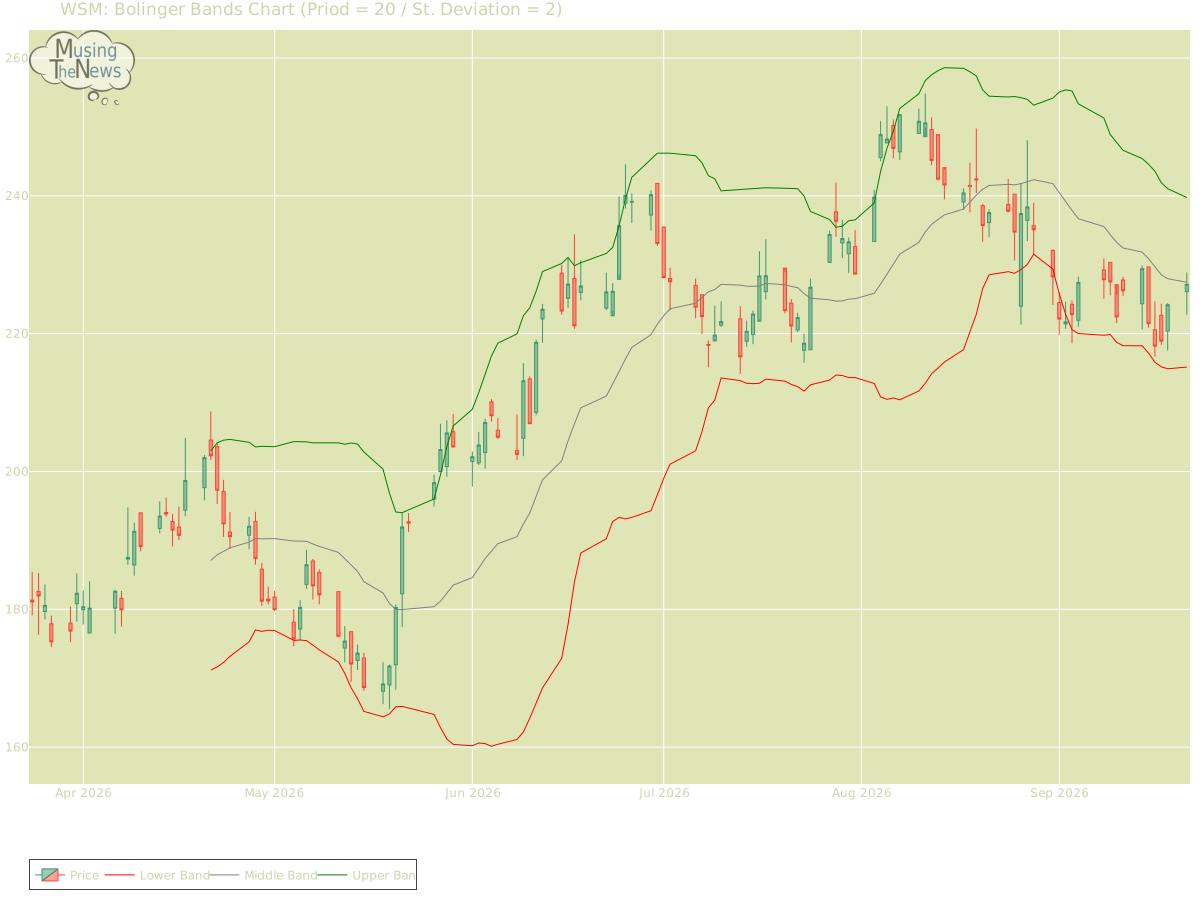
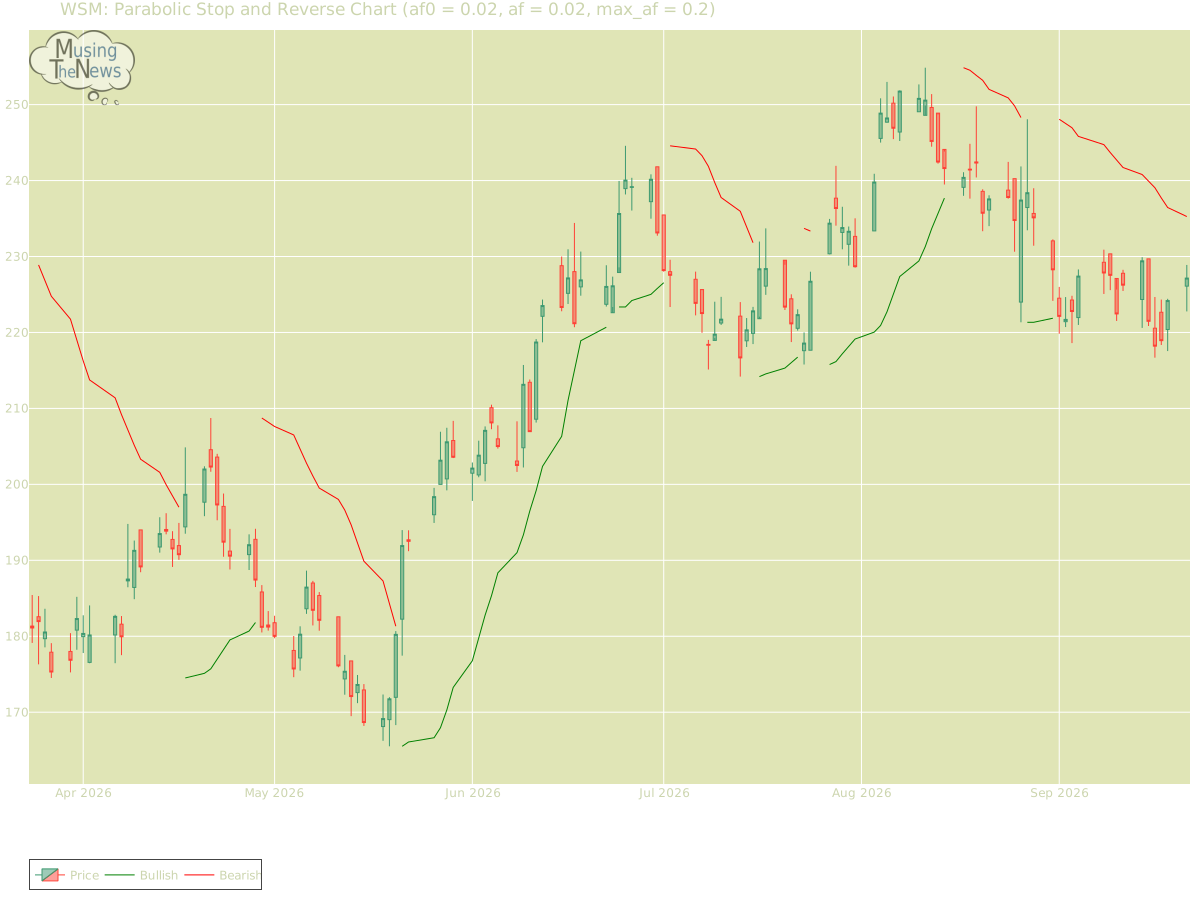
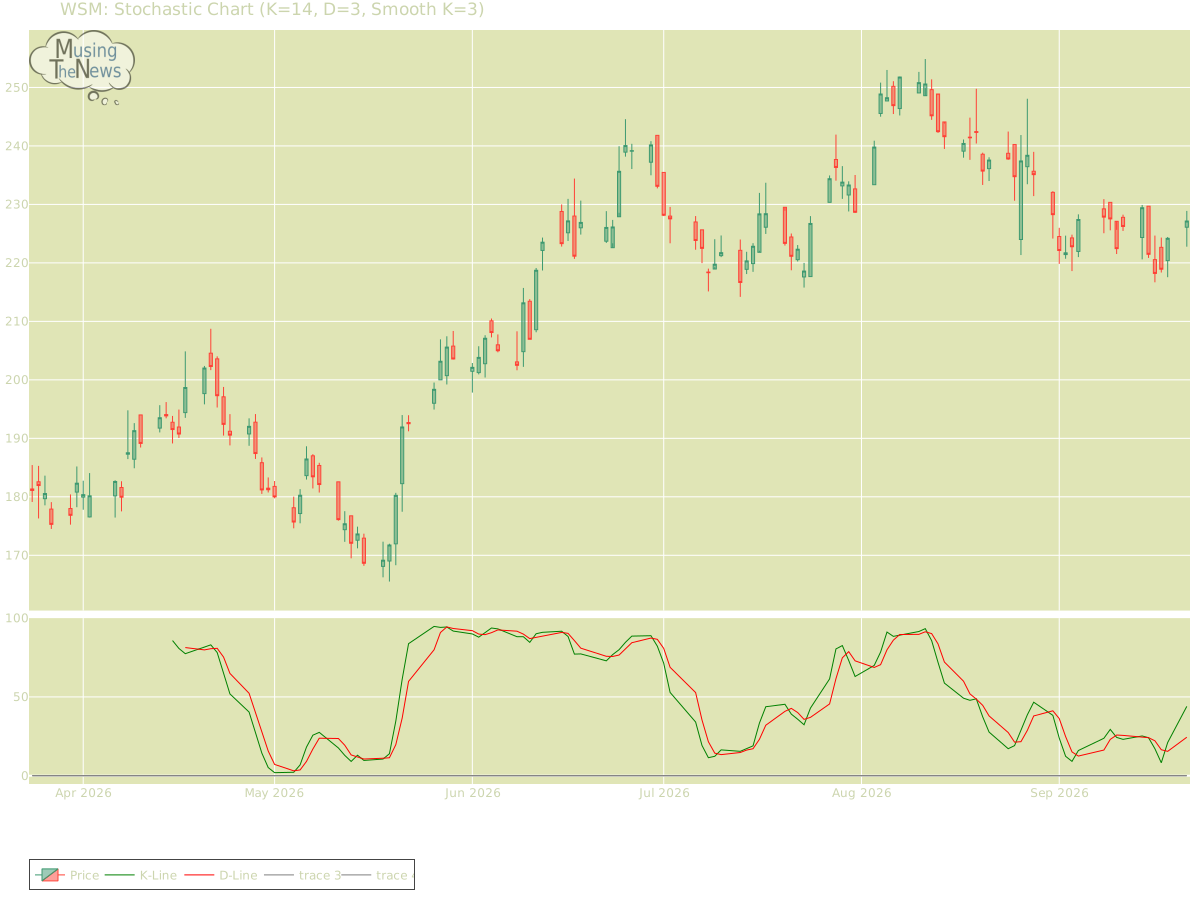
Support and Resistance: The current price sits at 227.16, supported at 221.15 and capped by resistance at 233.1. These levels define a range for WSM where the price might stabilize, with 221.15 as a floor and 233.1 as a ceiling.Support/Resistance for WSMAroon: The current reading of the AROON indicator suggests a neutral stance, with no clear signals indicating an upward or downward direction. This lack of directional bias suggests the market may be in a period of consolidation or uncertainty.Aroon chart for Williams-Sonoma, Inc.Bol. Bands: The current reading of the BOLL BANDS is neutral for WSM, with no clear signals for an upward or downward trend. This indicates that the market may be in a state of uncertainty, with no dominant force driving the direction.Bolinger Bands chart for Williams-Sonoma, Inc.Parabolic SAR: The PSAR maintains a bearish outlook, setting a key resistance level that could limit further gains. This resistance reinforces the bearish sentiment, indicating that the market may face challenges in pushing higher.Parabolic Stop and Reverse chart for Williams-Sonoma, Inc.Stochastic: The STOCHASTIC is in a neutral stance, with no clear signals for movement up or down. This neutral position indicates a potential period of consolidation or uncertainty in the market.Stochastic chart for Williams-Sonoma, Inc.Tripple Moving Agerage: The Tripple MOVING AVG is currently neutral, offering no clear guidance on market direction. This suggests that the market may be in a state of pause, with no strong trend emerging.Tripple SMA chart for Williams-Sonoma, Inc. When evaluating a company, it is crucial to examine its fundamentals, including its financial statements, management structure, and market position. Additionally, understanding the broader industry trends, competition, and regulatory landscape helps to create a well-rounded view. By assessing both the company's internal factors and the external environment in which it operates, you can extract more valuable insights from its technical performance, such as stock price movements and trading patterns.