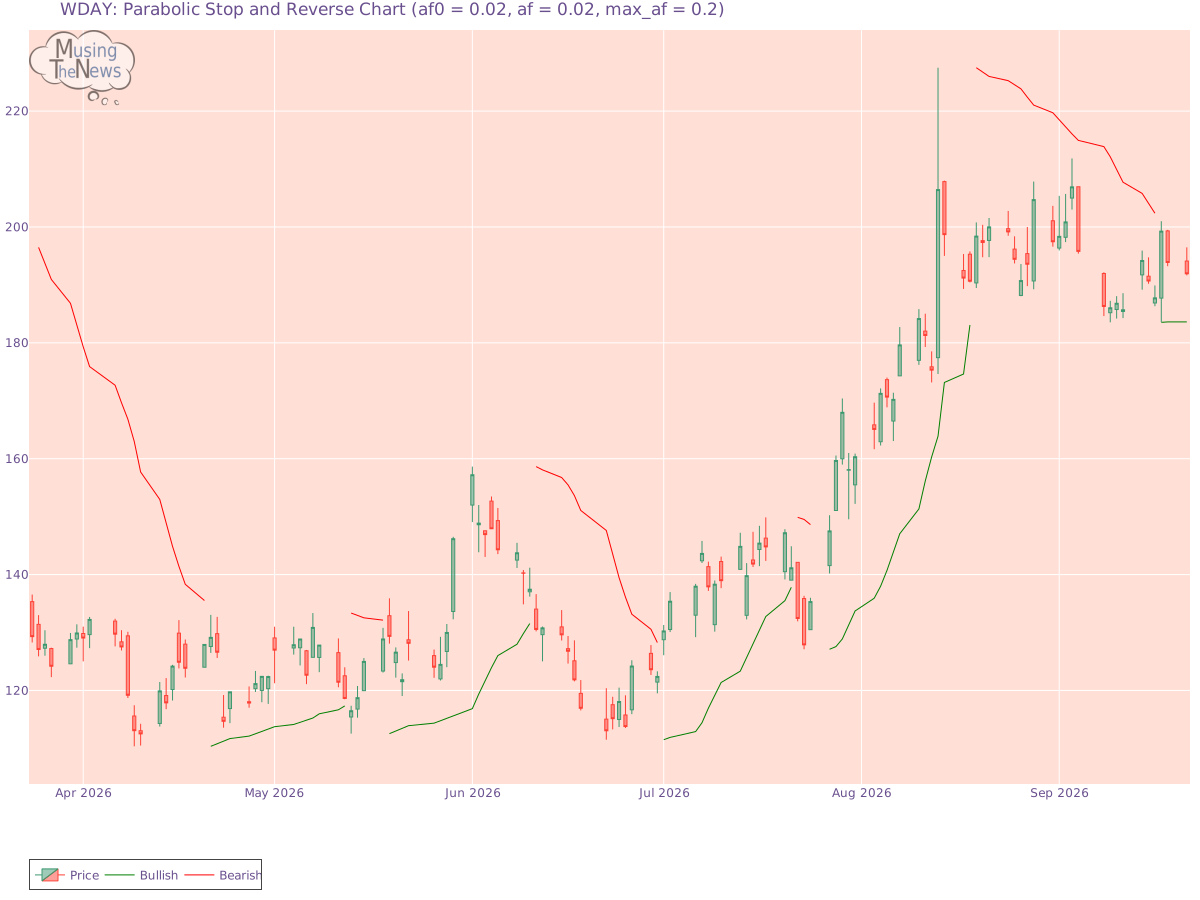
The PSAR continues its bullish outlook, reinforcing a crucial support level that may help sustain the current upward trend. This support suggests that the market is likely ...
By MusingTheNews
Updated 2026-09-23 02:47:57
Overall Technical outlook
Price Summary
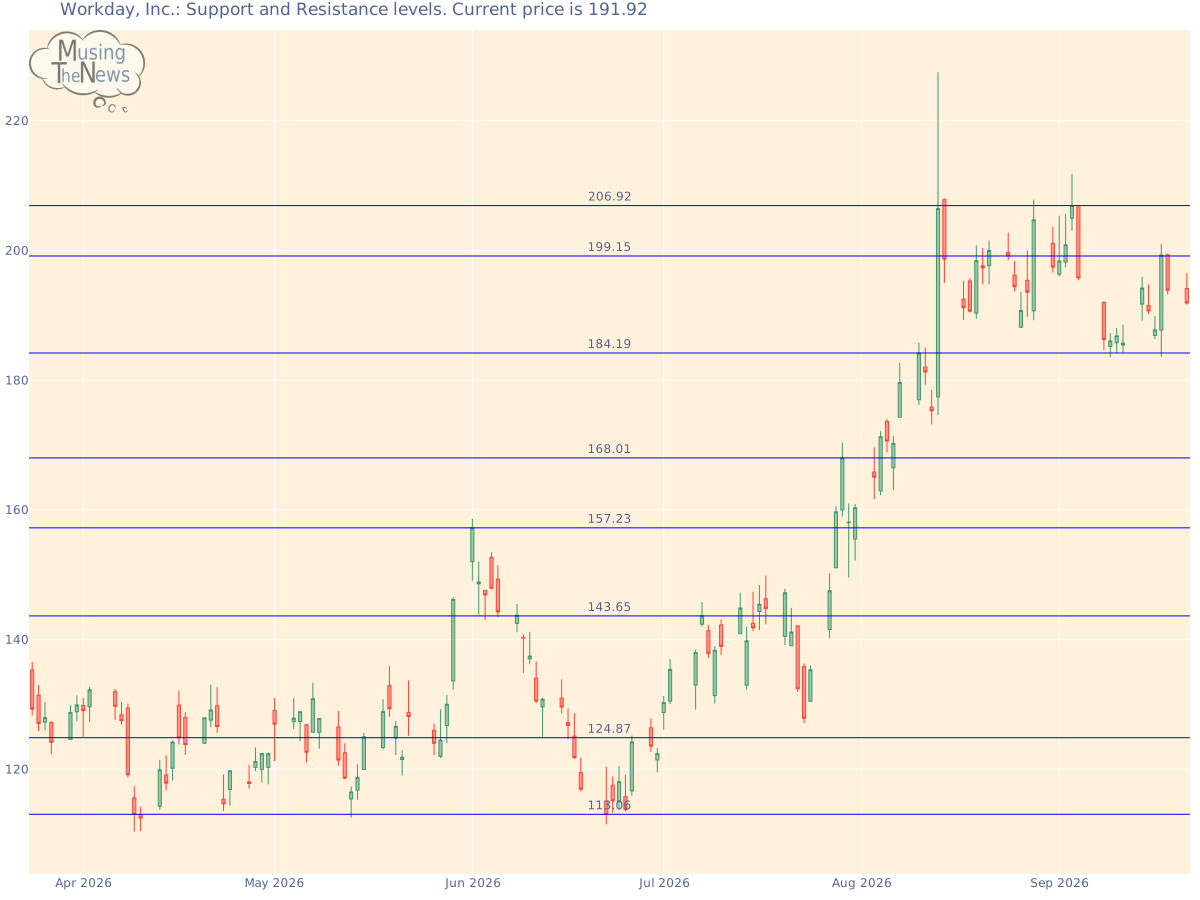
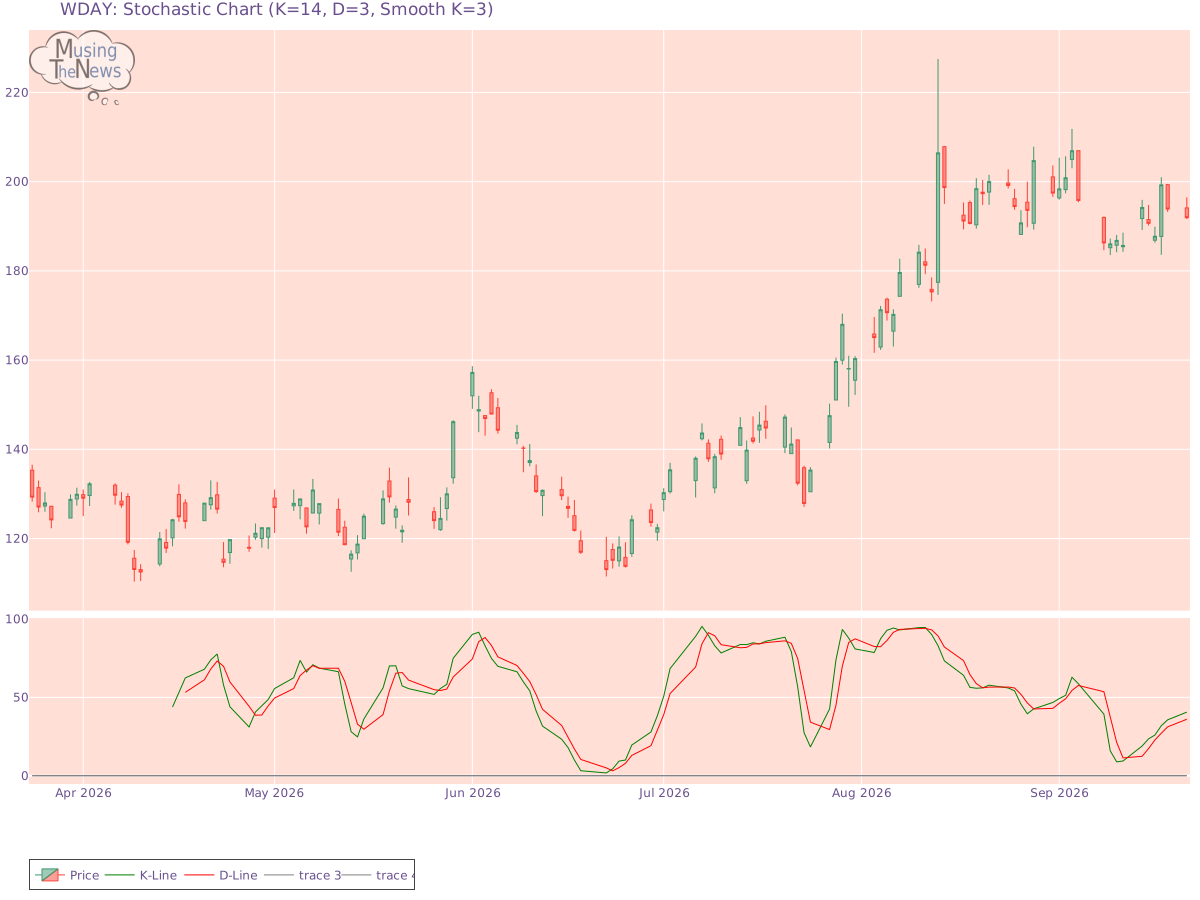
On 2026-09-21, Workday, Inc.'s stock started at 194.12, soared to 196.48, dropped to 191.65, and finished the day -1.13% lower at 191.92, with a trading volume of 2023500 shares. During the past 52 weeks, the highest stock price was 247.69, and the lowest was 112.5.
Technicals
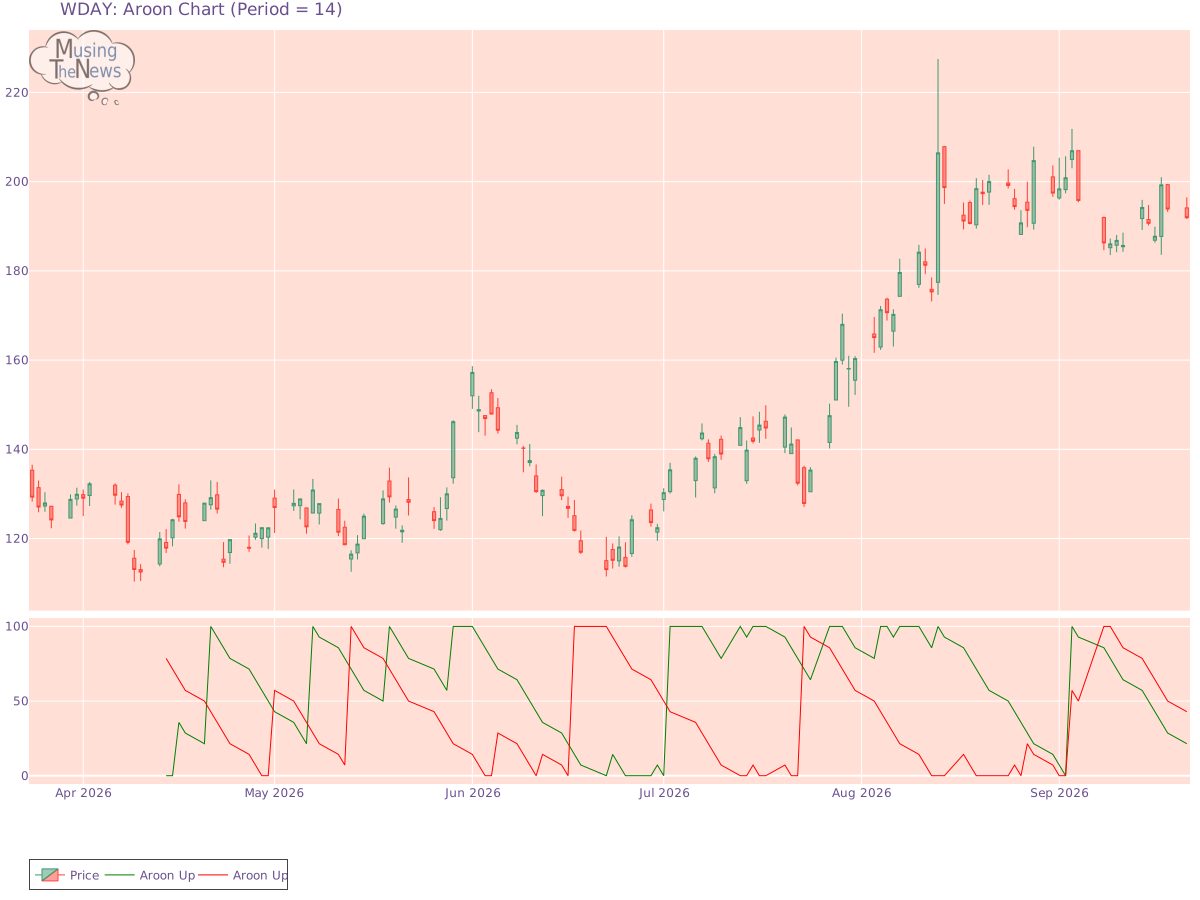
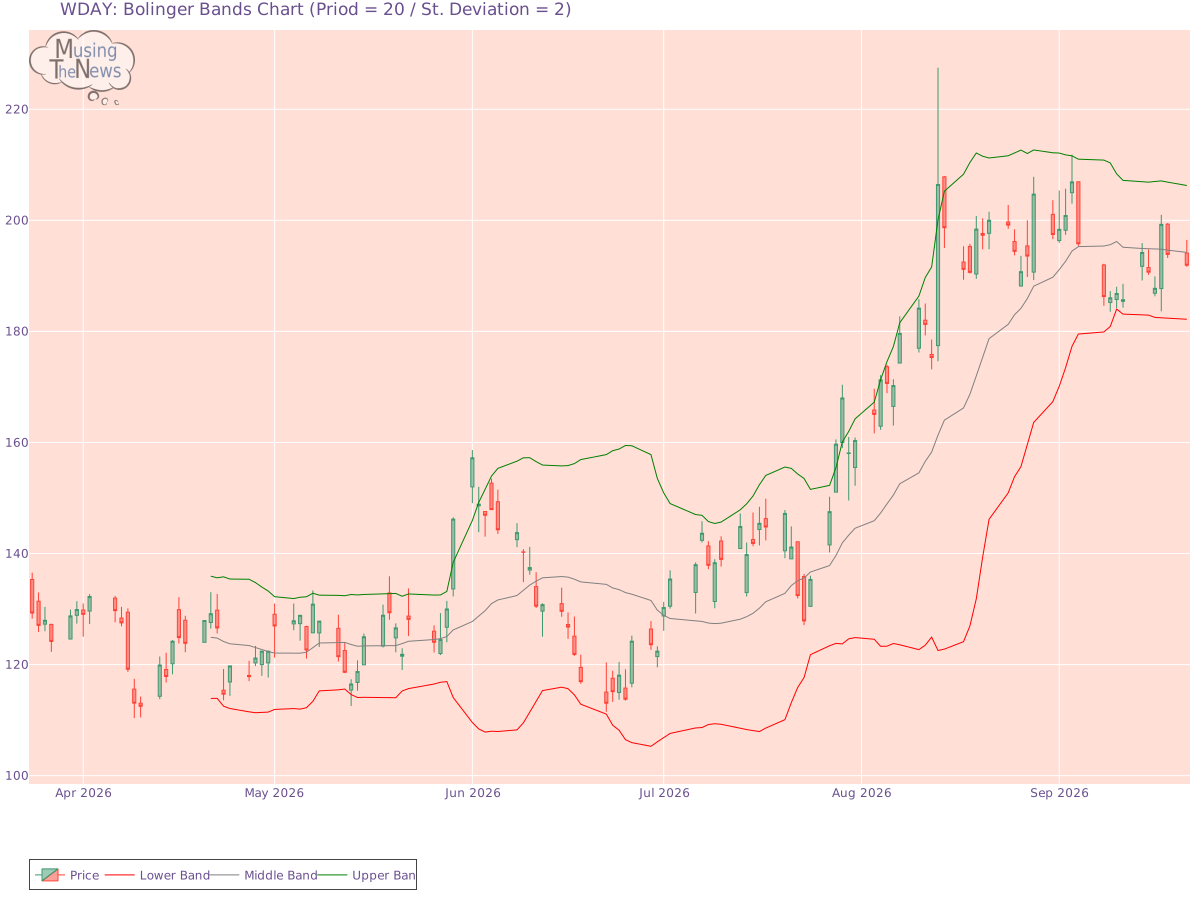
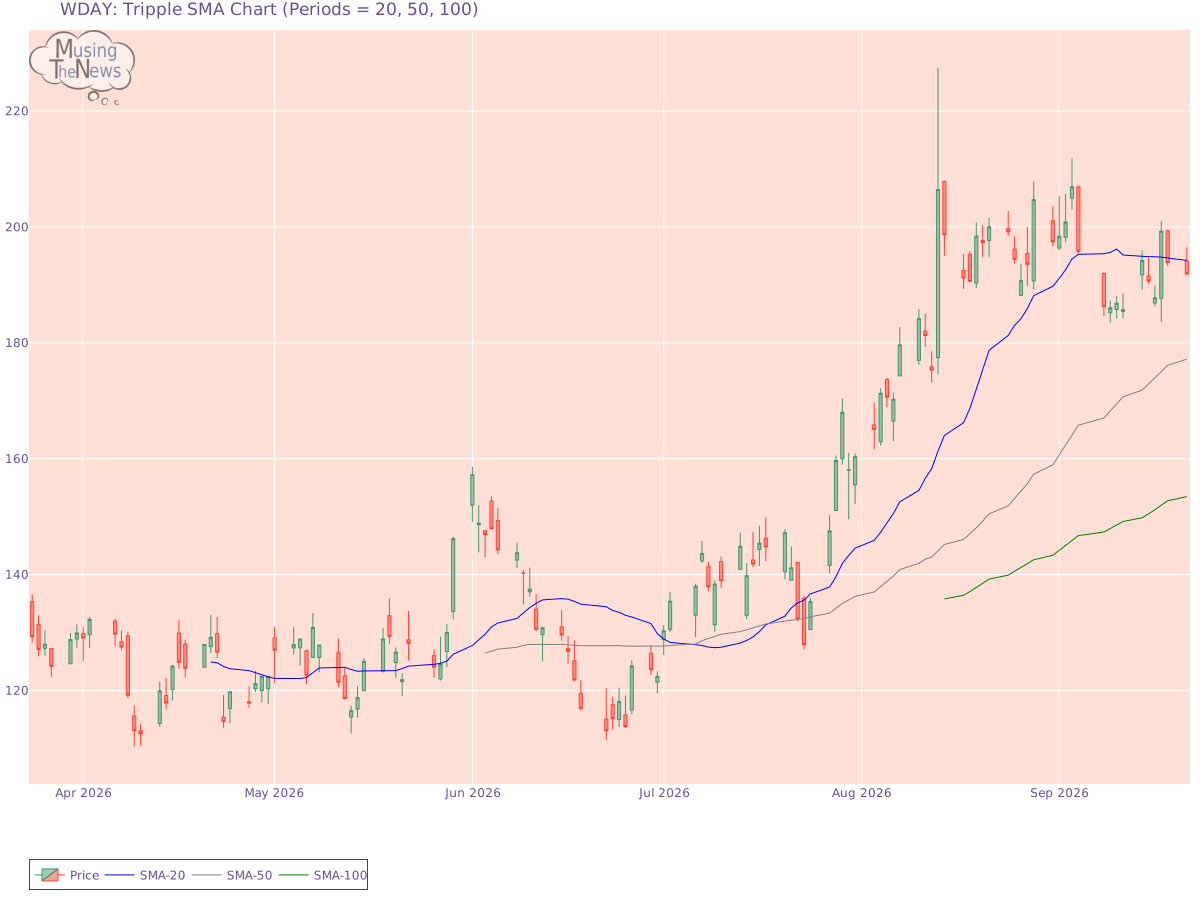
Support and Resistance: The current price for WDAY is 191.92, supported at 184.19 with resistance at 199.15. This indicates a trading range where 184.19 might prevent further declines, while 199.15 could hinder additional gains.Support/Resistance for WDAYAroon: The AROON is currently neutral, showing no clear bias toward an upward or downward trend. This suggests that the market may be in a phase of indecision or consolidation.Aroon chart for Workday, Inc.Bol. Bands: The current state of the BOLL BANDS is neutral, offering no clear signals of movement in either direction. This suggests a potential pause in market activity, with no strong trend emerging at the moment.Bolinger Bands chart for Workday, Inc.Parabolic SAR: The PSAR continues its bullish outlook, reinforcing a crucial support level that may help sustain the current upward trend. This support suggests that the market is likely to continue climbing, with the bullish momentum remaining strong.Parabolic Stop and Reverse chart for Workday, Inc.Stochastic: The STOCHASTIC is in a neutral stance, not pointing to a clear trend in either direction. This suggests that the market may be lacking strong momentum, making it difficult to predict the next move.Stochastic chart for Workday, Inc.Tripple Moving Agerage: The Tripple MOVING AVG is currently neutral, showing no clear bias toward a rising or falling trend. This lack of directional clarity suggests that the market may be in a holding pattern, awaiting further developments.Tripple SMA chart for Workday, Inc. The technical analysis of a company's stock performance is valuable, but only when considered in conjunction with the company's fundamentals. These fundamentals, including financial strength, earnings growth, and leadership, provide a foundation for understanding market movements. Additionally, industry trends and competitive pressures play an important role. By integrating both fundamental and technical analysis, one can better evaluate the company's true potential and make more informed investment decisions.