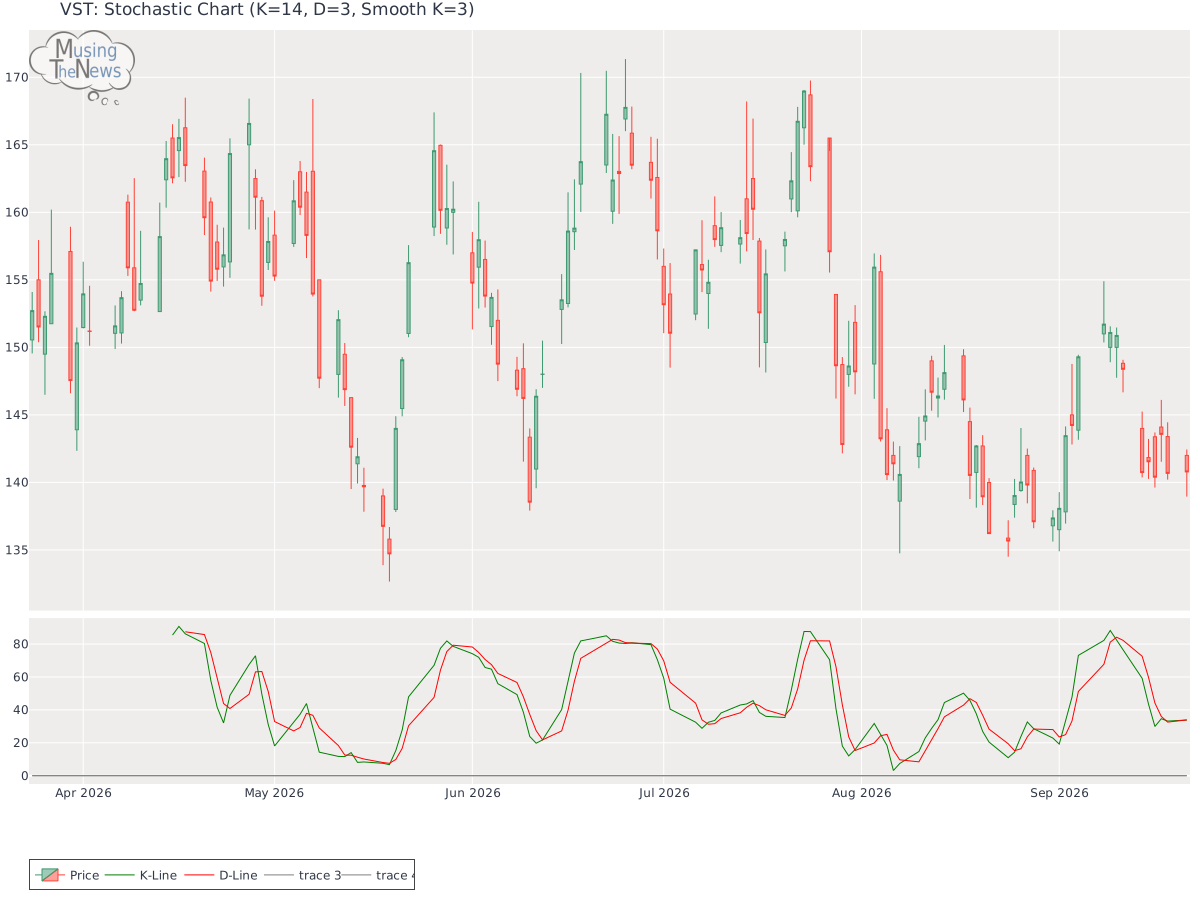
The STOCHASTIC is showing a neutral reading, with no clear direction indicated for upward or downward movement. This neutral position suggests a possible period of consolid...
By MusingTheNews
Updated 2026-09-23 02:47:53
Overall Technical outlook
Price Summary
On 2026-09-21, VST's stock opened at 142.0, reached a peak of 142.44, dropped to 138.95, and ended -0.86% down at 140.78, with a volume of 4494900 shares. The stock reached its highest price of 210.85 and its lowest price of 134.71 during the 52-week period.
Technicals
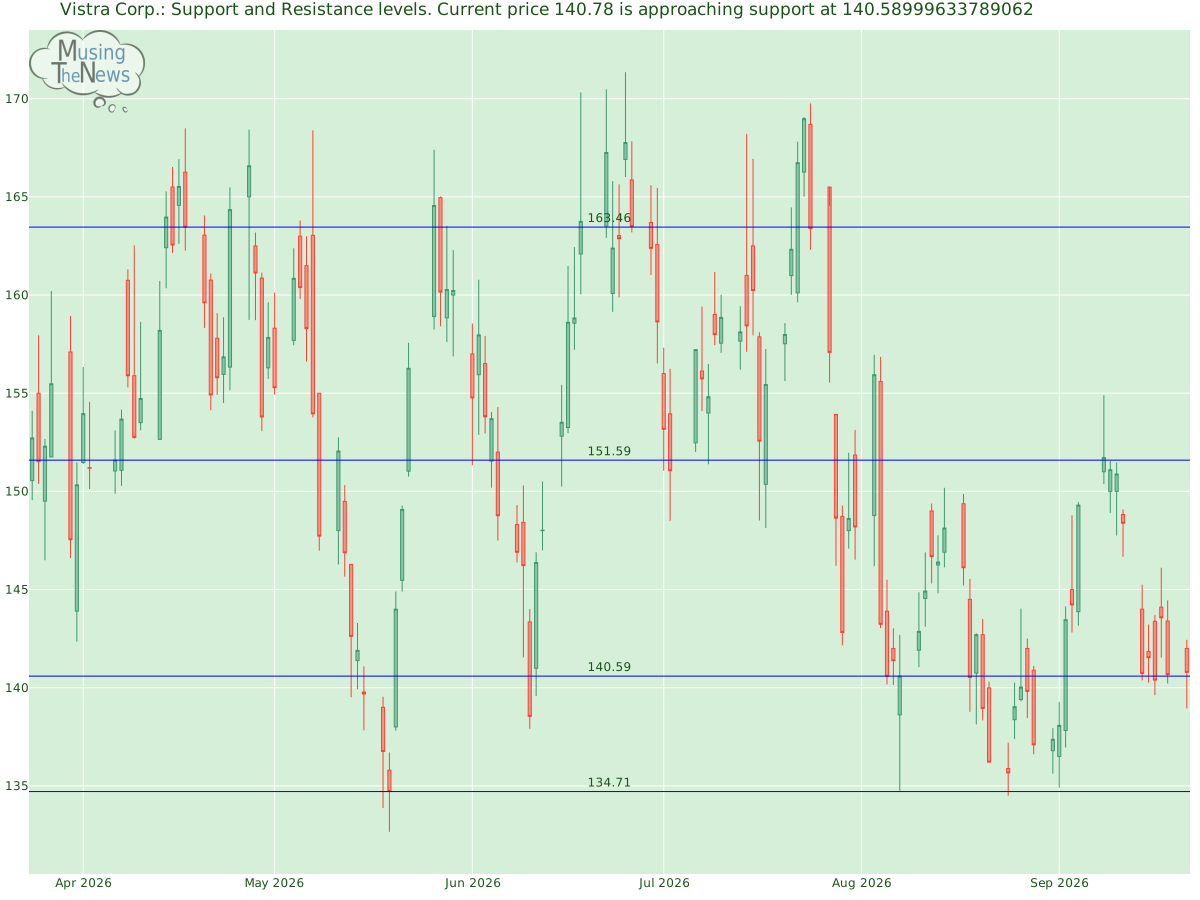
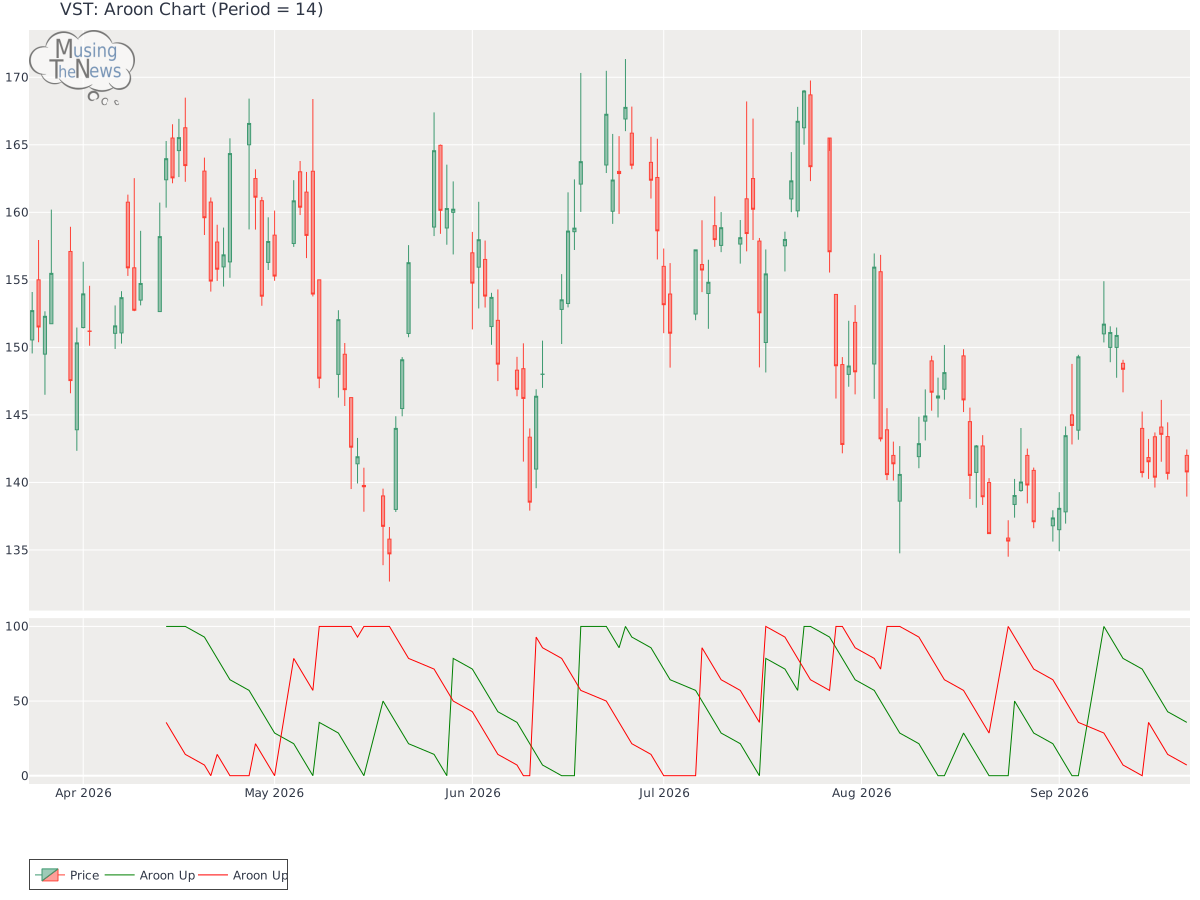
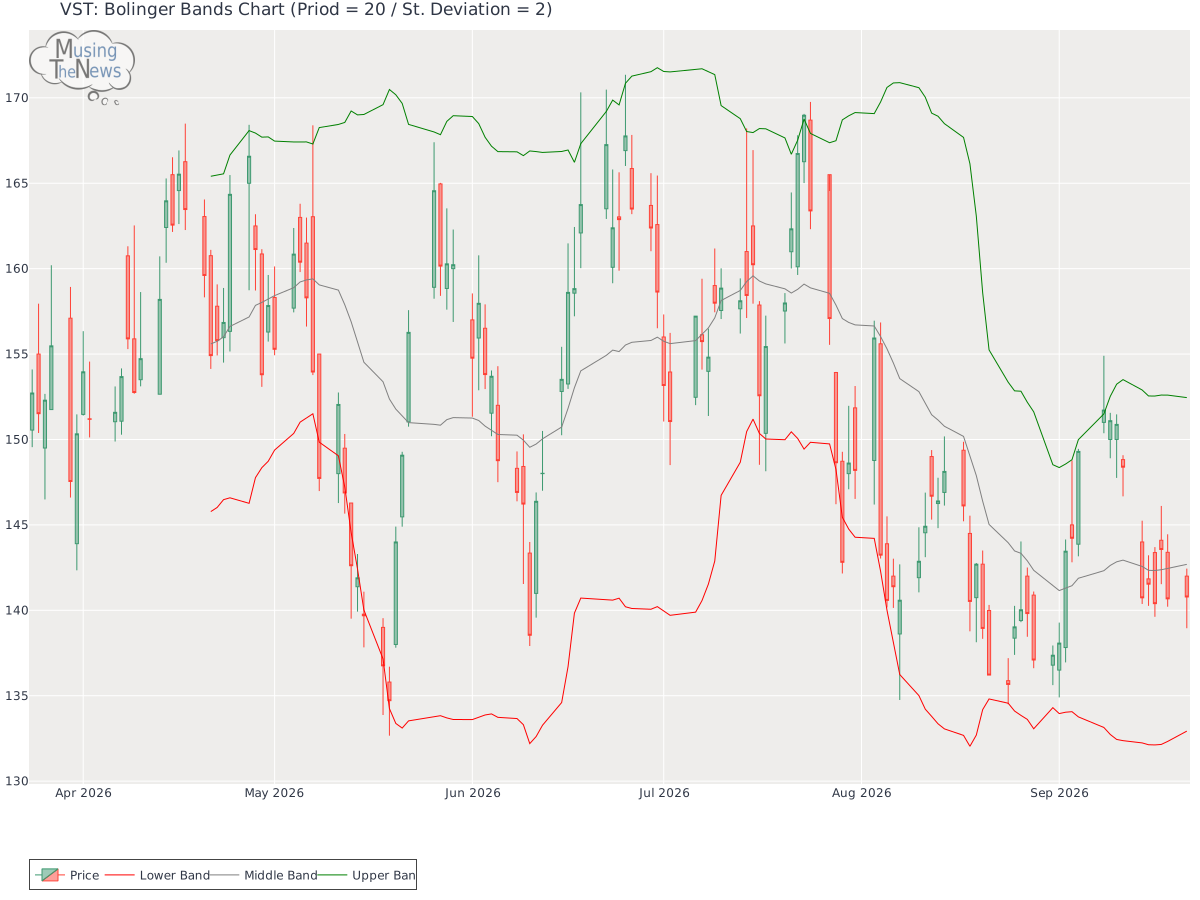
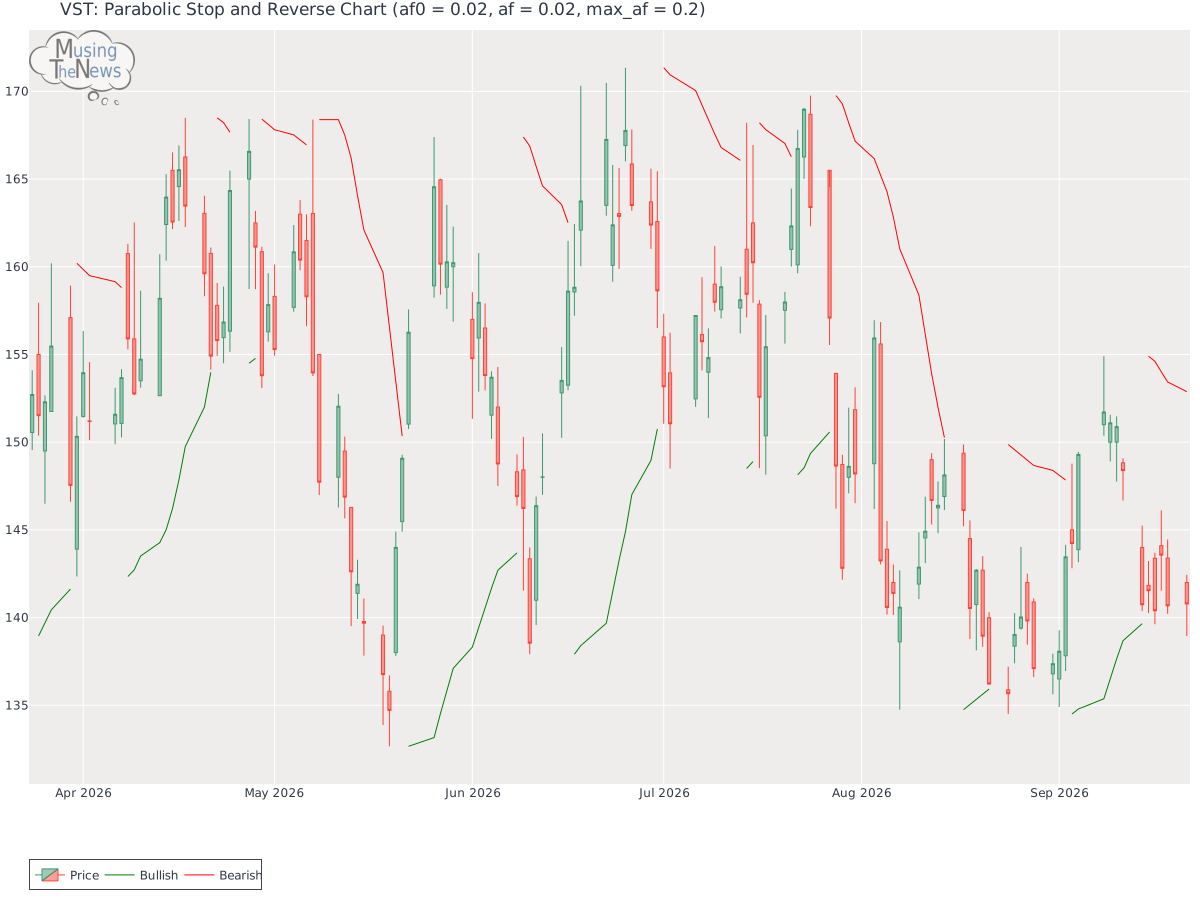
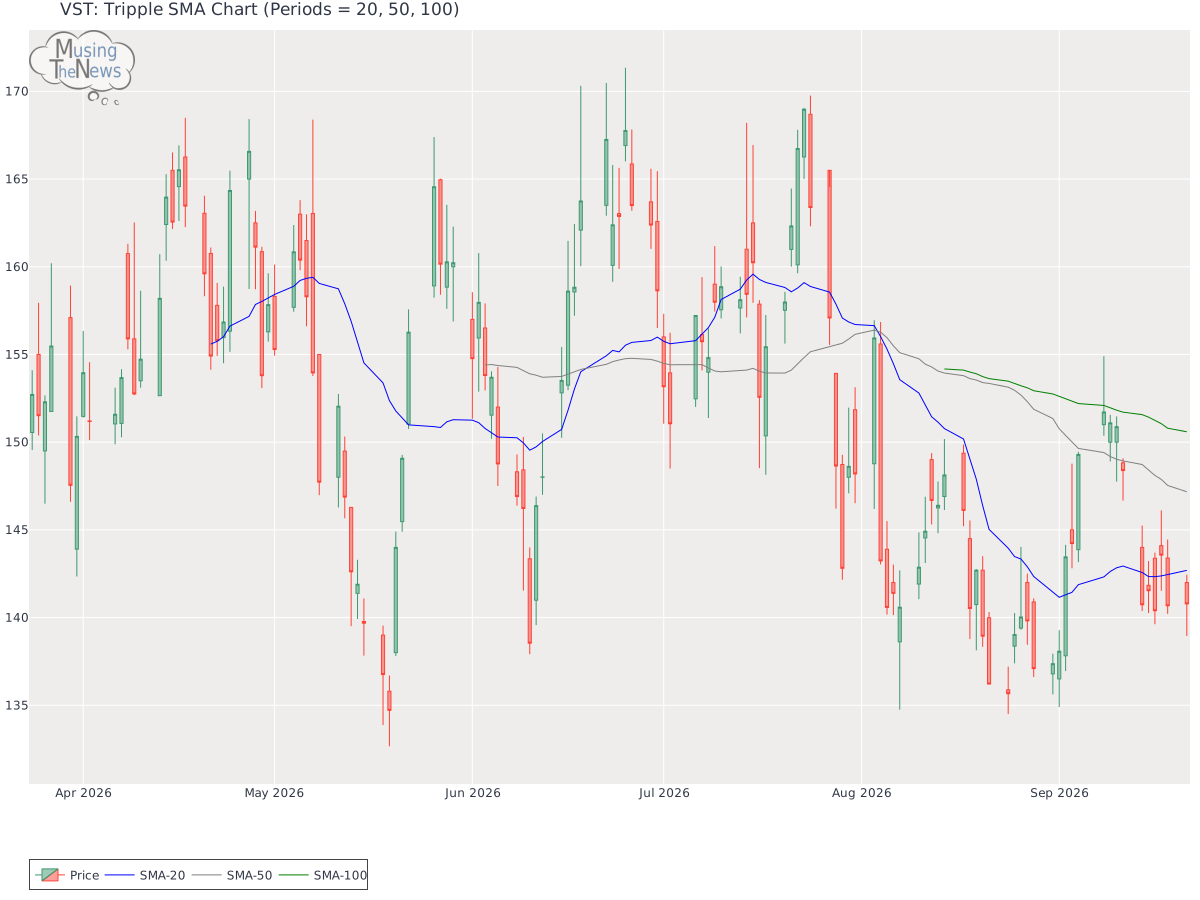
Support and Resistance: The price for VST is 140.78, with support at 140.59 and resistance at 151.59. This suggests a range where 140.59 acts as a base, preventing declines, and 151.59 caps gains, defining key trading levels.Support/Resistance for VSTAroon: The current state of the AROON is neutral, offering no clear signals of movement in either direction. This suggests a potential pause in market activity, with no strong trend emerging at the moment.Aroon chart for Vistra Corp.Bol. Bands: The current state of the BOLL BANDS is neutral for VST, providing no clear indication of a trend in either direction. This suggests that the market may be lacking momentum, making it difficult to predict future movements.Bolinger Bands chart for Vistra Corp.Parabolic SAR: The PSAR continues to signal a bearish outlook, setting a significant resistance level. This resistance could limit upward momentum, indicating that the market may struggle to overcome this bearish pressure in the near term.Parabolic Stop and Reverse chart for Vistra Corp.Stochastic: The STOCHASTIC is showing a neutral reading, with no clear direction indicated for upward or downward movement. This neutral position suggests a possible period of consolidation.Stochastic chart for Vistra Corp.Tripple Moving Agerage: The Tripple MOVING AVG is neutral, showing no definitive signals of a trend either upward or downward. This neutral stance indicates a period of market indecision, where the direction is unclear.Tripple SMA chart for Vistra Corp. To derive valuable insights from a company's technical performance, it is essential to first understand its fundamentals. This includes its financial health, business model, and market share. Equally important is the industry context, such as competition, consumer demand, and market trends. By examining these aspects together, investors can gain a more comprehensive view of how the company's stock behaves and whether it's aligned with its underlying value.