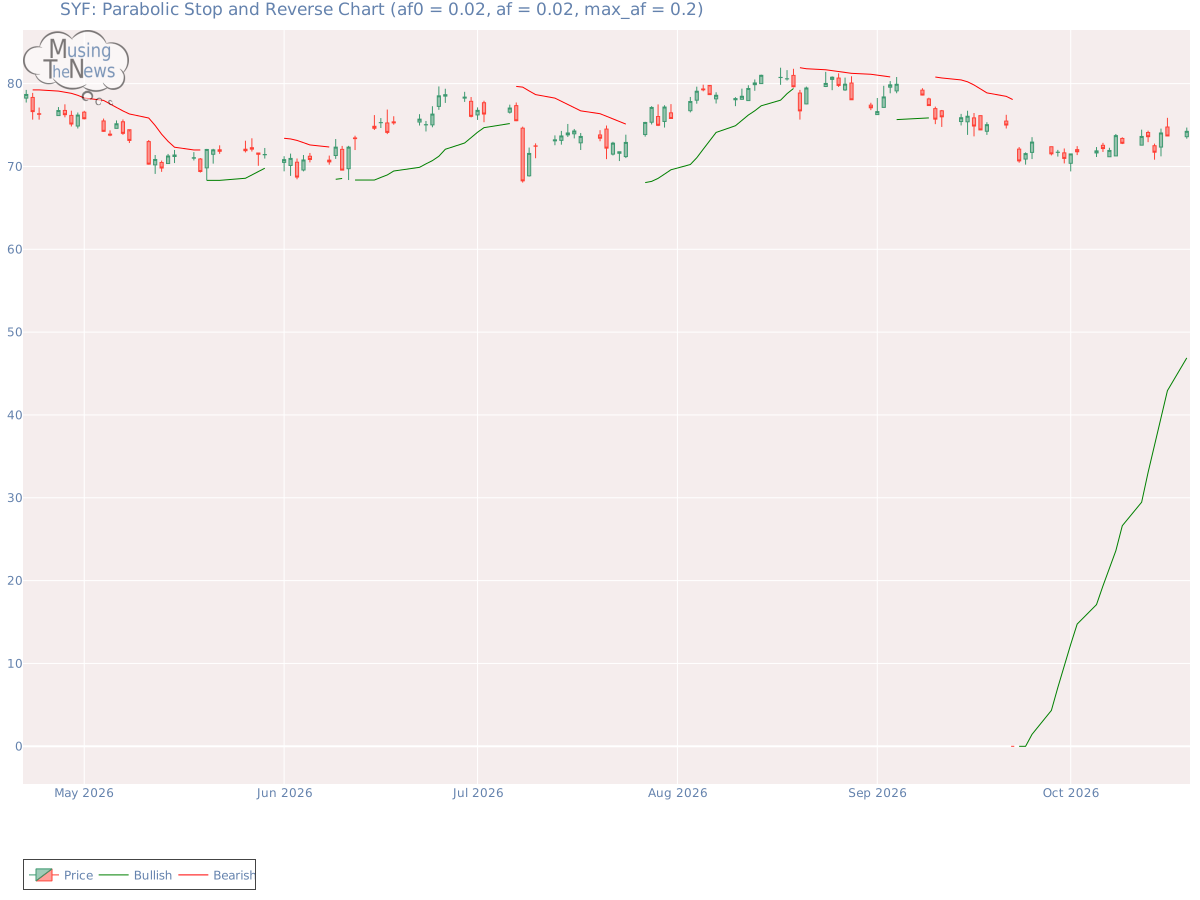
The PSAR continues its bullish outlook, reinforcing a crucial support level that may help sustain the current upward trend. This support suggests that the market is likely ...
By MusingTheNews
Updated 2026-10-20 23:25:53
Overall Technical outlook
Price Summary
Synchrony Financial's stock opened at 73.59 on 2026-10-19, surged to a high of 74.69, hit a low of 73.35, and closed up 0.88% at 74.24, with 4704400 shares traded. The stock reached its highest price of 88.47 and its lowest price of 0.0 during the 52-week period.
Technicals
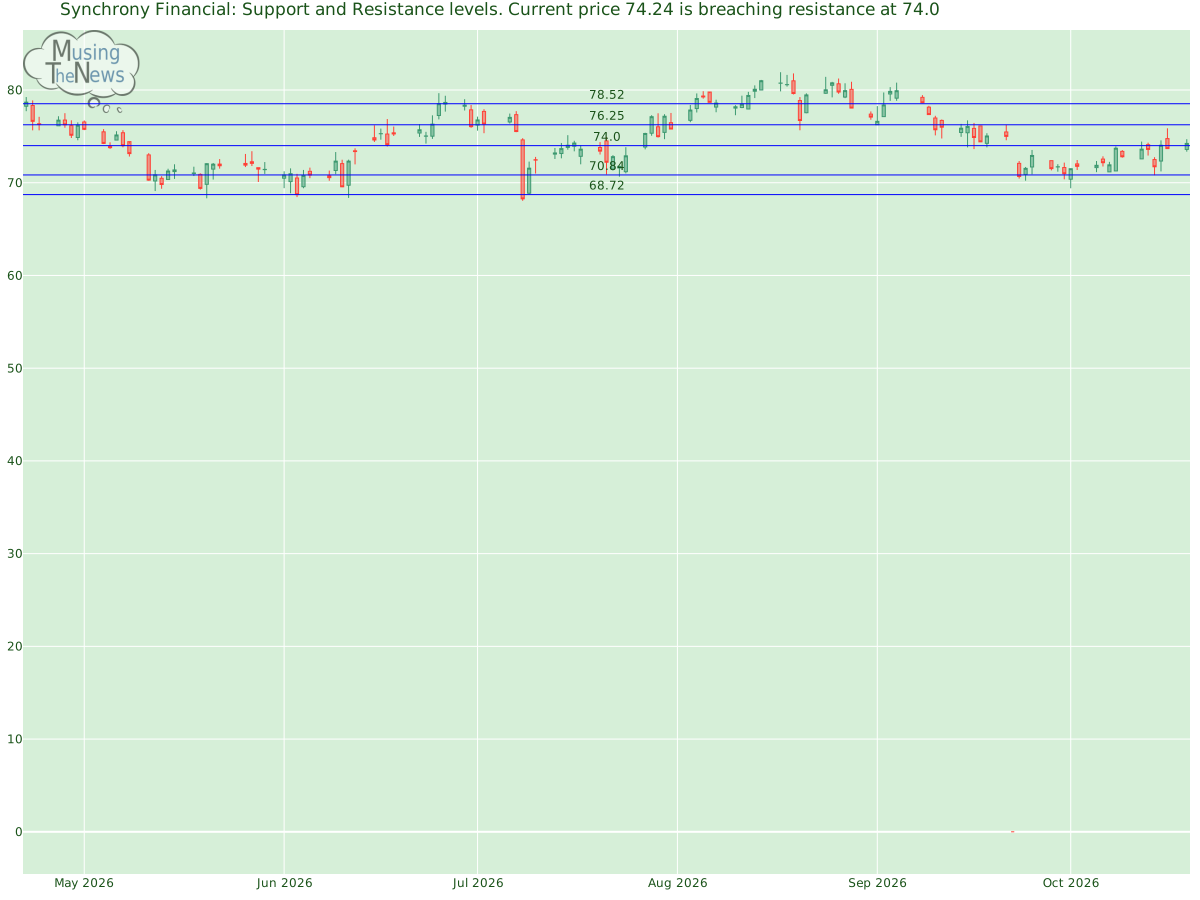
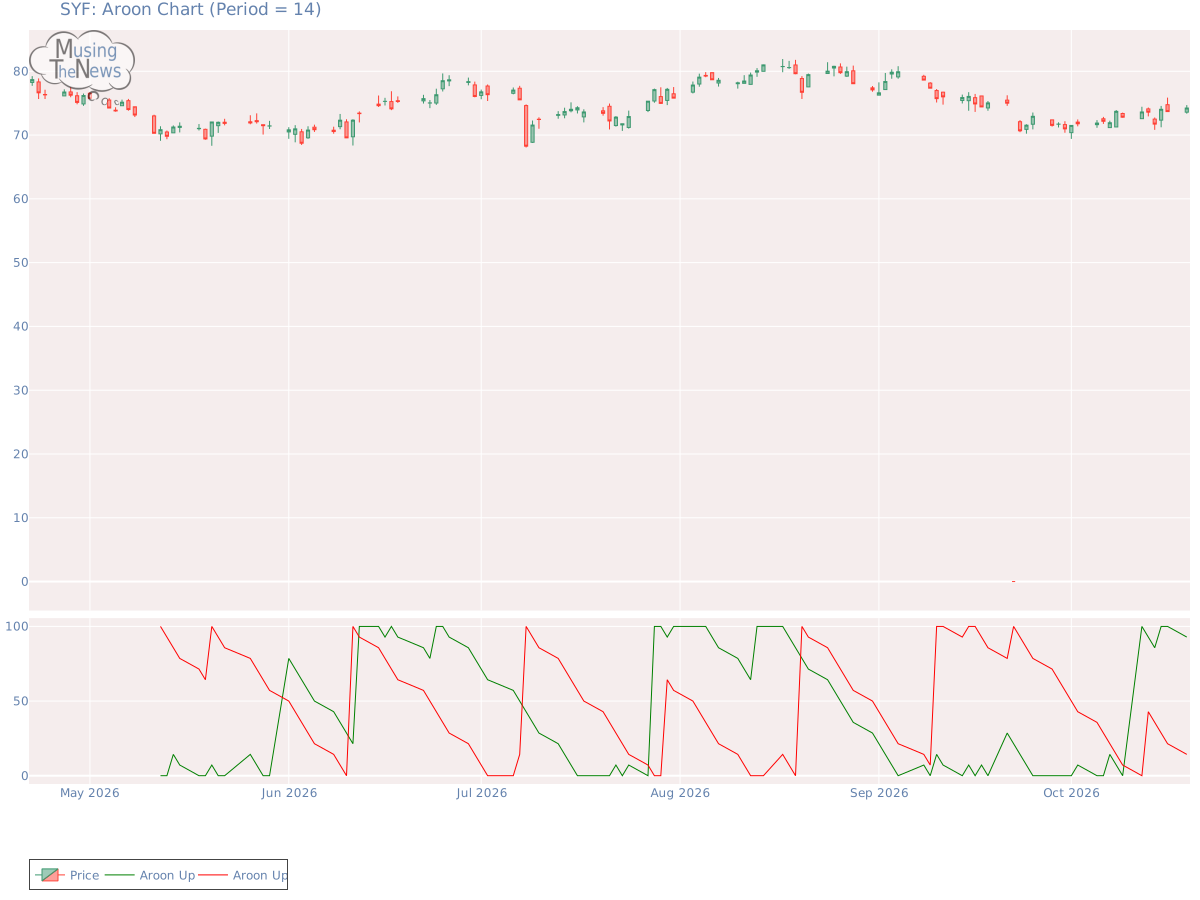
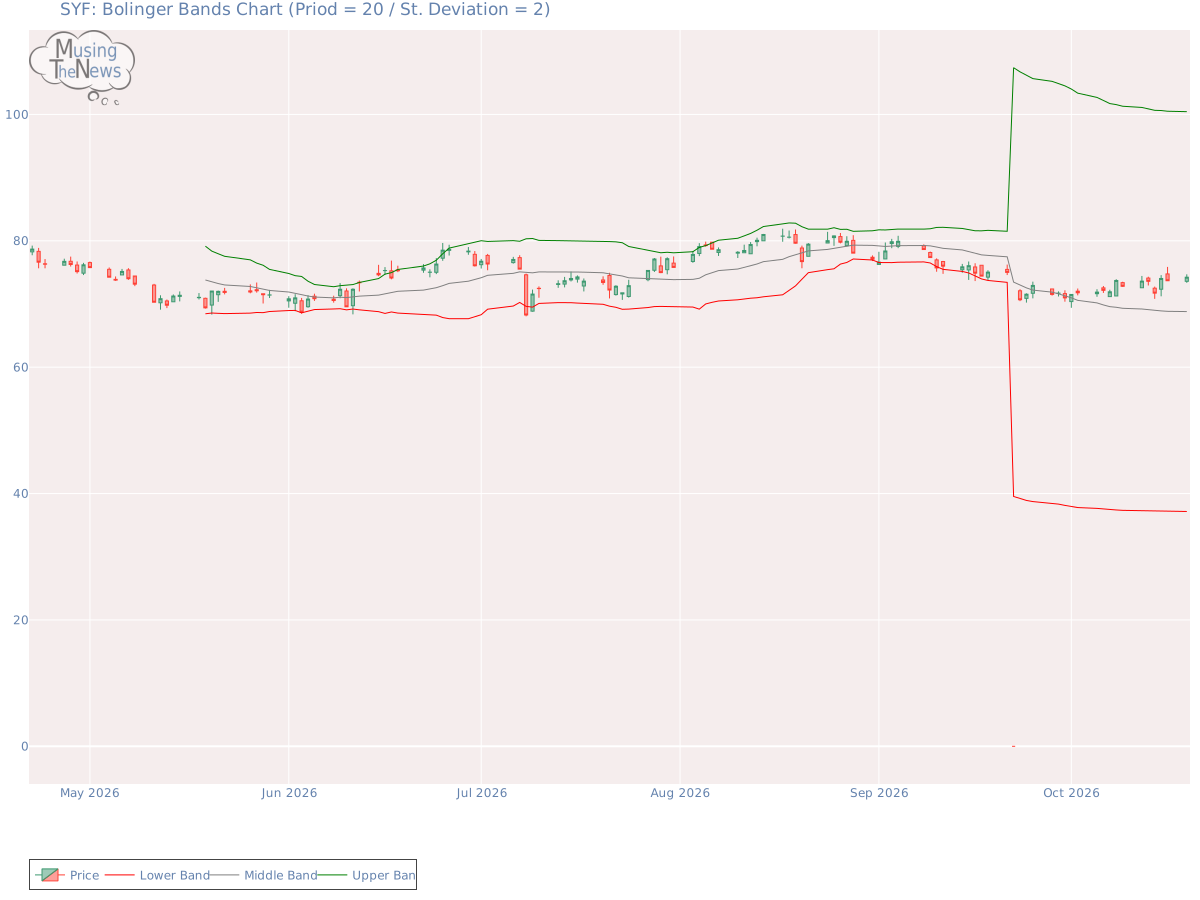
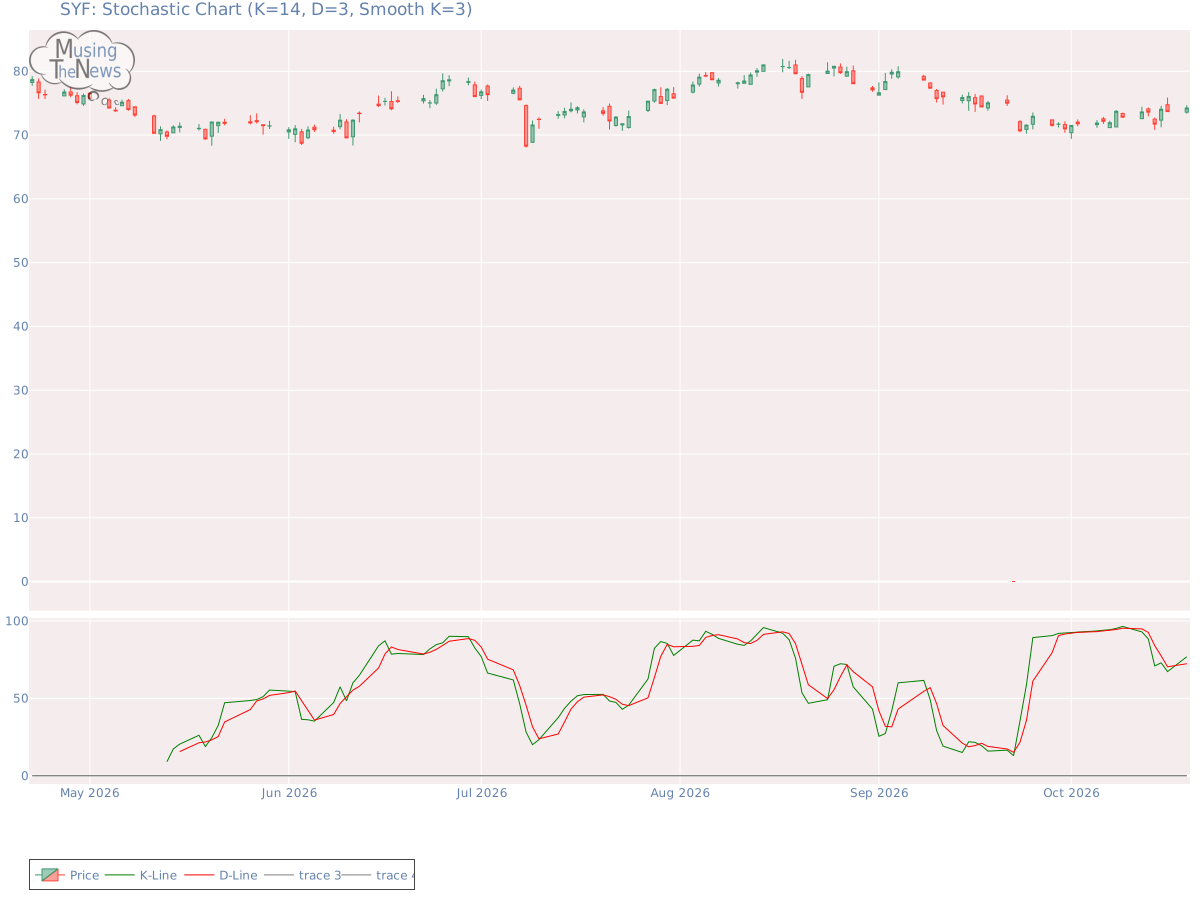
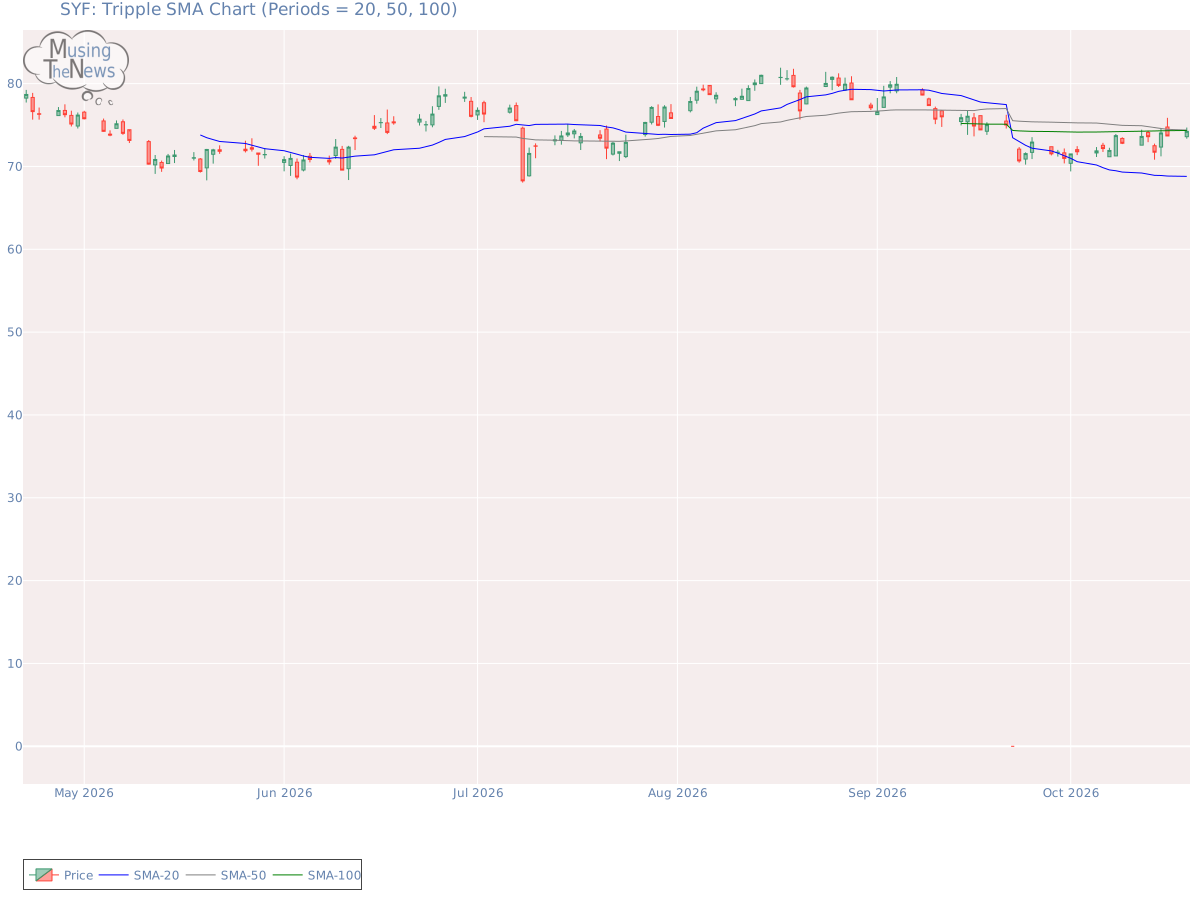
Support and Resistance: The price sits at 74.24, supported by 74.0 and resisted by 76.25. This indicates a trading range where 74.0 provides a floor, preventing declines, and 76.25 acts as a ceiling, limiting further price increases for SYF.Support/Resistance for SYFAroon: The AROON is in a neutral stance for SYF, not indicating a clear upward or downward trend. This suggests a period of market indecision, where neither bulls nor bears have the upper hand.Aroon chart for Synchrony FinancialBol. Bands: The BOLL BANDS is in a neutral stance, with no clear signals for movement up or down. This neutral position indicates a potential period of consolidation or uncertainty in the market.Bolinger Bands chart for Synchrony FinancialParabolic SAR: The PSAR continues its bullish outlook, reinforcing a crucial support level that may help sustain the current upward trend. This support suggests that the market is likely to continue climbing, with the bullish momentum remaining strong.Parabolic Stop and Reverse chart for Synchrony FinancialStochastic: The STOCHASTIC is currently neutral, showing no clear bias toward an upward or downward trend. This suggests that the market may be in a phase of indecision or consolidation.Stochastic chart for Synchrony FinancialTripple Moving Agerage: The Tripple MOVING AVG is currently neutral, showing no clear bias toward a rising or falling trend. This lack of directional clarity suggests that the market may be in a holding pattern, awaiting further developments.Tripple SMA chart for Synchrony Financial Before focusing on a company's technical data, such as stock price movements, it's essential to analyze its fundamentals. These include factors like profitability, cash flow, and debt management. Additionally, considering the broader industry landscape—including market trends, competition, and regulatory changes—offers deeper insights. This comprehensive approach allows for a more meaningful interpretation of the company's technical indicators, providing a clearer picture of its financial health and future prospects.