Fundamentals for Synchrony Financial
SYF's negative gross and operating margins highlight that the company is incurring losses, unable to generate profit from production or operations. This could be a sign of ...






Business Operations:
Sector: Financial ServicesIndustry: Credit Services
Synchrony Financial, together with its subsidiaries, operates as a consumer financial services company in the United States. The company provides credit products, such as credit cards, commercial credit products, and consumer installment loans. It also offers private label credit cards, dual and general purpose co-branded cards, short- and long-term installment loans, and consumer banking products; and deposit products, including certificates of deposit, individual retirement accounts, money market accounts, savings accounts, and sweep and affinity deposits, as well as accepts deposits through third-party firms. In addition, the company provides debt cancellation products to its credit card customers through online and mobile channels; and healthcare payments and financing solutions under the CareCredit and Walgreens brands; payments and financing solutions in the apparel, specialty retail, outdoor, music, and luxury industries, such as American Eagle, Dick's Sporting Goods, Guitar Center, Pandora, Polaris, Suzuki, and Sweetwater. It offers its credit products through programs established with a group of national and regional retailers, local merchants, manufacturers, buying groups, industry associations, and healthcare service providers; and deposit products through various channels, such as digital and print. It serves digital, health and wellness, retail, home, auto, telecommunications, pet, outdoor, and other industries. The company was founded in 1932 and is headquartered in Stamford, Connecticut.
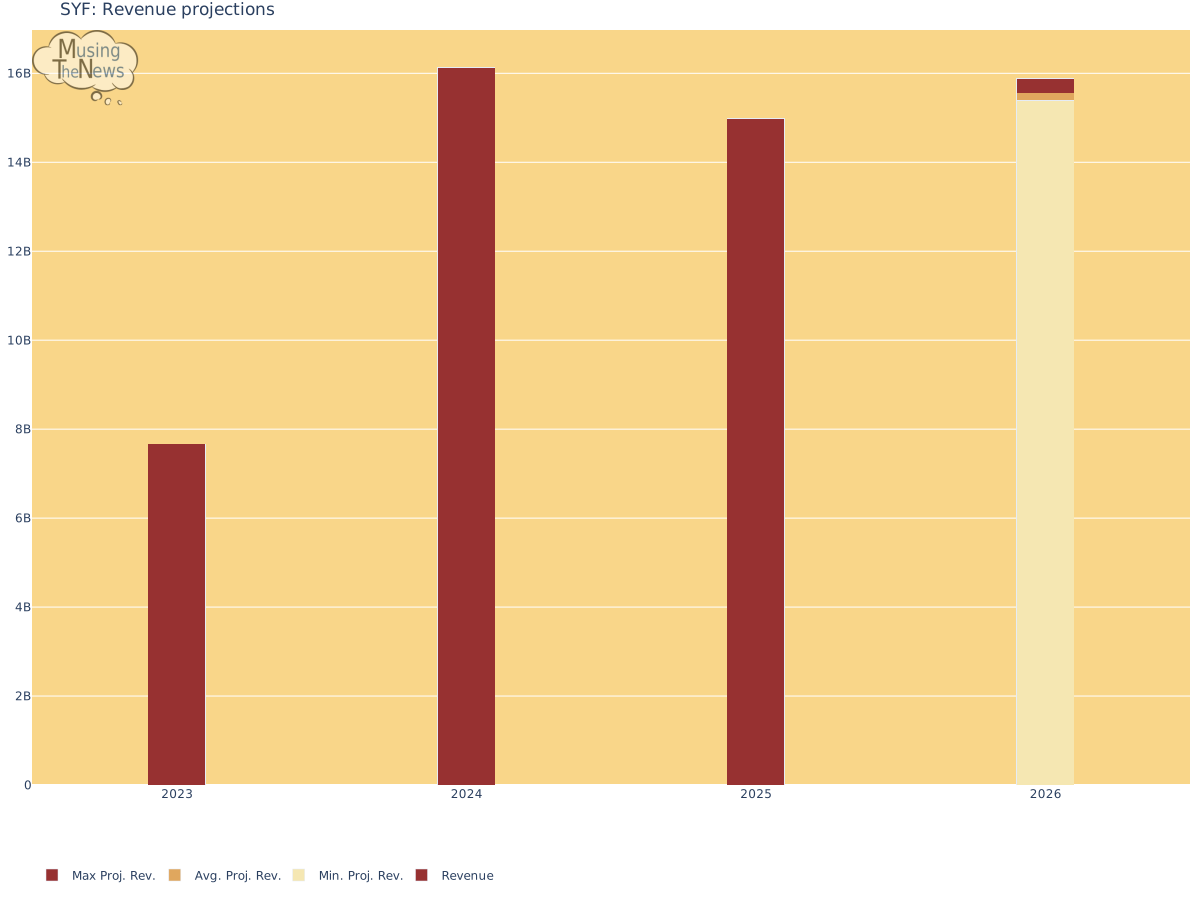
Revenue projections:
Financial Ratios:
| currentRatio | 0.000000 |
|---|---|
| forwardPE | 7.071856 |
| debtToEquity | 0.000000 |
| earningsGrowth | 0.036000 |
| revenueGrowth | 0.006000 |
| grossMargins | 0.000000 |
| operatingMargins | 0.502190 |
| trailingEps | 9.830000 |
| forwardEps | 10.469670 |
SYF's negative gross and operating margins highlight that the company is incurring losses, unable to generate profit from production or operations. This could be a sign of rising costs or declining revenues, impacting its financial outlook.
Synchrony Financial's forward EPS exceeds its trailing EPS, indicating that the company is projected to be more profitable in the current financial year compared to the previous one. This suggests positive growth and improved earnings, signaling an optimistic outlook for Synchrony Financial's financial performance.
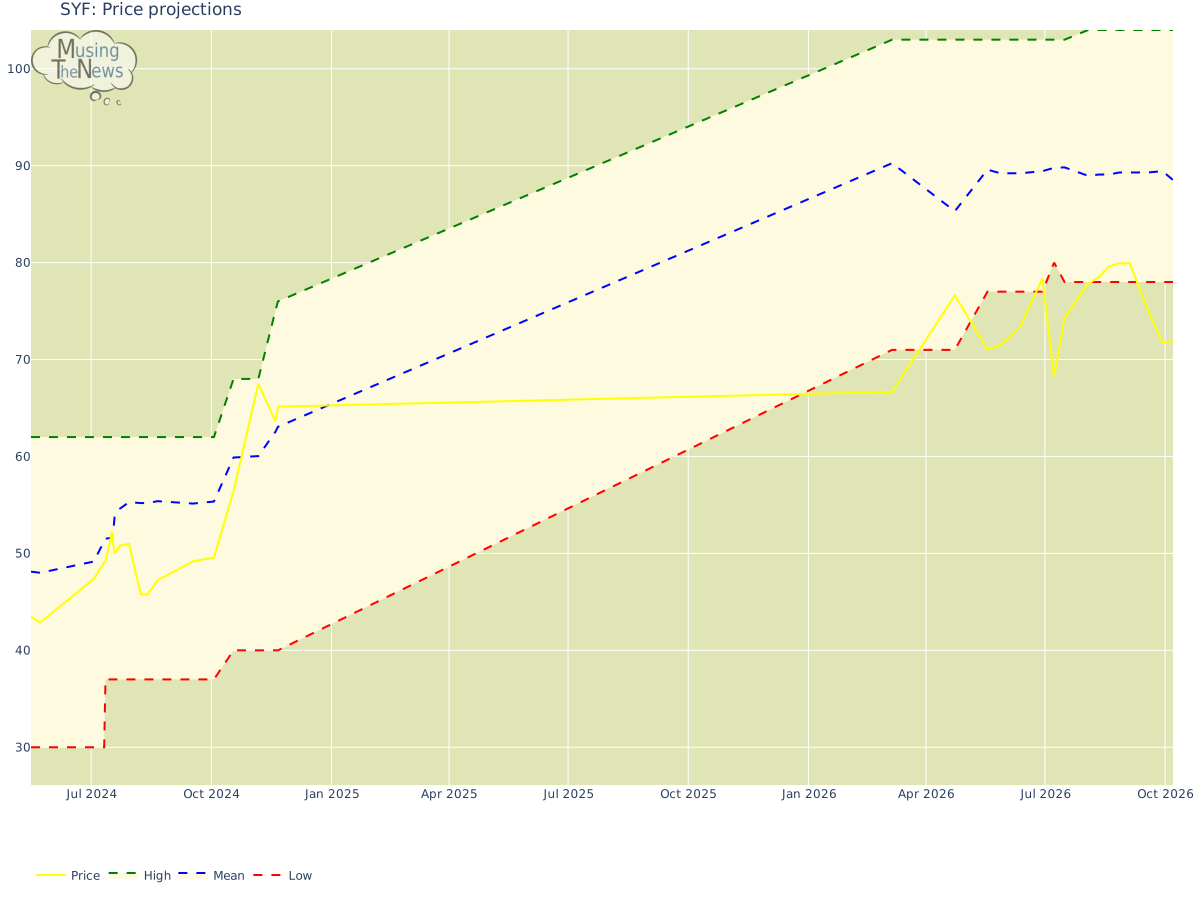
Price projections:
Insider Transactions:
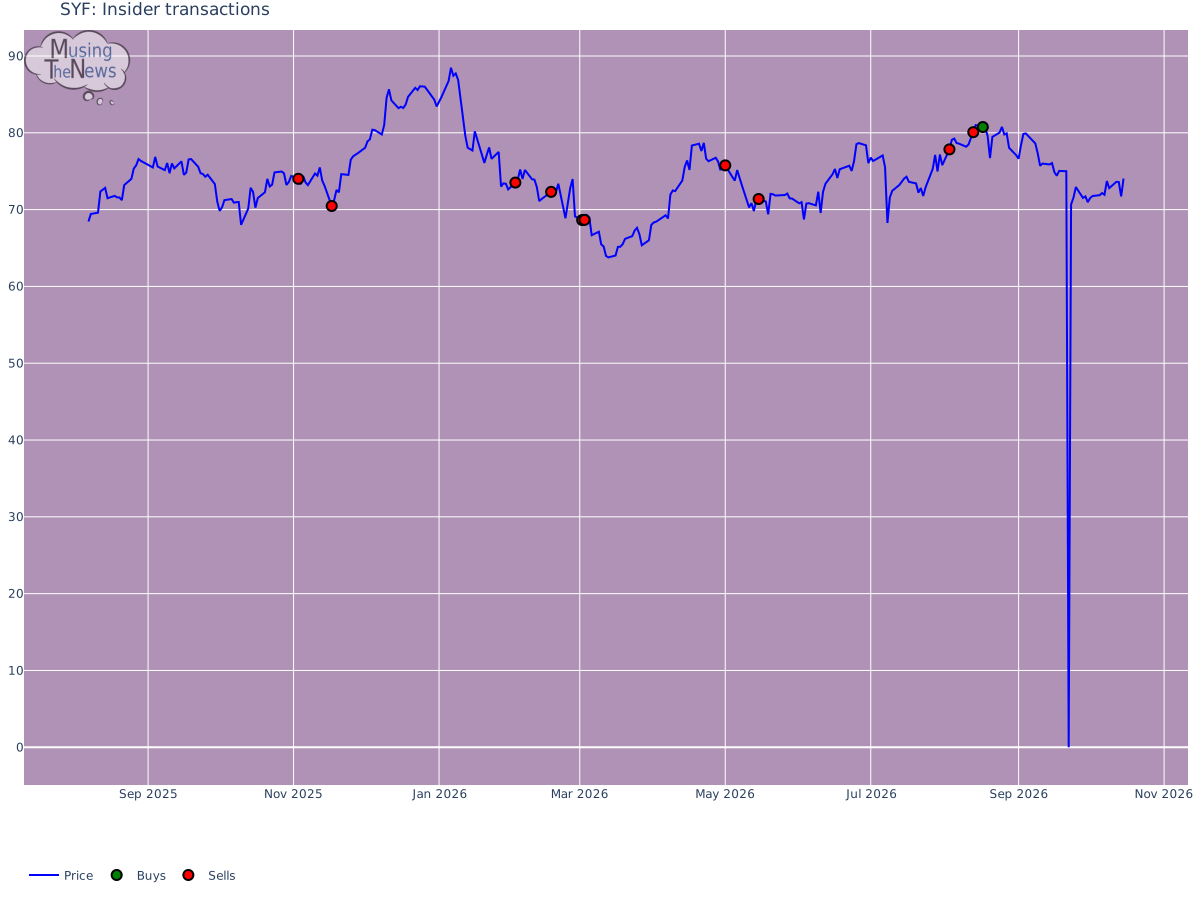
10 SYF stock sales were completed, with market price of 73.26699981689453.1 separate purchases of SYF stock were made, while market price was at 80.75 per share.SYF's current price levels have seen more selling than buying, which may indicate potential for further decline. If this trend continues, the stock could experience additional price drops, as selling pressure grows.
Recommendation changes over time:
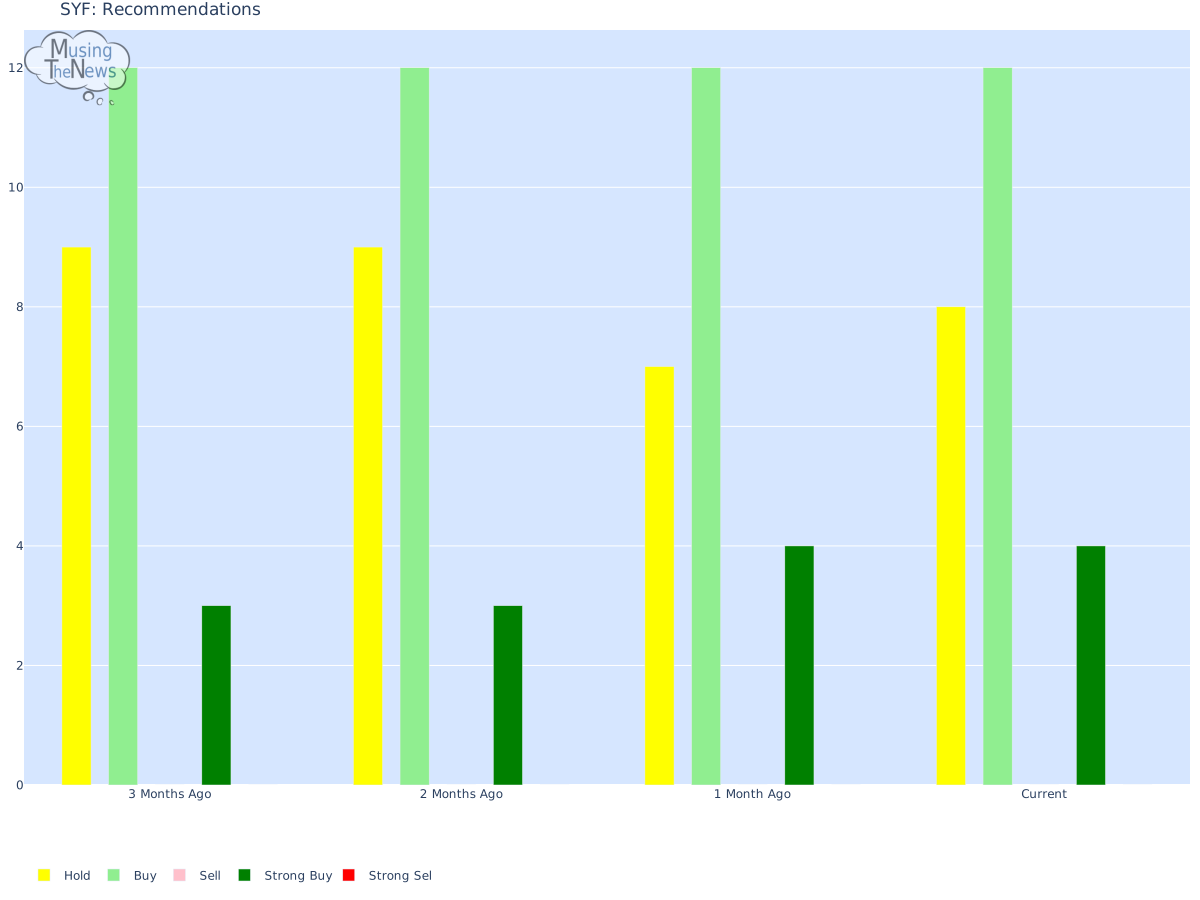
Analysts' recent buy bias toward SYF suggests the stock is gaining favor as a strong investment choice. This optimism could drive more investors to see SYF as a smart place to invest, further bolstering confidence in the company's long-term growth and potential returns.