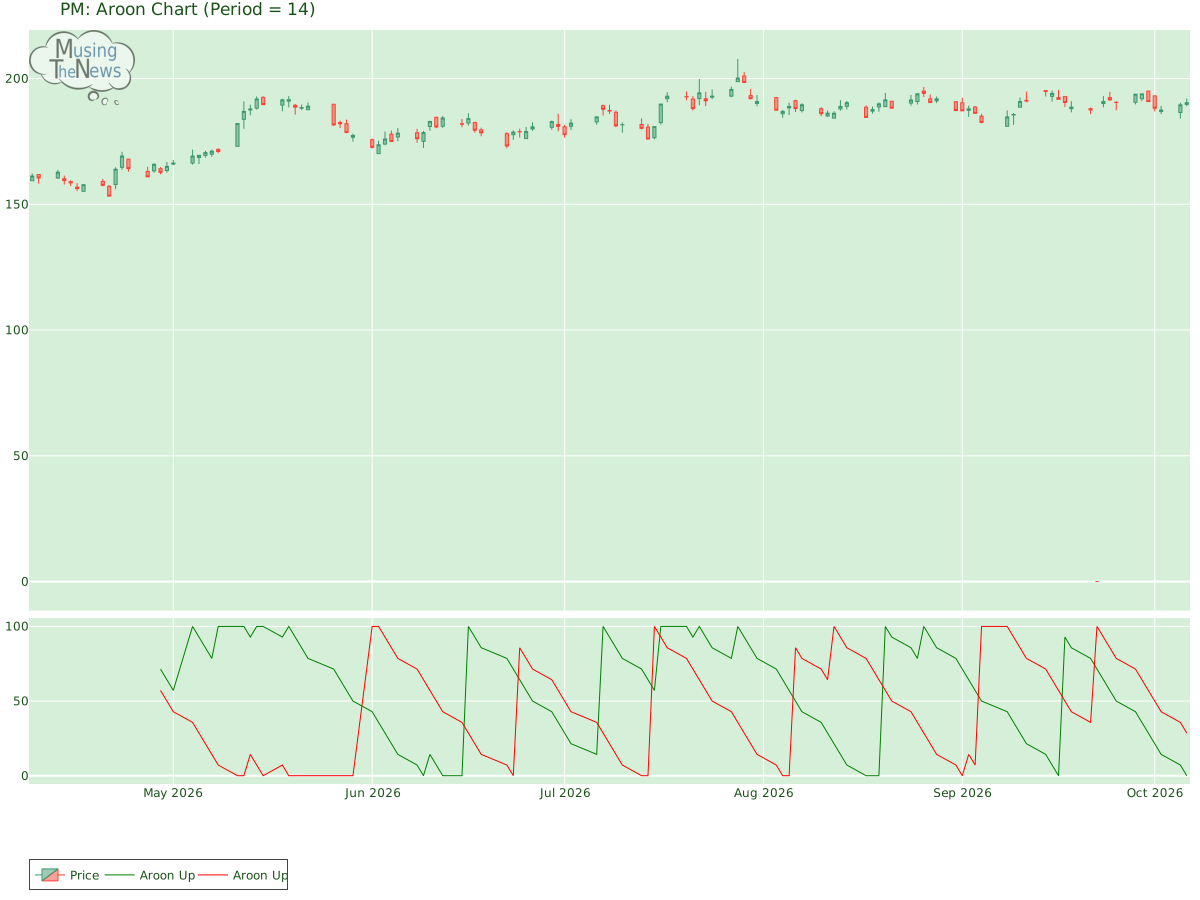
The AROON is in a neutral stance, with no clear signals for movement up or down. This neutral position indicates a potential period of consolidation or uncertainty in the m...
By MusingTheNews
Updated 2026-10-07 23:26:46
Overall Technical outlook
Price Summary
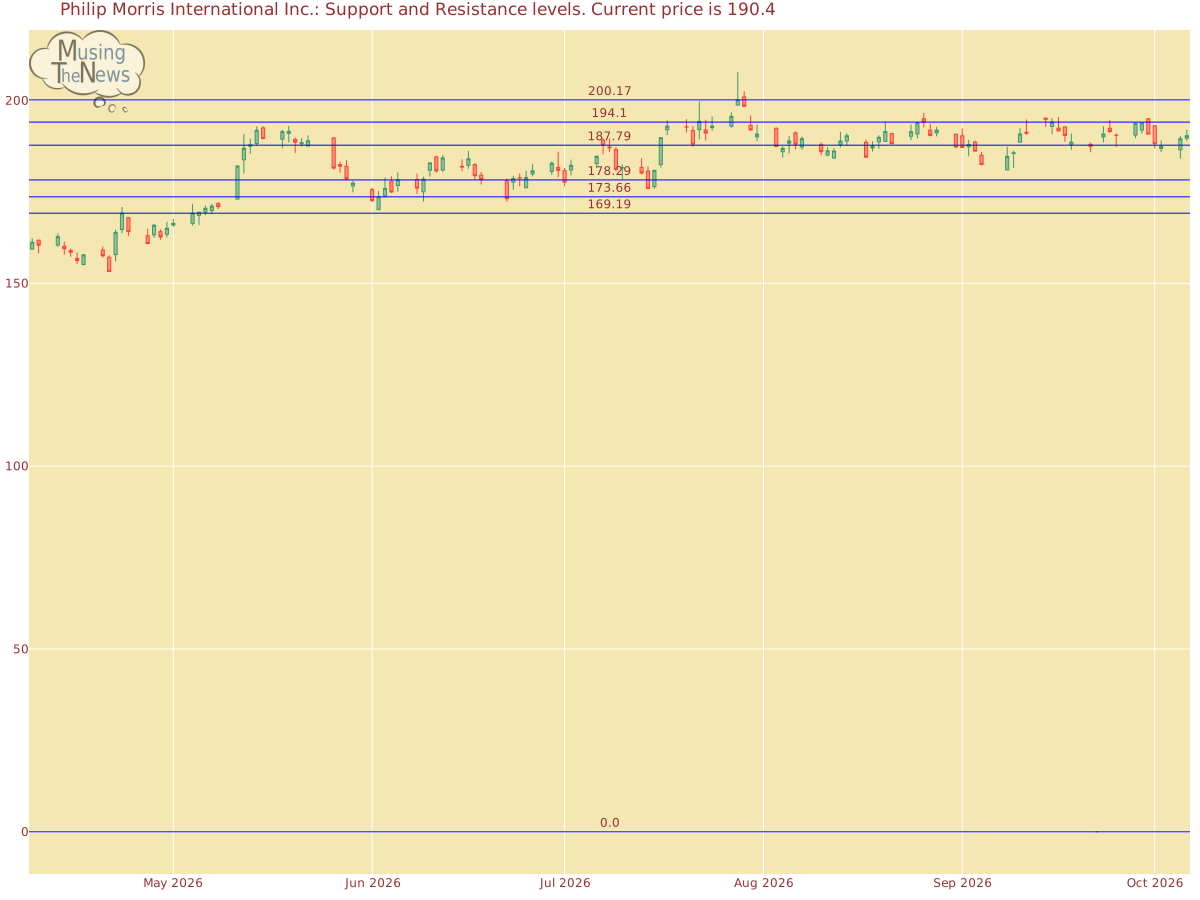
On 2026-10-06, Philip Morris International Inc.'s stock opened at 189.71, reached a high of 192.05, dropped to a low of 189.01, and closed higher 0.36% at 190.4, with a trading volume of 4237200 shares. In the last 52 weeks, the stock's top price was 200.17 and the bottom price was 0.0.
Technicals
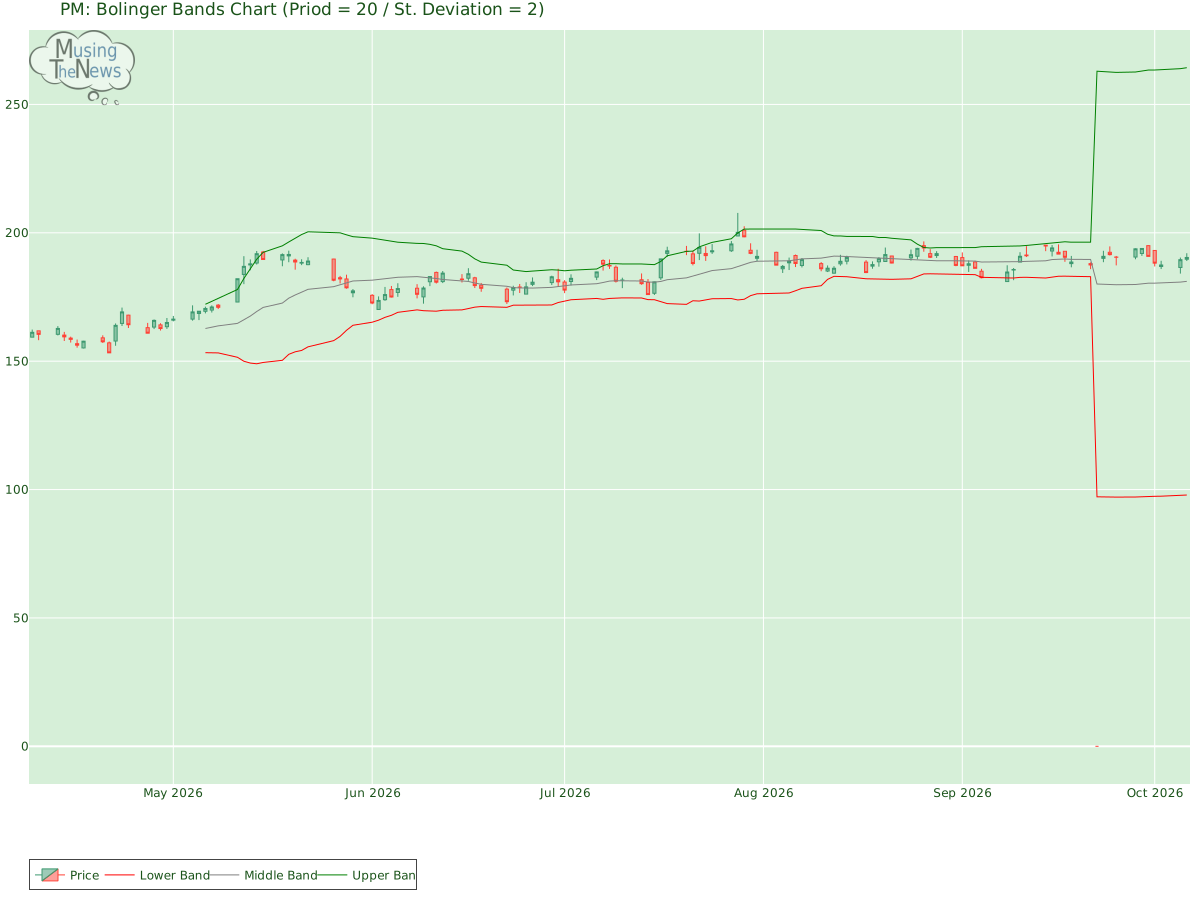
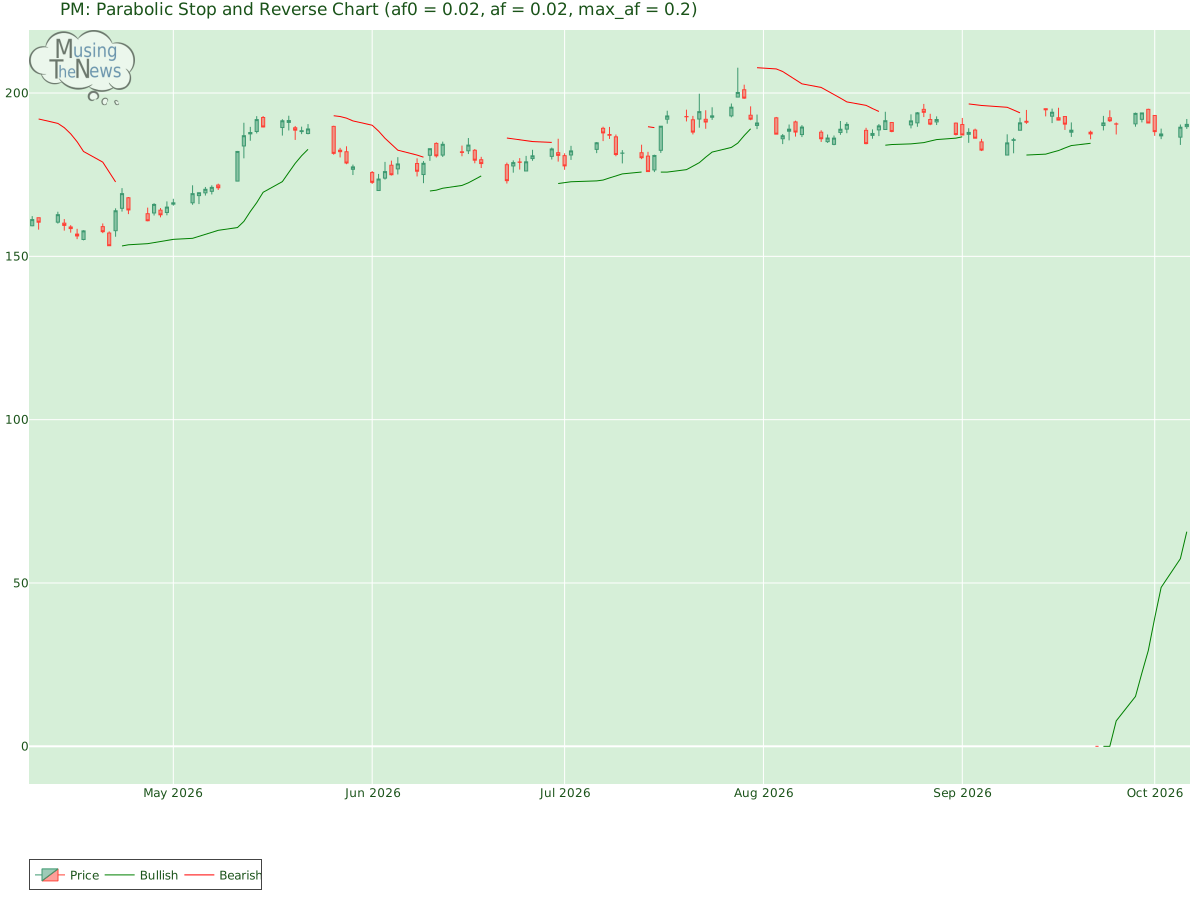
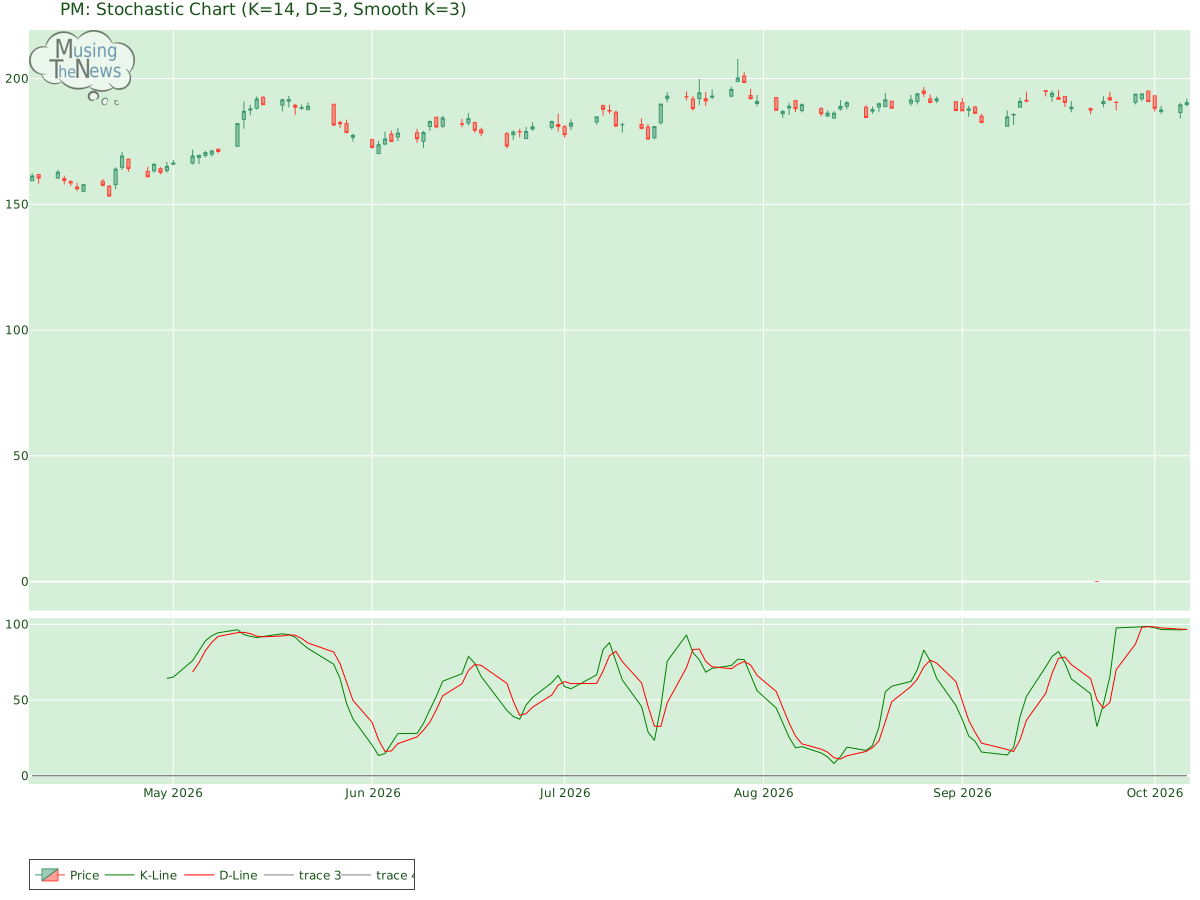
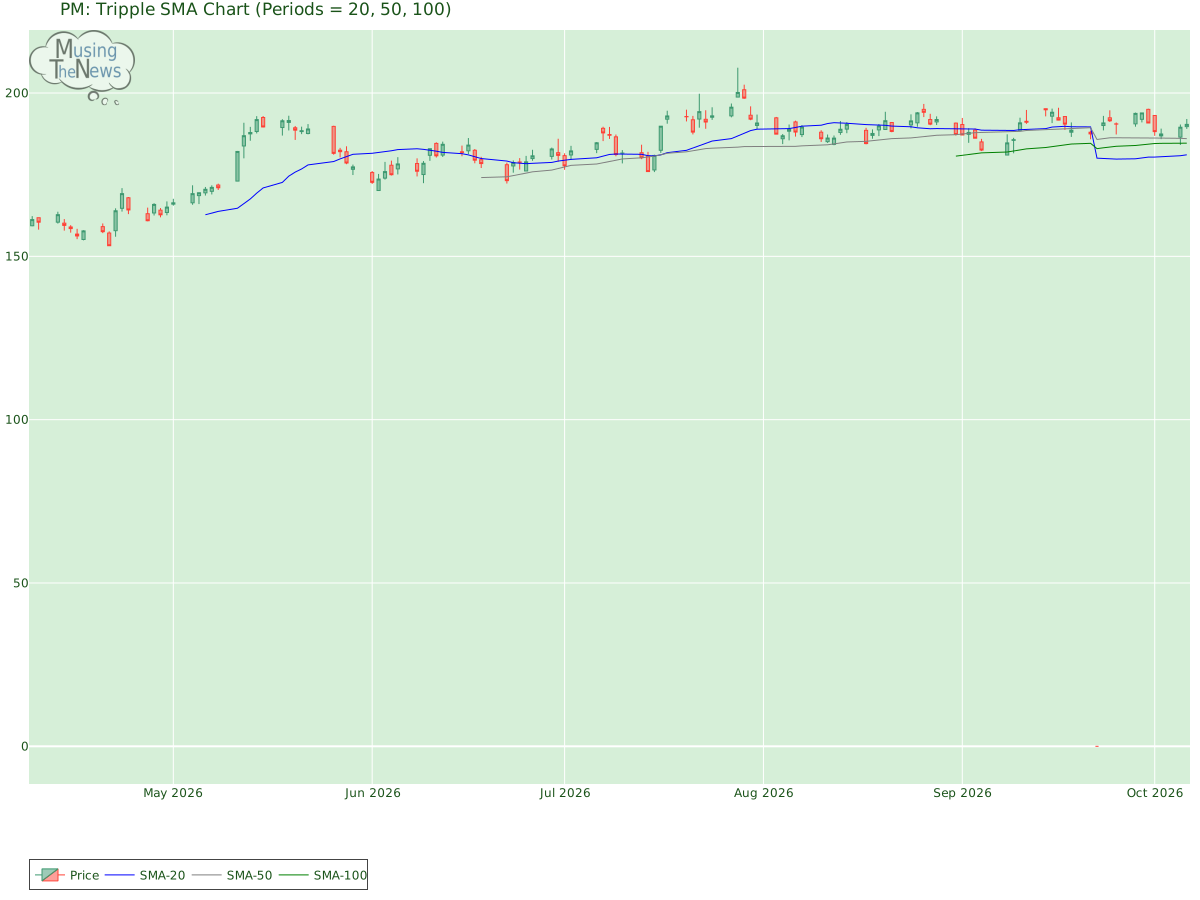
Support and Resistance: The price of 190.4 is supported at 187.79 and capped by resistance at 194.1. These levels mark key points for Philip Morris International Inc. where the price could find stability, with 187.79 as a floor and 194.1 as a ceiling.Support/Resistance for PMAroon: The AROON is in a neutral stance, with no clear signals for movement up or down. This neutral position indicates a potential period of consolidation or uncertainty in the market.Aroon chart for Philip Morris International Inc.Bol. Bands: The current state of the BOLL BANDS is neutral, providing no clear signals for either an upward or downward movement. This indicates that the market may be in a state of equilibrium, with no strong momentum in either direction.Bolinger Bands chart for Philip Morris International Inc.Parabolic SAR: The PSAR remains bullish in its outlook, setting a key support level that could sustain the ongoing upward trend. This strong support indicates that the market may continue to rise, with the bullish momentum likely to persist for PM.Parabolic Stop and Reverse chart for Philip Morris International Inc.Stochastic: The stochastic indicator is in a bullish phase, with the K-line positioned above the D-line and the 80 threshold. This alignment suggests strong upward momentum for PM, indicating that the market may continue to trend higher. Traders might see this as a positive signal for sustained strength.Stochastic chart for Philip Morris International Inc.Tripple Moving Agerage: The Tripple MOVING AVG is currently in a neutral position, offering no clear indication of movement up or down. This suggests that the market may be experiencing a period of equilibrium, with no strong trend in play.Tripple SMA chart for Philip Morris International Inc. Before focusing on a company's technical data, such as stock price movements, it's essential to analyze its fundamentals. These include factors like profitability, cash flow, and debt management. Additionally, considering the broader industry landscape—including market trends, competition, and regulatory changes—offers deeper insights. This comprehensive approach allows for a more meaningful interpretation of the company's technical indicators, providing a clearer picture of its financial health and future prospects.