Fundamentals for Philip Morris International Inc.
PM's forward EPS surpassing its trailing EPS signals that the company is anticipated to be more profitable this year than last. This growth expectation highlights PM's pote...






Business Operations:
Sector: Consumer DefensiveIndustry: Tobacco
Philip Morris International Inc. operates as a tobacco company. The company offers cigarettes and smoke-free products, including heat-not-burn, e-vapor, and oral nicotine products under the IQOS, VEEV, and ZYN brands; and consumer accessories, such as lighters and matches. It also offers wellness products. The company was incorporated in 1987 and is headquartered in Stamford, Connecticut.
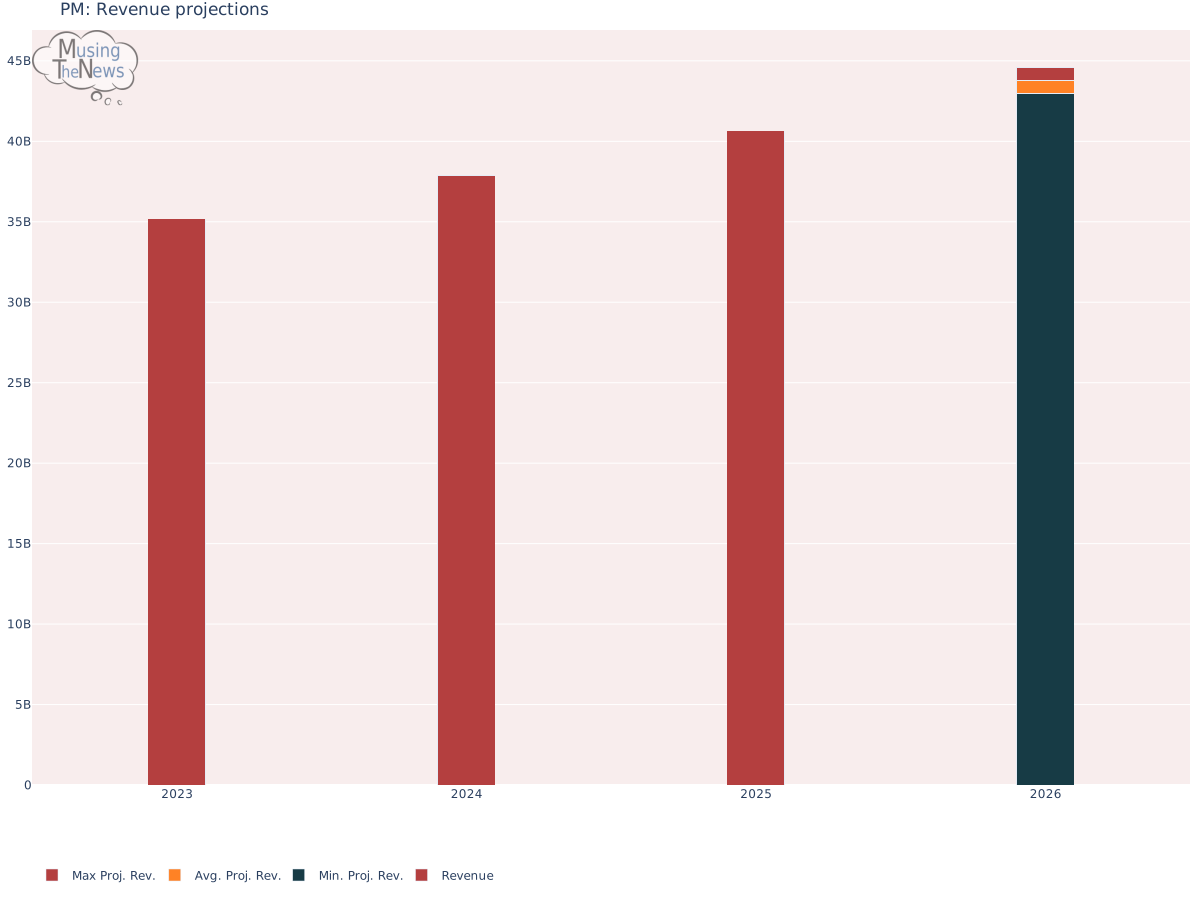
Revenue projections:
Financial Ratios:
| currentRatio | 0.98000 |
|---|---|
| forwardPE | 20.39653 |
| debtToEquity | 0.00000 |
| earningsGrowth | -0.07500 |
| revenueGrowth | 0.10400 |
| grossMargins | 0.67481 |
| operatingMargins | 0.40002 |
| trailingEps | 6.96000 |
| forwardEps | 9.19078 |
Philip Morris International Inc.'s Forward PE is within a good range, showing that the stock price compares well to its earnings. This suggests it isn't overpriced and leaves room for growth, making the stock appealing to investors looking for value and growth opportunities.
PM's low earnings and revenue growth suggest shrinking profits. This negative trend could indicate that the company is struggling to maintain its financial performance and may face challenges ahead.
Philip Morris International Inc.'s positive gross and operating margins suggest the company is performing profitably. These margins reflect efficient cost management and strong revenue generation, signaling healthy financial performance and operational effectiveness.
PM's forward EPS surpassing its trailing EPS signals that the company is anticipated to be more profitable this year than last. This growth expectation highlights PM's potential for increased earnings and a stronger financial performance in the upcoming year.
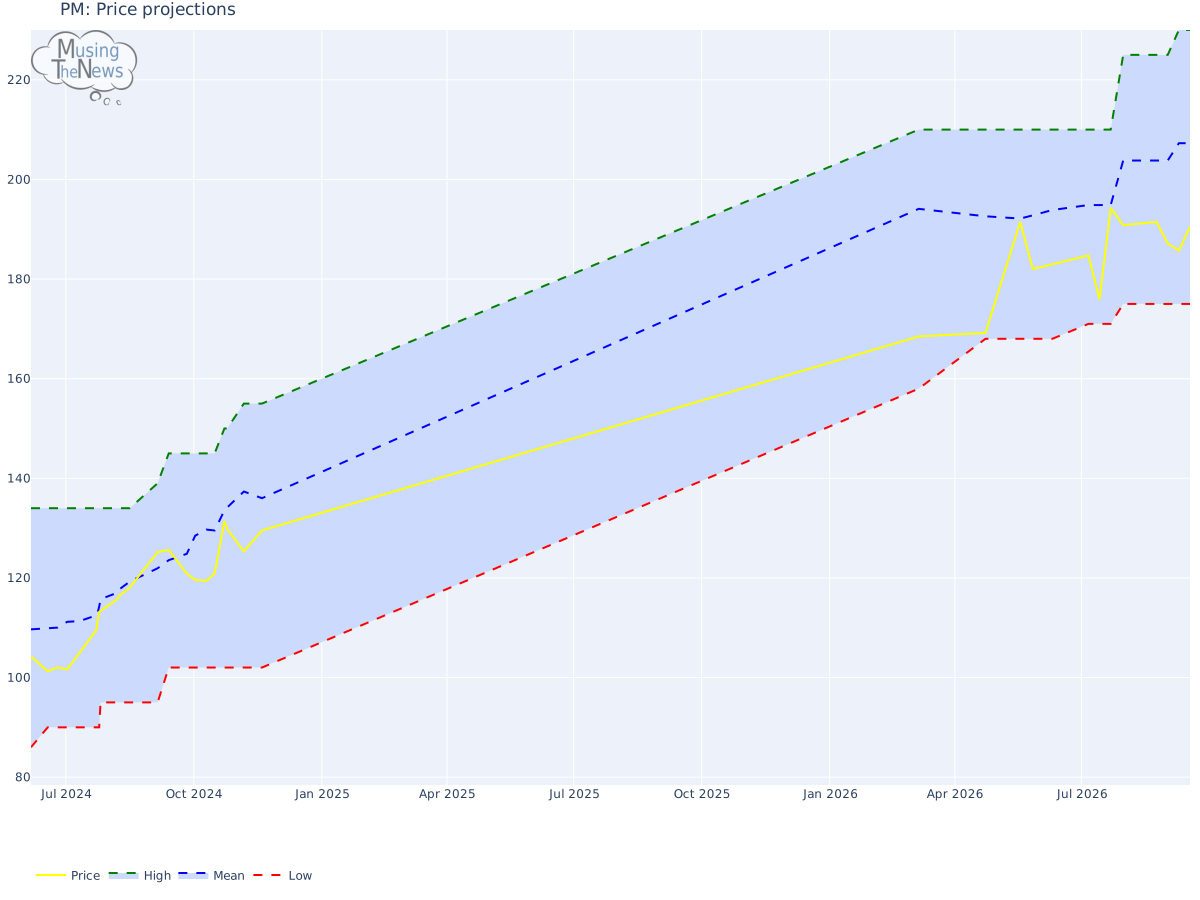
Price projections:
Insider Transactions:
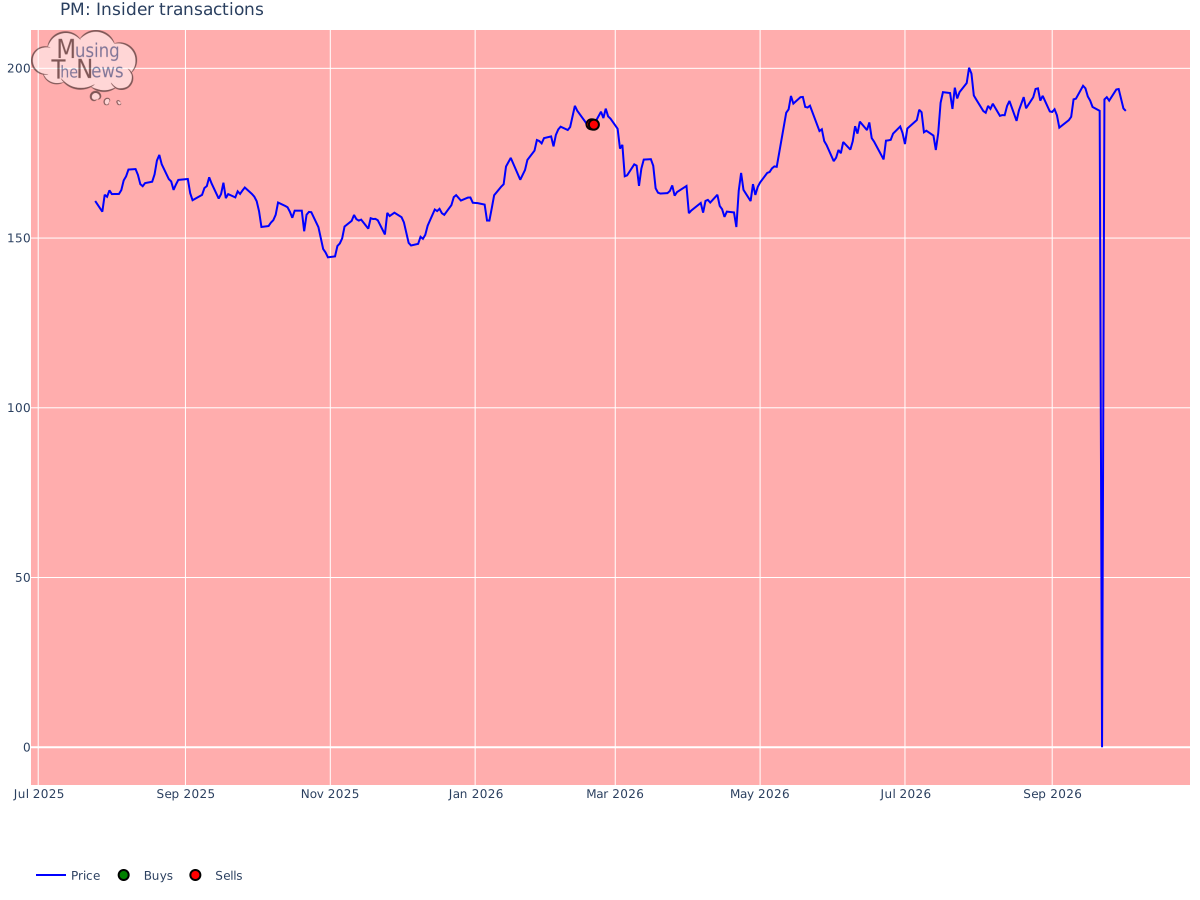
2 transactions were made to sell Philip Morris International Inc. shares, with market price of 183.4499969482422.During the period under review, no sell transactions were recorded.Investors have shown more interest in buying than selling PM at current price levels, which may point to a positive market sentiment. This could indicate that investors are expecting favorable results from the stock in the near future.
Recommendation changes over time:
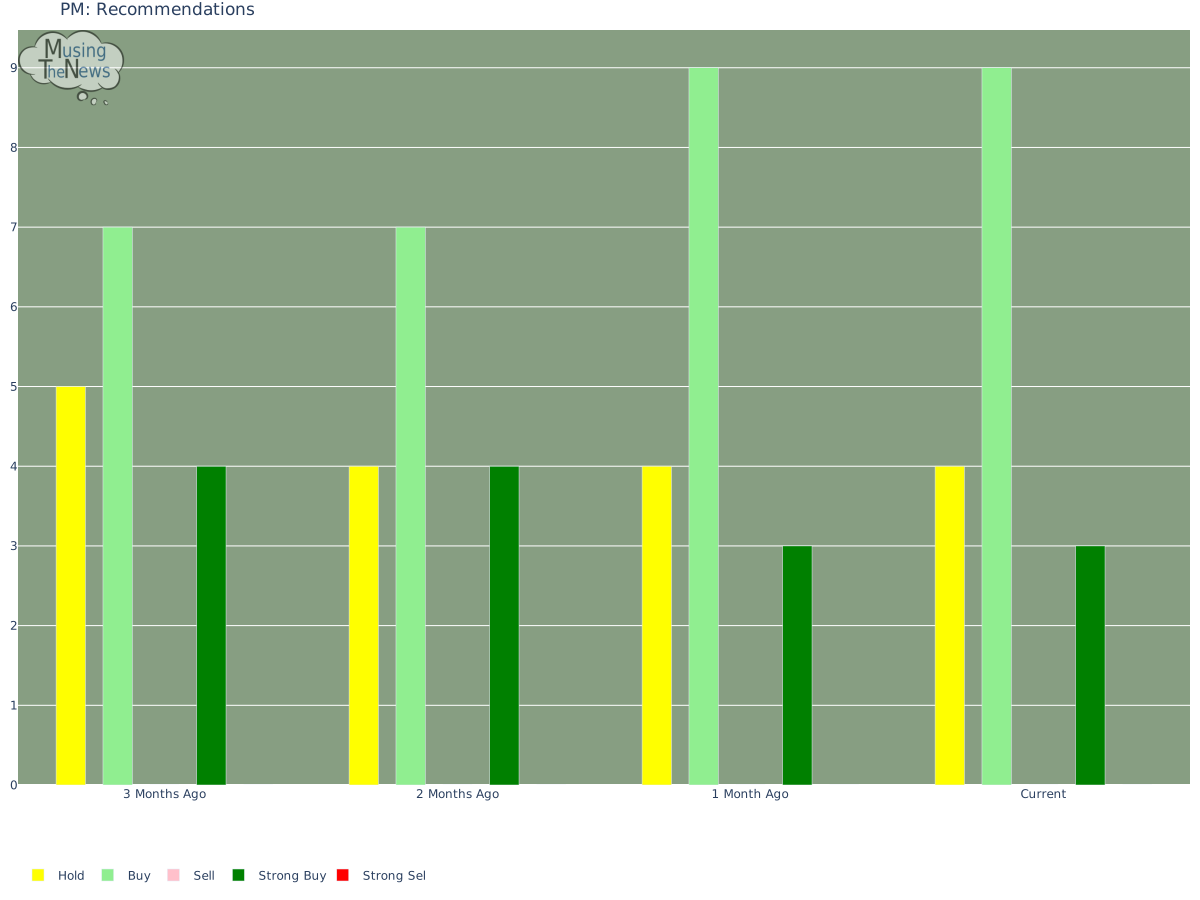
PM has received a favorable buy bias from analysts recently, positioning it as a solid investment opportunity. This sentiment may attract more investors, who view PM as a stable option to park their money and potentially benefit from the company's continued growth and profitability.