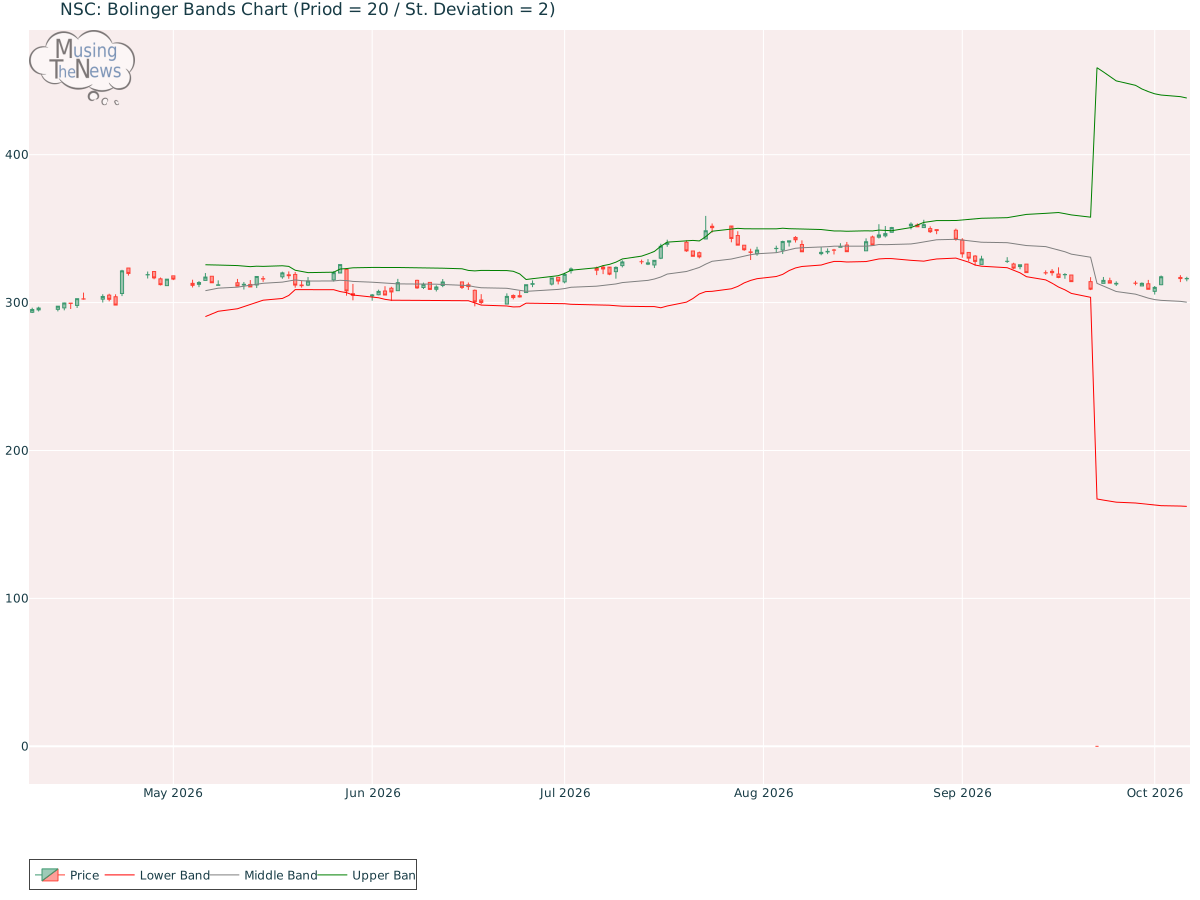
The BOLL BANDS is currently in a neutral position, offering no clear indication of movement up or down. This suggests that the market may be experiencing a period of equili...
By MusingTheNews
Updated 2026-10-07 23:26:41
Overall Technical outlook
Price Summary
On 2026-10-06, Norfolk Southern Corporation's stock opened at 316.08, spiked to 317.45, declined to 314.39, and closed 0.07% up at 316.31, with 414700 shares traded. The stock's highest price in the past 52 weeks is 352.98, while its lowest price during the same period is 0.0.
Technicals
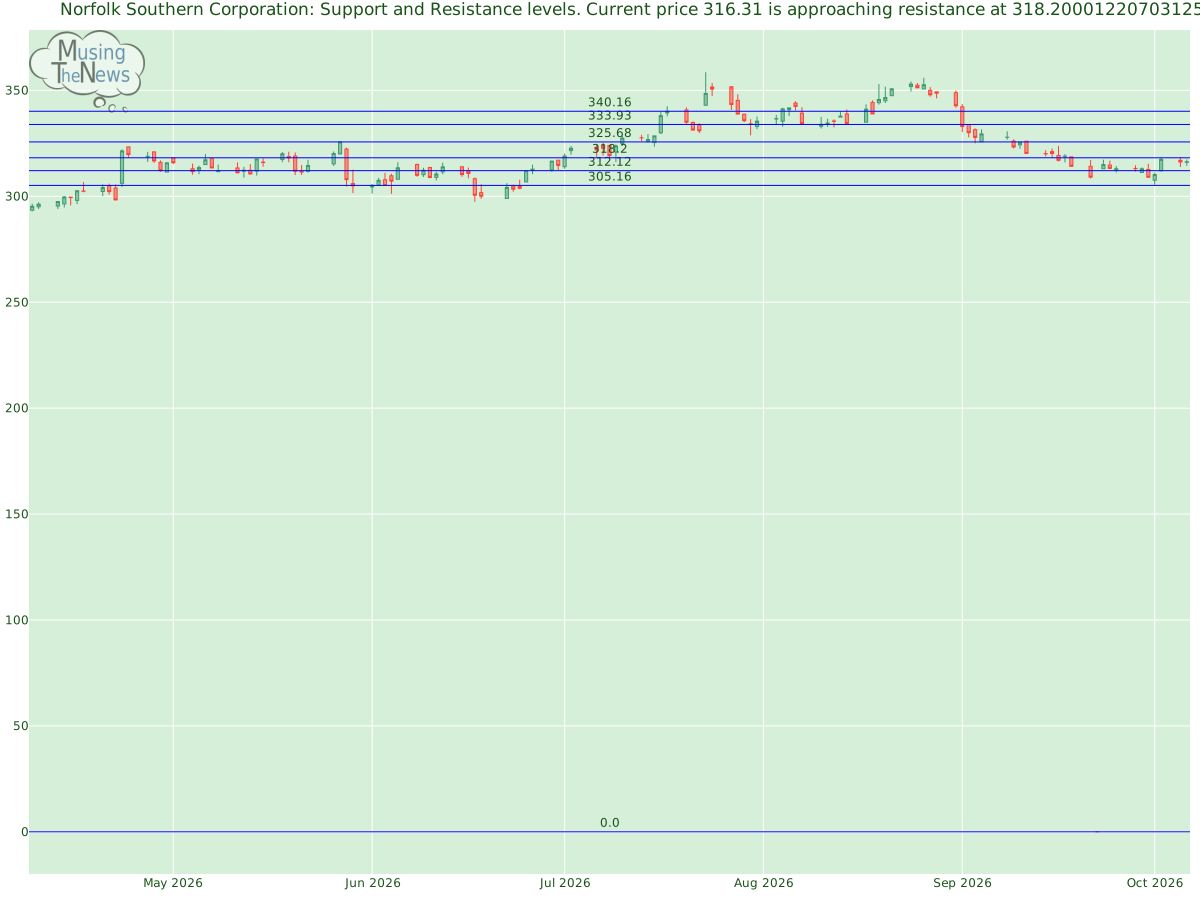
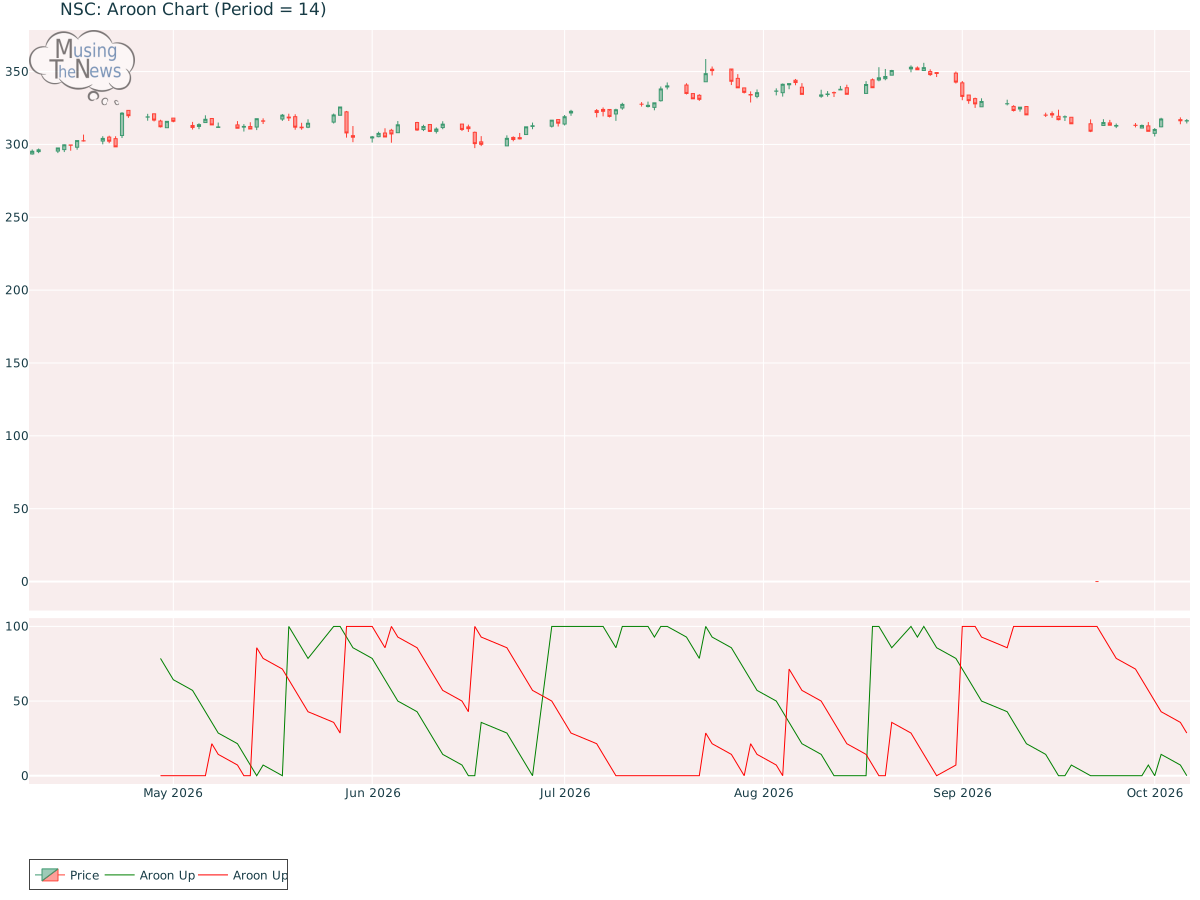
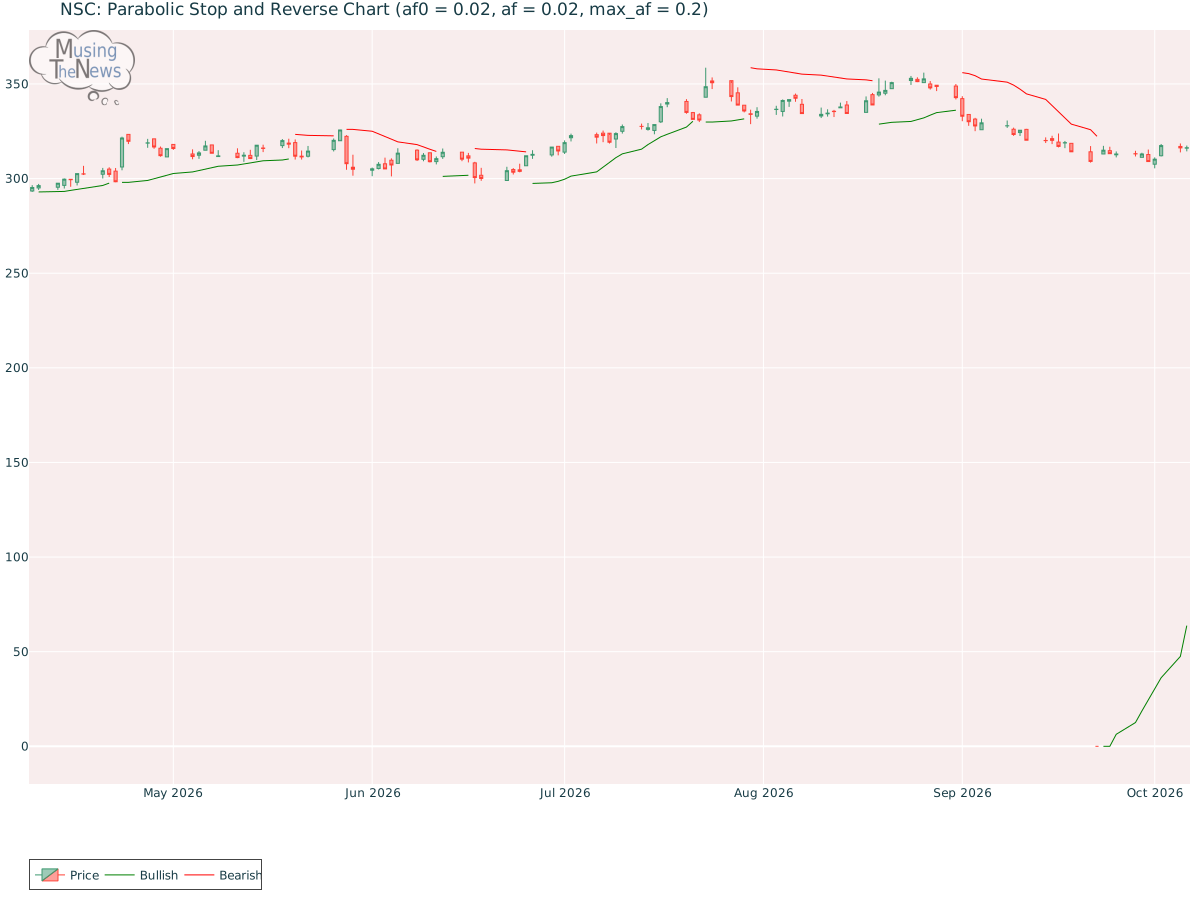
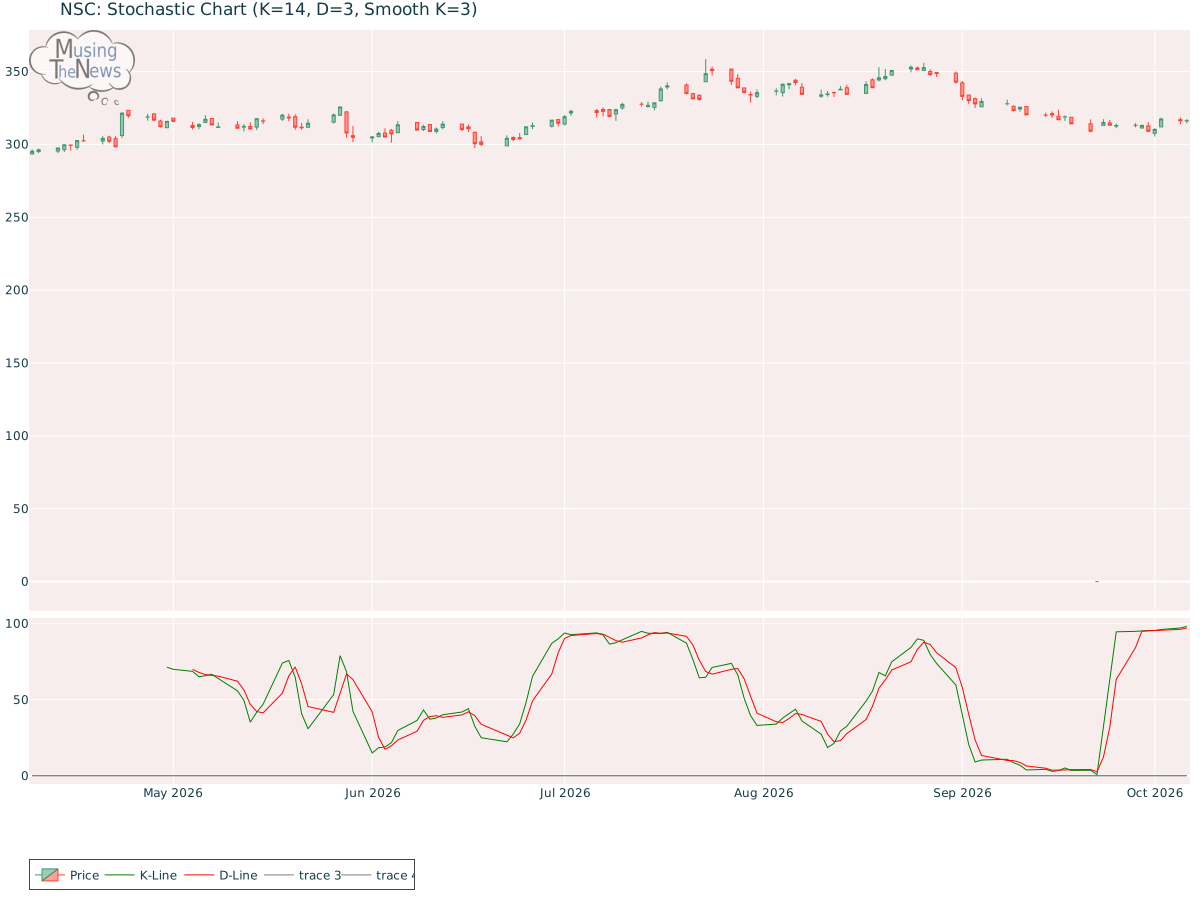
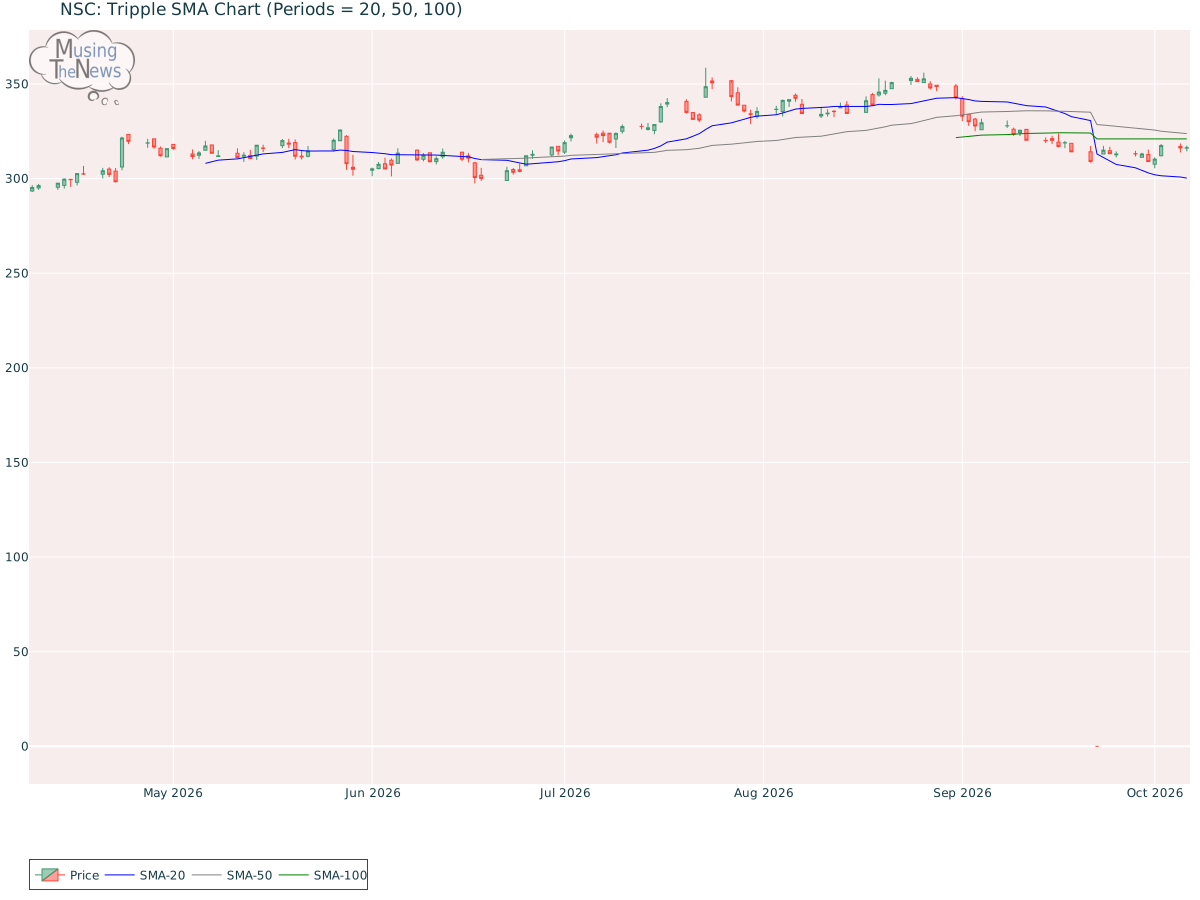
Support and Resistance: The current price of 316.31 for NSC is supported at 312.12 and faces resistance at 318.2. These levels indicate that 312.12 could act as a floor, while 318.2 might limit any further price increases.Support/Resistance for NSCAroon: The AROON is in a neutral stance, with no clear signals for movement up or down. This neutral position indicates a potential period of consolidation or uncertainty in the market.Aroon chart for Norfolk Southern CorporationBol. Bands: The BOLL BANDS is currently in a neutral position, offering no clear indication of movement up or down. This suggests that the market may be experiencing a period of equilibrium, with no strong trend in play.Bolinger Bands chart for Norfolk Southern CorporationParabolic SAR: The PSAR for NSC continues to signal a bullish outlook, establishing a crucial support level that may help sustain the current upward momentum. This level of support suggests that the market is likely to continue trending higher, providing a foundation for ongoing bullish movement.Parabolic Stop and Reverse chart for Norfolk Southern CorporationStochastic: The stochastic indicator signals a bullish outlook, with the K-line above the D-line and the 80 threshold. This configuration points to strong upward momentum, implying that the market may continue to rise. Investors might see this as a positive indication of potential upward movement.Stochastic chart for Norfolk Southern CorporationTripple Moving Agerage: The Tripple MOVING AVG is currently neutral, showing no clear bias toward a rising or falling trend. This lack of directional clarity suggests that the market may be in a holding pattern, awaiting further developments.Tripple SMA chart for Norfolk Southern Corporation Before focusing on technical indicators like stock price and volume, it's important to consider a company's fundamentals. These include financial metrics such as profitability, revenue growth, and debt levels. Furthermore, understanding the industry landscape, including competition and consumer trends, provides essential context. By combining this fundamental analysis with technical data, investors can make more informed decisions and draw deeper conclusions about the company's potential for future growth and success.