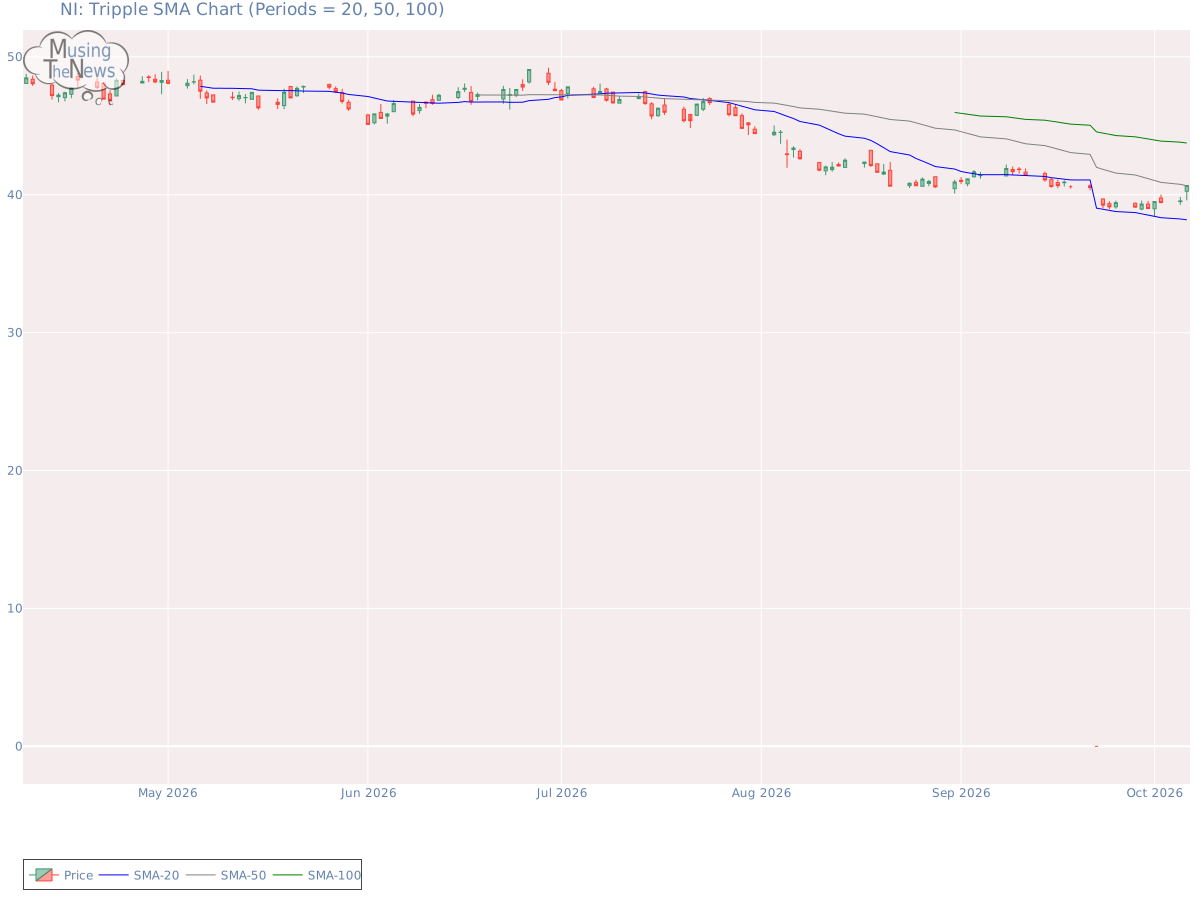
The alignment of the 20-50-100 period moving averages suggests a bullish trend, but the potential for a reversal is hinted at by the slopes of the shorter-term averages. Th...
By MusingTheNews
Updated 2026-10-07 23:26:40
Overall Technical outlook
Price Summary
On 2026-10-06, NiSource Inc.'s stock opened at 40.25, spiked to 40.7, declined to 39.59, and closed 1.04% higher at 40.67, with 6008400 shares traded. The stock's peak price over the last 52 weeks is 49.08, with the lowest being 0.0.
Technicals
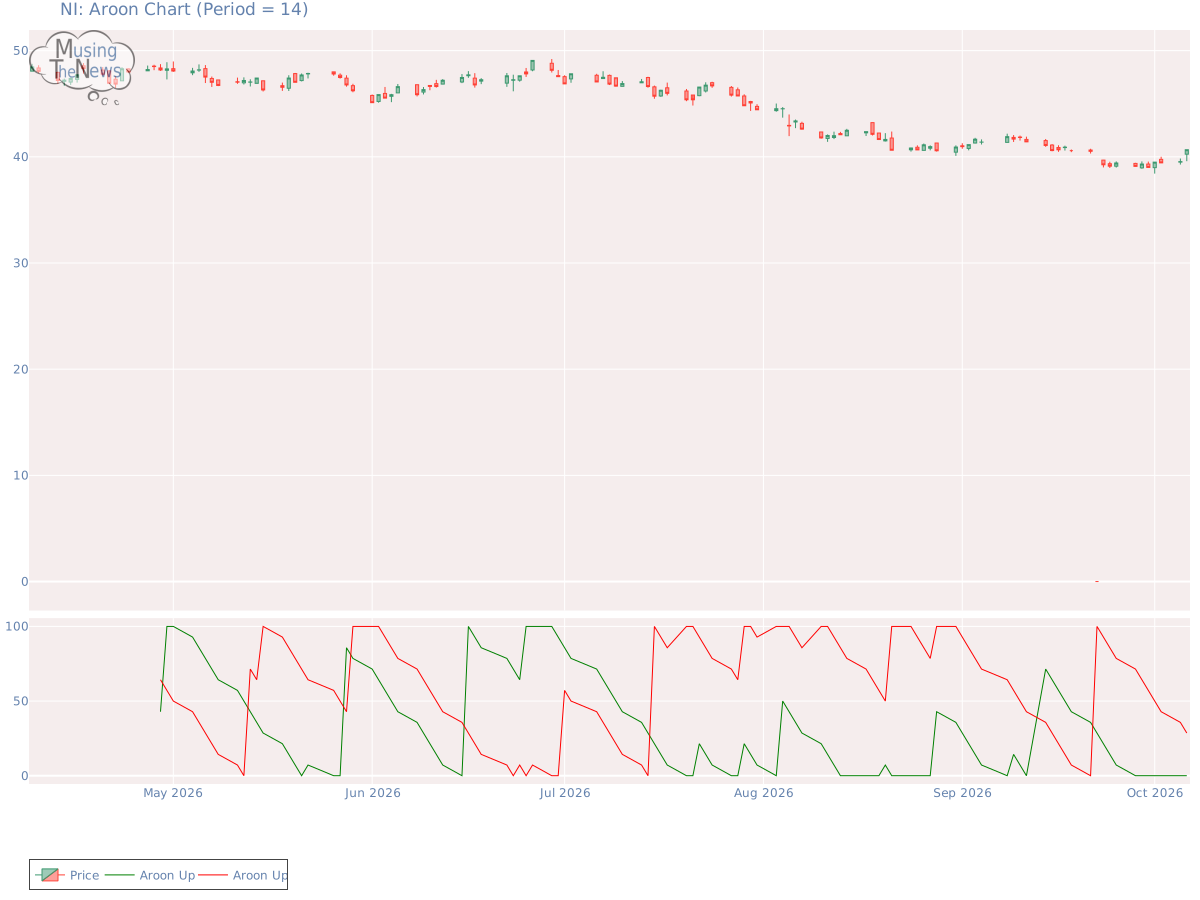
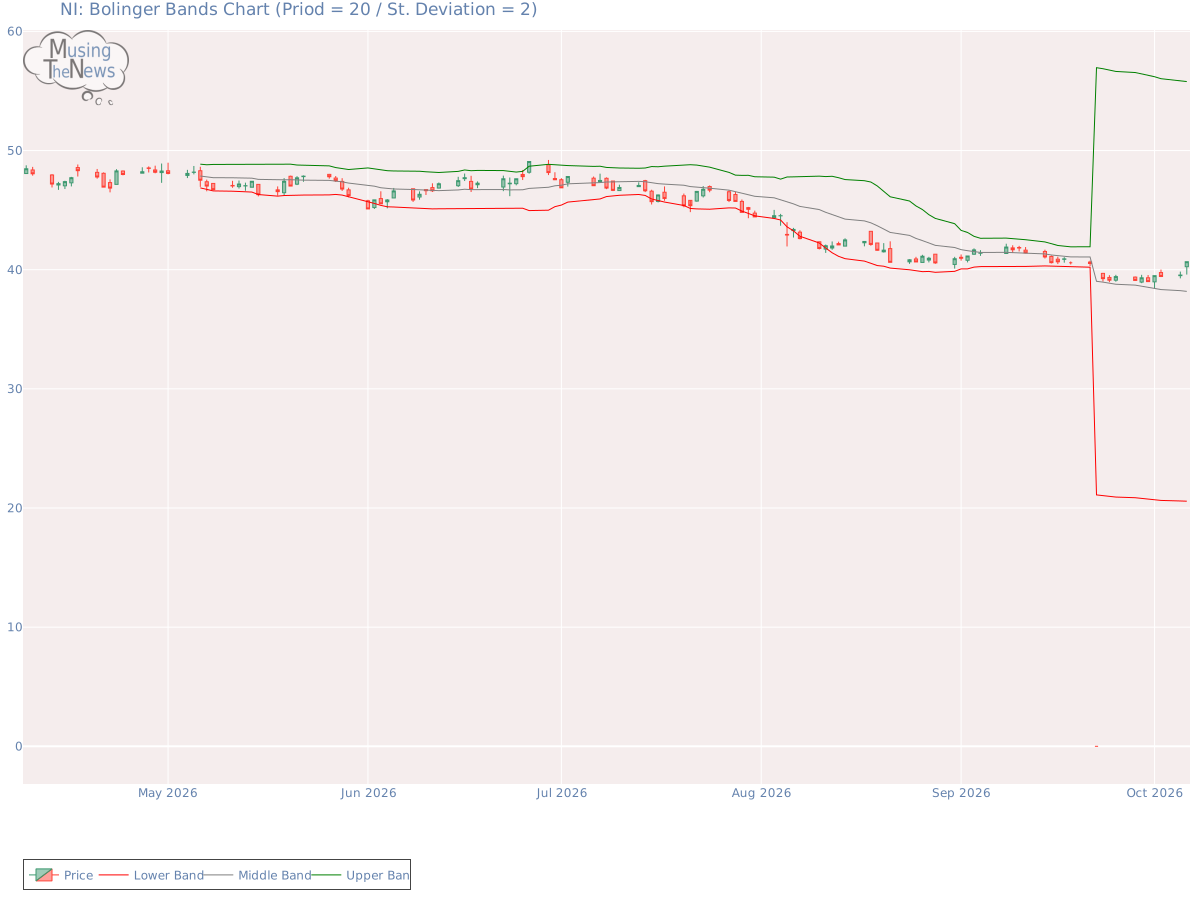
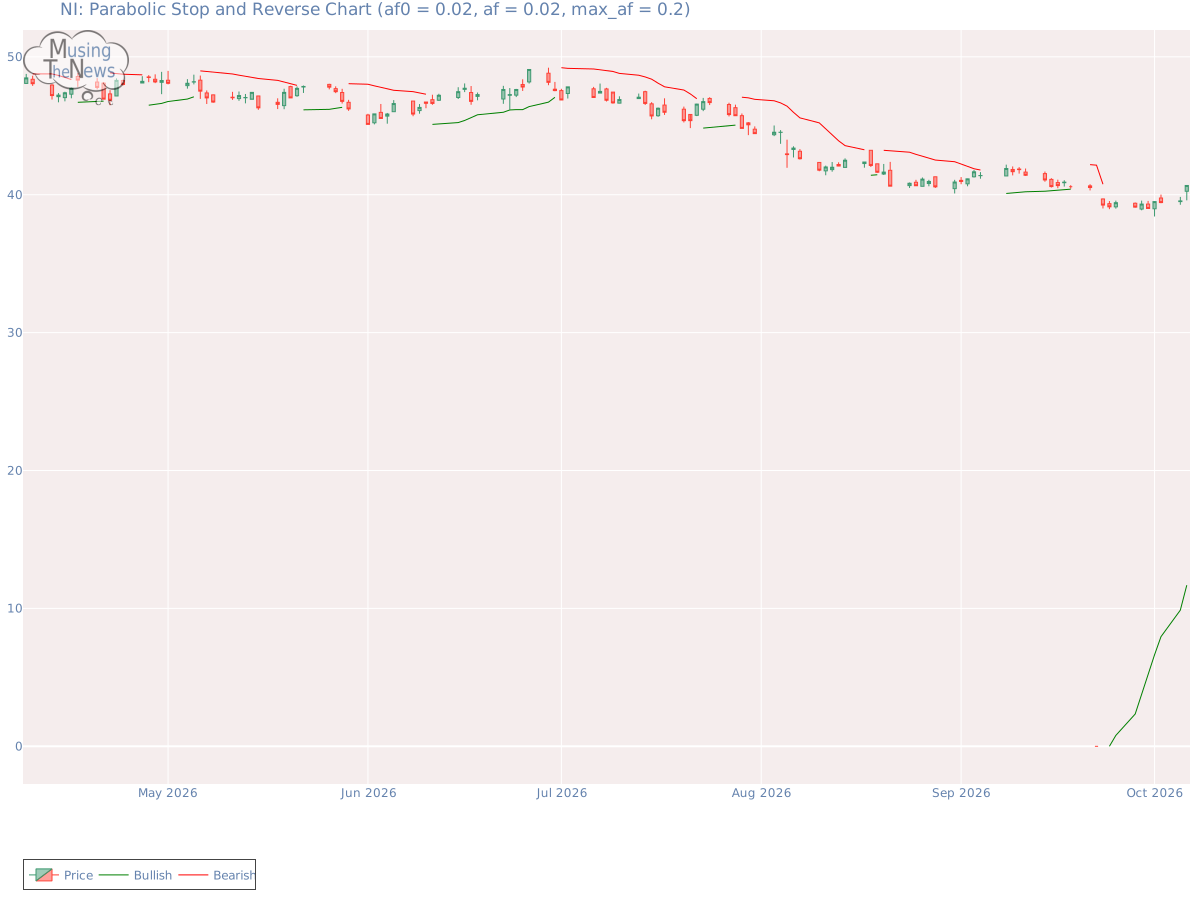
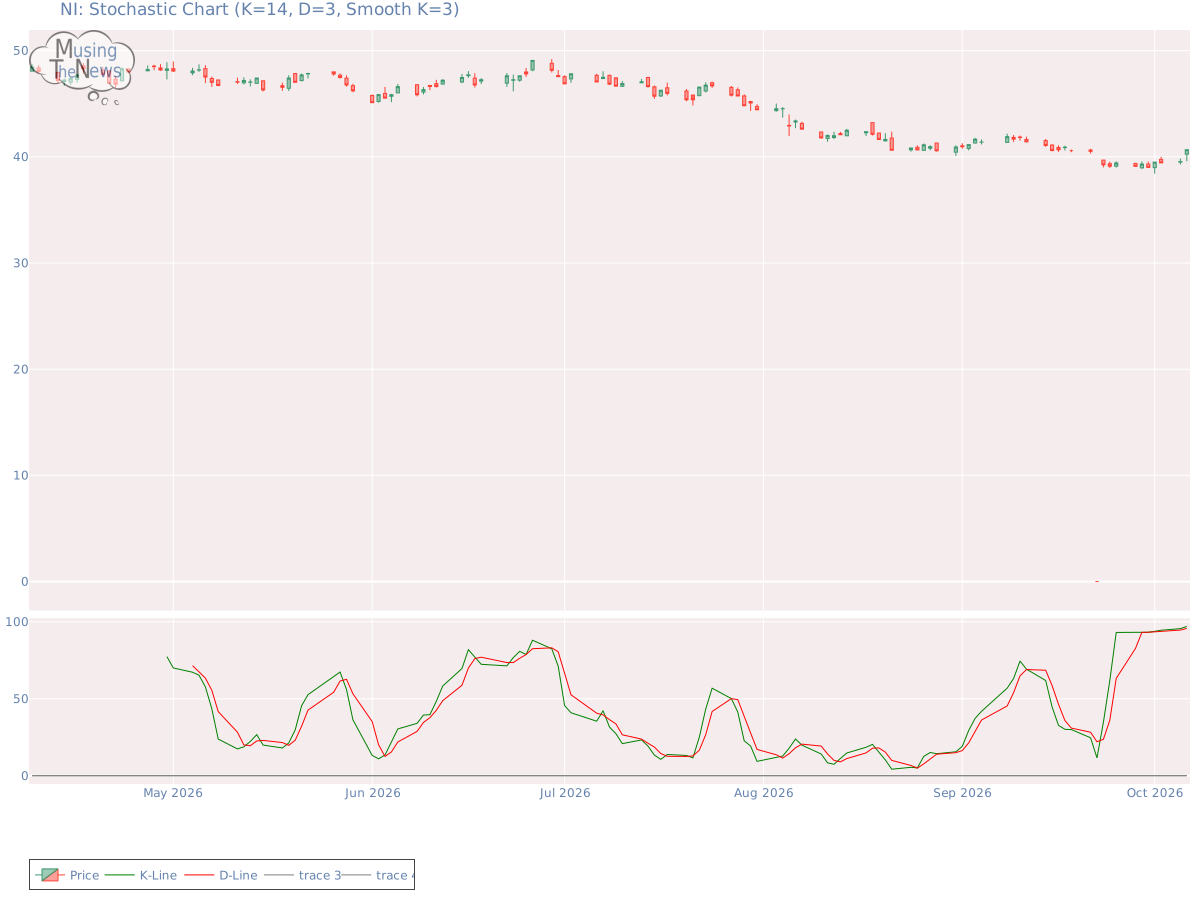
Aroon: The AROON is neutral, showing no definitive signals of a trend either upward or downward. This neutral stance indicates a period of market indecision, where the direction is unclear.Aroon chart for NiSource Inc.Bol. Bands: The BOLL BANDS is showing a neutral stance, with no definitive indication of an upward or downward trend for NI. This neutral position suggests a period of indecision in the market, making it difficult to predict the next move.Bolinger Bands chart for NiSource Inc.Parabolic SAR: The PSAR continues to indicate a bullish outlook, setting a crucial support level. This strong support could bolster the ongoing upward trend, suggesting that the market may remain in a positive trajectory. Investors may view this as a sign of sustained bullish momentum.Parabolic Stop and Reverse chart for NiSource Inc.Stochastic: NI's stochastic indicator reflects a bullish trend, with the K-line positioned above the D-line and surpassing the 80 threshold. This setup suggests strong upward momentum, indicating that the market may continue to rise. Investors could interpret this as a positive signal for further gains.Stochastic chart for NiSource Inc.Tripple Moving Agerage: The alignment of the 20-50-100 period moving averages suggests a bullish trend, but the potential for a reversal is hinted at by the slopes of the shorter-term averages. These faster-moving averages show signs of weakening momentum, indicating that while the overall trend is still upward, a reversal could be approaching.Tripple SMA chart for NiSource Inc. To make the most of a company's technical analysis, it's important to start with an understanding of its fundamentals. These include profitability, cash flow, and competitive positioning. Additionally, the industry in which the company operates plays a critical role, as trends and external factors can influence its market performance. By considering both the company's internal fundamentals and the external industry environment, more meaningful and accurate conclusions can be drawn from the technical data.