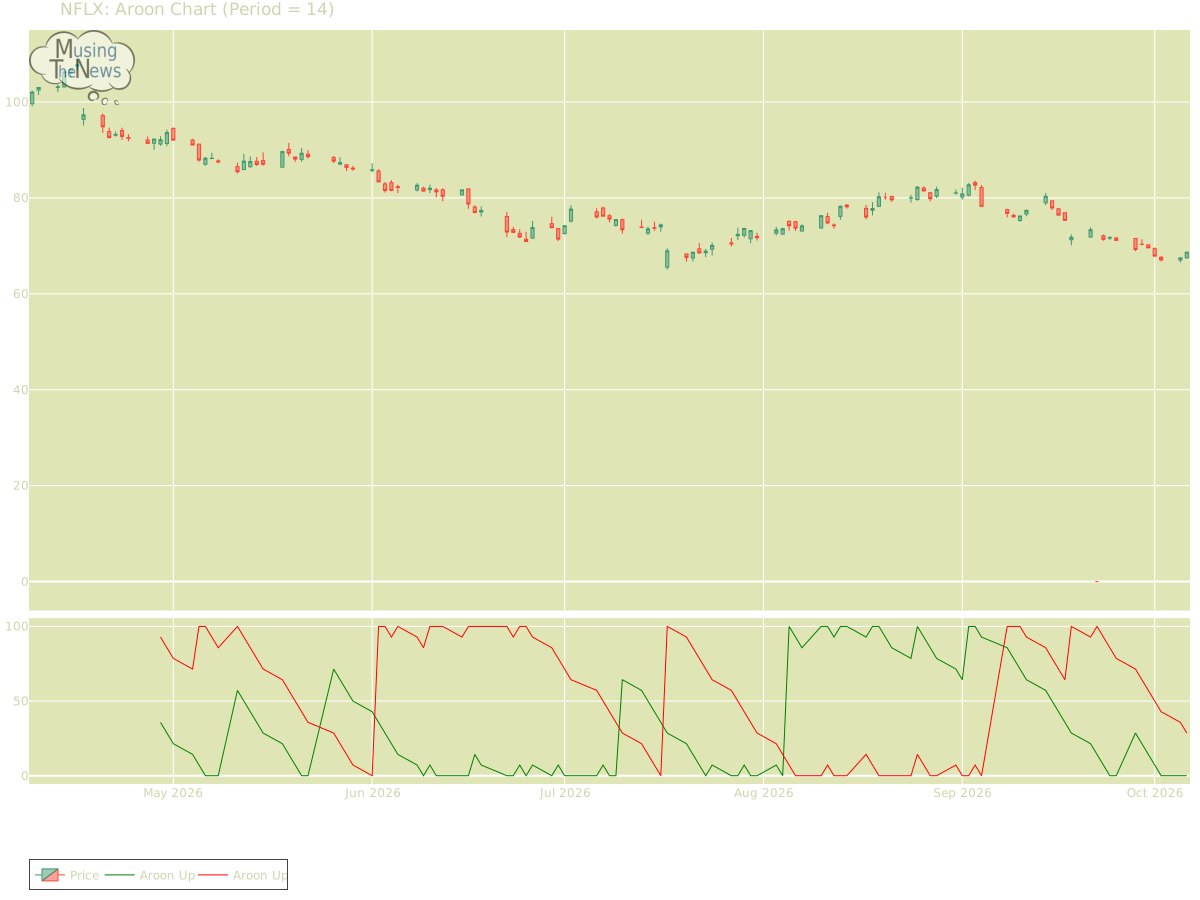
The AROON is currently neutral, showing no clear bias toward an upward or downward trend. This suggests that the market may be in a phase of indecision or consolidation.
By MusingTheNews
Updated 2026-10-07 23:26:40
Overall Technical outlook
Price Summary
Netflix, Inc.'s stock opened at 67.51 on 2026-10-06, surged to 68.78, hit a low of 67.31, and closed up 1.75% at 68.69, with 35052500 shares traded. The stock's highest price over the 52-week span is 124.14, while the lowest price is 0.0.
Technicals
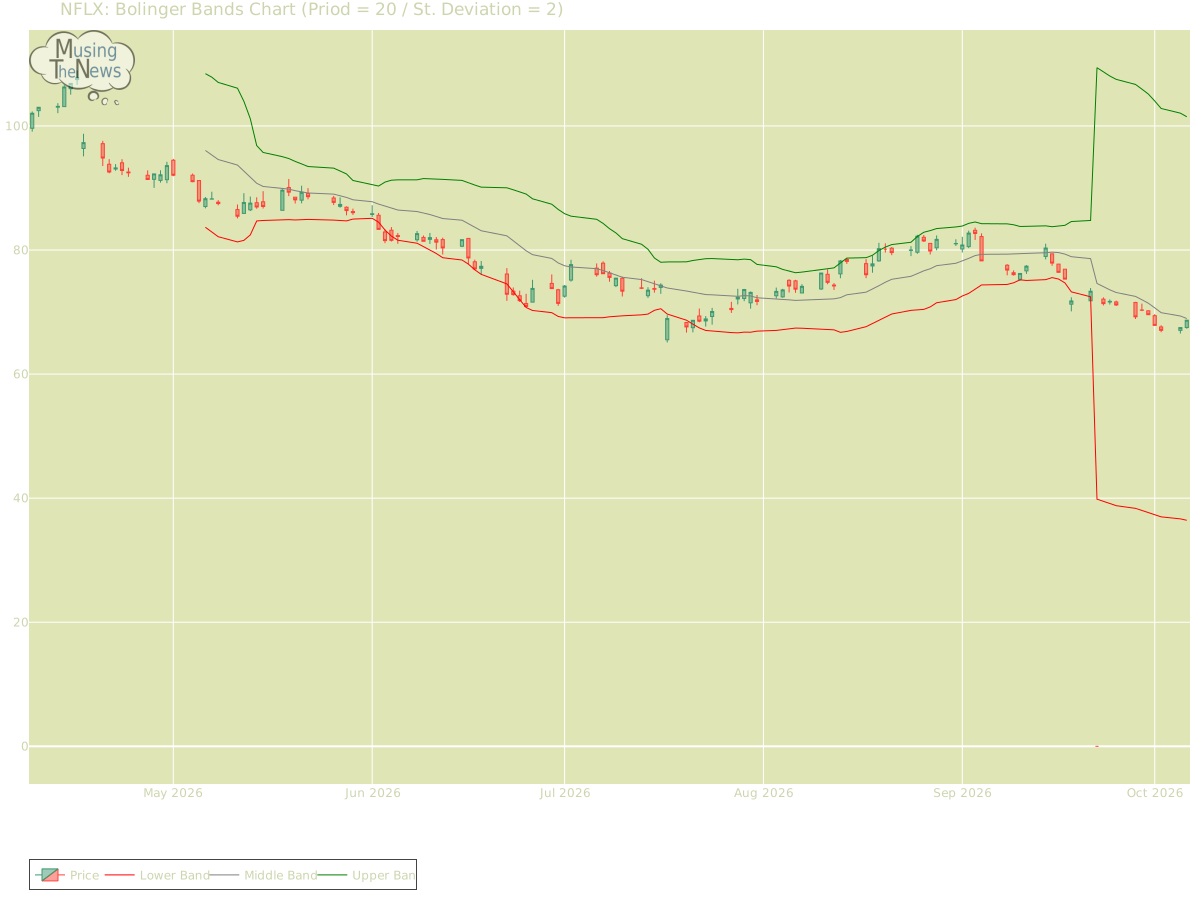
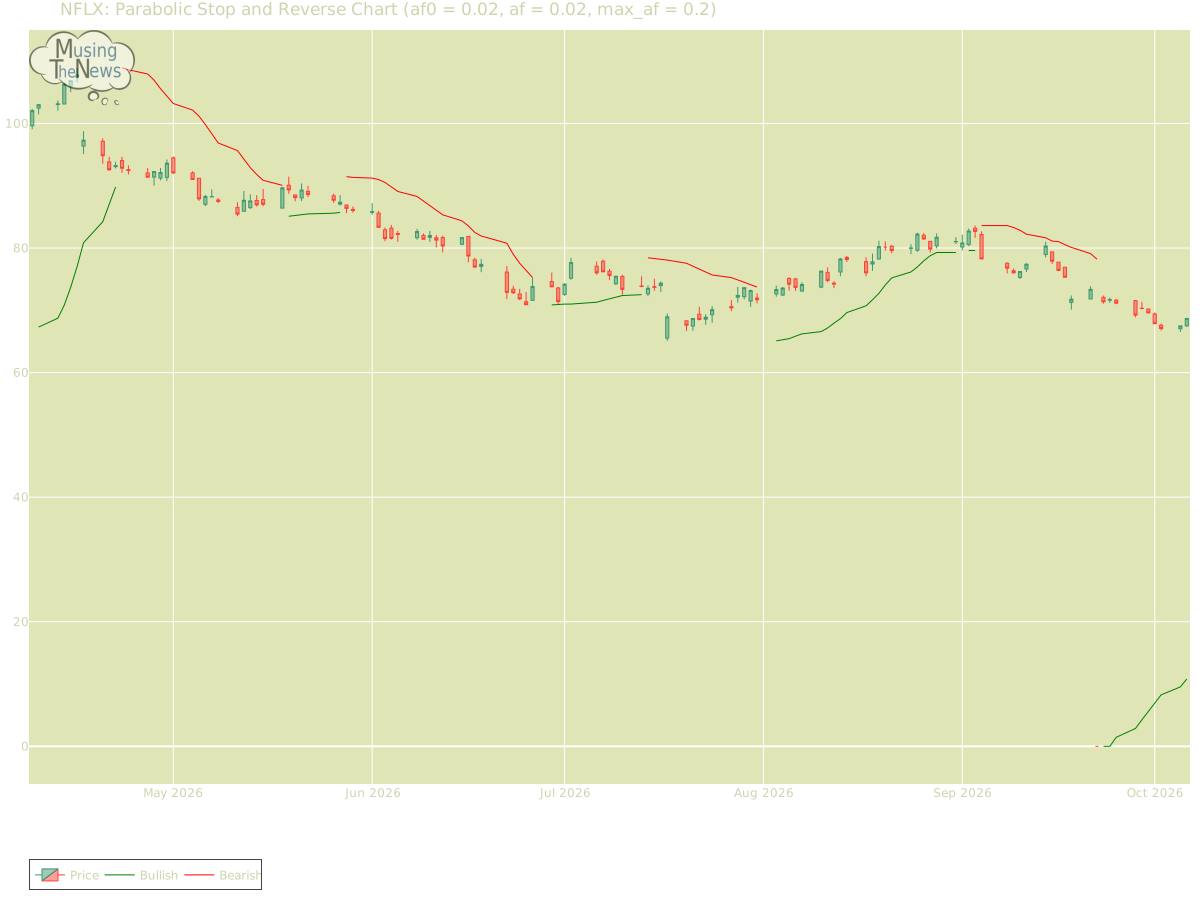
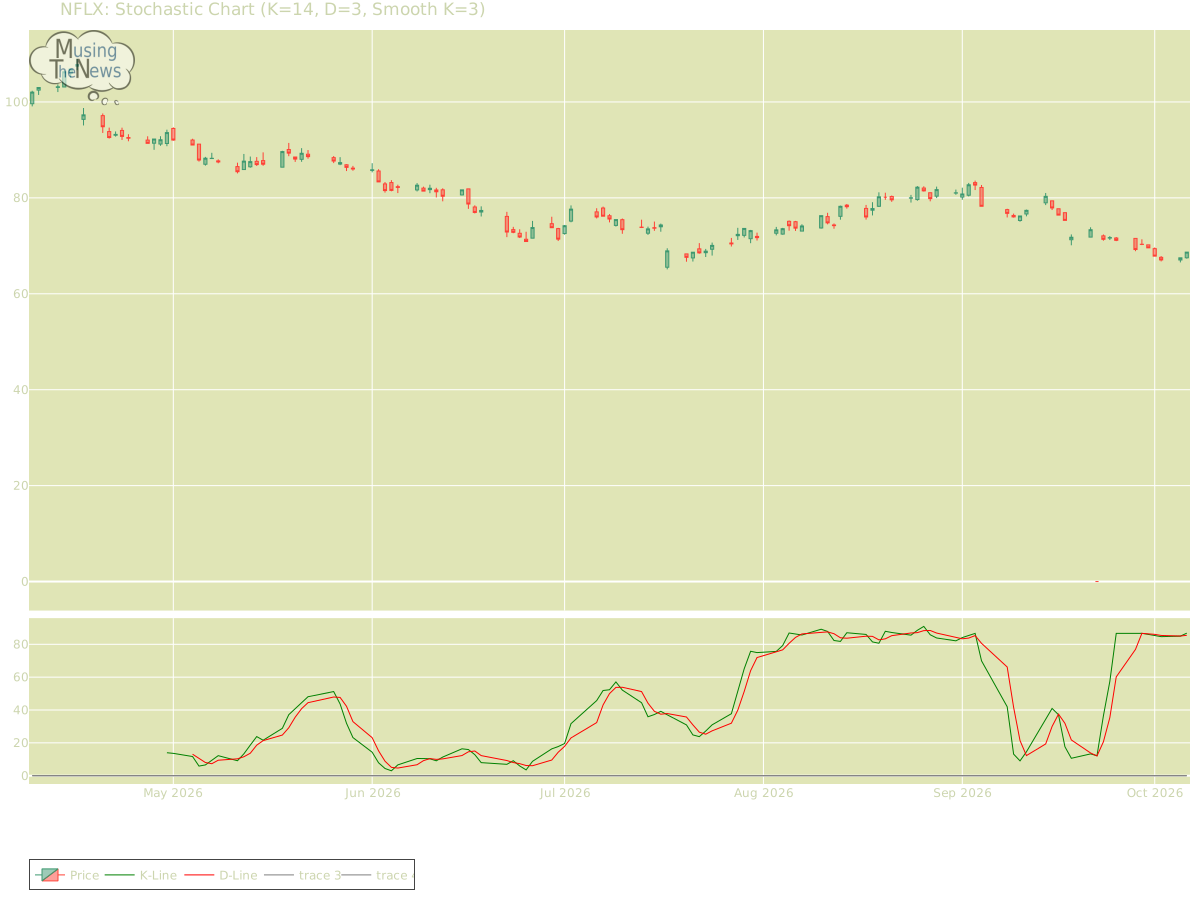
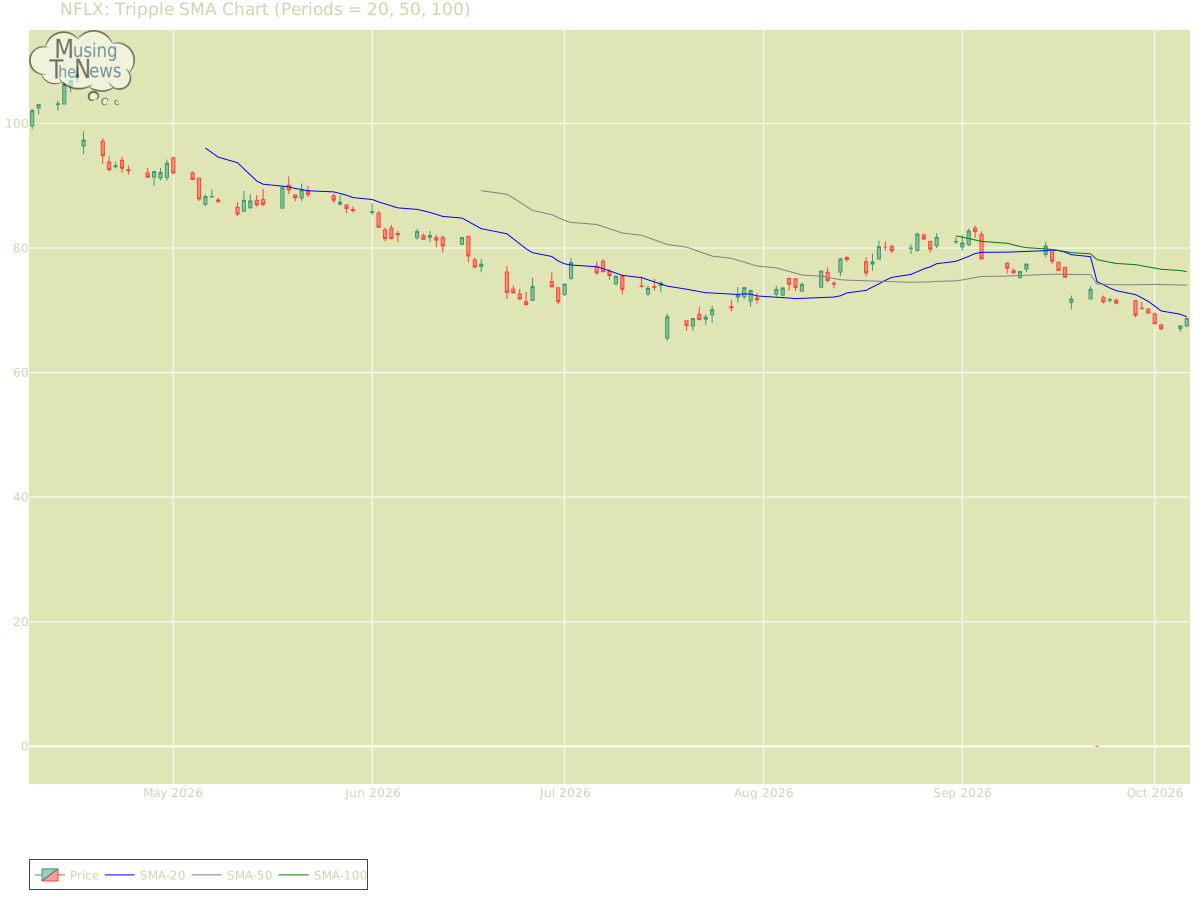
Aroon: The AROON is currently neutral, showing no clear bias toward an upward or downward trend. This suggests that the market may be in a phase of indecision or consolidation.Aroon chart for Netflix, Inc.Bol. Bands: The current state of the BOLL BANDS is neutral, offering no clear signals of movement in either direction. This suggests a potential pause in market activity, with no strong trend emerging at the moment.Bolinger Bands chart for Netflix, Inc.Parabolic SAR: The PSAR remains bullish, setting a critical support level that may help sustain the market's upward trend. This persistent bullish outlook suggests that the market is likely to continue climbing, with the support level offering a foundation for further growth.Parabolic Stop and Reverse chart for Netflix, Inc.Stochastic: The stochastic indicator is in a bullish position, with the K-line above both the D-line and the 80 level. This configuration suggests strong upward momentum, indicating that the market may continue its positive trend. Traders might view this as a sign of ongoing strength in the market.Stochastic chart for Netflix, Inc.Tripple Moving Agerage: The moving averages for the 20-50-100 periods point to a bullish trend for NFLX, though the slopes of the faster averages suggest that this strength may be waning. The potential for a reversal is becoming evident, as the shorter-term averages indicate that the current upward momentum could be losing steam.Tripple SMA chart for Netflix, Inc. When assessing a company's technical performance, such as stock price fluctuations and trading volume, it is crucial to first examine its fundamentals. These fundamentals include financial health, profitability, and growth potential. Additionally, understanding the industry's dynamics, including competitive pressures and market trends, is key to contextualizing the company's performance. By integrating these factors, a more comprehensive and meaningful analysis can be conducted, leading to more informed investment decisions.