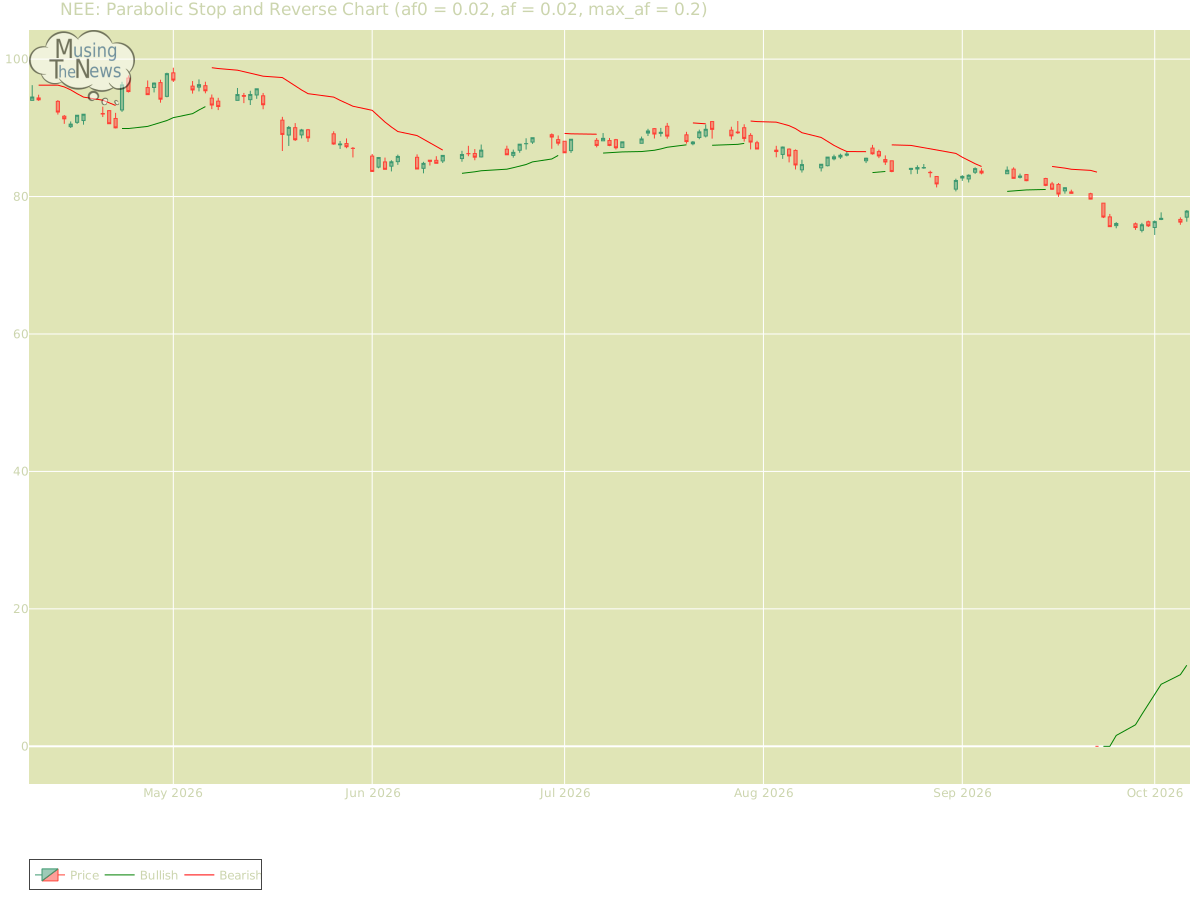
The PSAR remains bullish in its outlook, establishing a key support level that could serve as a foundation for further upward movement. This persistent bullish stance sugge...
By MusingTheNews
Updated 2026-10-07 23:26:40
Overall Technical outlook
Price Summary
NextEra Energy, Inc.'s stock started trading at 77.0 on 2026-10-06, climbed to 78.04, fell to 76.34, and closed 1.14% higher at 77.88, with 13118500 shares traded. Over the past 52 weeks, the stock reached a maximum price of 97.88 and a minimum price of 0.0.
Technicals
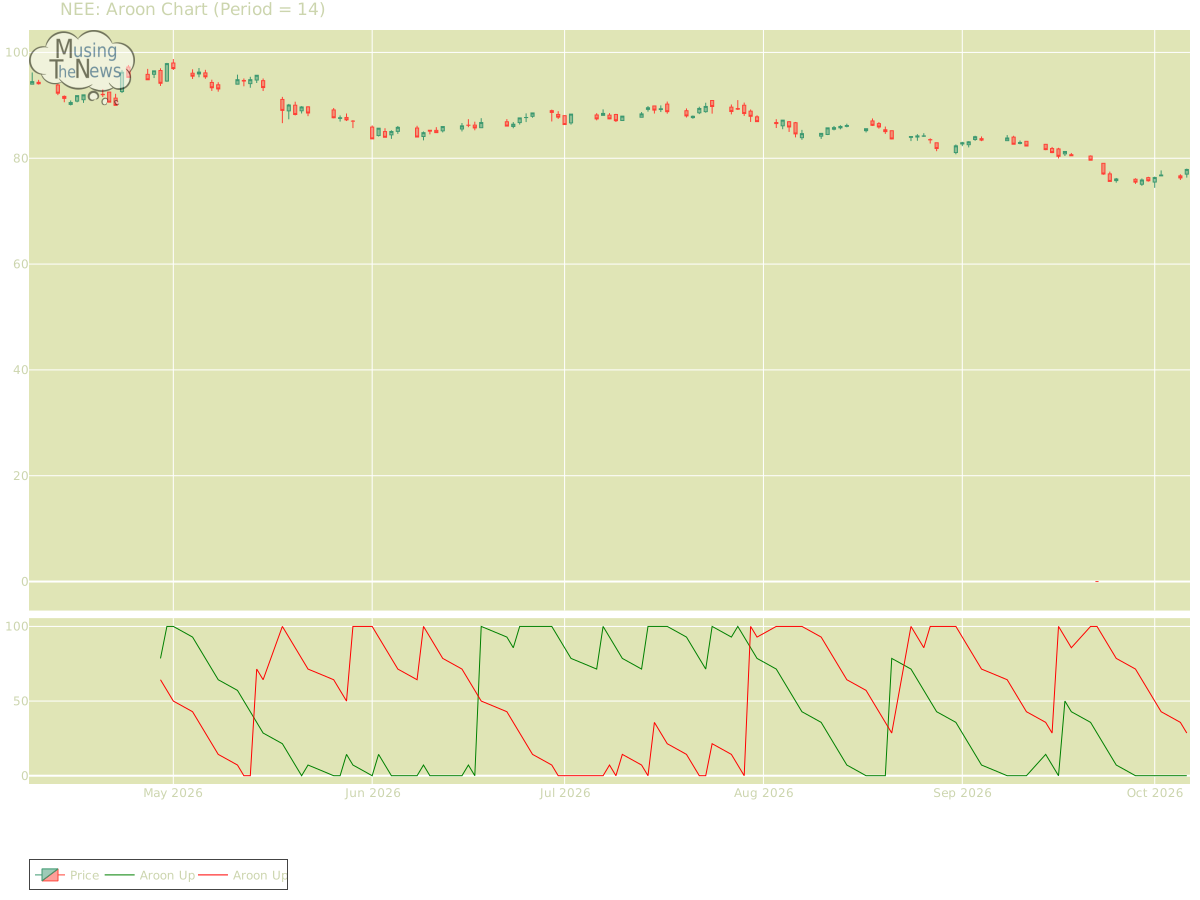
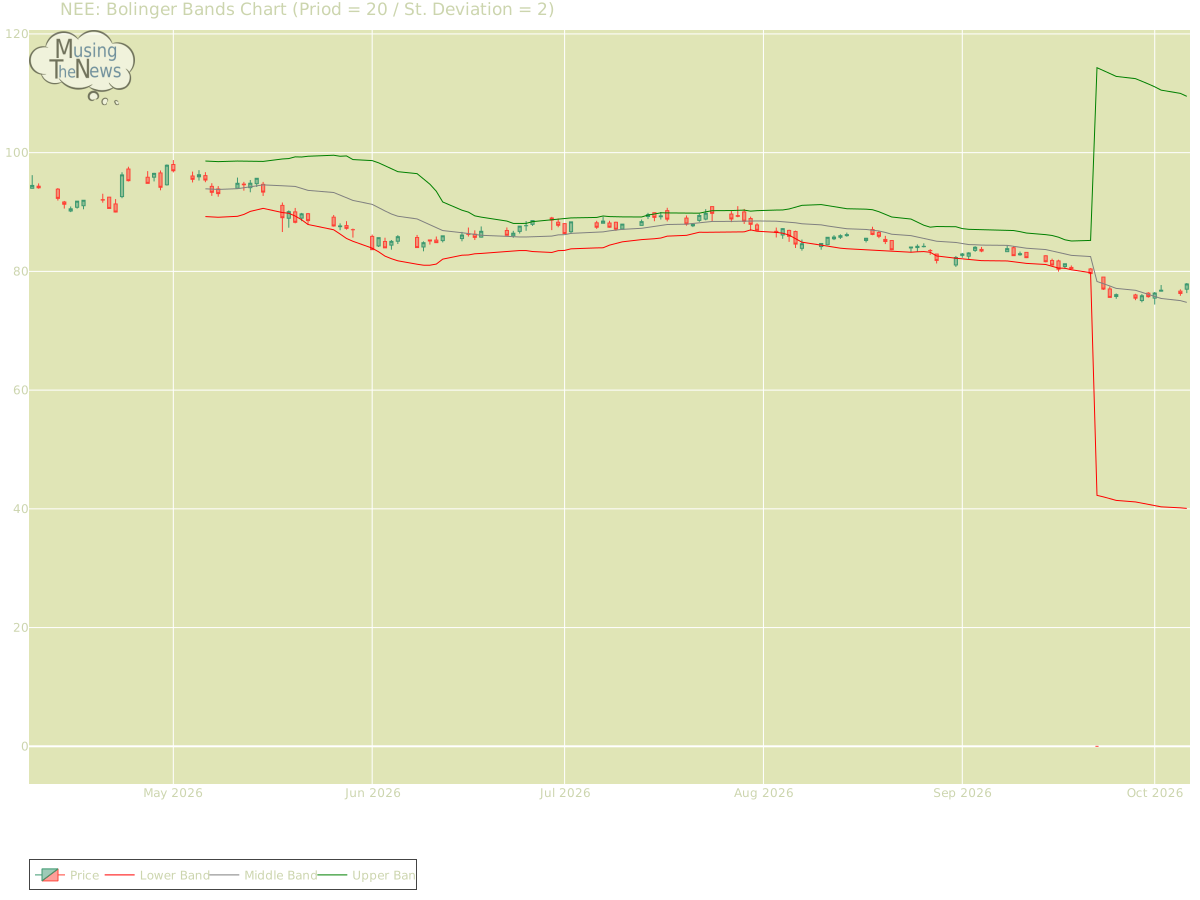
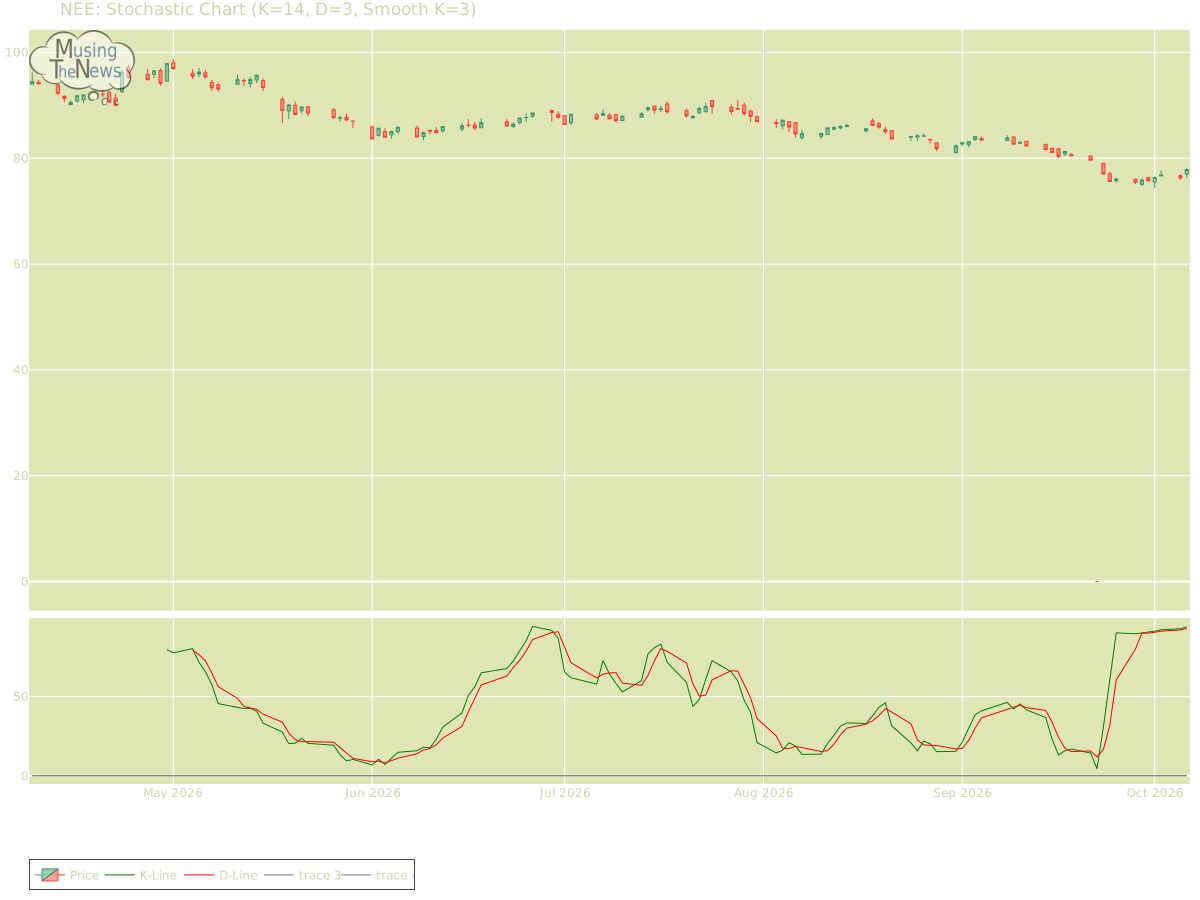
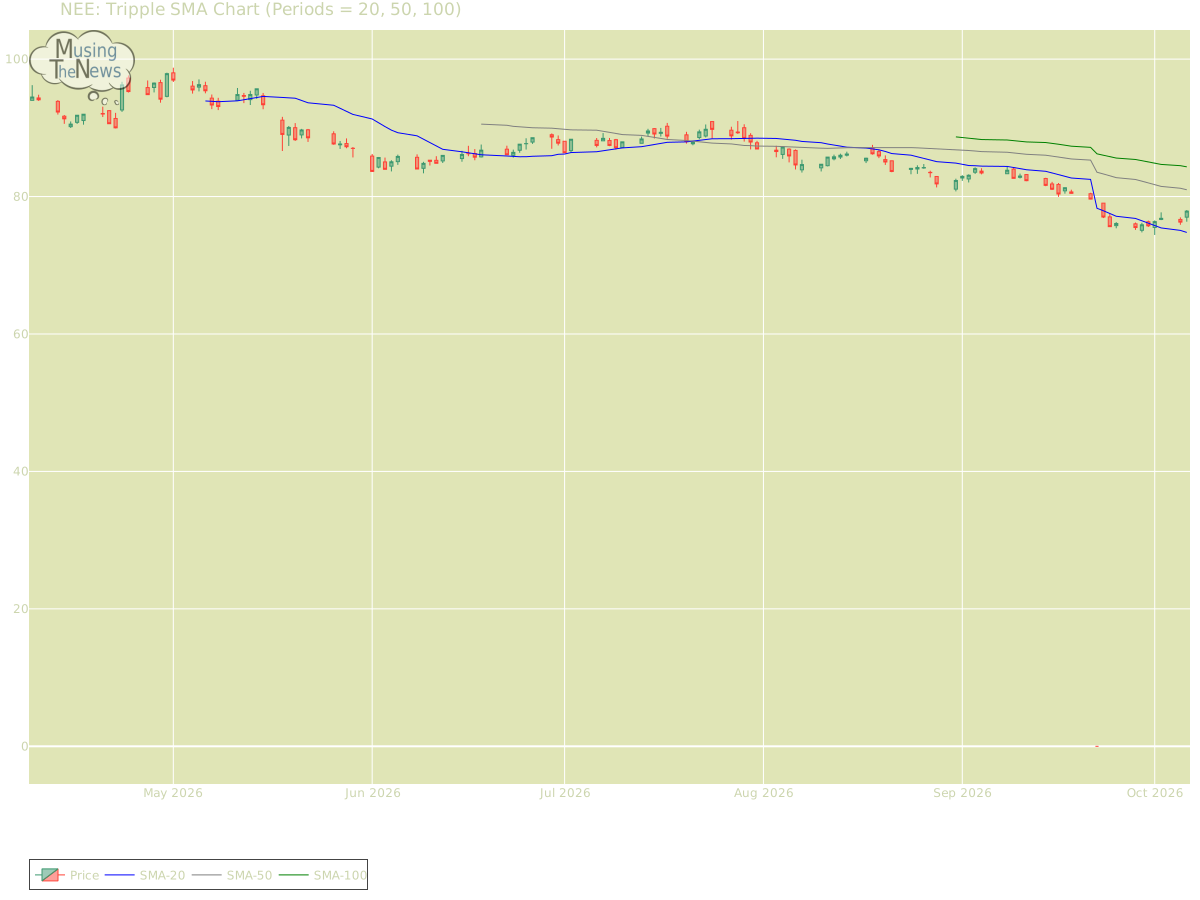
Aroon: The AROON is in a neutral stance, with no clear direction indicated for the market. This lack of clarity suggests that the market may be in a state of equilibrium for NEE, with no strong trend emerging.Aroon chart for NextEra Energy, Inc.Bol. Bands: The BOLL BANDS is currently in a neutral position, offering no clear indication of movement up or down. This suggests that the market may be experiencing a period of equilibrium, with no strong trend in play.Bolinger Bands chart for NextEra Energy, Inc.Parabolic SAR: The PSAR remains bullish in its outlook, establishing a key support level that could serve as a foundation for further upward movement. This persistent bullish stance suggests that the market may continue to trend higher, with the established support providing a potential safety net for investors.Parabolic Stop and Reverse chart for NextEra Energy, Inc.Stochastic: The stochastic indicator is in a bullish phase, with the K-line positioned above the D-line and the 80 threshold. This alignment suggests strong upward momentum for NEE, indicating that the market may continue to trend higher. Traders might see this as a positive signal for sustained strength.Stochastic chart for NextEra Energy, Inc.Tripple Moving Agerage: A bullish trend is indicated by the alignment of the 20-50-100 period moving averages for NEE, but this strength is tempered by the slopes of the faster averages, which hint at a possible reversal. The overall trend remains positive, yet the weakening signals from the shorter-term averages suggest that a change in direction may be imminent.Tripple SMA chart for NextEra Energy, Inc. Analyzing the technical indicators of a company, such as stock price and trading volume, requires first understanding its fundamentals. These fundamentals include profitability, growth potential, and market position. Furthermore, knowing the broader industry trends and competitive landscape provides critical context. When both the company's internal data and the external environment are considered, it allows for more meaningful conclusions about the company's technical performance and future trajectory.