The continuation of Aroon's bullish trend, with Aroon Up at the 100 level, signals ongoing strength. To fully understand the implications of this trend, it should be examin...
By MusingTheNews
Updated 2026-10-07 23:26:36
Overall Technical outlook
Price Summary
On 2026-10-06, Mettler-Toledo International Inc.'s shares started at 1560.0, peaked at 1585.72, bottomed out at 1512.52, and ended -1.73% lower at 1533.07, with 196000 shares traded. In the past year, the highest stock price was 1545.26, and the lowest was 0.0.
Technicals
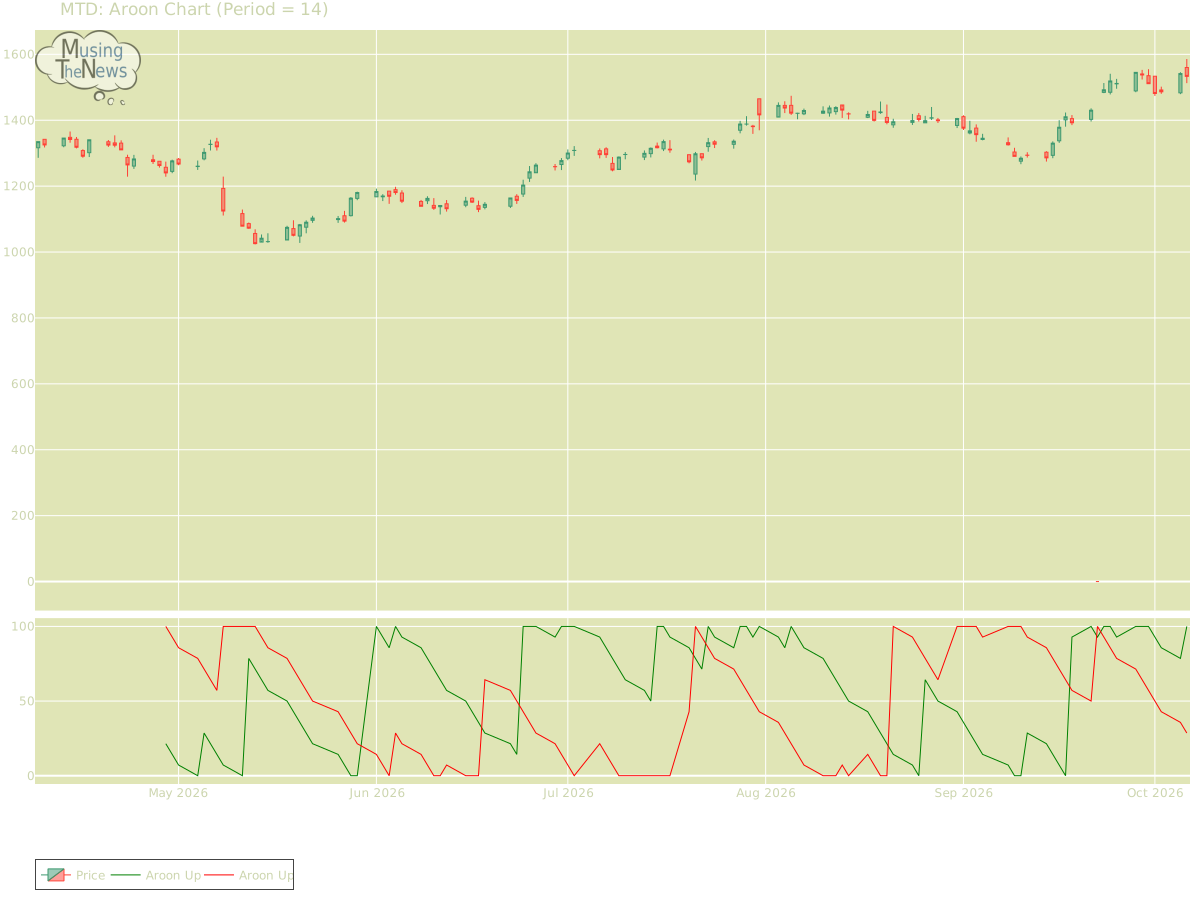
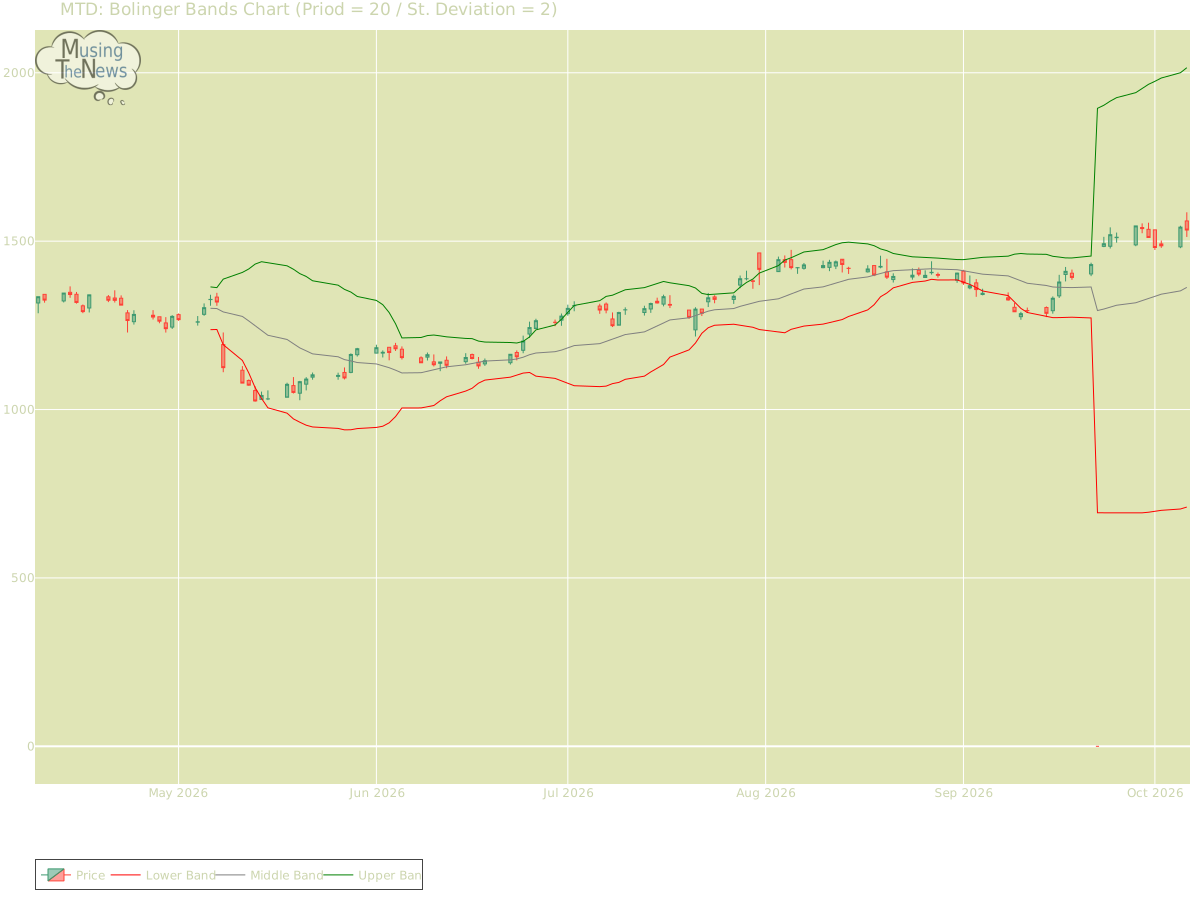
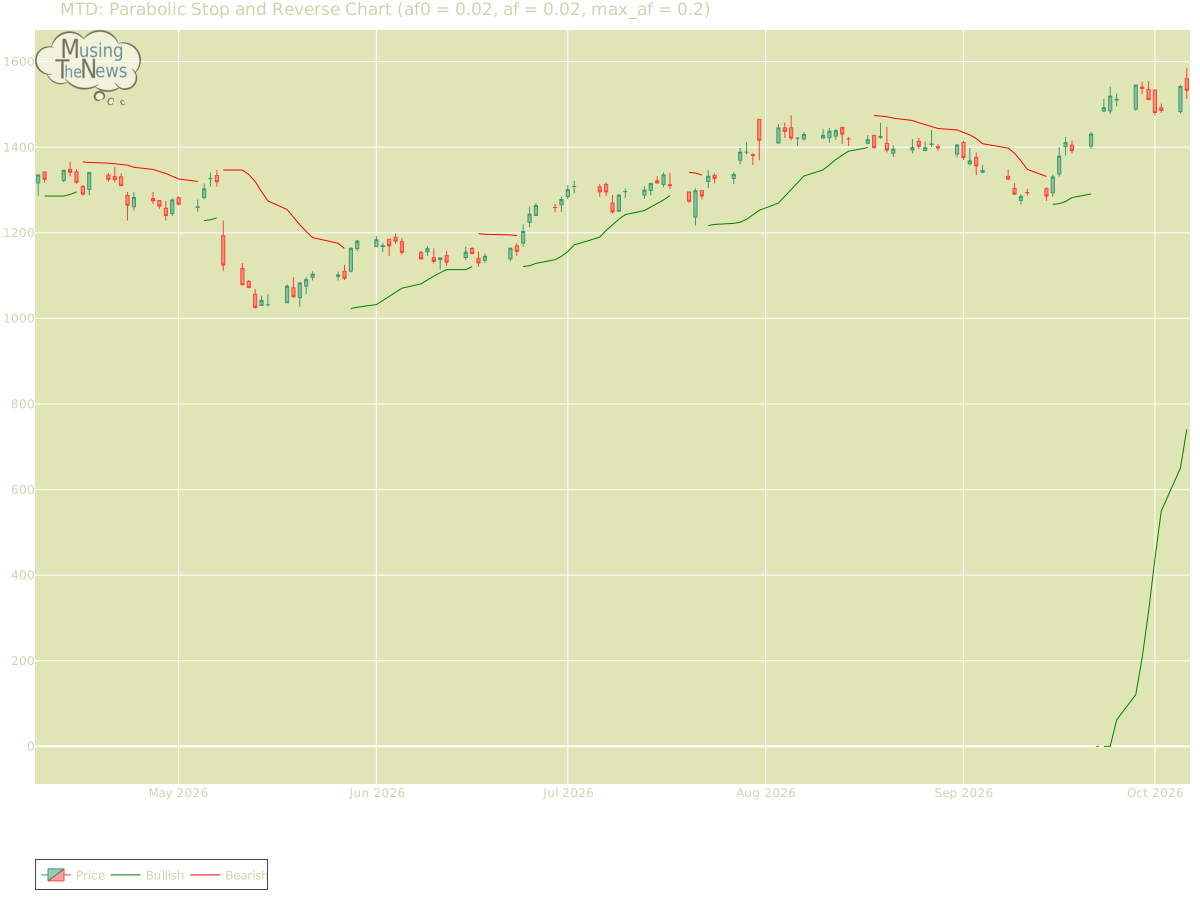
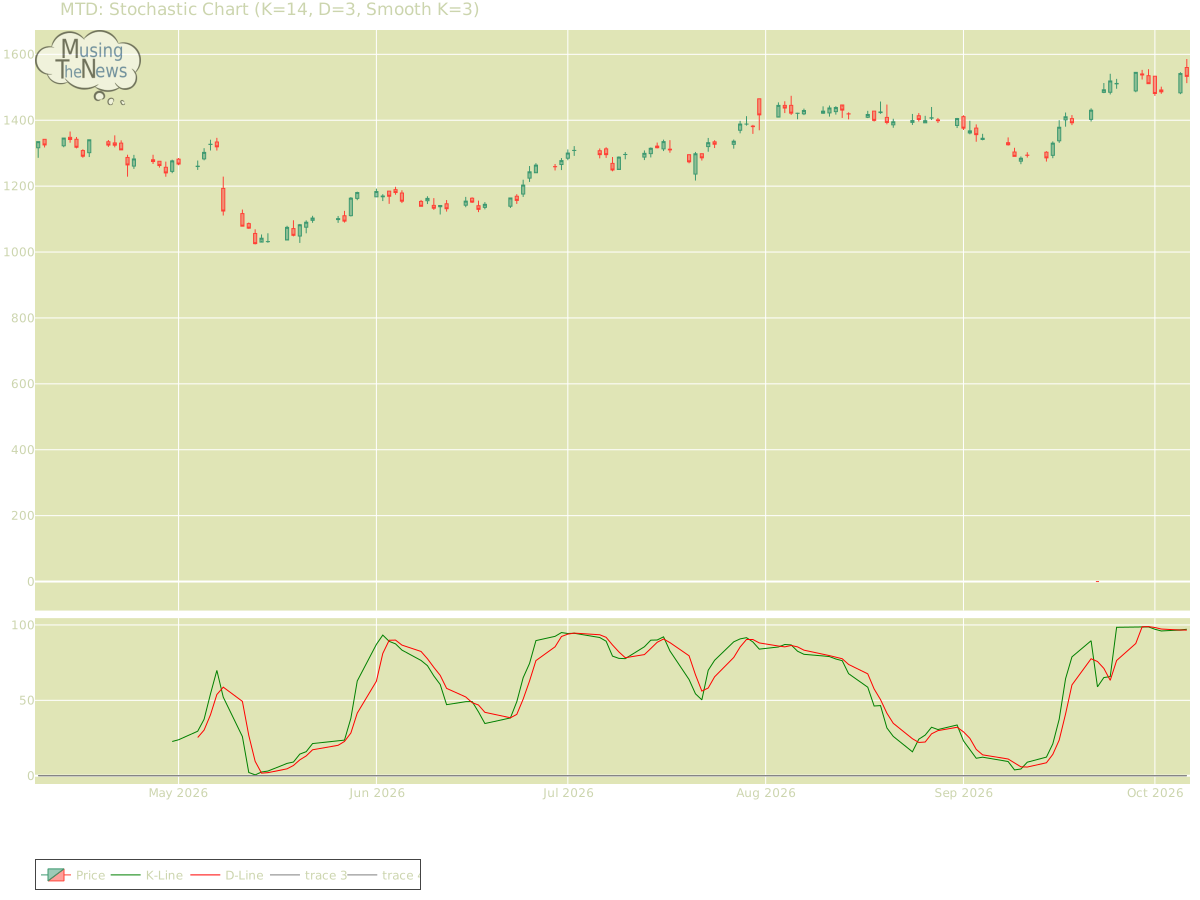
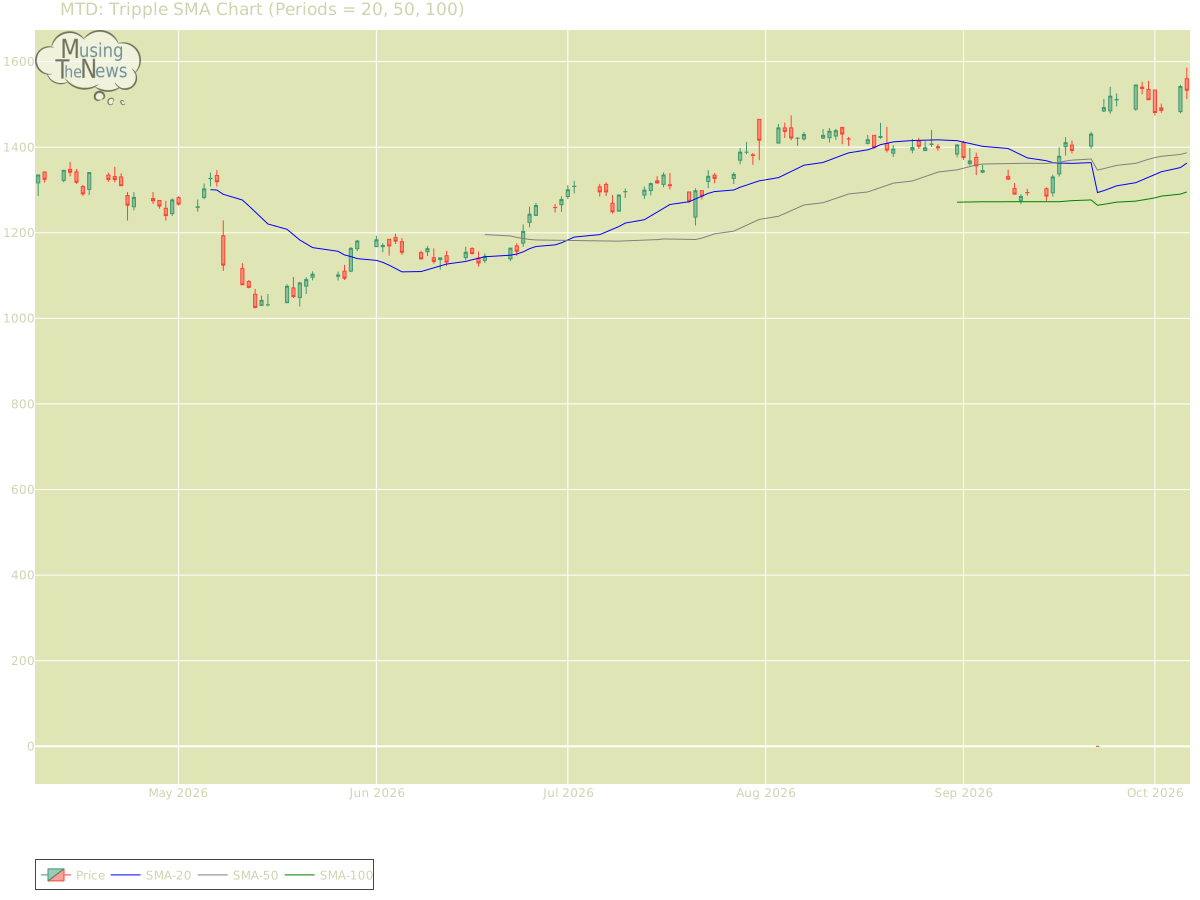
Aroon: The continuation of Aroon's bullish trend, with Aroon Up at the 100 level, signals ongoing strength. To fully understand the implications of this trend, it should be examined further in conjunction with other technical indicators.Aroon chart for Mettler-Toledo International Inc.Bol. Bands: The current state of the BOLL BANDS is neutral, providing no clear signals for either an upward or downward movement. This indicates that the market may be in a state of equilibrium, with no strong momentum in either direction.Bolinger Bands chart for Mettler-Toledo International Inc.Parabolic SAR: The PSAR remains bullish, establishing a key support level that could help uphold the market's upward trajectory. This persistent bullish outlook suggests that the market may continue to rise, with the support providing a foundation for further gains.Parabolic Stop and Reverse chart for Mettler-Toledo International Inc.Stochastic: The stochastic indicator for MTD reflects a bullish outlook, with the K-line positioned above the D-line and surpassing the 80 mark. This setup suggests strong upward momentum, implying that the market may continue to rise. Investors may interpret this as a positive signal for further gains.Stochastic chart for Mettler-Toledo International Inc.Tripple Moving Agerage: The Tripple MOVING AVG is showing a neutral stance, not indicating a clear upward or downward trend for Mettler-Toledo International Inc.. This suggests a period of market balance, where neither side is showing dominance.Tripple SMA chart for Mettler-Toledo International Inc. To accurately interpret a company's technical data, it is important to first examine its fundamentals. These include financial performance, management quality, and growth prospects. In addition, understanding the dynamics of the industry in which the company operates—such as competition, market trends, and regulatory factors—provides further insights. This combined analysis helps create a fuller picture, allowing for more precise conclusions to be drawn from the company's technical performance and stock behavior.