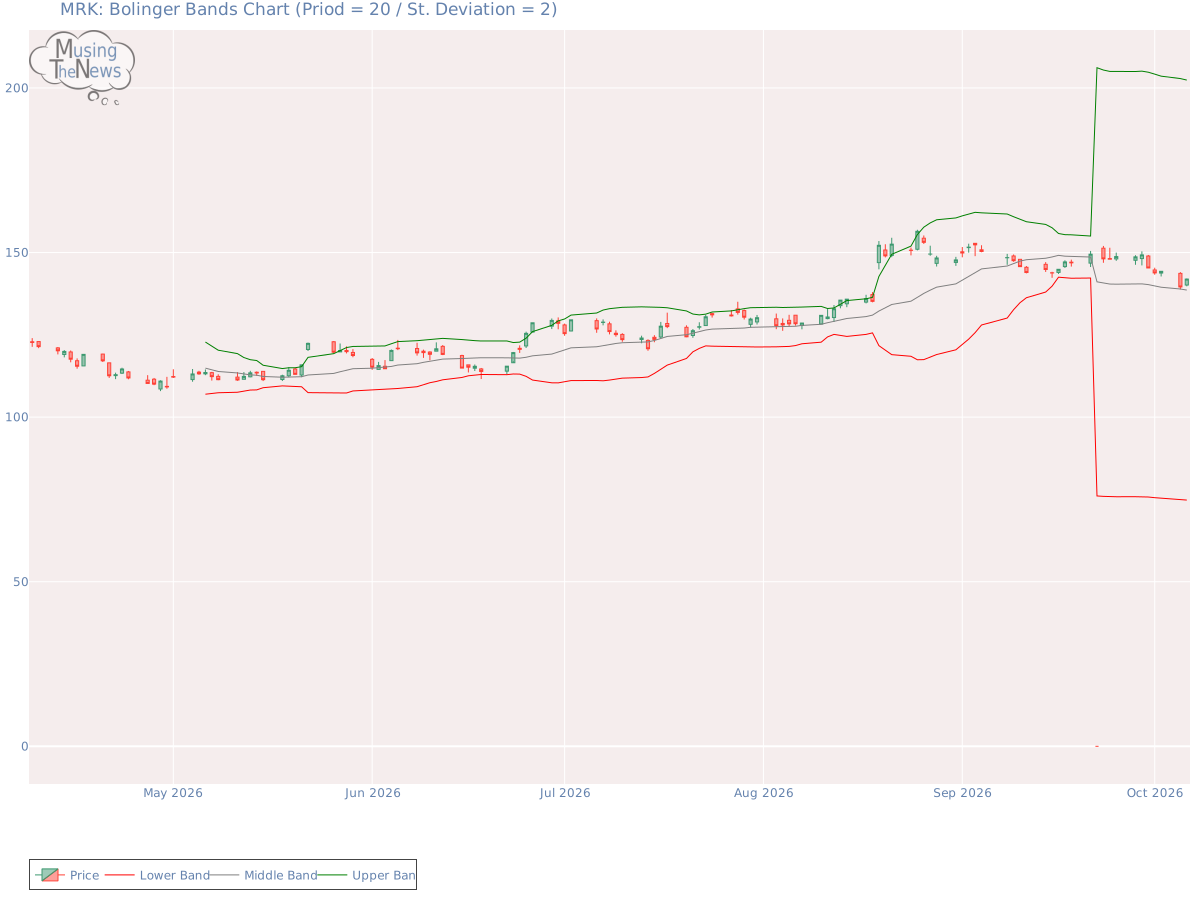
The current reading of the BOLL BANDS indicator suggests a neutral stance, with no clear signals indicating an upward or downward direction. This lack of directional bias s...
By MusingTheNews
Updated 2026-10-07 23:26:36
Overall Technical outlook
Price Summary
On 2026-10-06, Merck & Co., Inc.'s stock opened at 140.13, reached 142.16, hit a low of 139.74, and rose 1.29% to close at 141.94, with 8072700 shares traded. The top price for the stock in the last 52 weeks is 156.45, with the bottom price being 0.0.
Technicals
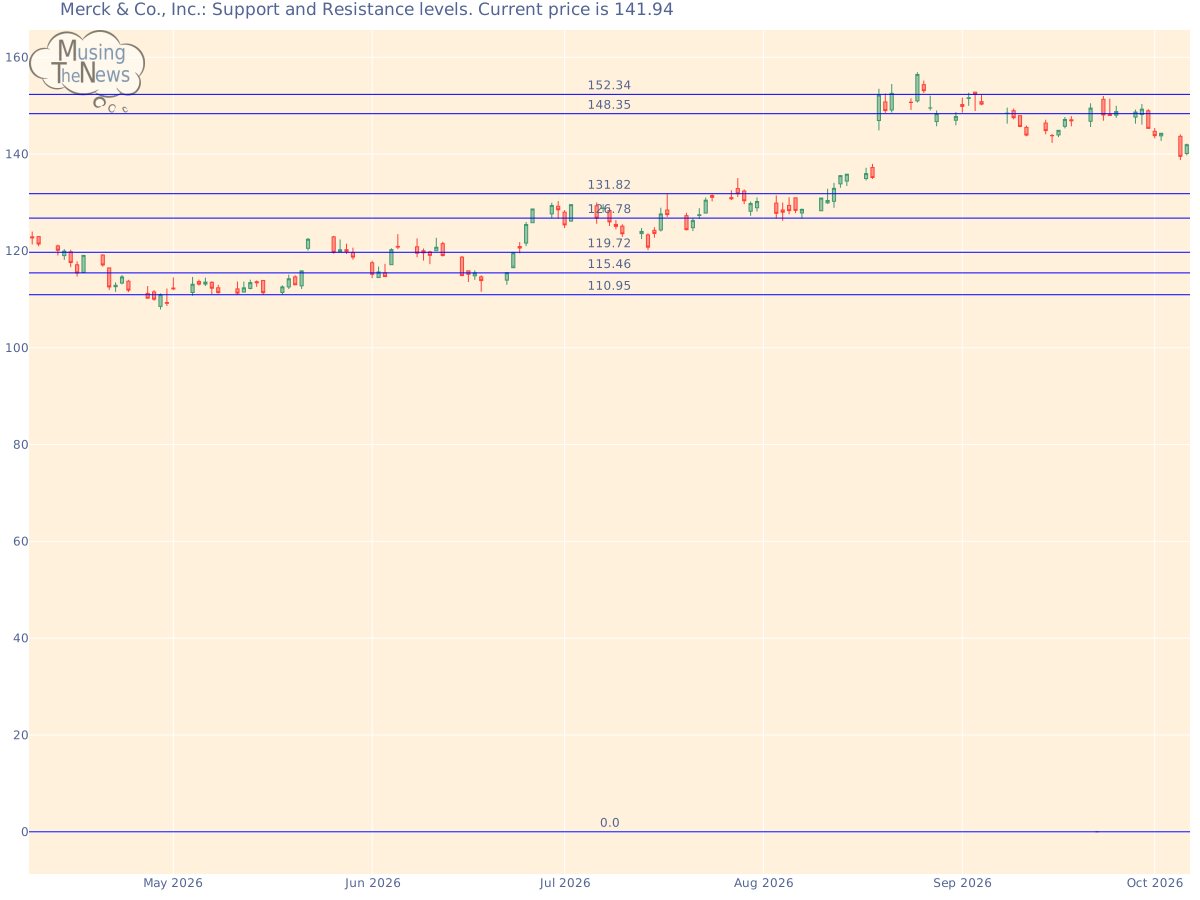
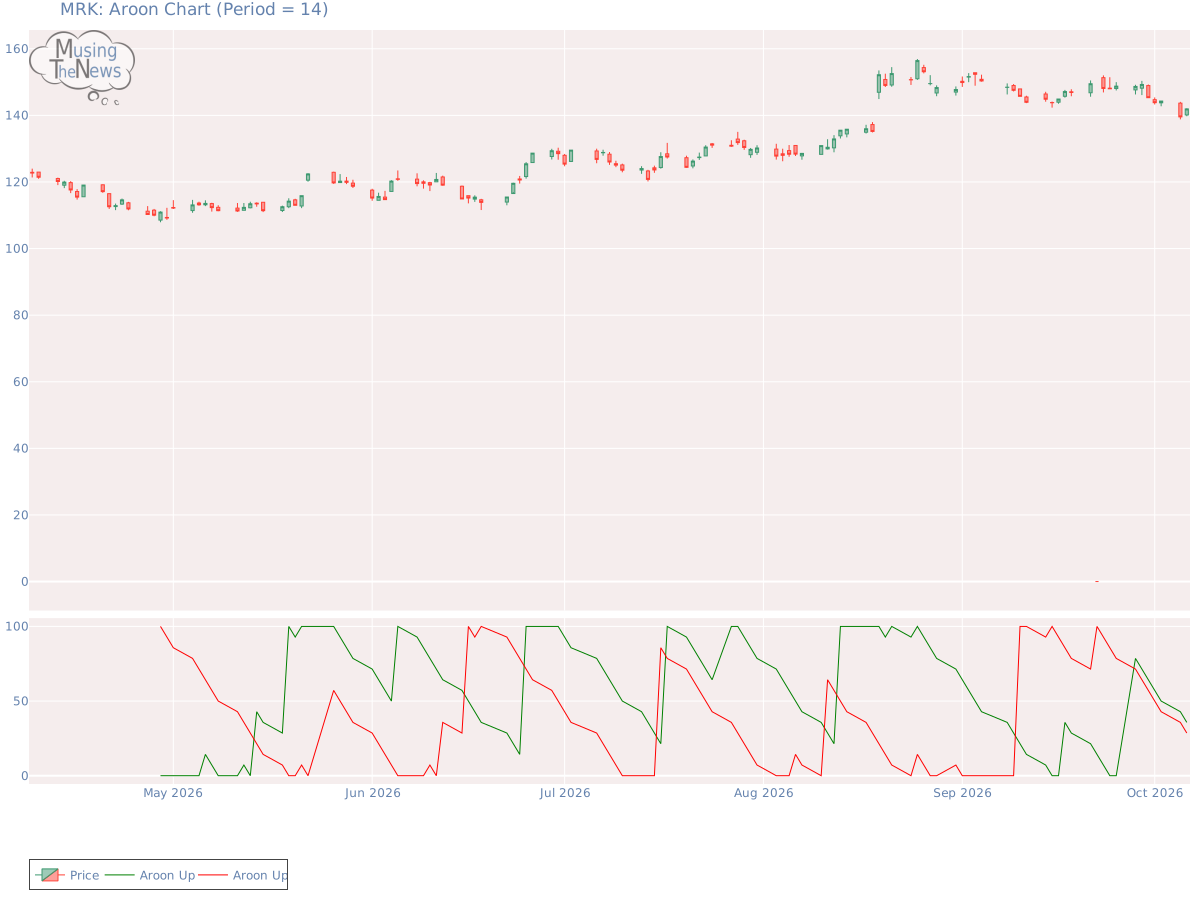
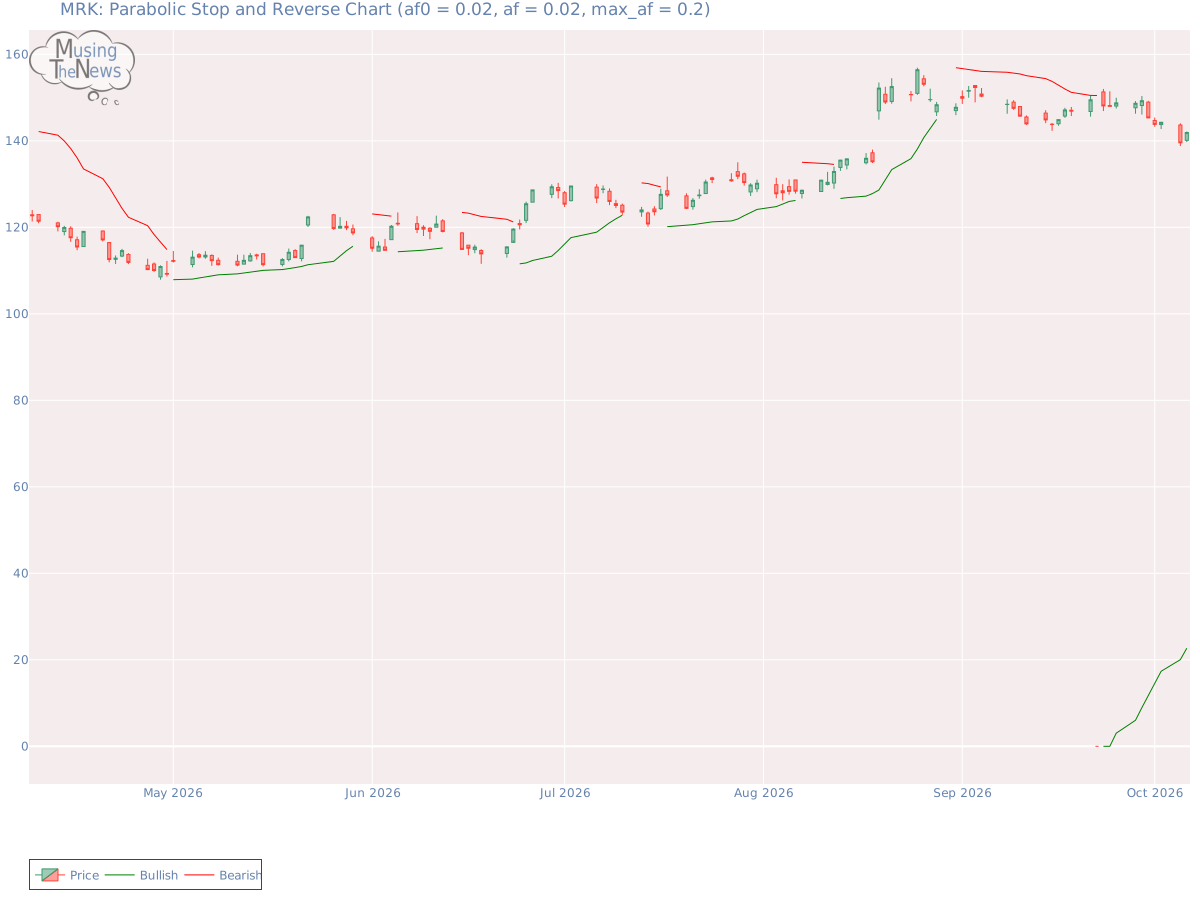
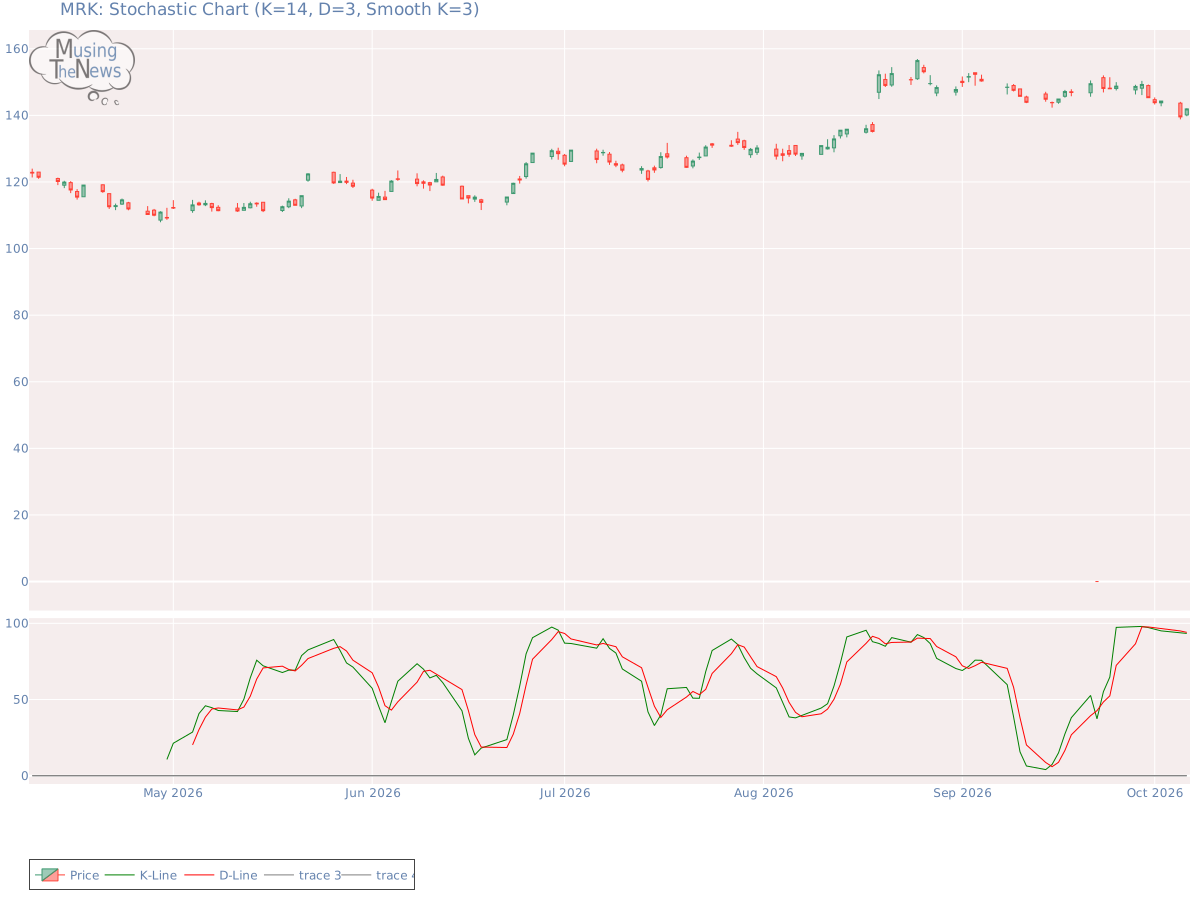
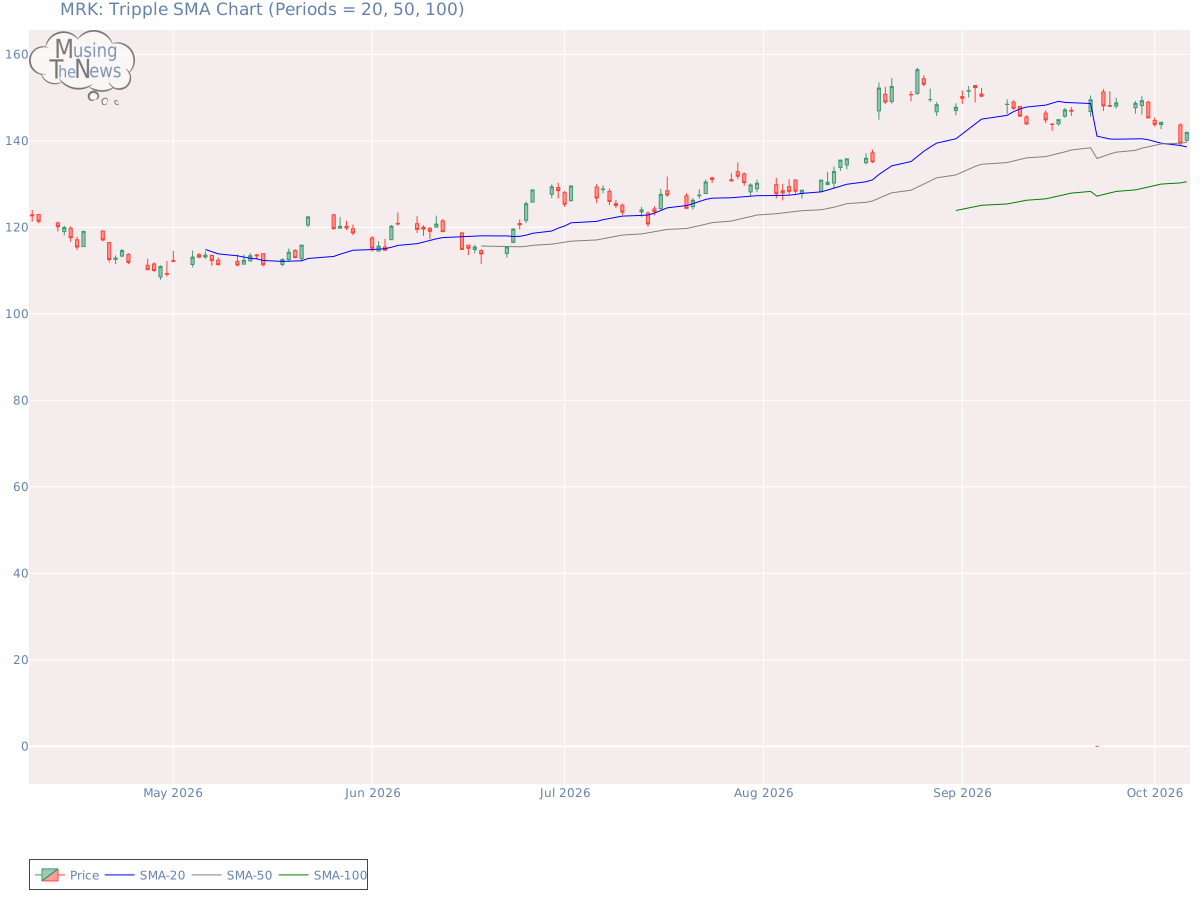
Support and Resistance: The price for MRK at 141.94 finds support at 131.82 and resistance at 148.35. This suggests a trading range, where 131.82 serves as a support level and 148.35 acts as a resistance point, potentially capping further gains.Support/Resistance for MRKAroon: The AROON is in a neutral stance, not pointing to a clear trend in either direction. This suggests that the market may be lacking strong momentum, making it difficult to predict the next move.Aroon chart for Merck & Co., Inc.Bol. Bands: The current reading of the BOLL BANDS indicator suggests a neutral stance, with no clear signals indicating an upward or downward direction. This lack of directional bias suggests the market may be in a period of consolidation or uncertainty.Bolinger Bands chart for Merck & Co., Inc.Parabolic SAR: The PSAR continues to indicate a bullish outlook, establishing a key support level that could sustain the market's upward trend. This support suggests that the bullish momentum is likely to persist, offering a foundation for further growth.Parabolic Stop and Reverse chart for Merck & Co., Inc.Stochastic: The stochastic indicator reflects the K-line dropping below the D-line, though it remains above 80, pointing to a possible start of a bearish price move. This could be an early sign that the market's upward trend is reversing, potentially leading to a decline. Traders should be on the lookout for further bearish signals.Stochastic chart for Merck & Co., Inc.Tripple Moving Agerage: The Tripple MOVING AVG is showing a neutral stance, with no definitive indication of an upward or downward trend for MRK. This neutral position suggests a period of indecision in the market, making it difficult to predict the next move.Tripple SMA chart for Merck & Co., Inc. Before focusing on a company's technical data, such as stock price movements, it's essential to analyze its fundamentals. These include factors like profitability, cash flow, and debt management. Additionally, considering the broader industry landscape—including market trends, competition, and regulatory changes—offers deeper insights. This comprehensive approach allows for a more meaningful interpretation of the company's technical indicators, providing a clearer picture of its financial health and future prospects.