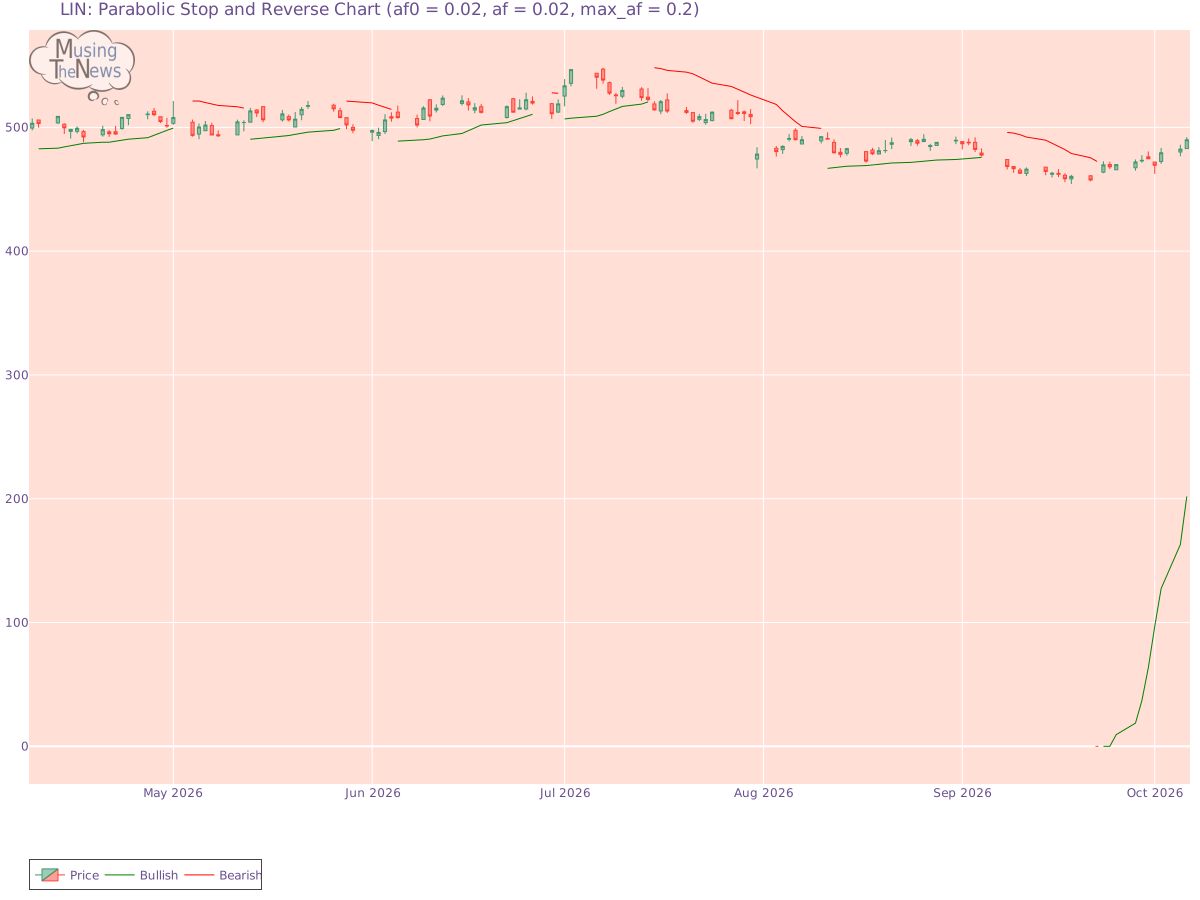
The PSAR remains bullish, setting a critical support level that may help sustain the market's upward trend. This persistent bullish outlook suggests that the market is like...
By MusingTheNews
Updated 2026-10-07 23:26:32
Overall Technical outlook
Price Summary
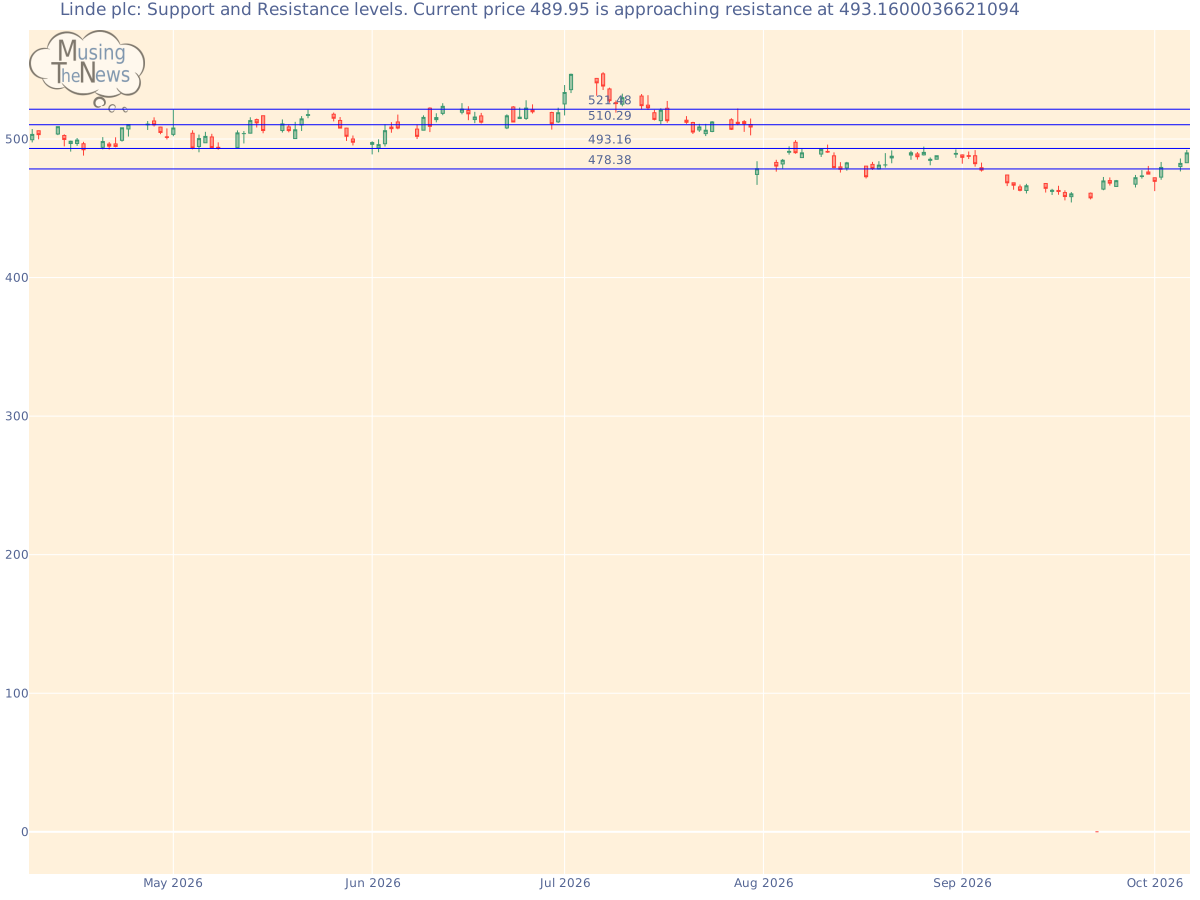
On 2026-10-06, LIN's stock opened at 482.87, reached a peak of 492.1, dropped to 482.69, and ended 1.47% up at 489.95, with a volume of 3161100 shares. In the 52-week period, the stock's peak price is 546.64, and the lowest price recorded is 0.0.
Technicals
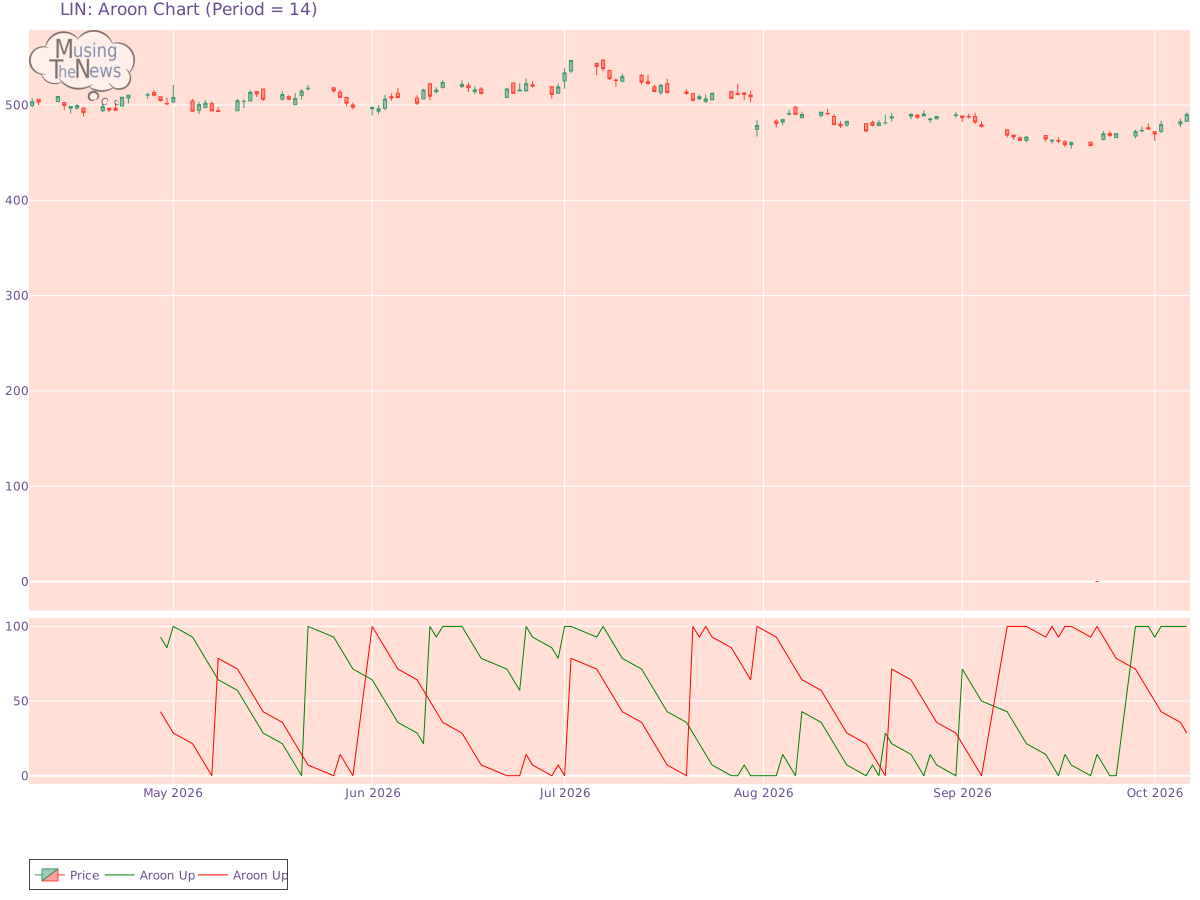
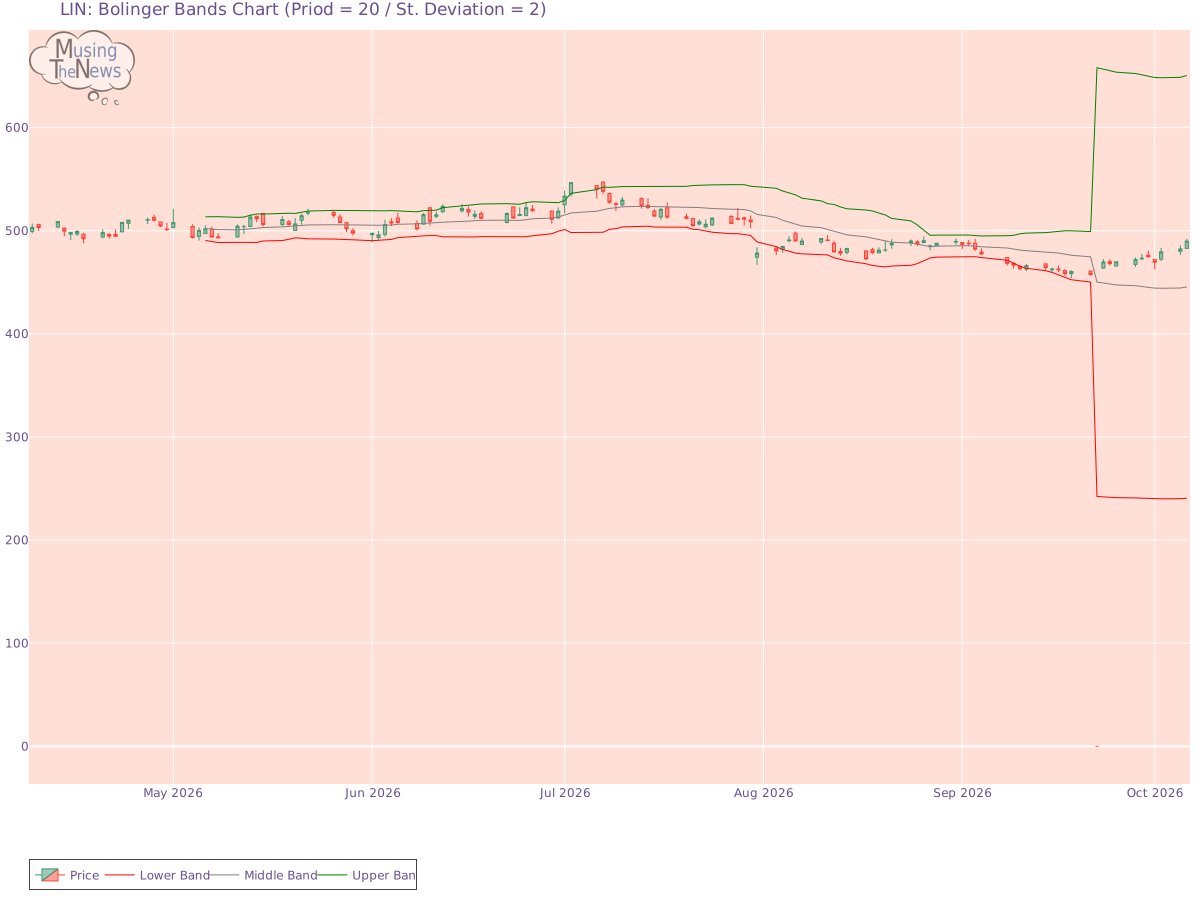
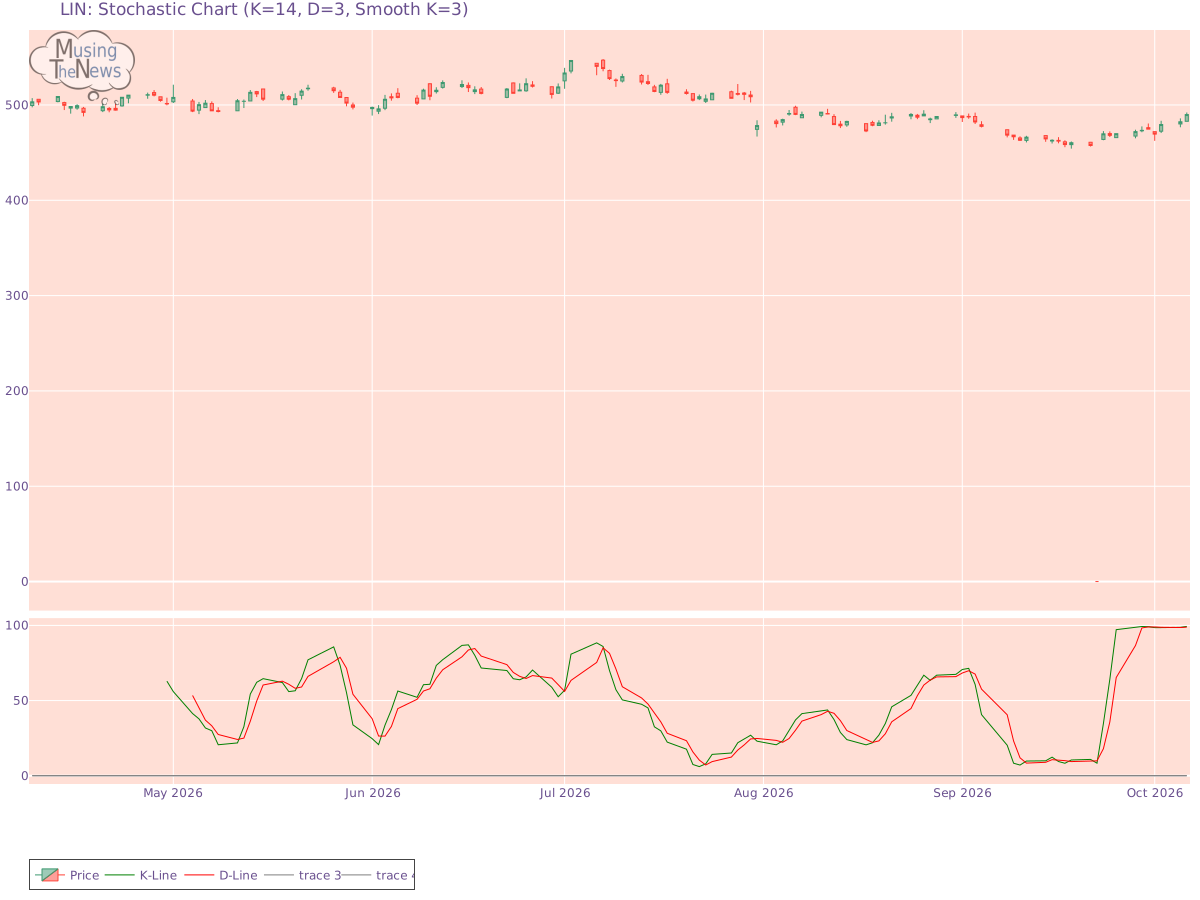
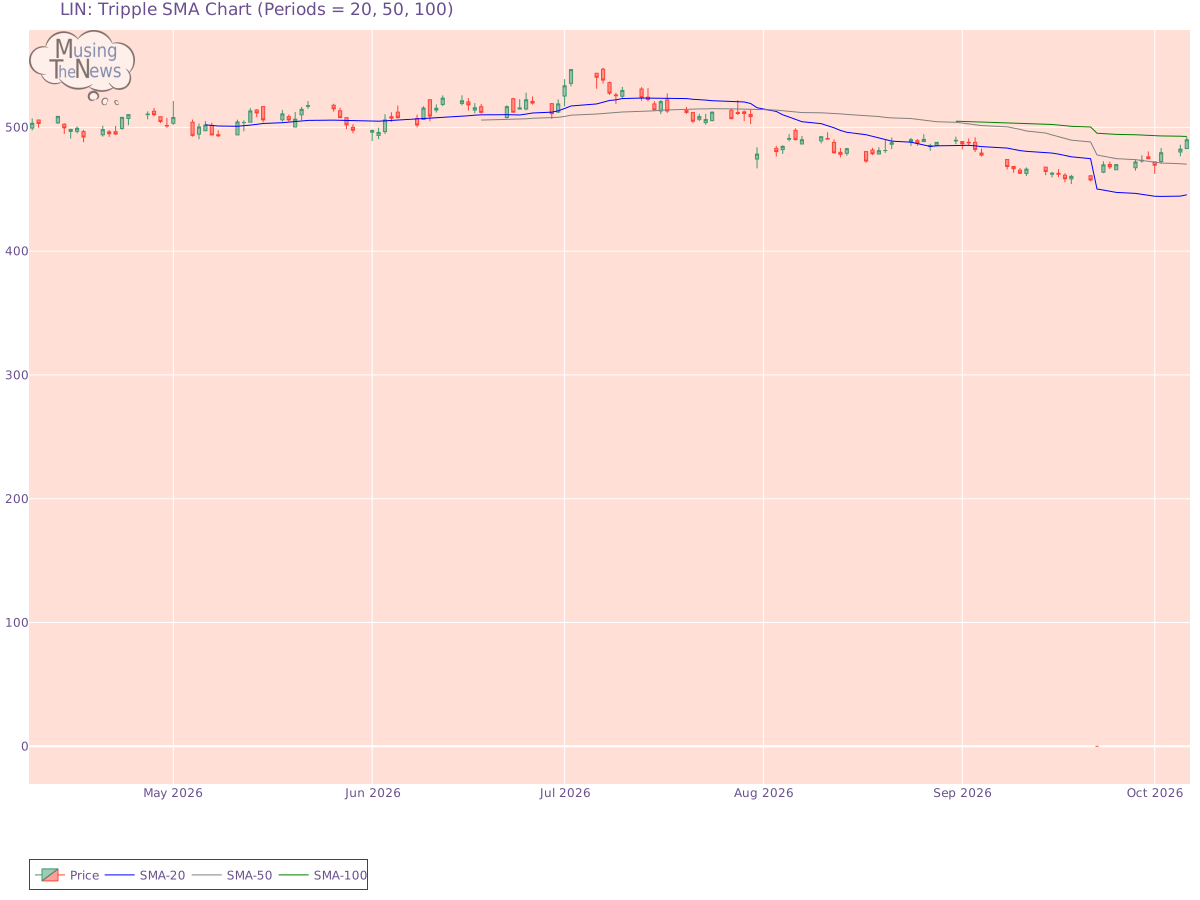
Support and Resistance: At 489.95, the price for LIN is supported at 478.38 and resisted at 493.16. This indicates a trading range where 478.38 serves as a support level, potentially preventing further decline, while 493.16 could limit upward movement.Support/Resistance for LINAroon: The bullish trend indicated by Aroon persists, with Aroon Up holding at the 100 level for LIN. This shows strong upward momentum, but further analysis using additional indicators is necessary to determine the trend's sustainability and future potential.Aroon chart for Linde plcBol. Bands: The current state of the BOLL BANDS is neutral for LIN, providing no clear indication of a trend in either direction. This suggests that the market may be lacking momentum, making it difficult to predict future movements.Bolinger Bands chart for Linde plcParabolic SAR: The PSAR remains bullish, setting a critical support level that may help sustain the market's upward trend. This persistent bullish outlook suggests that the market is likely to continue climbing, with the support level offering a foundation for further growth.Parabolic Stop and Reverse chart for Linde plcStochastic: The stochastic indicator shows a bullish sentiment, with the K-line above both the D-line and the 80 level. This configuration indicates strong upward momentum, suggesting that LIN may continue its upward trend. Traders might view this as a sign of sustained strength.Stochastic chart for Linde plcTripple Moving Agerage: The Tripple MOVING AVG is currently in a neutral position, offering no clear indication of movement up or down. This suggests that the market may be experiencing a period of equilibrium, with no strong trend in play.Tripple SMA chart for Linde plc To properly assess the technical data of a company, it's important to first look at its fundamentals, such as its earnings, growth potential, and management effectiveness. Equally, understanding the industry trends, competition, and external economic factors that influence the company is vital. This holistic view helps draw meaningful conclusions about the company's technical performance, allowing investors to better gauge its stock price behavior, volatility, and market trends.