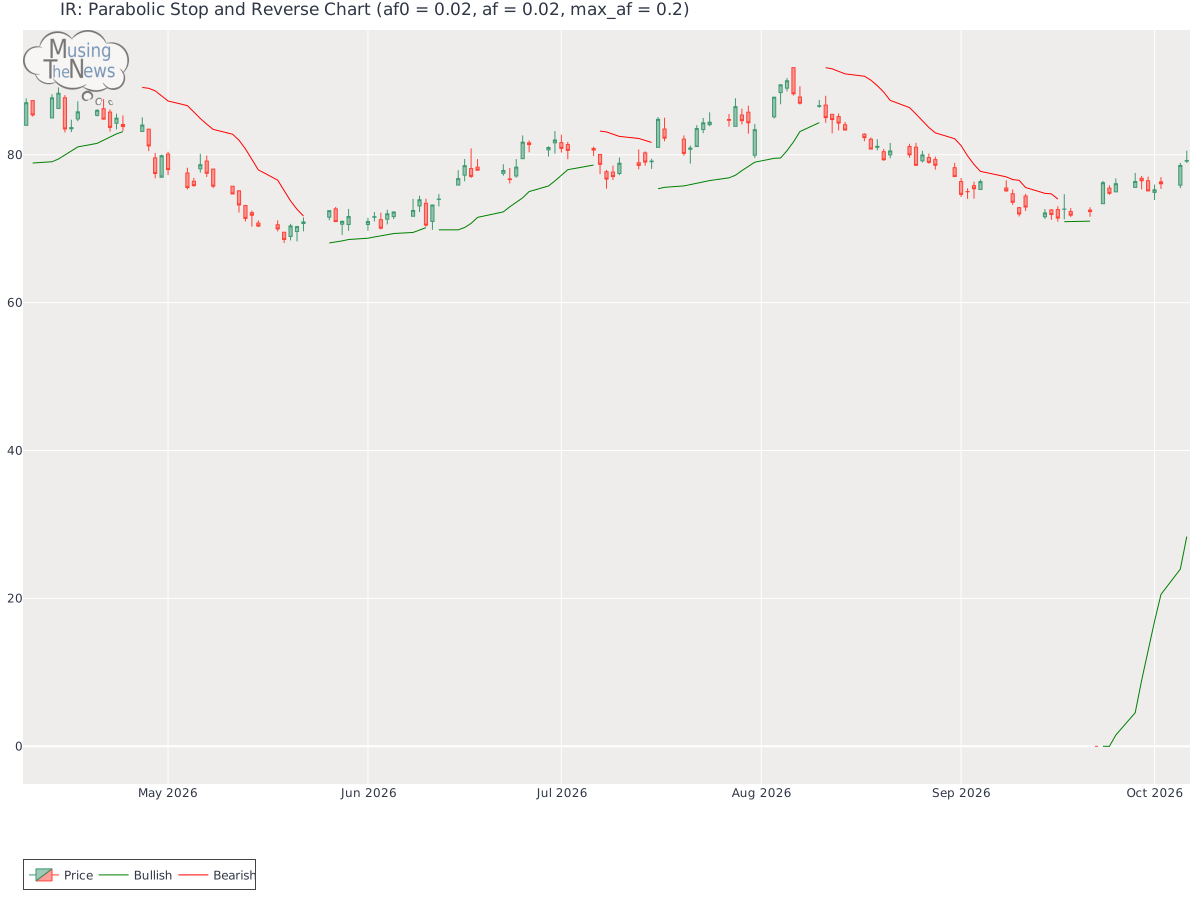
The PSAR remains bullish, setting a strong support level that could underpin further upward movement. This persistent bullish outlook suggests that the market may continue ...
By MusingTheNews
Updated 2026-10-07 23:26:25
Overall Technical outlook
Price Summary
Ingersoll Rand Inc.'s stock opened at 79.13 on 2026-10-06, surged to 80.54, dropped to 78.88, and ended 0.1% higher at 79.21, with 4007200 shares traded. The highest price the stock achieved in the past 52 weeks is 98.76, while the lowest price it saw is 0.0.
Technicals
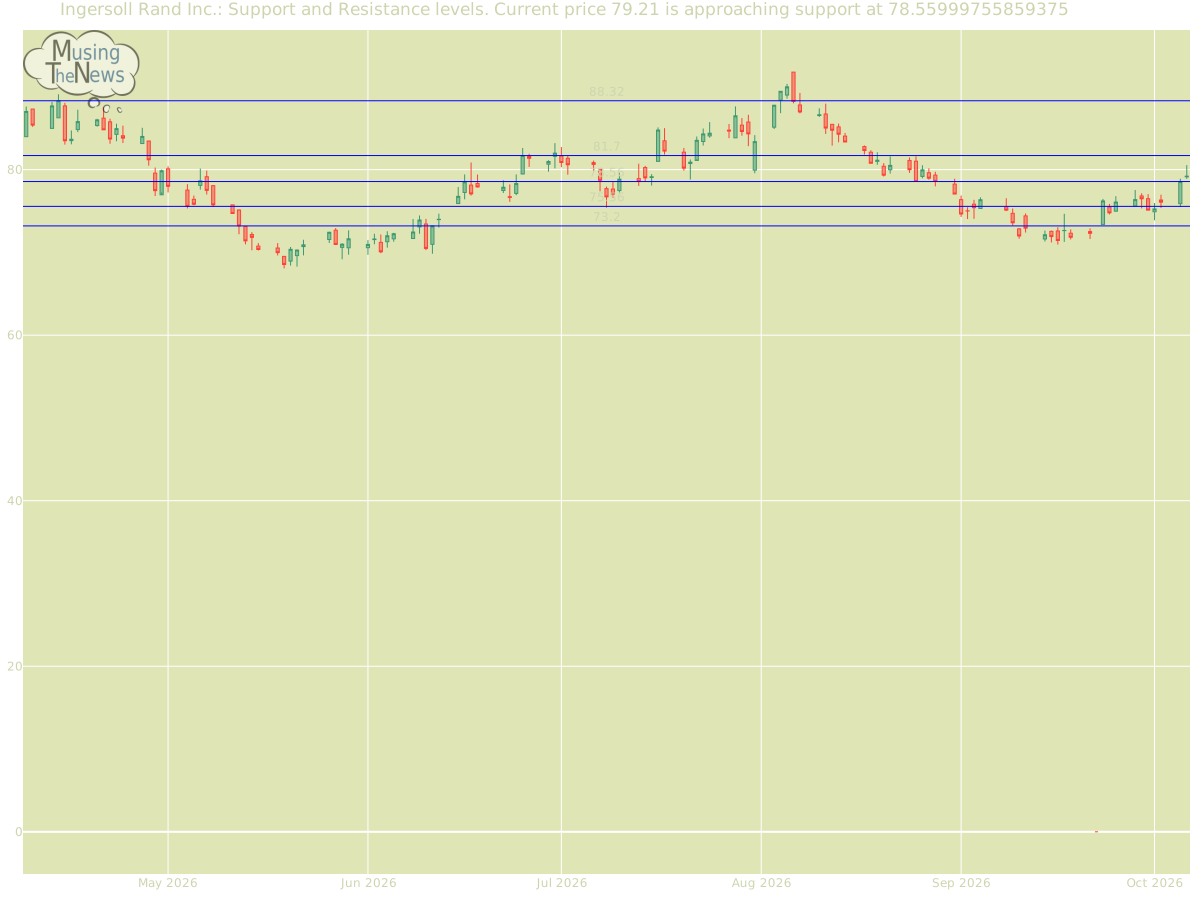
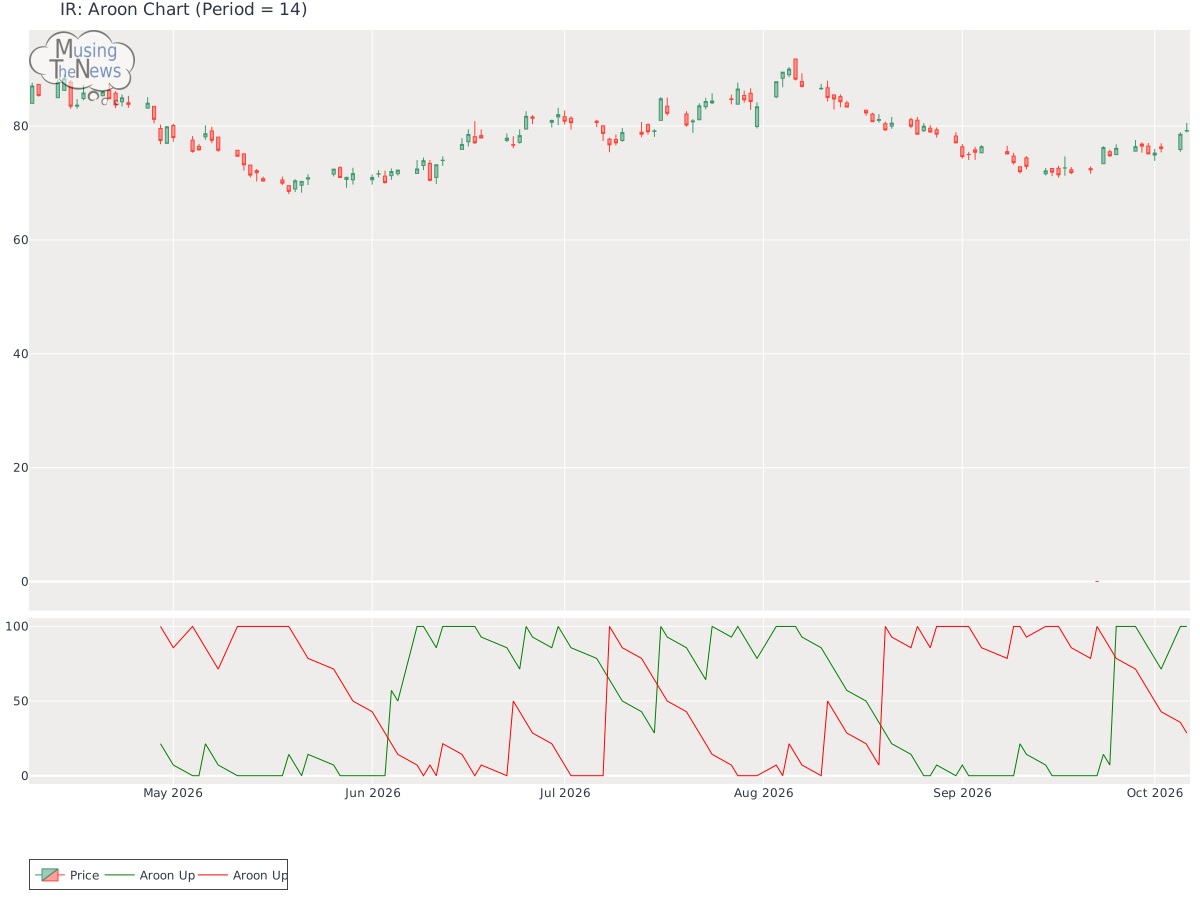
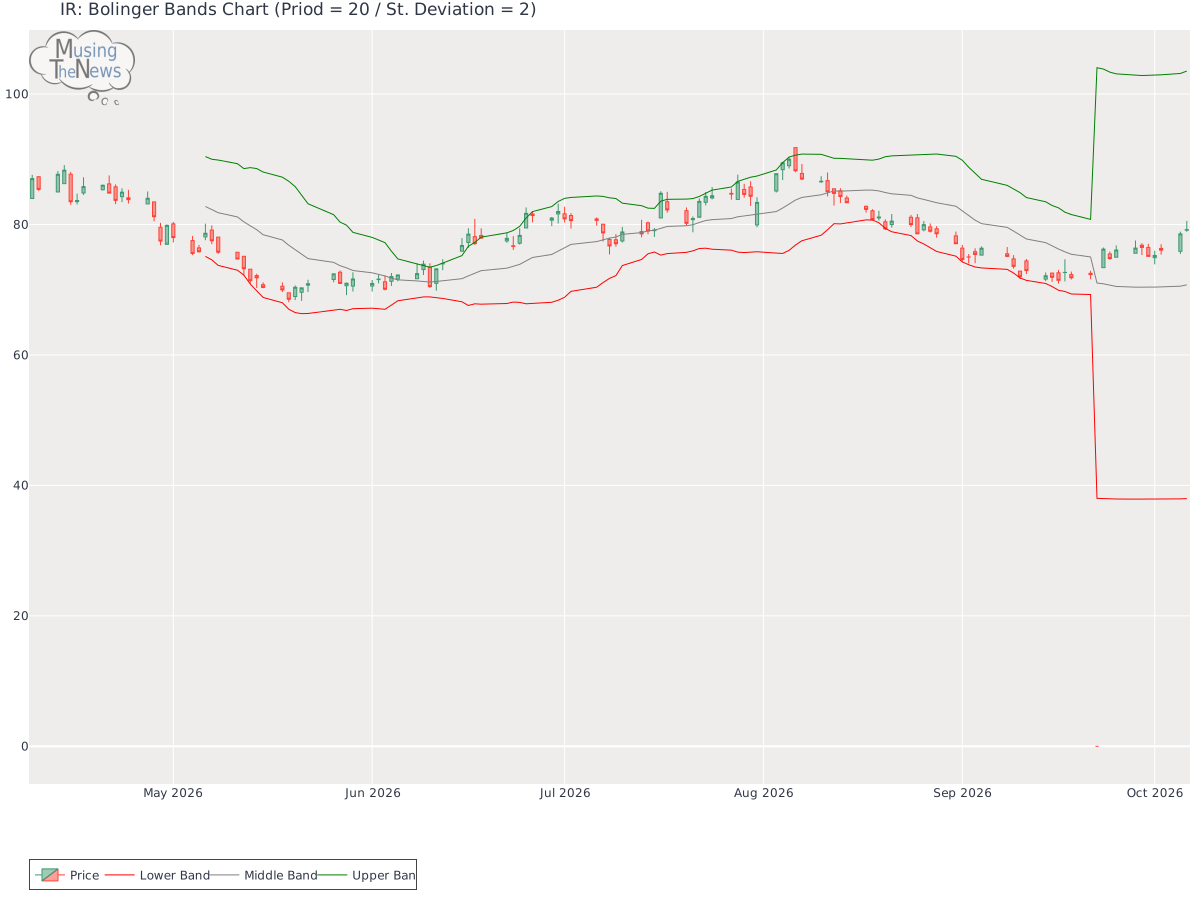
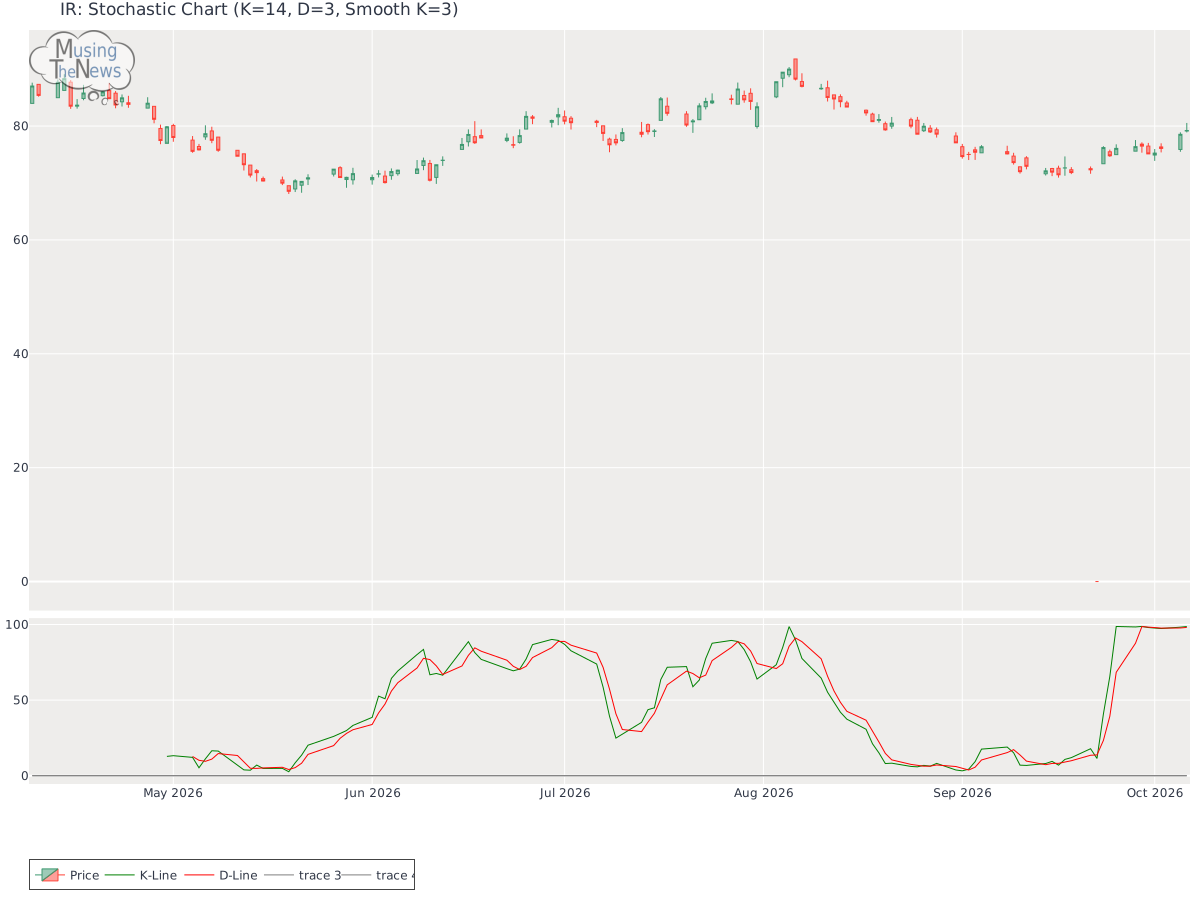
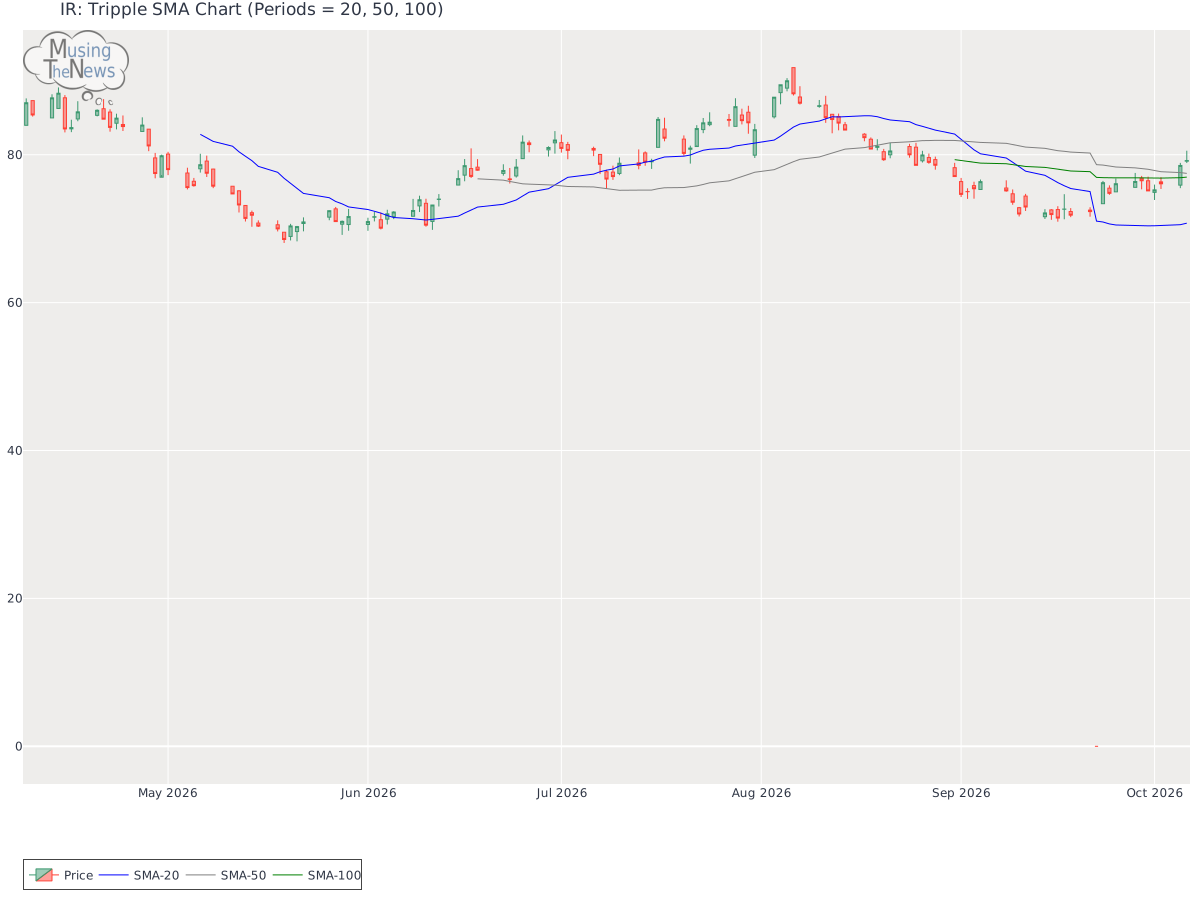
Support and Resistance: At 79.21, the price is held up by support at 78.56 and faces resistance at 81.7 for IR. This suggests a trading range where 78.56 provides a base and 81.7 limits upward movement.Support/Resistance for IRAroon: Aroon's bullish trend persists, with Aroon Up at the 100 level, signaling strong upward momentum. Further exploration with additional indicators is needed to confirm the trend's durability and potential for continued growth.Aroon chart for Ingersoll Rand Inc.Bol. Bands: The current reading of the BOLL BANDS is neutral, offering no clear signals for a movement in either direction. This suggests that the market may be in a holding pattern, with no dominant trend in place.Bolinger Bands chart for Ingersoll Rand Inc.Parabolic SAR: The PSAR remains bullish, setting a strong support level that could underpin further upward movement. This persistent bullish outlook suggests that the market may continue its positive trajectory, with the established support acting as a safety net.Parabolic Stop and Reverse chart for Ingersoll Rand Inc.Stochastic: The stochastic indicator shows a bullish signal, with the K-line exceeding both the D-line and the 80 mark. This setup suggests strong upward momentum, implying that the market may continue to rise. Investors could consider this a favorable sign for continued market growth for Ingersoll Rand Inc..Stochastic chart for Ingersoll Rand Inc.Tripple Moving Agerage: The Tripple MOVING AVG is showing a neutral stance, not indicating a clear upward or downward trend for Ingersoll Rand Inc.. This suggests a period of market balance, where neither side is showing dominance.Tripple SMA chart for Ingersoll Rand Inc. To derive valuable insights from a company's technical performance, it is essential to first understand its fundamentals. This includes its financial health, business model, and market share. Equally important is the industry context, such as competition, consumer demand, and market trends. By examining these aspects together, investors can gain a more comprehensive view of how the company's stock behaves and whether it's aligned with its underlying value.