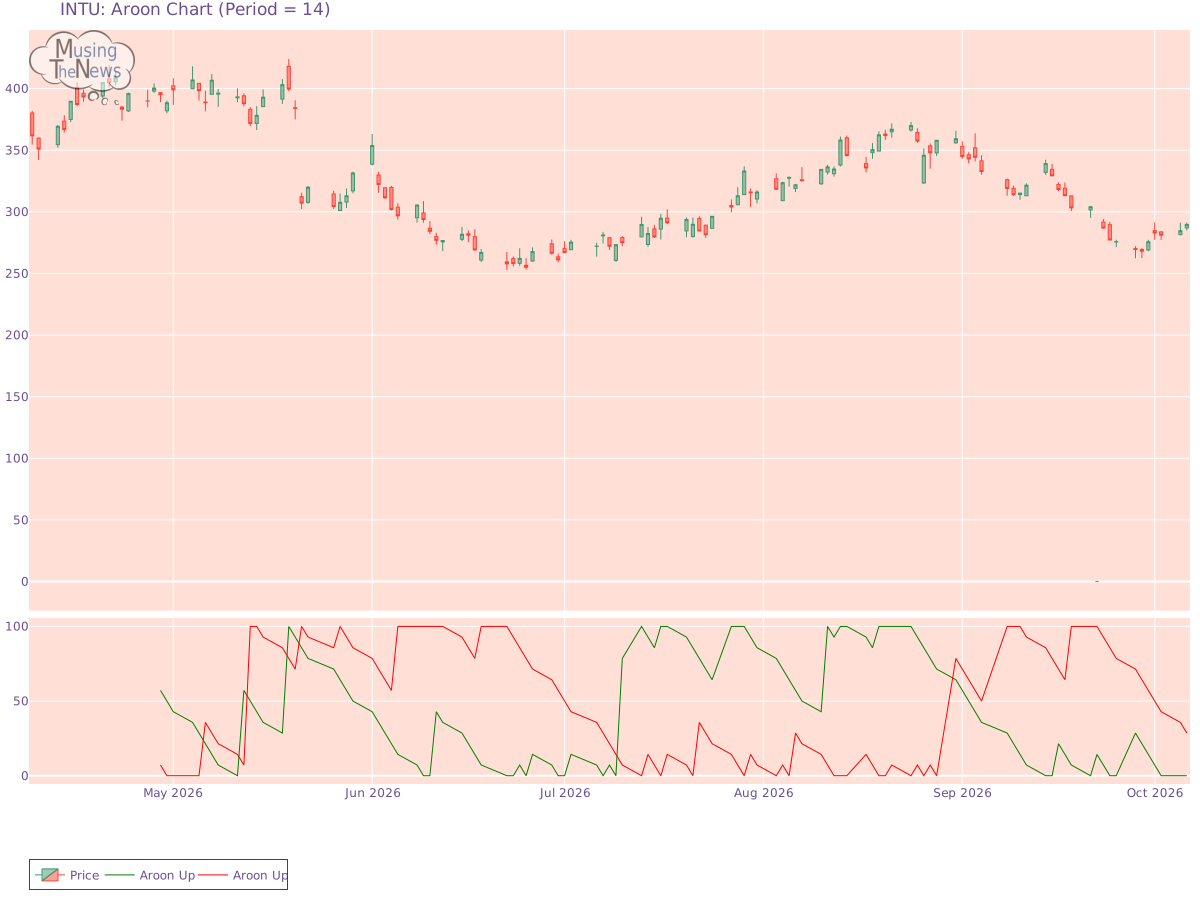
The current reading of the AROON indicator suggests a neutral stance, with no clear signals indicating an upward or downward direction. This lack of directional bias sugges...
By MusingTheNews
Updated 2026-10-07 23:26:27
Overall Technical outlook
Price Summary
Intuit Inc.'s stock opened at 287.0 on 2026-10-06, surged to 291.26, hit a low of 284.87, and closed up 0.98% at 289.81, with 3496000 shares traded. During the past 52 weeks, the highest stock price was 683.39, and the lowest was 0.0.
Technicals
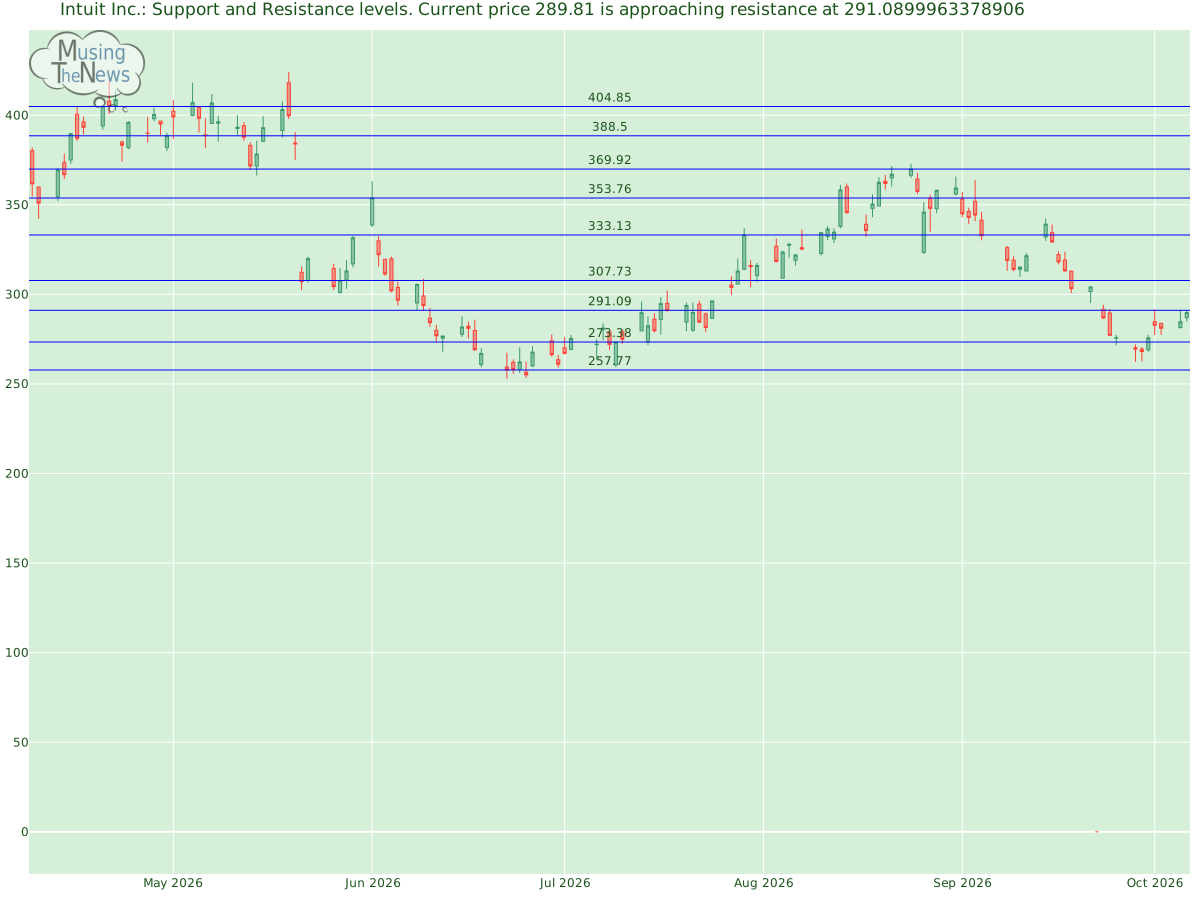
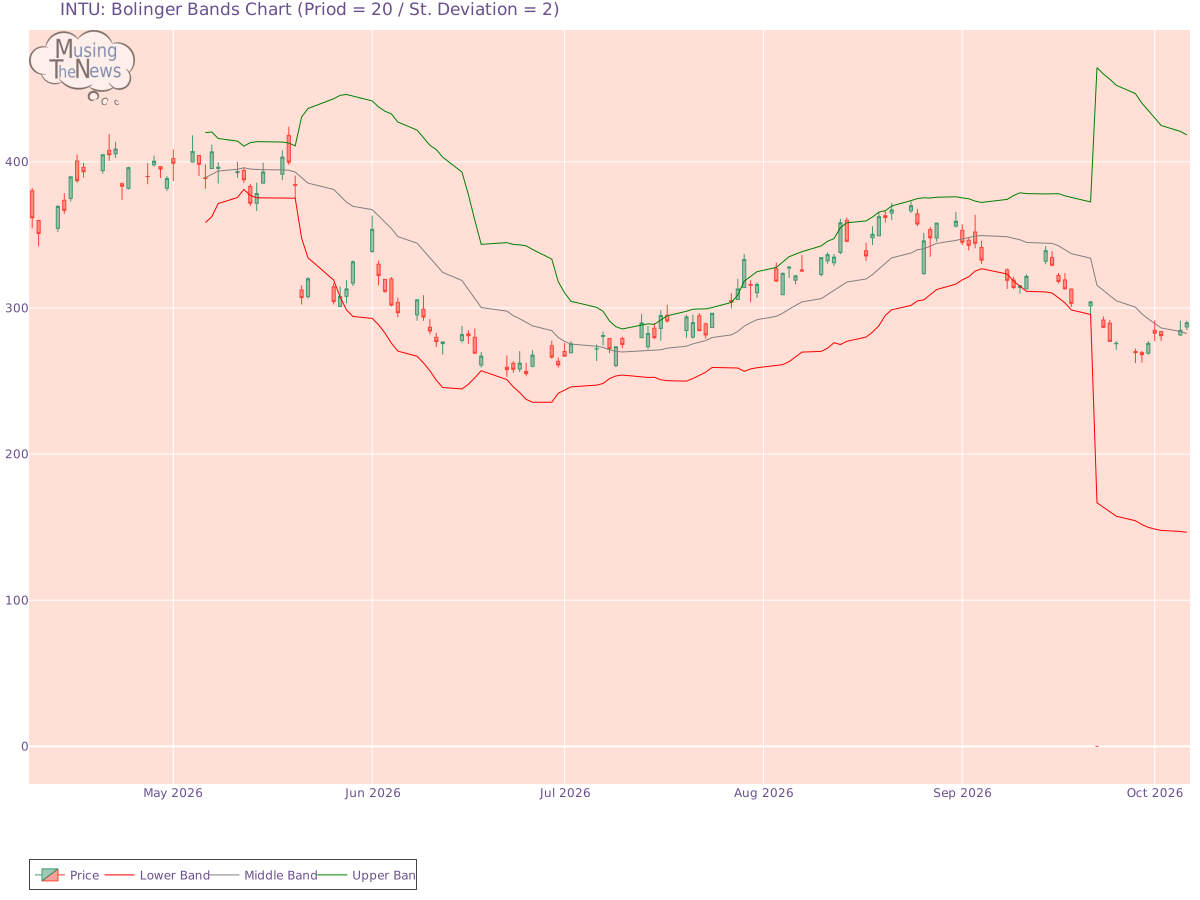
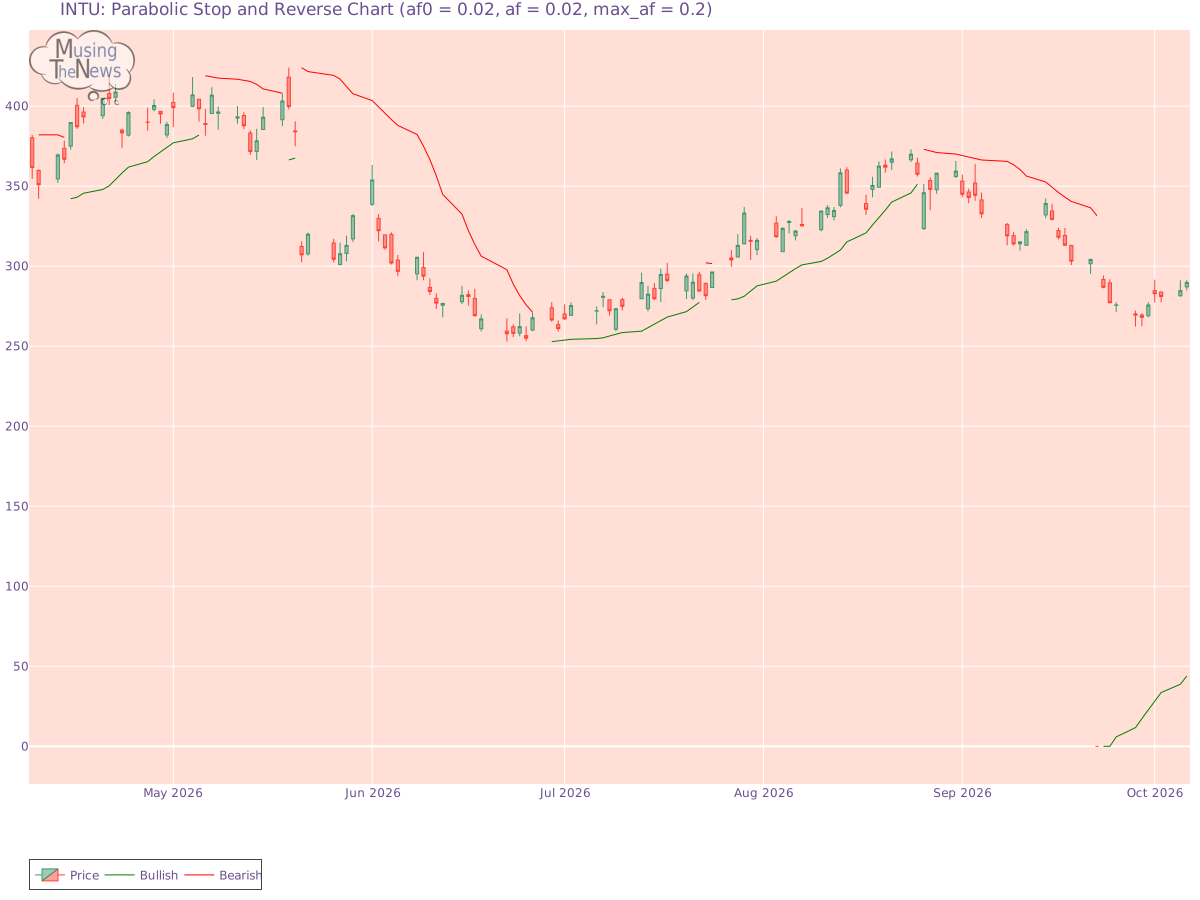
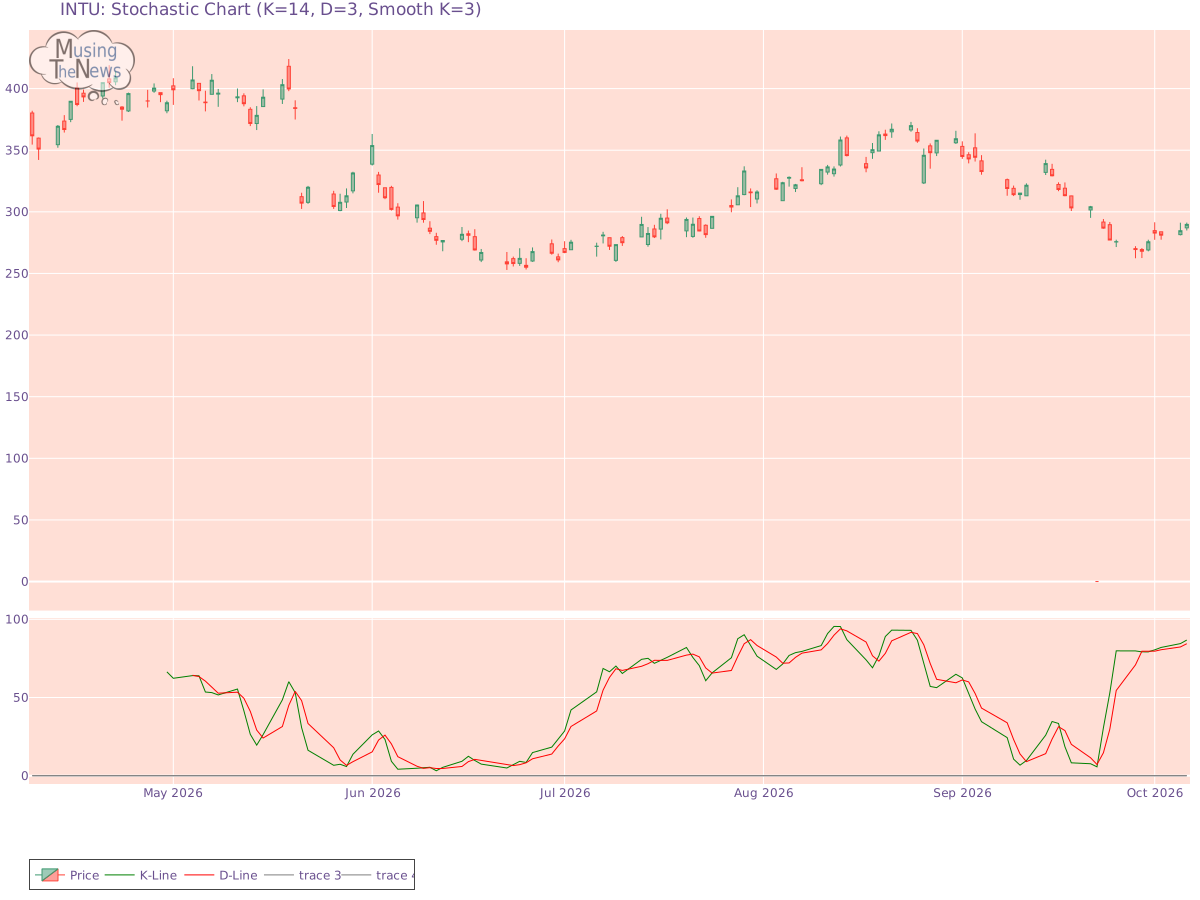
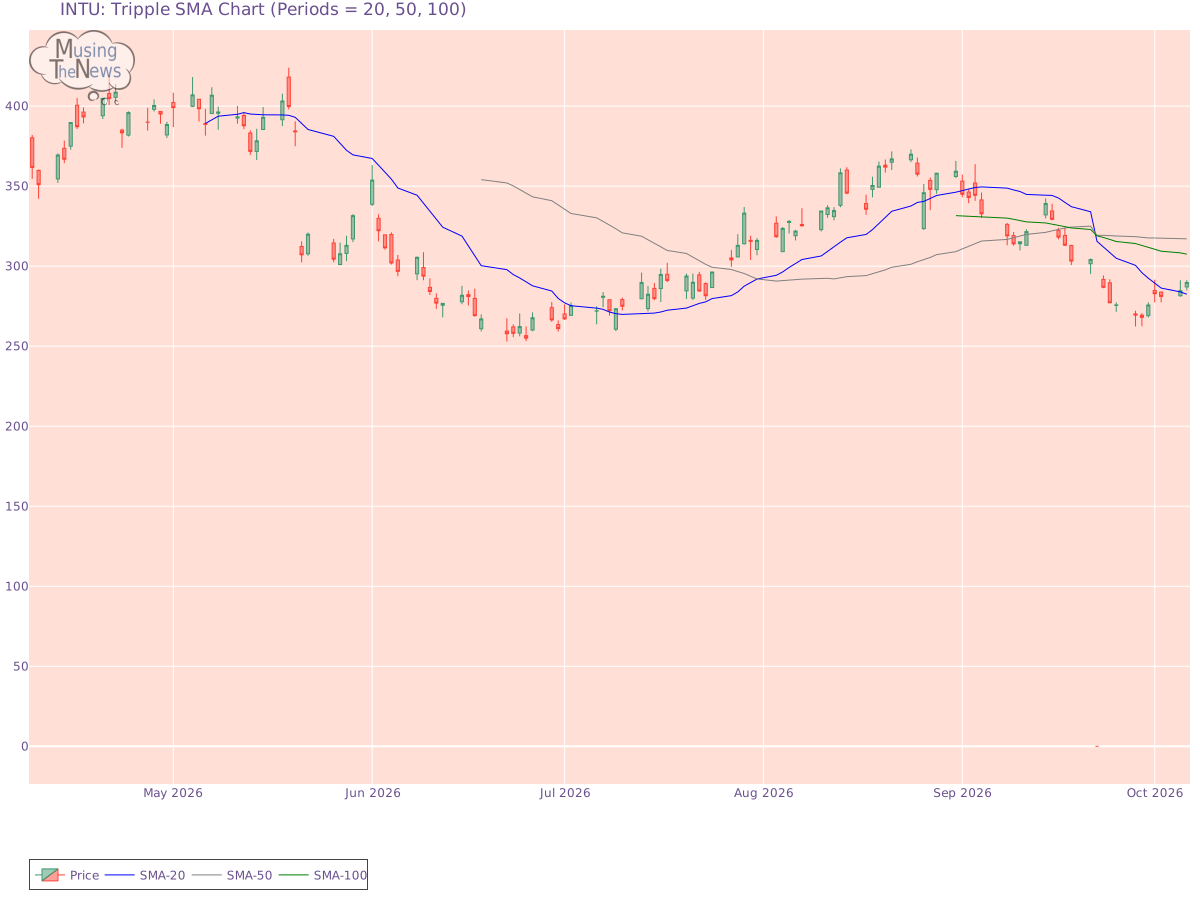
Support and Resistance: At 289.81, the price for INTU is supported at 273.38 and resisted at 291.09. This indicates a trading range where 273.38 serves as a support level, potentially preventing further decline, while 291.09 could limit upward movement.Support/Resistance for INTUAroon: The current reading of the AROON indicator suggests a neutral stance, with no clear signals indicating an upward or downward direction. This lack of directional bias suggests the market may be in a period of consolidation or uncertainty.Aroon chart for Intuit Inc.Bol. Bands: The BOLL BANDS is showing a neutral stance, not indicating a clear upward or downward trend for Intuit Inc.. This suggests a period of market balance, where neither side is showing dominance.Bolinger Bands chart for Intuit Inc.Parabolic SAR: The PSAR continues its bullish outlook, reinforcing a crucial support level that may help sustain the current upward trend. This support suggests that the market is likely to continue climbing, with the bullish momentum remaining strong.Parabolic Stop and Reverse chart for Intuit Inc.Stochastic: The stochastic indicator is in a bullish phase, as the K-line is above the D-line and the 80 mark. This setup suggests strong upward momentum, implying that INTU may continue to experience gains. Investors may consider this a positive signal for continued market growth.Stochastic chart for Intuit Inc.Tripple Moving Agerage: The Tripple MOVING AVG is showing a neutral stance, not indicating a clear upward or downward trend for Intuit Inc.. This suggests a period of market balance, where neither side is showing dominance.Tripple SMA chart for Intuit Inc. In order to draw meaningful inferences from a company's technical data, it is essential to first consider its fundamentals. This includes reviewing financial metrics like revenue, profit margins, and debt-to-equity ratios. Additionally, understanding the broader industry landscape, including market trends and competitive pressures, is crucial. By integrating these insights with the company's technical performance, such as stock price fluctuations and trading volume, one can make more informed investment decisions.