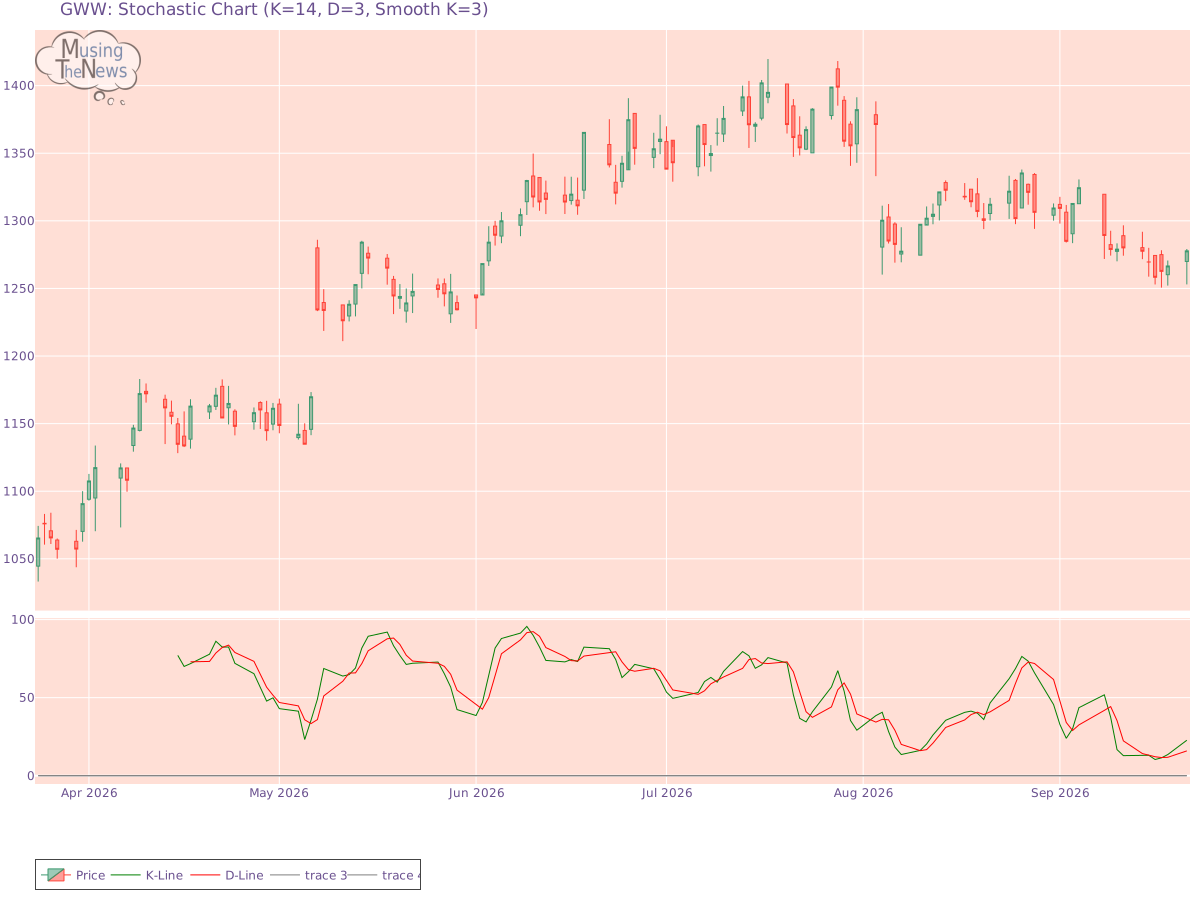
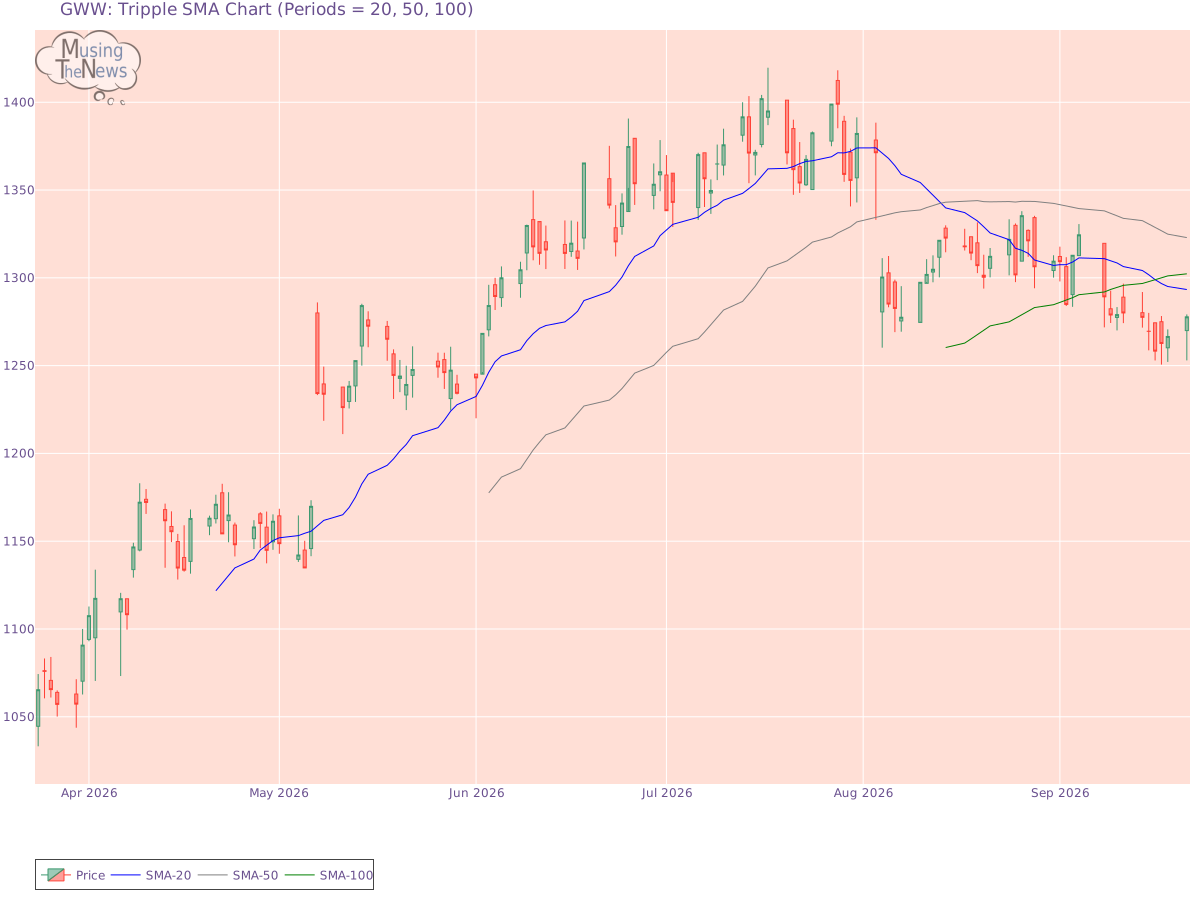
The Tripple MOVING AVG is currently in a neutral position, offering no clear indication of movement up or down. This suggests that the market may be experiencing a period o...
By MusingTheNews
Updated 2026-09-23 02:47:54
Overall Technical outlook
Price Summary
On 2026-09-21, W.W. Grainger, Inc.'s stock opened at 1269.95, peaked at 1279.16, hit a low of 1252.97, and closed 0.62% up at 1277.79, with 212900 shares changing hands. Over the past 52 weeks, the stock reached a maximum price of 1402.03 and a minimum price of 918.18.
Technicals
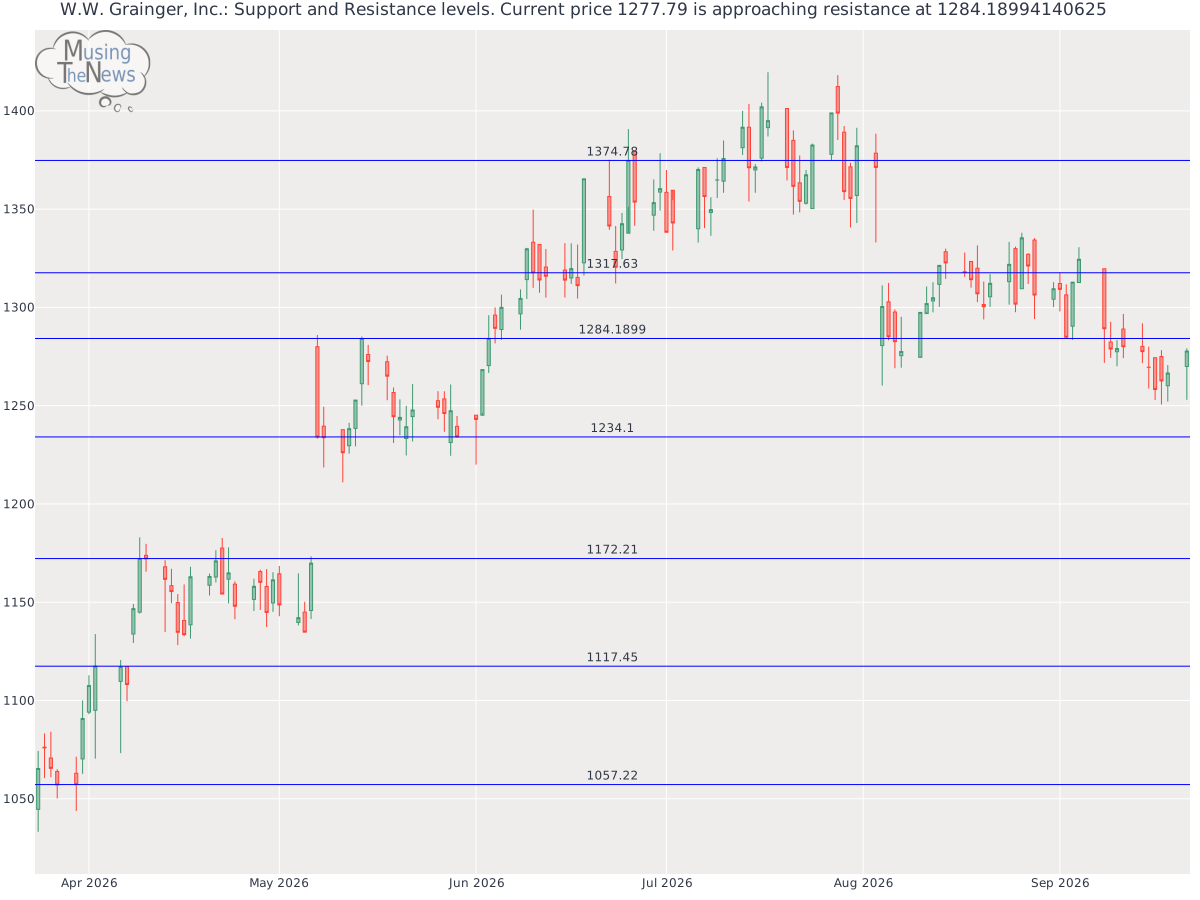
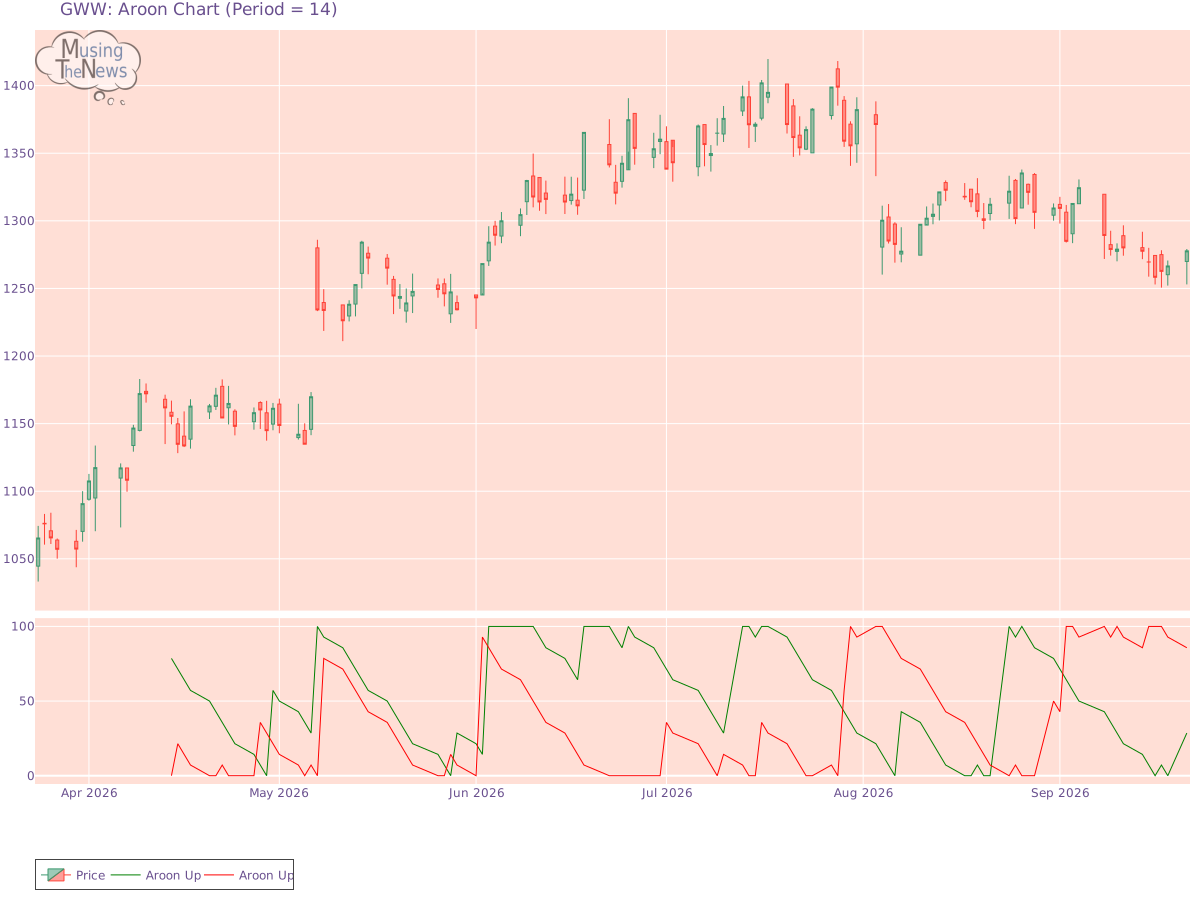
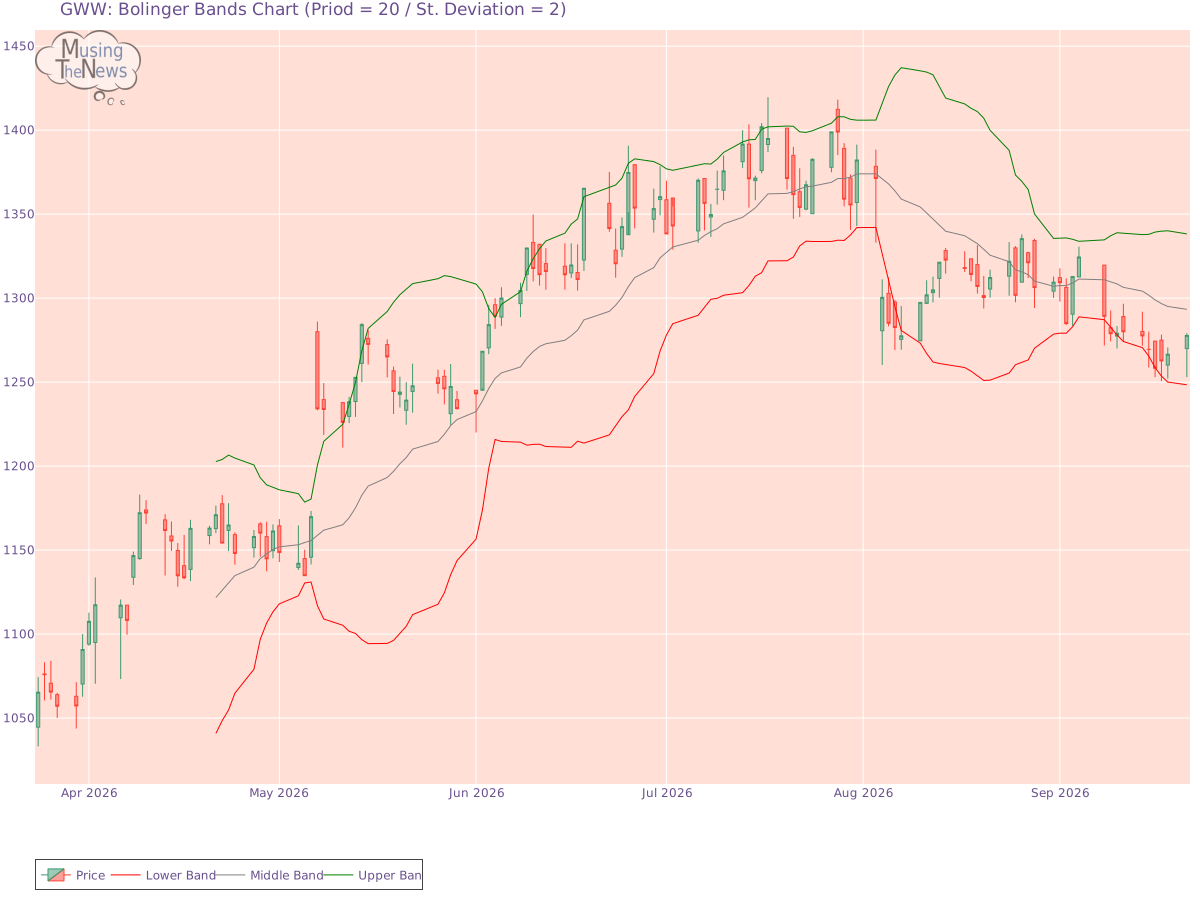
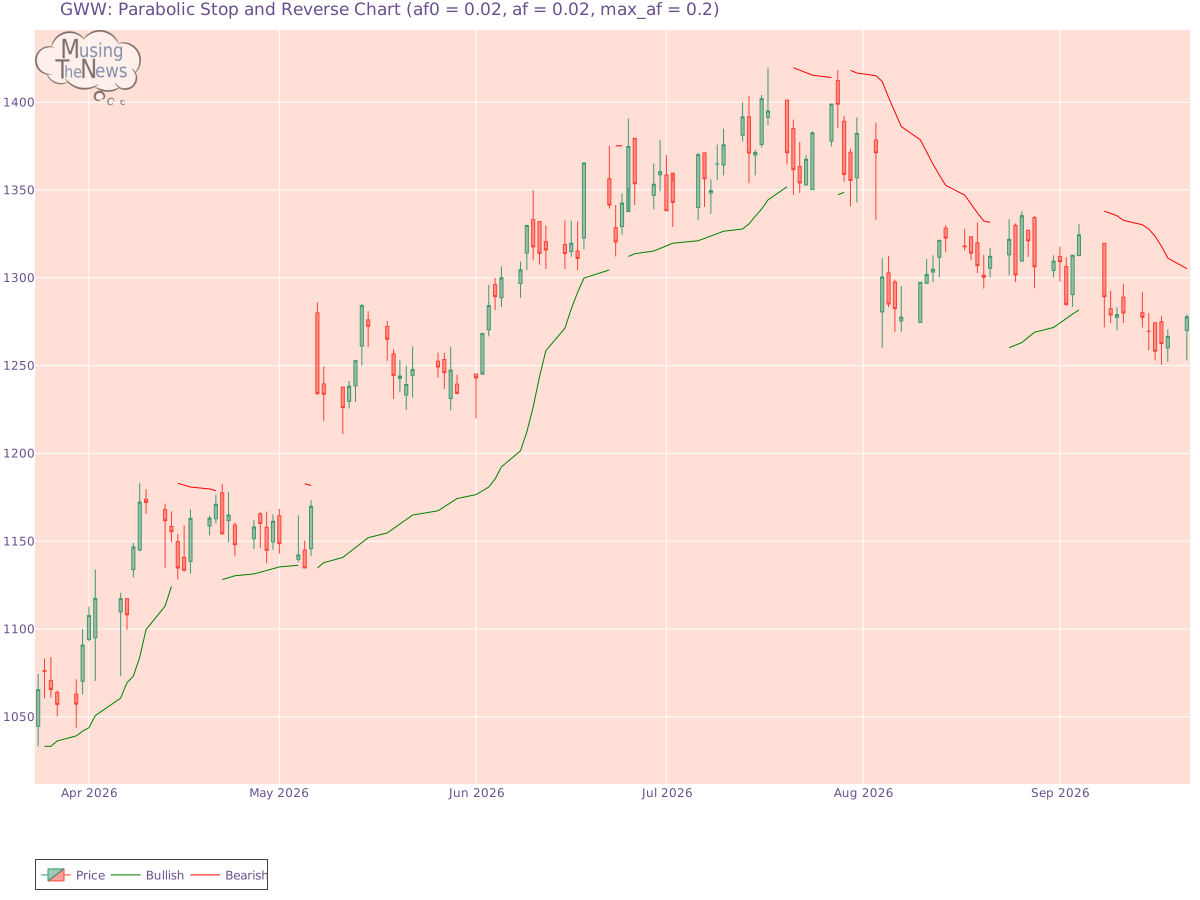
Support and Resistance: The current price of 1277.79 for GWW is supported at 1234.1 and faces resistance at 1284.19. These levels indicate that 1234.1 could act as a floor, while 1284.19 might limit any further price increases.Support/Resistance for GWWAroon: The AROON is currently neutral, showing no clear bias toward a rising or falling trend. This lack of directional clarity suggests that the market may be in a holding pattern, awaiting further developments.Aroon chart for W.W. Grainger, Inc.Bol. Bands: The BOLL BANDS is currently in a neutral position for W.W. Grainger, Inc., offering no clear guidance on whether the market is likely to move up or down. This neutral stance suggests that further observation may be necessary before a trend becomes apparent.Bolinger Bands chart for W.W. Grainger, Inc.Parabolic SAR: The PSAR continues to signal a bearish outlook, establishing a resistance level that could act as a ceiling for upward trends. This resistance suggests that the market may struggle to overcome bearish forces, keeping prices under pressure.Parabolic Stop and Reverse chart for W.W. Grainger, Inc.Stochastic: The STOCHASTIC is currently in a neutral position, offering no clear indication of movement up or down. This suggests that the market may be experiencing a period of equilibrium, with no strong trend in play.Stochastic chart for W.W. Grainger, Inc.Tripple Moving Agerage: The Tripple MOVING AVG is currently in a neutral position, offering no clear indication of movement up or down. This suggests that the market may be experiencing a period of equilibrium, with no strong trend in play.Tripple SMA chart for W.W. Grainger, Inc. Analyzing the technical indicators of a company, such as stock price and trading volume, requires first understanding its fundamentals. These fundamentals include profitability, growth potential, and market position. Furthermore, knowing the broader industry trends and competitive landscape provides critical context. When both the company's internal data and the external environment are considered, it allows for more meaningful conclusions about the company's technical performance and future trajectory.