The AROON is in a neutral stance for EQR, not indicating a clear upward or downward trend. This suggests a period of market indecision, where neither bulls nor bears have t...
By MusingTheNews
Updated 2026-10-07 23:26:12
Overall Technical outlook
Price Summary
Equity Residential's stock opened at 63.66 on 2026-08-21, surged to 63.66, dropped to 63.66, and ended 0.0% lower at 63.66, with 0 shares traded. During the 52-week span, the stock hit a high of 70.15 and a low of 57.29.
Technicals
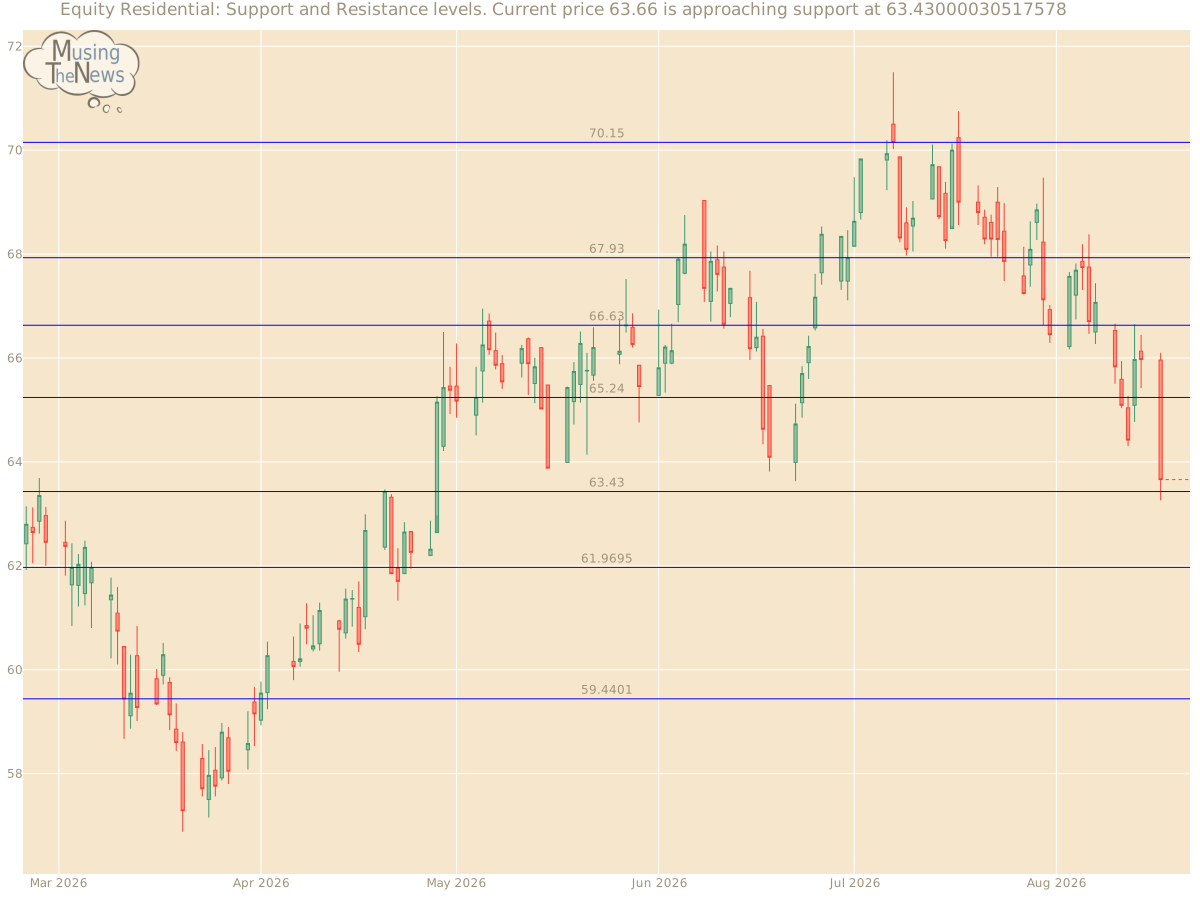
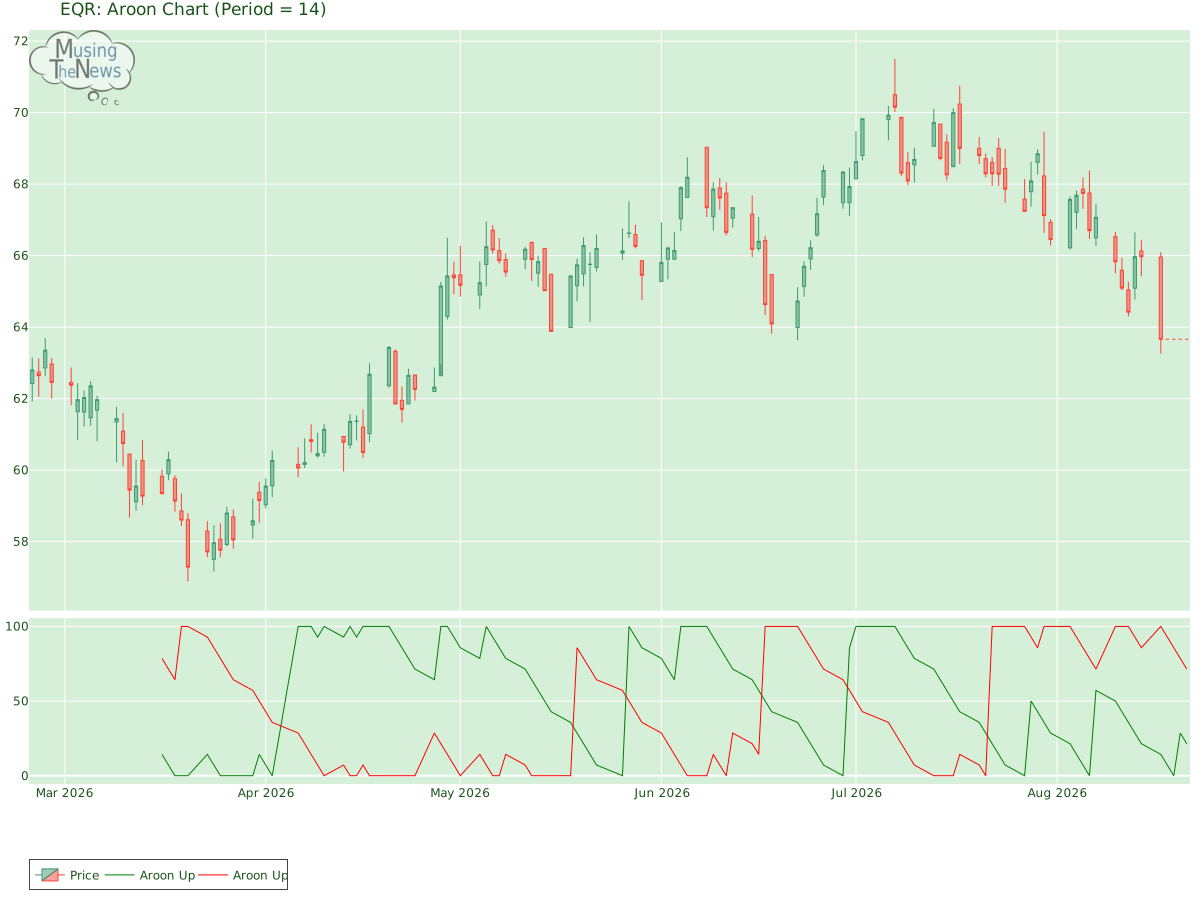
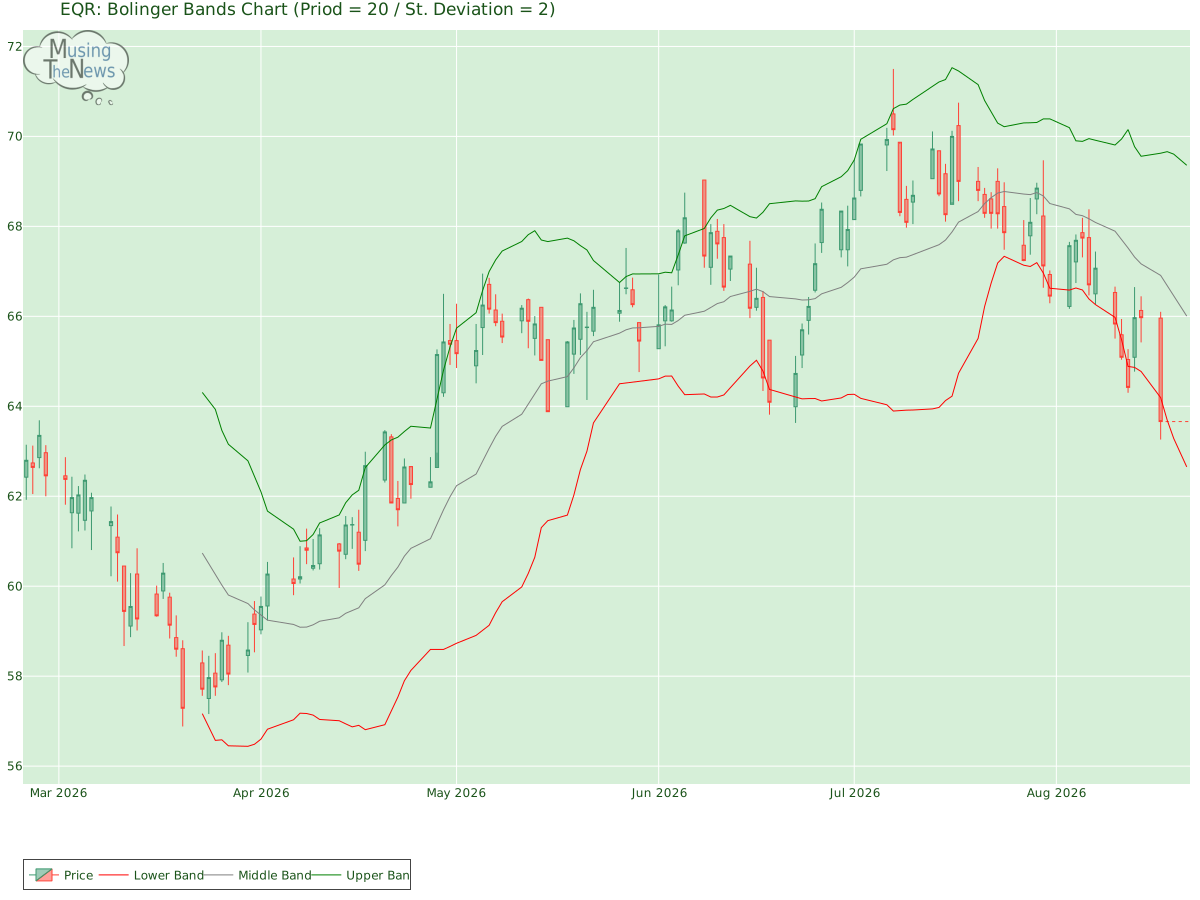
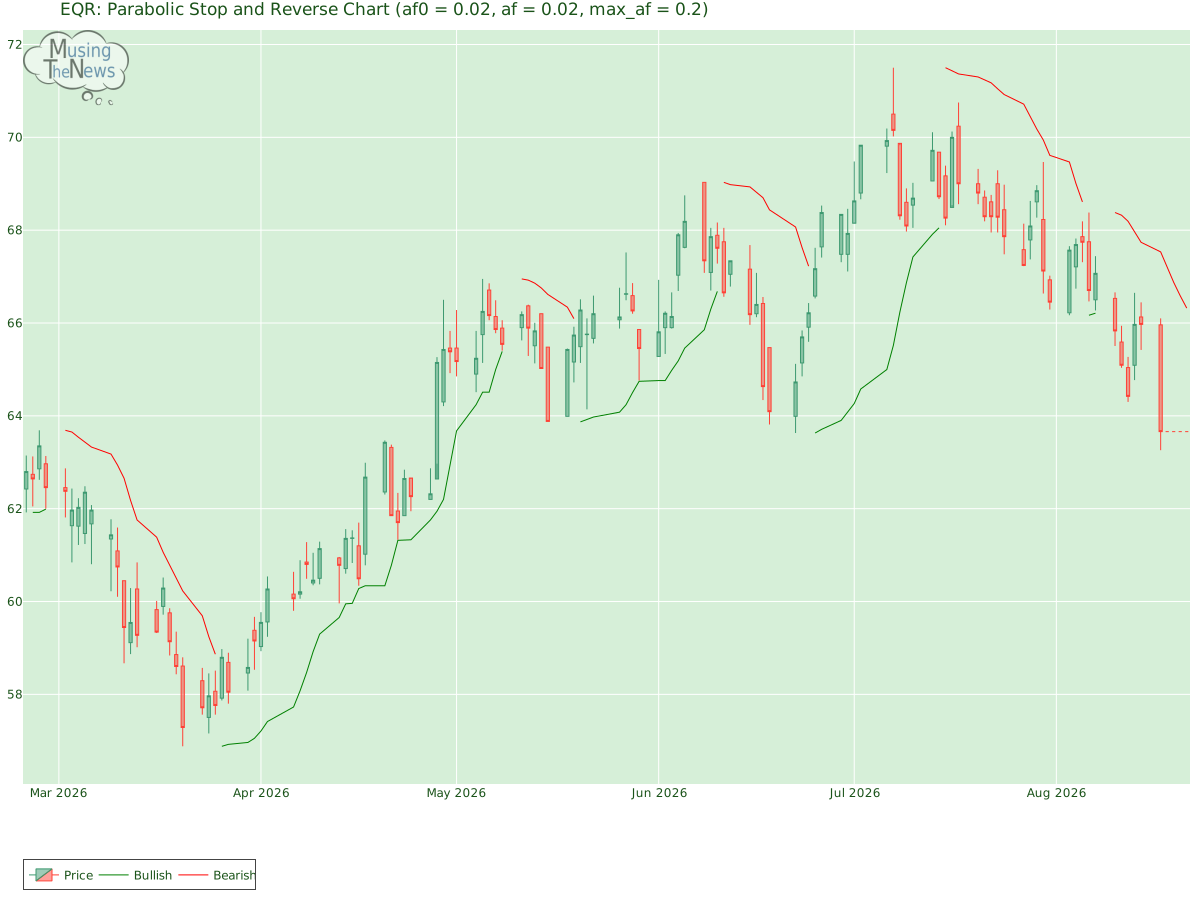
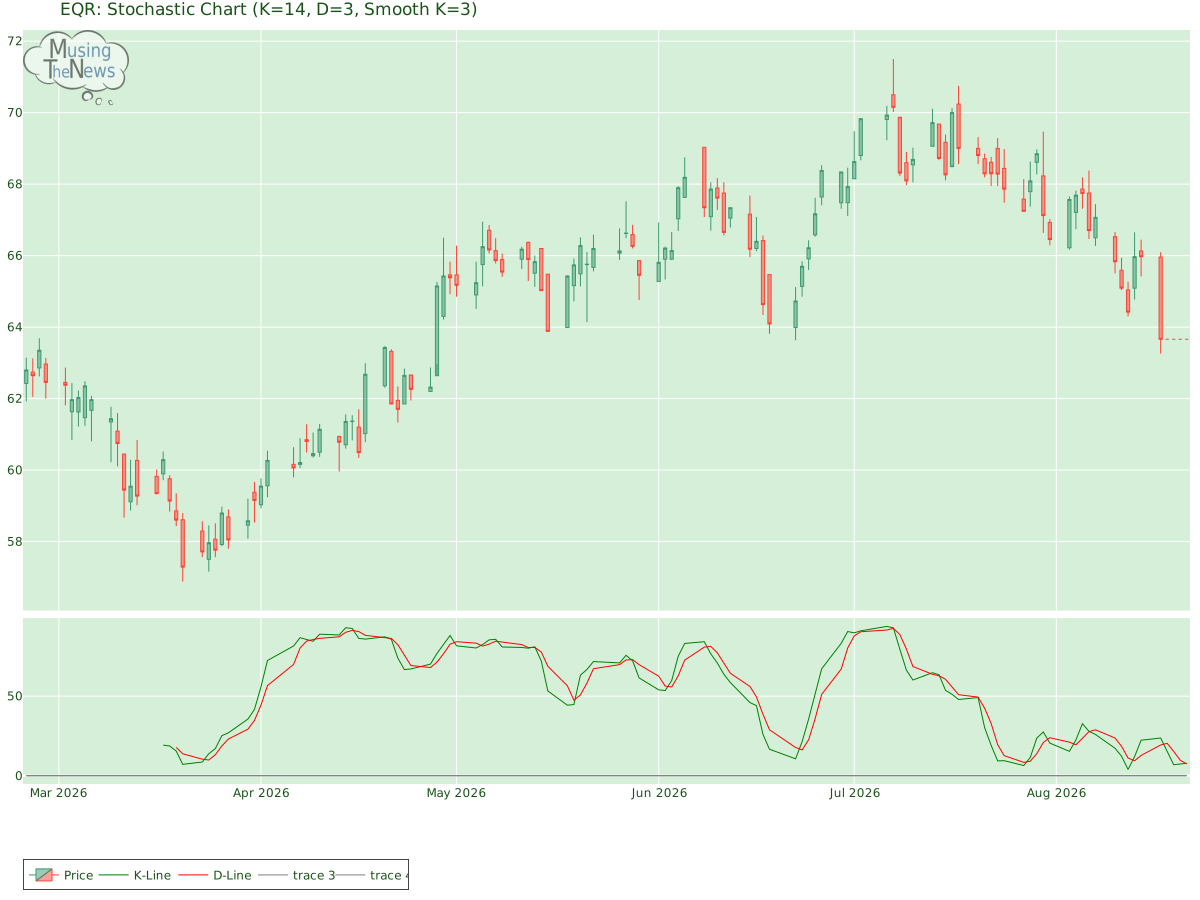
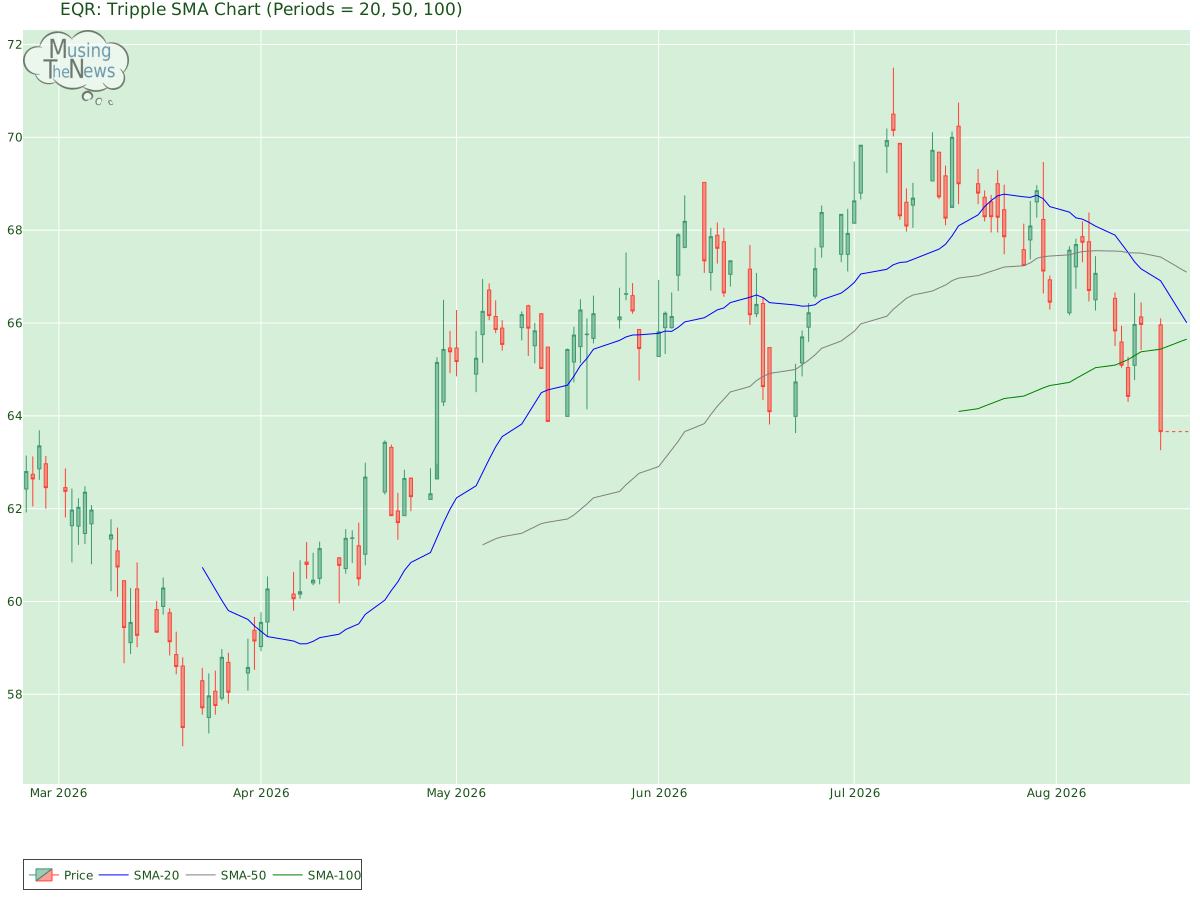
Support and Resistance: The current price sits at 63.66, supported at 63.43 and capped by resistance at 65.24. These levels define a range for EQR where the price might stabilize, with 63.43 as a floor and 65.24 as a ceiling.Support/Resistance for EQRAroon: The AROON is in a neutral stance for EQR, not indicating a clear upward or downward trend. This suggests a period of market indecision, where neither bulls nor bears have the upper hand.Aroon chart for Equity ResidentialBol. Bands: The BOLL BANDS is currently neutral, showing no clear bias toward an upward or downward trend. This suggests that the market may be in a phase of indecision or consolidation.Bolinger Bands chart for Equity ResidentialParabolic SAR: The PSAR maintains a bearish outlook for EQR, establishing a key resistance level that could limit further gains. This ongoing bearish trend suggests that the market may struggle to overcome this resistance, keeping upward movement subdued.Parabolic Stop and Reverse chart for Equity ResidentialStochastic: The stochastic indicator reflects a bullish outlook with the K-line above the D-line and below 20, signaling the likely start of a bullish move. This setup suggests that the market may be beginning to rise from a low level, potentially leading to an uptrend. Traders might interpret this as a positive entry signal.Stochastic chart for Equity ResidentialTripple Moving Agerage: The current state of the Tripple MOVING AVG is neutral, with no clear trend direction indicated. This lack of directional bias suggests that the market may be in a phase of consolidation or uncertainty.Tripple SMA chart for Equity Residential A comprehensive approach to analyzing a company requires considering both its technical and fundamental aspects. The company's fundamentals, such as its earnings, growth prospects, and financial health, provide a strong foundation for understanding technical indicators. Additionally, examining the industry it operates in helps contextualize the company's position within the broader market. By integrating these factors, one can gain more valuable insights into the company's stock performance and potential investment opportunities.