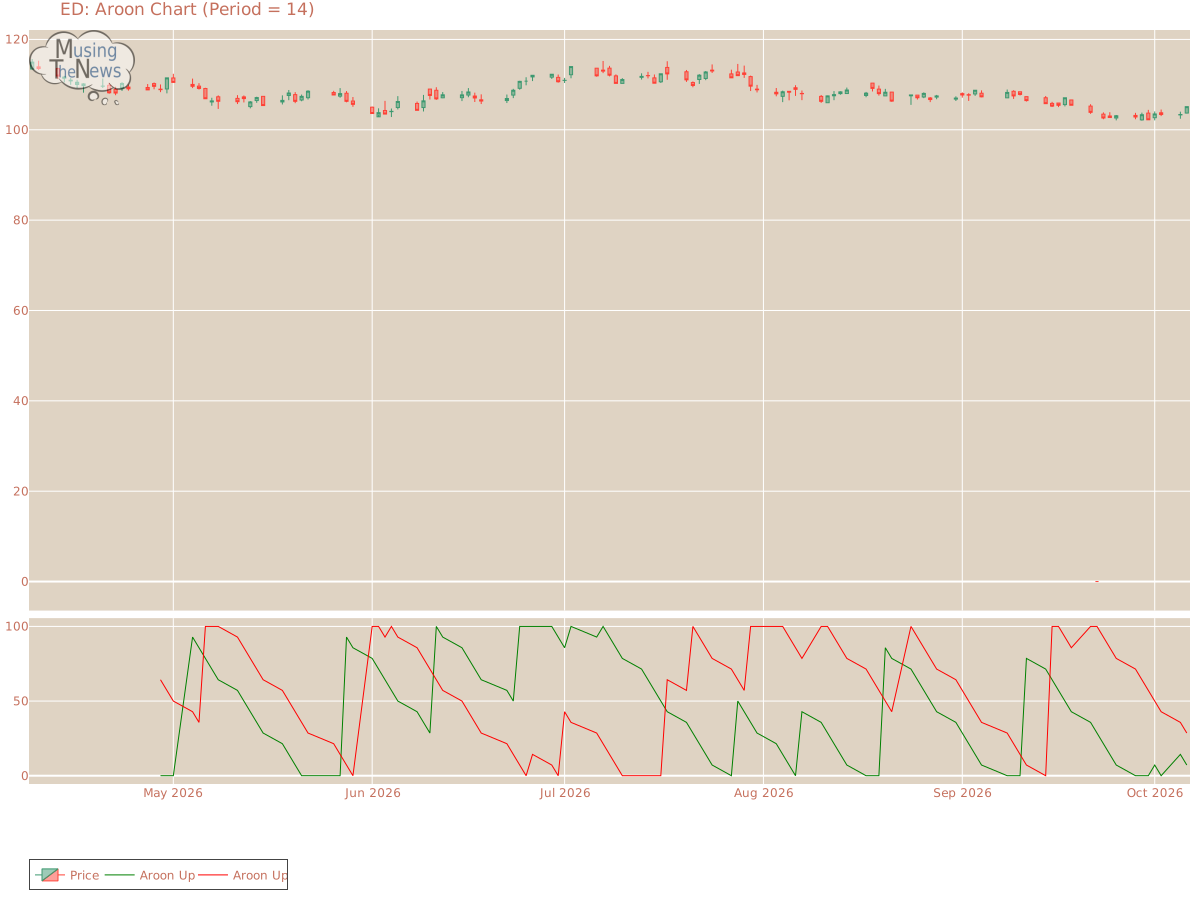
The current state of the AROON is neutral for ED, providing no clear indication of a trend in either direction. This suggests that the market may be lacking momentum, makin...
By MusingTheNews
Updated 2026-10-07 23:26:02
Overall Technical outlook
Price Summary
Consolidated Edison, Inc.'s stock opened at 103.7 on 2026-10-06, surged to a high of 105.23, hit a low of 103.57, and closed up 1.37% at 105.12, with 3272300 shares traded. In the last 52 weeks, the stock's top price was 115.46 and the bottom price was 0.0.
Technicals
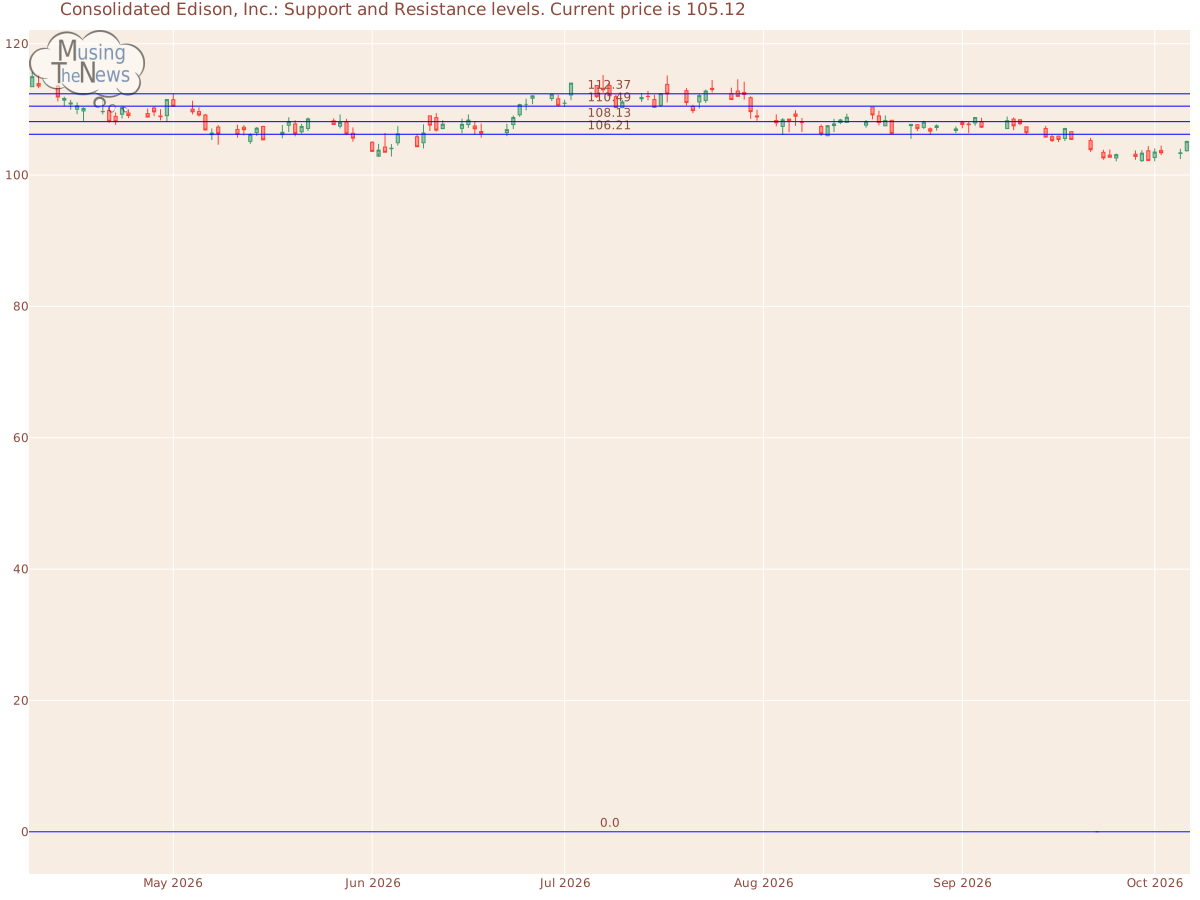
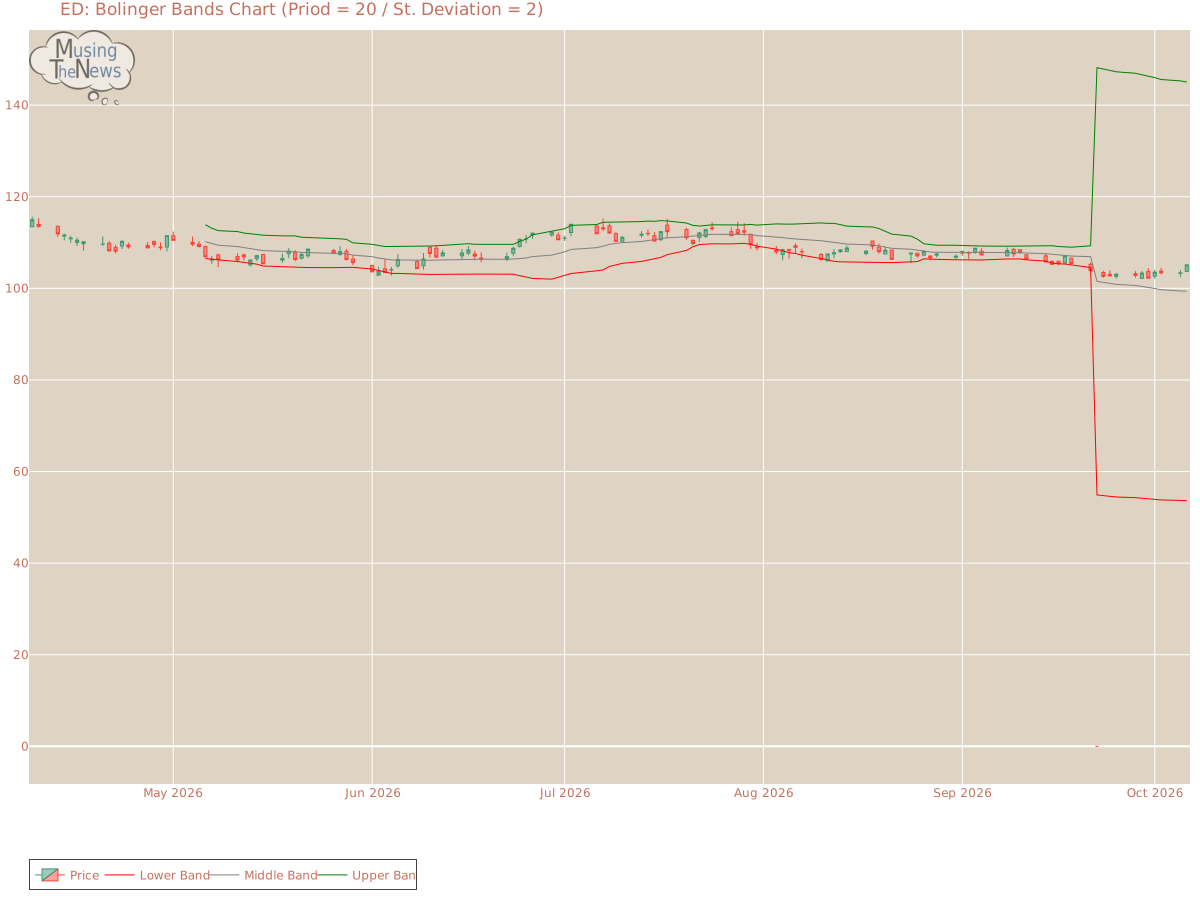
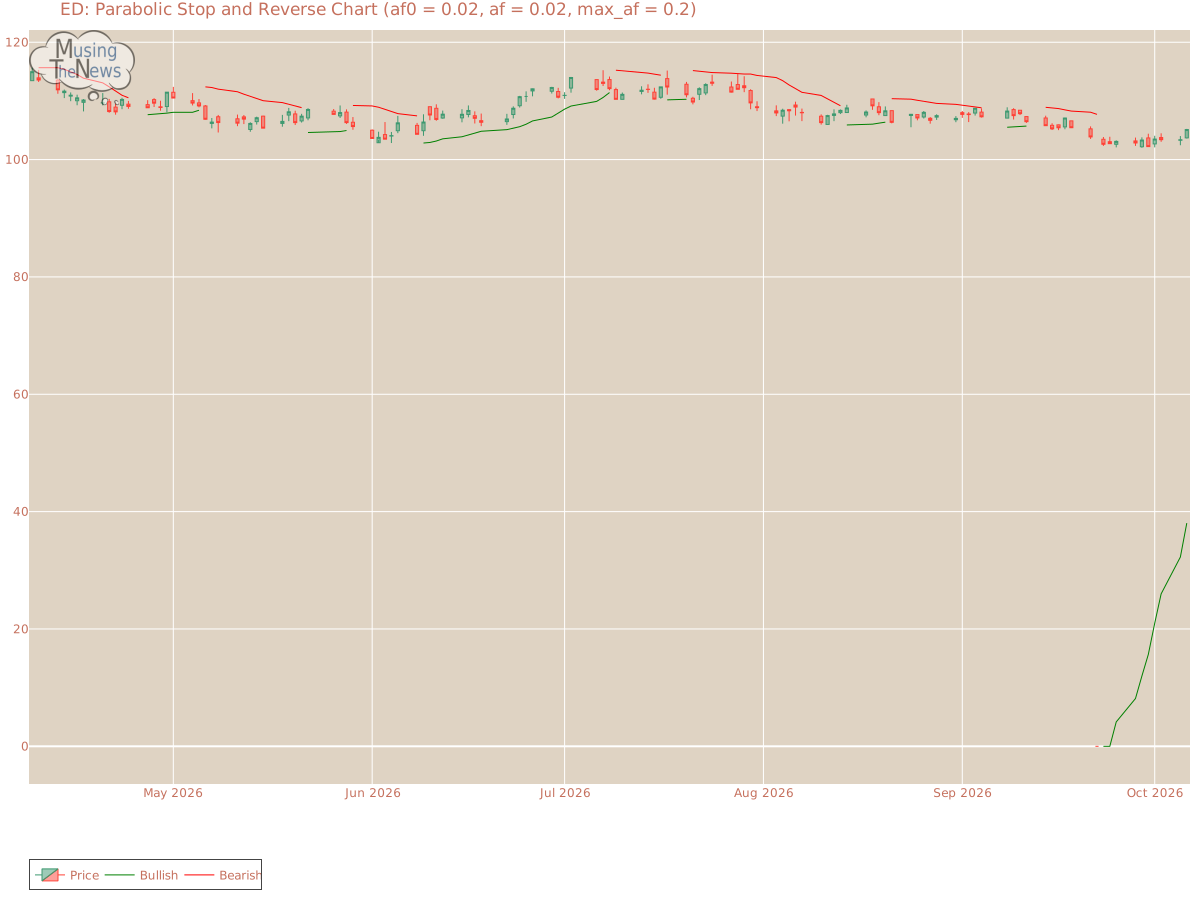
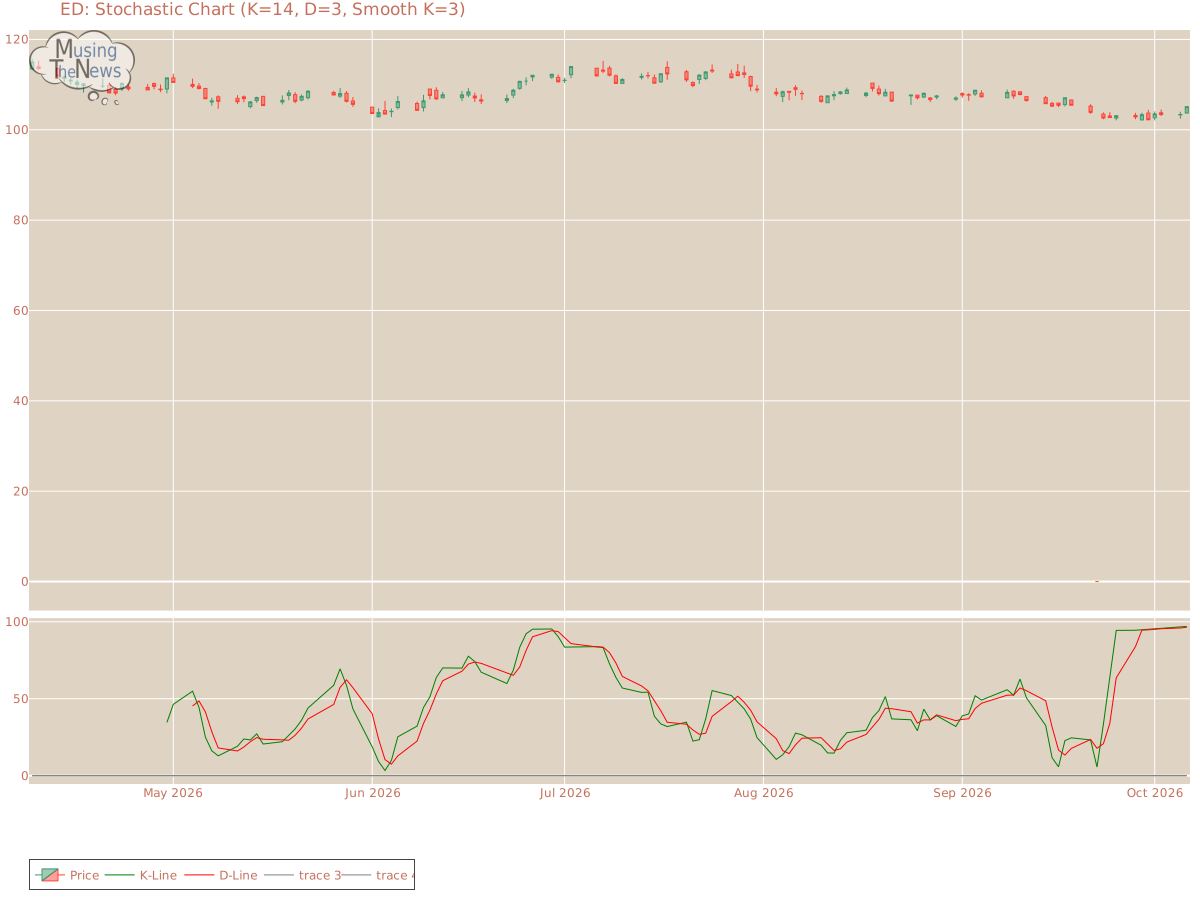
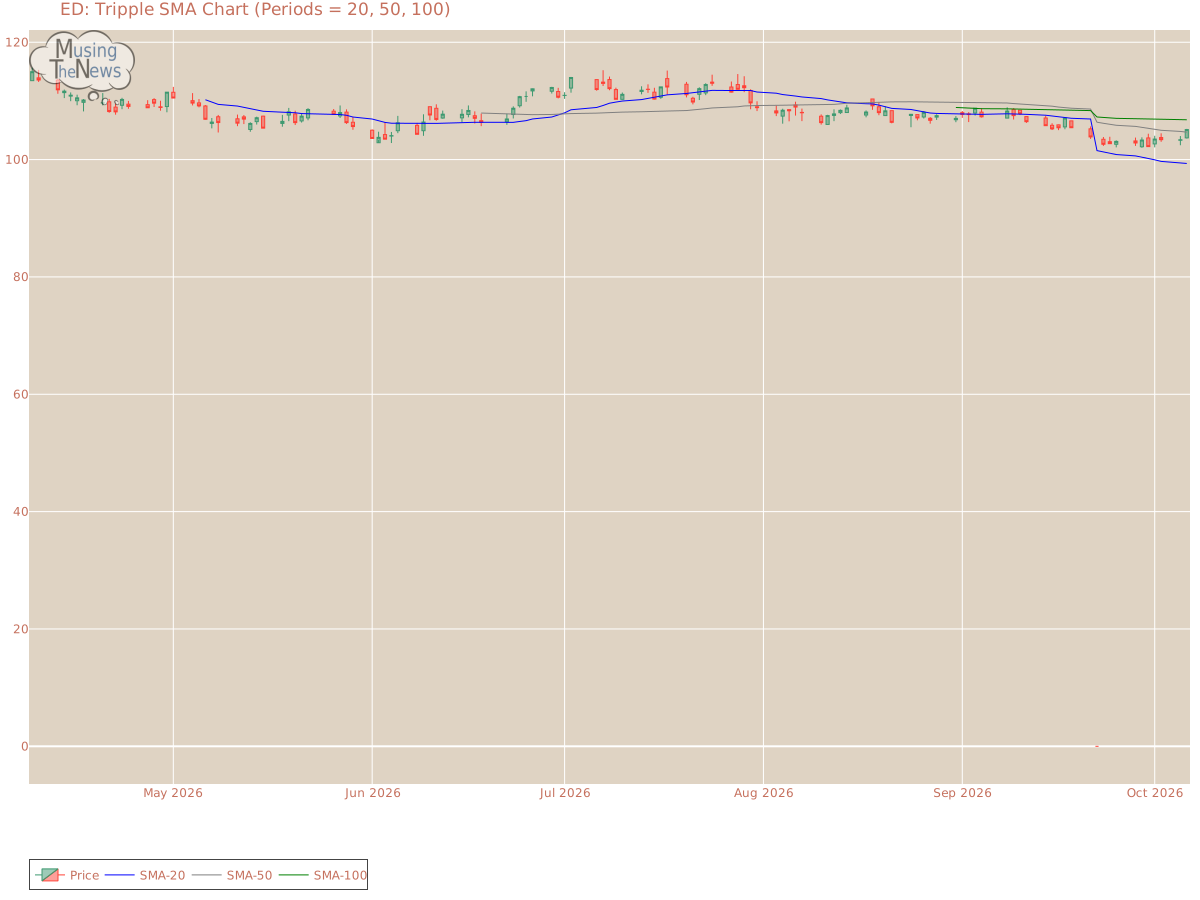
Support and Resistance: The price for ED is 105.12, with support at 0.0 and resistance at 106.21. This suggests a range where 0.0 acts as a base, preventing declines, and 106.21 caps gains, defining key trading levels.Support/Resistance for EDAroon: The current state of the AROON is neutral for ED, providing no clear indication of a trend in either direction. This suggests that the market may be lacking momentum, making it difficult to predict future movements.Aroon chart for Consolidated Edison, Inc.Bol. Bands: The BOLL BANDS is currently neutral, showing no clear bias toward a rising or falling trend. This lack of directional clarity suggests that the market may be in a holding pattern, awaiting further developments.Bolinger Bands chart for Consolidated Edison, Inc.Parabolic SAR: The PSAR remains bullish in its outlook, reinforcing a key support level that could help sustain the market's upward movement for ED. This support suggests that the bullish momentum is likely to persist, offering a foundation for further growth.Parabolic Stop and Reverse chart for Consolidated Edison, Inc.Stochastic: The stochastic indicator is in a bullish phase, as the K-line is above the D-line and the 80 mark. This setup suggests strong upward momentum, implying that ED may continue to experience gains. Investors may consider this a positive signal for continued market growth.Stochastic chart for Consolidated Edison, Inc.Tripple Moving Agerage: The alignment of the 20-50-100 period moving averages supports a bullish trend, yet the slopes of the shorter-term averages suggest a possible weakening. The faster averages indicate that a reversal might be approaching, with the upward momentum potentially losing steam. This could signal an upcoming change in direction.Tripple SMA chart for Consolidated Edison, Inc. When evaluating a company, it is crucial to examine its fundamentals, including its financial statements, management structure, and market position. Additionally, understanding the broader industry trends, competition, and regulatory landscape helps to create a well-rounded view. By assessing both the company's internal factors and the external environment in which it operates, you can extract more valuable insights from its technical performance, such as stock price movements and trading patterns.