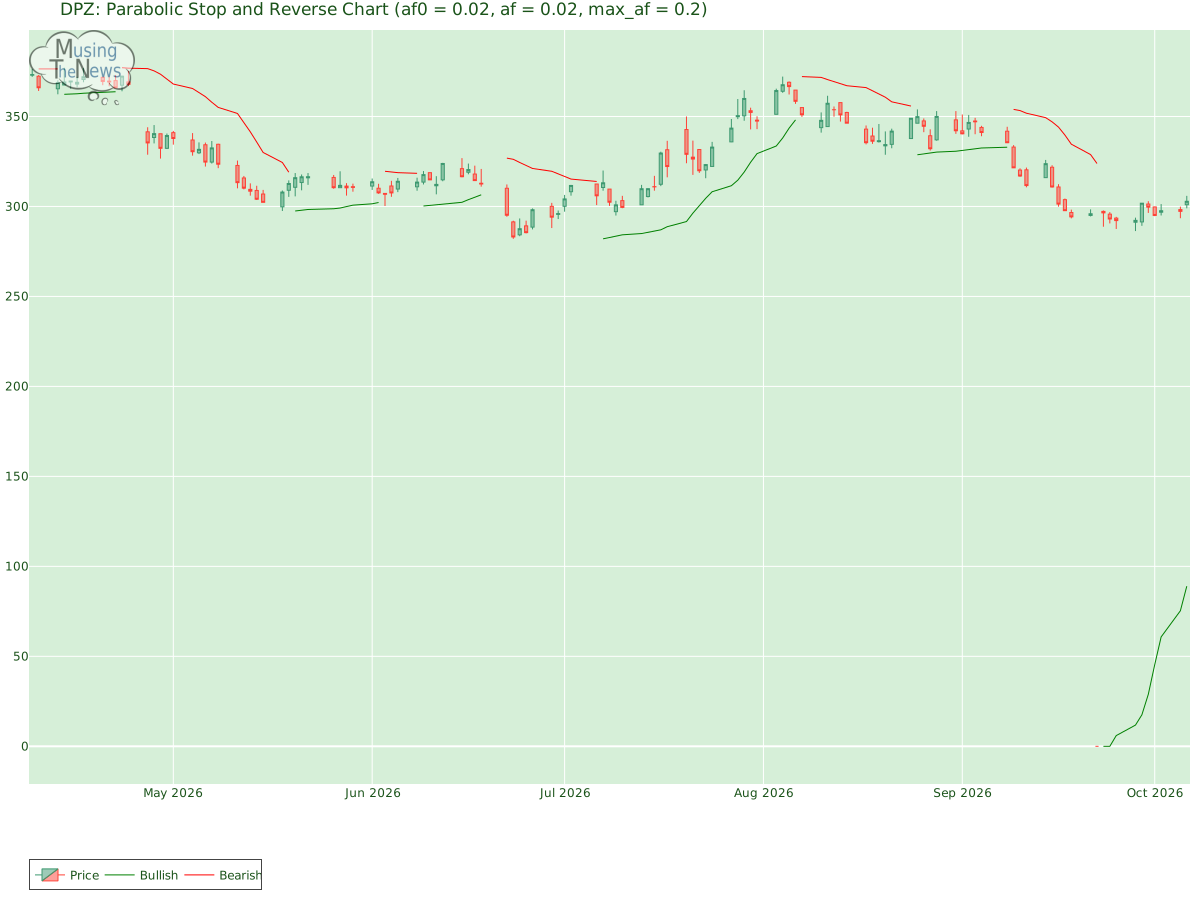
The PSAR remains bullish, reinforcing a significant support level. This steady support suggests that the market's upward trend may continue, providing a solid foundation fo...
By MusingTheNews
Updated 2026-10-07 23:26:08
Overall Technical outlook
Price Summary
On 2026-10-06, Domino's Pizza, Inc.'s stock opened at 300.95, reached a high of 305.89, dropped to a low of 298.96, and closed higher 0.64% at 302.87, with a trading volume of 754200 shares. During the 52-week span, the stock hit a high of 438.42 and a low of 0.0.
Technicals
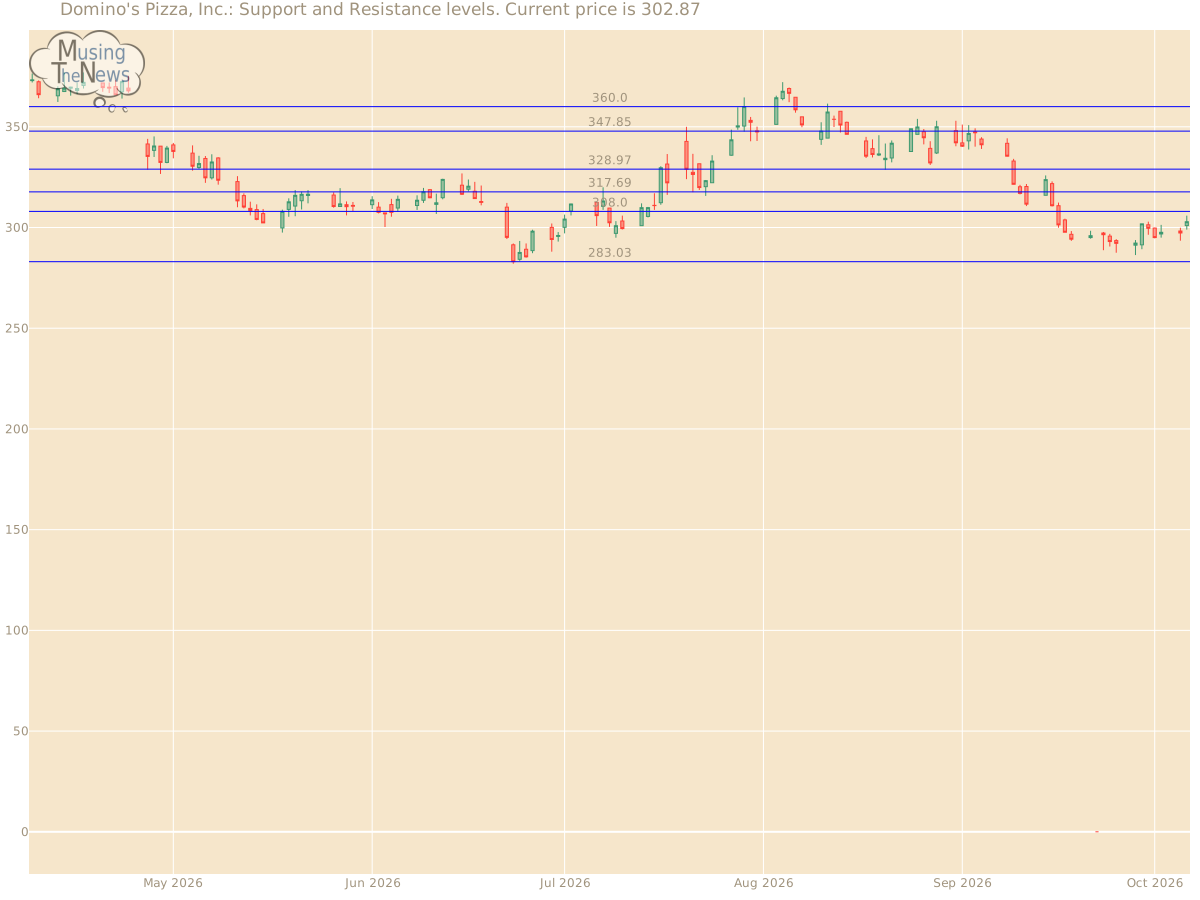
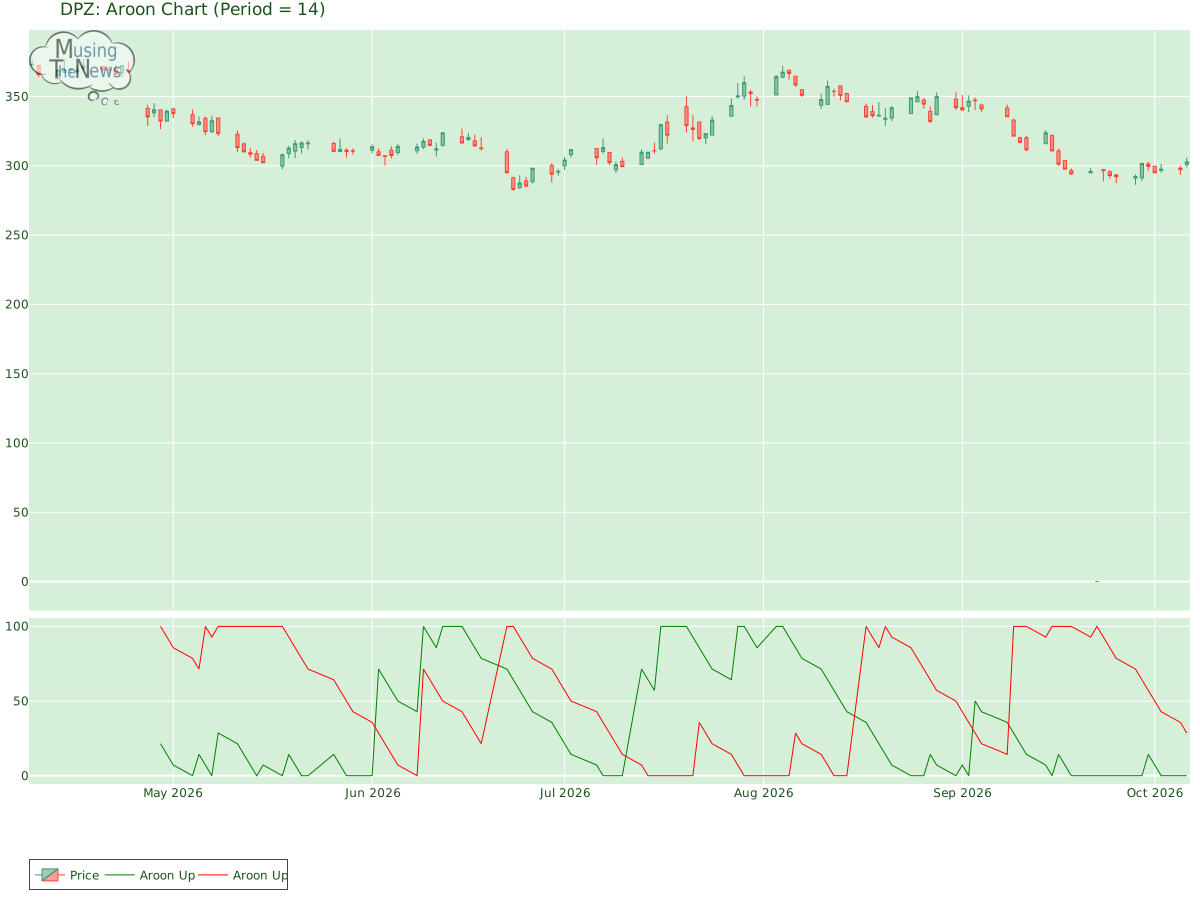
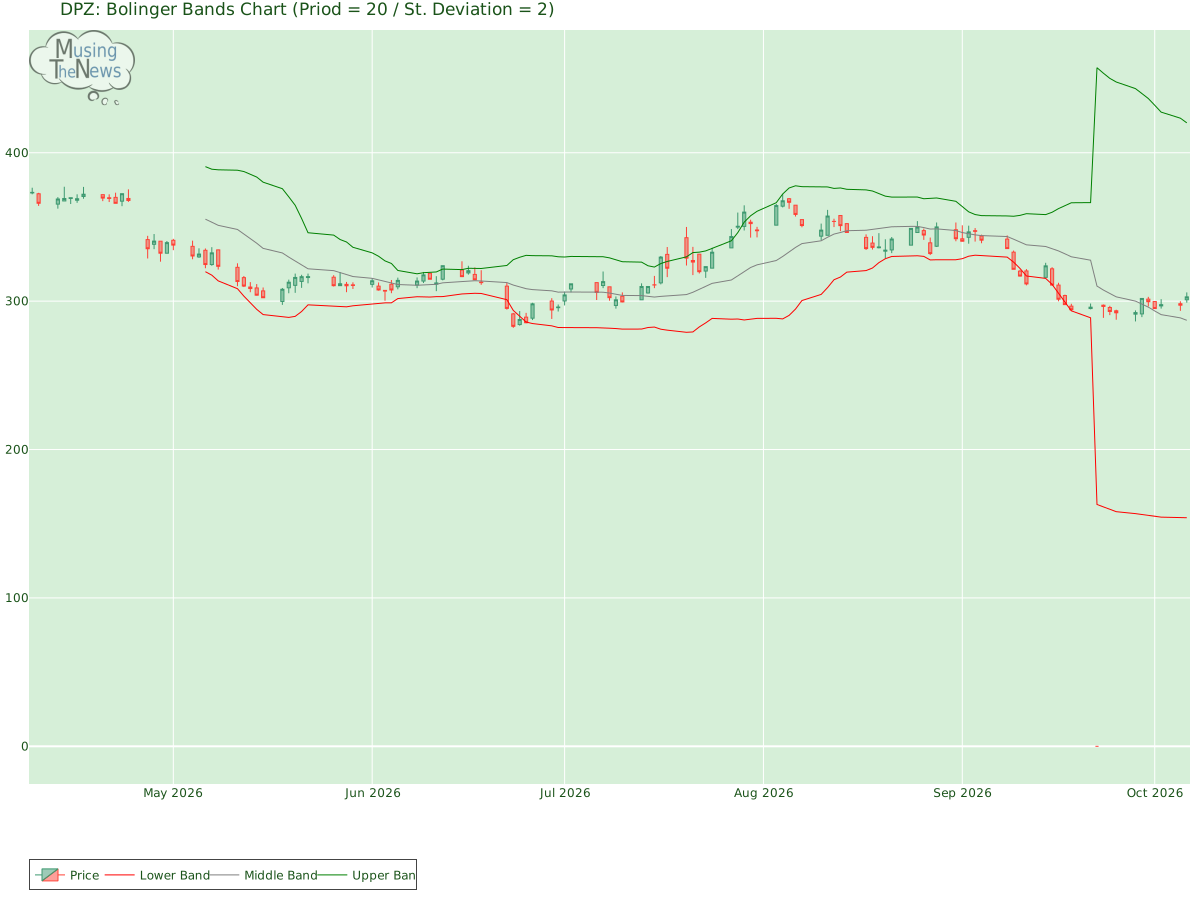
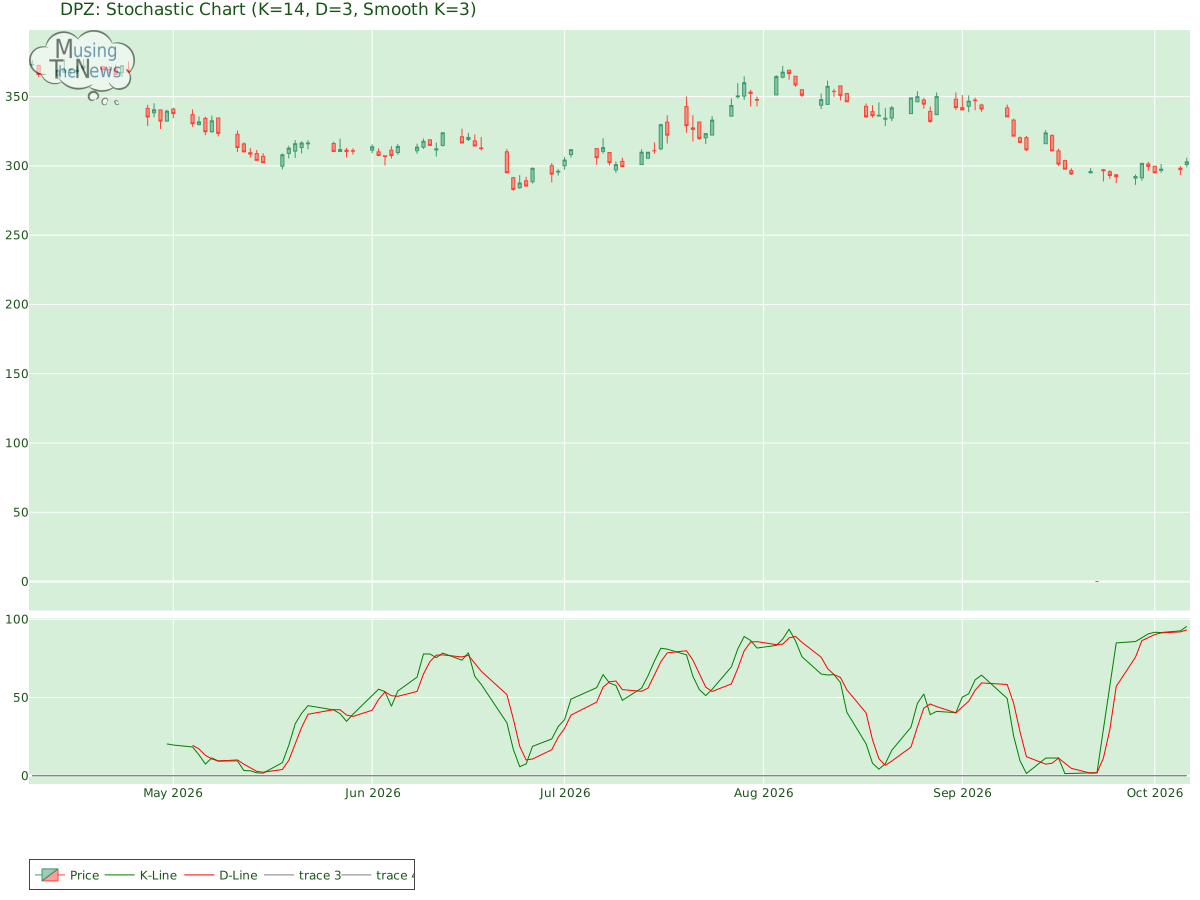
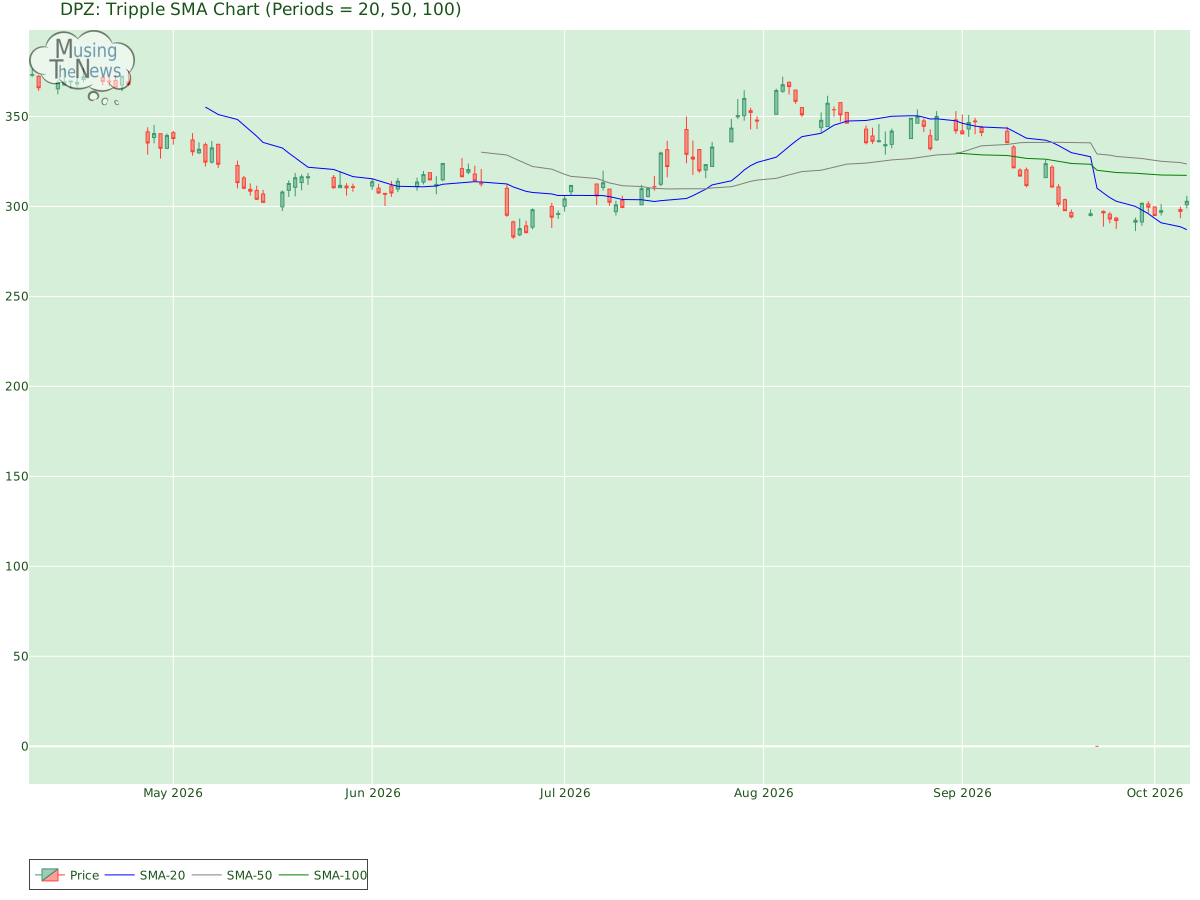
Support and Resistance: The price is currently at 302.87, supported by 283.03 and resisted by 308.0. This indicates a range where 283.03 may provide a base for the price, while 308.0 serves as a cap on further upward movement for DPZ.Support/Resistance for DPZAroon: The current reading of the AROON is neutral, offering no clear signals for a movement in either direction. This suggests that the market may be in a holding pattern, with no dominant trend in place.Aroon chart for Domino's Pizza, Inc.Bol. Bands: The BOLL BANDS is currently in a neutral position for Domino's Pizza, Inc., offering no clear guidance on whether the market is likely to move up or down. This neutral stance suggests that further observation may be necessary before a trend becomes apparent.Bolinger Bands chart for Domino's Pizza, Inc.Parabolic SAR: The PSAR remains bullish, reinforcing a significant support level. This steady support suggests that the market's upward trend may continue, providing a solid foundation for potential gains for DPZ. Investors might see this as an opportunity to capitalize on the ongoing bullish sentiment.Parabolic Stop and Reverse chart for Domino's Pizza, Inc.Stochastic: The stochastic indicator for DPZ reflects a bullish outlook, with the K-line positioned above the D-line and surpassing the 80 mark. This setup suggests strong upward momentum, implying that the market may continue to rise. Investors may interpret this as a positive signal for further gains.Stochastic chart for Domino's Pizza, Inc.Tripple Moving Agerage: The Tripple MOVING AVG is currently in a neutral position, offering no clear indication of movement up or down. This suggests that the market may be experiencing a period of equilibrium, with no strong trend in play.Tripple SMA chart for Domino's Pizza, Inc. Analyzing the technical indicators of a company, such as stock price and trading volume, requires first understanding its fundamentals. These fundamentals include profitability, growth potential, and market position. Furthermore, knowing the broader industry trends and competitive landscape provides critical context. When both the company's internal data and the external environment are considered, it allows for more meaningful conclusions about the company's technical performance and future trajectory.