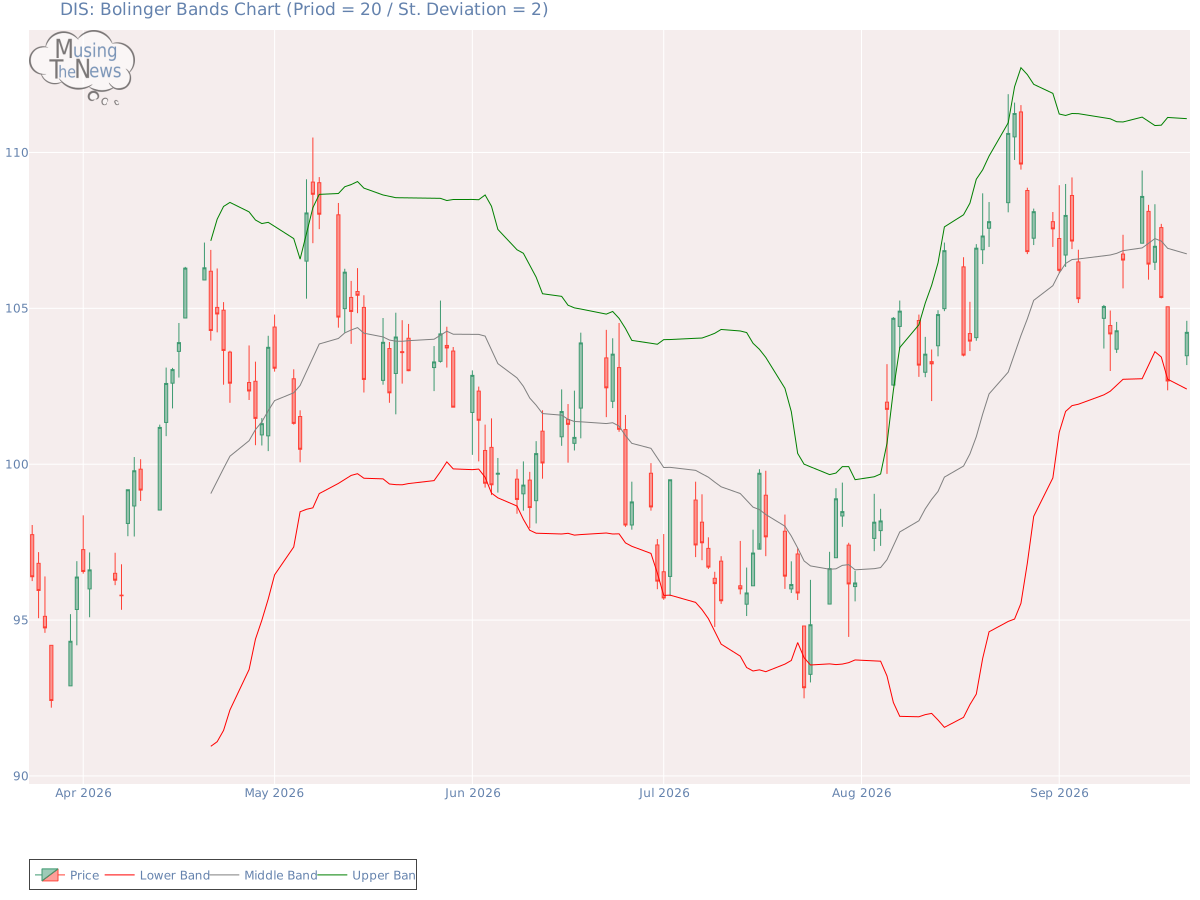
The BOLL BANDS is in a neutral stance for DIS, not indicating a clear upward or downward trend. This suggests a period of market indecision, where neither bulls nor bears h...
By MusingTheNews
Updated 2026-09-23 02:47:54
Overall Technical outlook
Price Summary
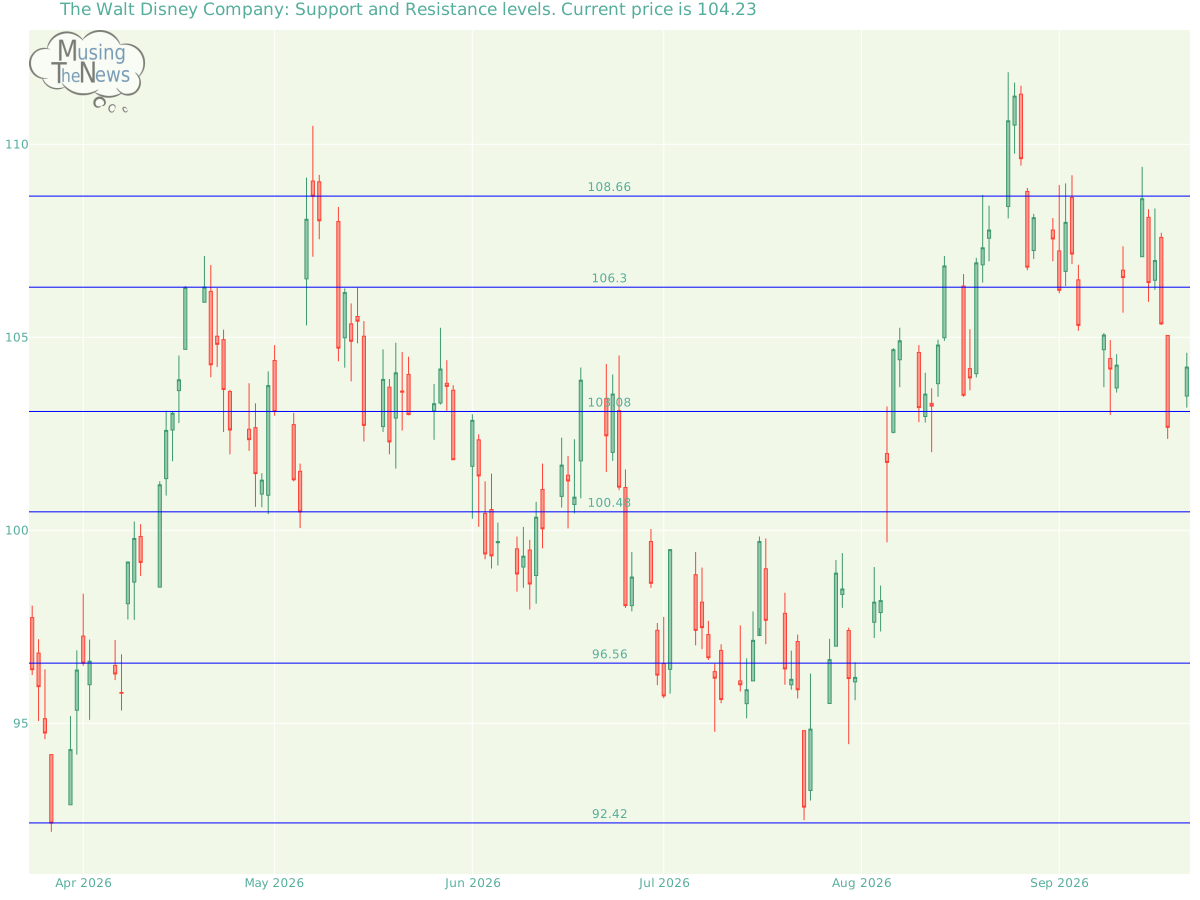
The Walt Disney Company's stock started the year at 103.48, climbed to a high of 104.6, fell to 103.18, and closed 0.72% up at 104.23, with 7126400 shares traded on 2026-09-21. In the 52-week period, the stock's peak price is 116.65, and the lowest price recorded is 92.42.
Technicals
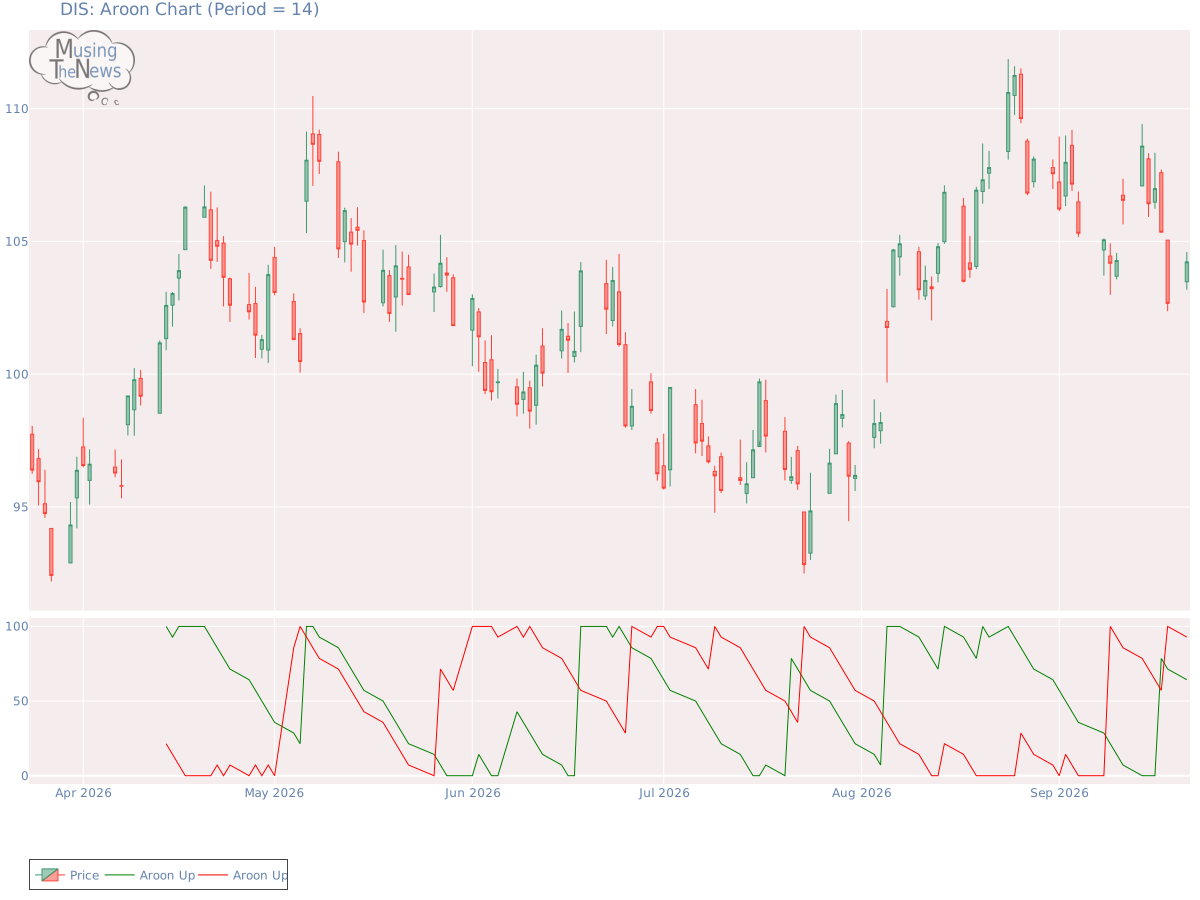
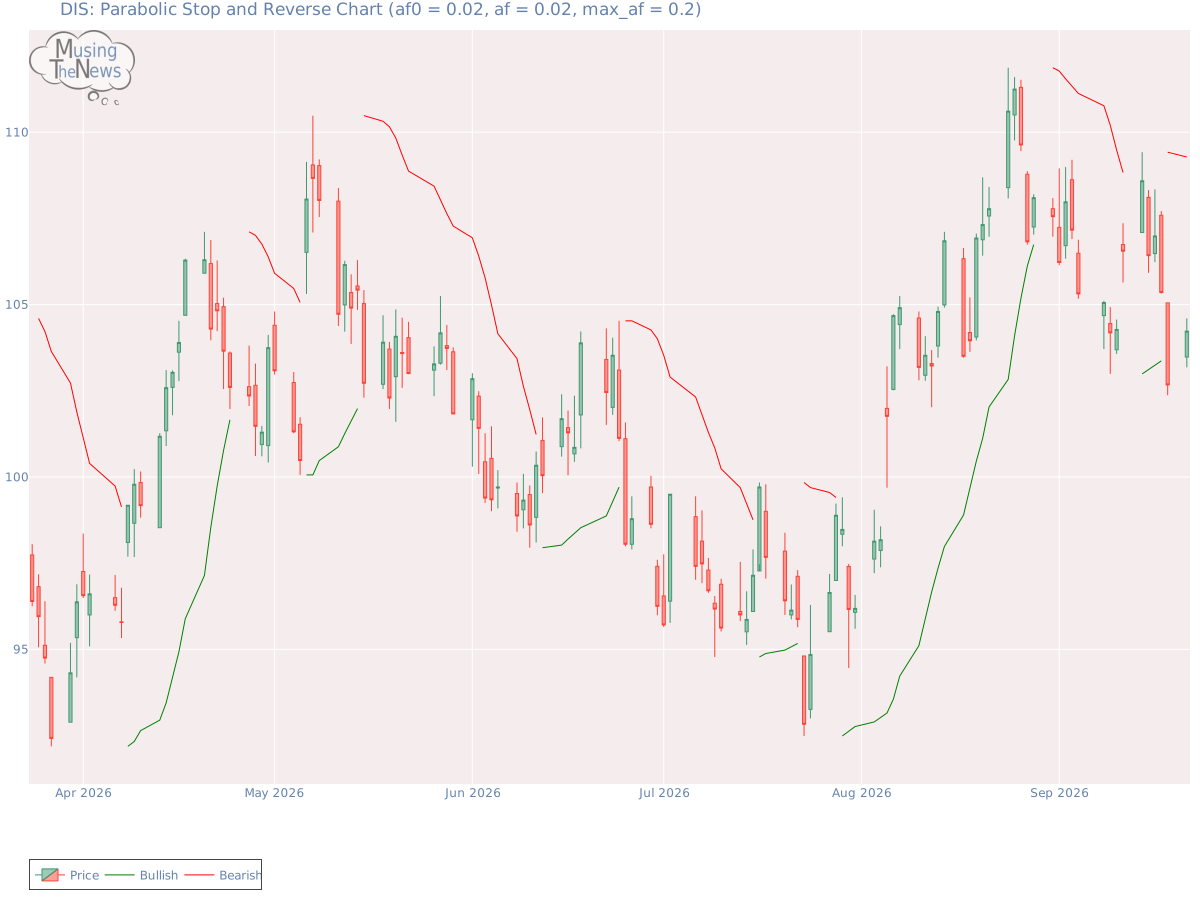
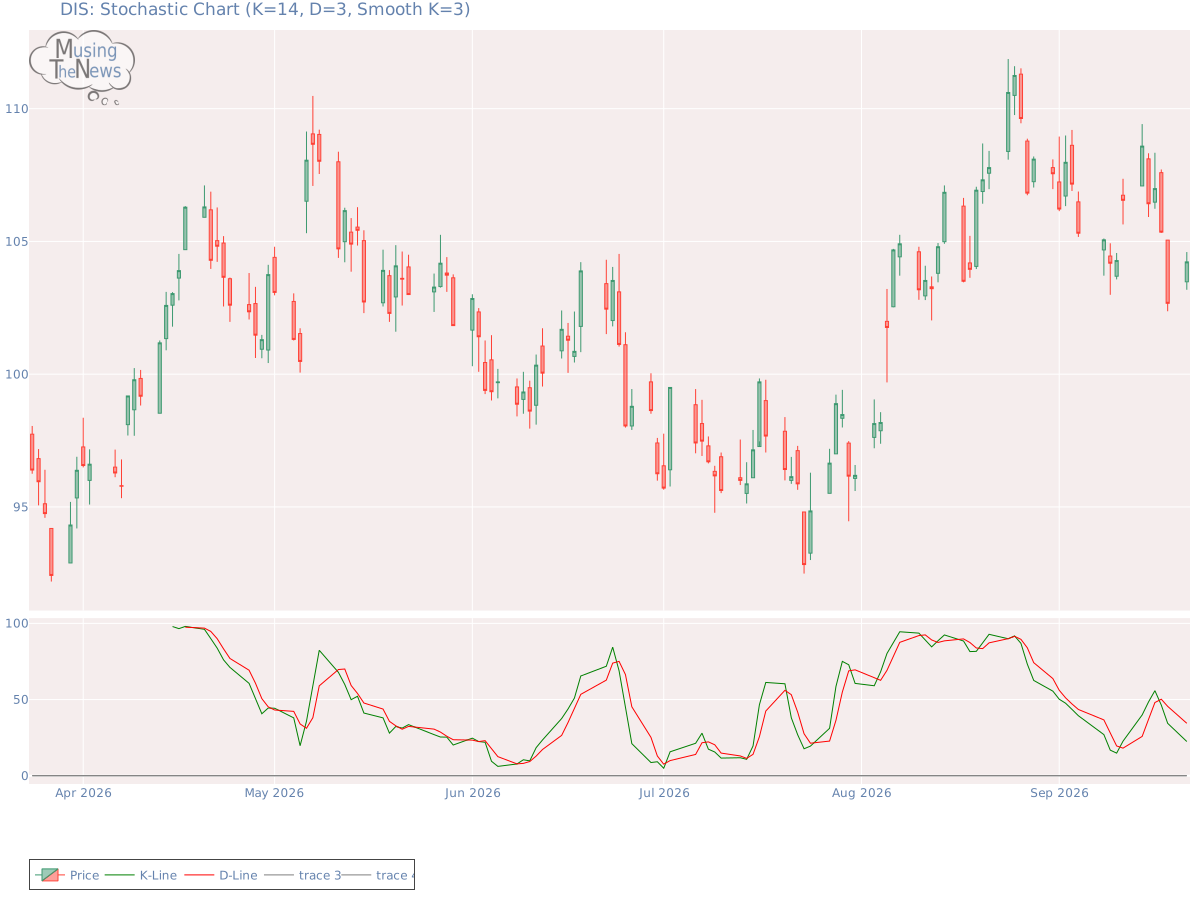
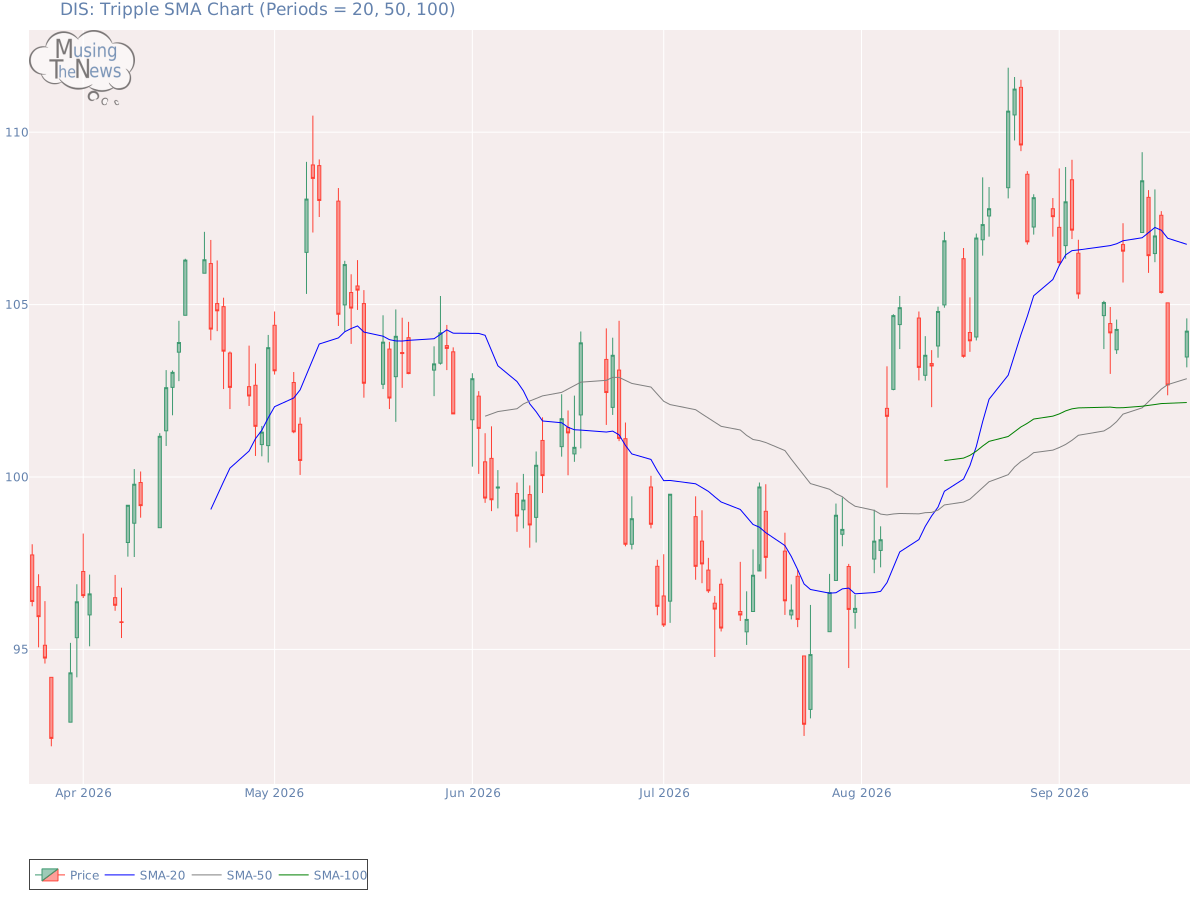
Support and Resistance: The price of 104.23 is supported at 103.08 and capped by resistance at 106.3. These levels mark key points for The Walt Disney Company where the price could find stability, with 103.08 as a floor and 106.3 as a ceiling.Support/Resistance for DISAroon: The AROON is in a neutral stance, with no clear signals for movement up or down. This neutral position indicates a potential period of consolidation or uncertainty in the market.Aroon chart for The Walt Disney CompanyBol. Bands: The BOLL BANDS is in a neutral stance for DIS, not indicating a clear upward or downward trend. This suggests a period of market indecision, where neither bulls nor bears have the upper hand.Bolinger Bands chart for The Walt Disney CompanyParabolic SAR: The PSAR continues its bearish trend, setting a resistance level that could prevent significant upward movement for DIS. This resistance suggests that the market may struggle to overcome bearish forces, keeping upward momentum in check.Parabolic Stop and Reverse chart for The Walt Disney CompanyStochastic: The STOCHASTIC is in a neutral stance, with no clear signals for movement up or down. This neutral position indicates a potential period of consolidation or uncertainty in the market.Stochastic chart for The Walt Disney CompanyTripple Moving Agerage: The Tripple MOVING AVG is neutral, showing no definitive signals of a trend either upward or downward. This neutral stance indicates a period of market indecision, where the direction is unclear.Tripple SMA chart for The Walt Disney Company To accurately interpret a company's technical data, it is important to first examine its fundamentals. These include financial performance, management quality, and growth prospects. In addition, understanding the dynamics of the industry in which the company operates—such as competition, market trends, and regulatory factors—provides further insights. This combined analysis helps create a fuller picture, allowing for more precise conclusions to be drawn from the company's technical performance and stock behavior.
The Walt Disney CompanyDIS share priceDIS technical chartDIS stock chartDIS techncal analysisDIS price trendsDIS stock signalsDIS stock pricestock marketNSE stock chart